
Contents:
Photophobia is a condition characterized by excessive sensitivity of the eyes to light. A person may experience discomfort, pain, or watering in bright light. This symptom can occur in many diseases affecting the ocular surface or nervous system.
Dry eye, corneal infections, uveitis, and migraine attacks are among the most common causes of photophobia. Treating the underlying condition is the most effective way to control light sensitivity.
The diagnosis of photophobia may involve a detailed eye examination, tear tests, and neurological examinations when necessary. This helps clarify the cause of the symptom and allows appropriate treatment to be planned.
Treatment is directed at the underlying cause. Artificial tears, protective eyewear, or systemic treatments may be used. Regular follow-up helps keep light sensitivity under control in the long term.
| Medical Name | Photophobia |
|---|---|
| Prevalence | Varies depending on eye diseases or systemic causes |
| Risk Factors | Migraine, corneal diseases, uveitis, albinism, medications, meningitis |
| Symptoms | Discomfort when looking at light, glare, pain, watering |
| Complications | Vision loss or chronic pain depending on the underlying cause |
| Diagnostic Methods | Eye examination, corneal and retinal evaluation, neurological tests |
| Treatment Options | Treatment of the underlying condition, light-filtering glasses, artificial tears |
| Reasons for Surgery | Presence of an underlying structural disorder, rarely |
| Prevention Methods | Wearing sunglasses, early treatment of diseases, careful medication use |
Photophobia is a condition in which the eyes are excessively sensitive to light. Even normal light may cause discomfort, stinging, watering, or headaches. Migraine, eye infections, corneal diseases, albinism, or certain medications may cause this condition. Protective measures such as wearing sunglasses may also be recommended alongside treatment of the underlying cause.
Although the word "photophobia" literally means "fear of light" in Greek, with "photo-" meaning light and "phobia" meaning fear, its medical use is somewhat different. Medically, photophobia is an abnormal sensitivity of the eyes to light. This sensitivity may cause discomfort, glare, or even pain in the eyes, particularly when exposed to bright light. Rather than being a psychological "fear," it is a physiological response of the body to light. This distinction is important because photophobia means much more than simply "disliking light." Exposure to light causes genuine physical discomfort or pain.
One of the key characteristics of photophobia in medical definitions is that light triggers pain in the eye or worsens existing pain. This emphasizes the physical distress caused by photophobia. From a broader perspective, photophobia is defined as a sensory condition in which light causes discomfort in the eyes or head. Although this does not always involve sharp pain, it may cause a response that makes the person avoid light.
Some specialists use the term "photo-oculodynia" to describe more precisely a situation in which a light source that would not normally cause pain, such as a standard lamp in a room, causes eye pain. This indicates that photophobia is not caused only by light being "too bright." Even normal levels of light may sometimes be painful, reflecting a difference in sensory perception.
There is also an important distinction to remember. Photophobia, which is sensitivity of the eyes to light, is different from "photosensitivity," which is sensitivity of the skin to sunlight. Photosensitivity is generally a skin reaction associated with immune system problems or the side effects of certain medications. These two conditions should not be confused.
Yes, photophobia can be classified according to where and how the response to light occurs. These distinctions may help us understand the underlying causes of the condition. Photophobia can essentially be divided into two main types.
The first is direct photophobia. In this condition, discomfort or pain occurs in the eye that is directly exposed to light. In other words, whichever eye is exposed to light is the eye in which discomfort is felt.
The second is consensual, or indirect, photophobia. This is somewhat different. When light is directed into one eye, pain or discomfort is felt in the other eye, which is not being exposed to light. For example, when light enters the right eye, discomfort may be felt in the left eye. In medical circles, "true photophobia" is generally considered to be this consensual type. This is because it may indicate a deeper neural connection or a problem involving the central processing of the light stimulus in the brain, rather than merely local irritation in the eye exposed to light. This suggests that photophobia may sometimes have more complex neurological origins.
Photophobia can manifest in various ways through a person's responses to light. These symptoms may involve both observable behaviors and physical sensations experienced by the person. Unfortunately, they may negatively affect daily life.
People with light sensitivity generally display certain typical behaviors when exposed to a light that causes discomfort. These responses are involuntary or conscious attempts to reduce the negative effects of light. The most common signs of photophobia include:
- Squinting
- Blinking frequently
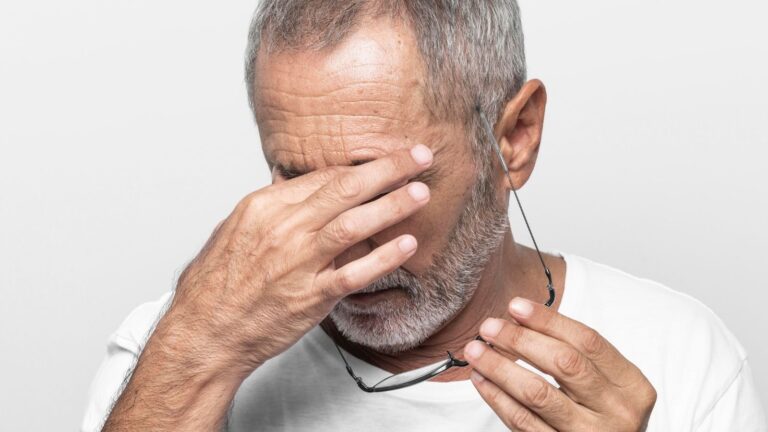
- Shielding the eyes with the hands
- Generally trying to protect the eyes from light sources
- Preferring dimly lit environments
- Avoiding bright light
- Being reluctant to go outside on sunny days
- Preferring to go outside in the evening
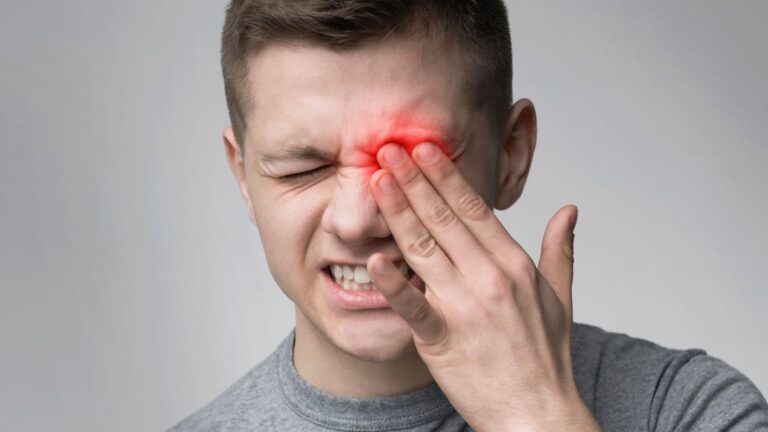
- Eye pain when exposed to light
- Discomfort or stinging in the eyes when exposed to light
- Excessive watering of the eyes
In addition to eye-related reactions, photophobia may sometimes occur together with symptoms in other parts of the body. This suggests that the underlying causes of photophobia may not be limited to the eyes.
- Headache: Photophobia frequently accompanies headaches. Exposure to light may sometimes trigger certain types of headaches, particularly migraines, or worsen an existing headache.
- Nausea or dizziness: Although these symptoms do not occur in every case of photophobia, nausea or dizziness may accompany severe photophobia or cases associated with specific conditions such as migraine.
The association of photophobia with symptoms such as headache and nausea indicates that the underlying mechanisms may sometimes involve broader neural pathways. This supports the idea that photophobia may be a symptom of a larger problem, particularly one of neurological origin.
People experiencing photophobia understandably wonder whether the condition is temporary or permanent and what it may lead to.
Whether photophobia is permanent depends entirely on its underlying cause. If the condition causing photophobia, such as uveitis, which is inflammation of the inner layers of the eye, can be treated, photophobia generally decreases or resolves as the condition improves. However, photophobia may be permanent in some conditions, such as certain congenital disorders or pigment deficiencies like albinism. In photophobia caused by dry eye, the sensitivity tends to persist, even though it may be managed, because dry eye is generally a chronic condition.
One of the most important questions is whether photophobia causes blindness. The answer is clear. No, photophobia itself does not directly cause blindness. However, this is a critical point. Photophobia may be a symptom of serious eye diseases that could cause blindness if left untreated, such as certain types of glaucoma, retinal detachment, or uveitis. Taking photophobia seriously and consulting a specialist is therefore vital for the early diagnosis of potentially serious underlying problems.
As for whether photophobia directly causes dizziness, the answer is no. Photophobia alone does not cause dizziness. However, in certain conditions such as migraine or head trauma, bright lights that trigger photophobia may also trigger dizziness.
This is a key point in understanding photophobia. Photophobia is not considered a disease in itself. Just as fever may signal an infection, photophobia is usually a sign or warning signal that something else is wrong in the body or eyes. Various sources also emphasize that photophobia is generally a symptom of another condition.
These underlying conditions may range from common and manageable problems such as dry eye to more serious diseases that require urgent intervention. This is why, when photophobia is noticed, it is very important to consult a specialist to identify the source of this warning signal instead of waiting for it to "go away on its own." Only when the underlying cause is correctly diagnosed and treated can photophobia be controlled or eliminated.
There are many different potential causes of photophobia. This clearly demonstrates why self-diagnosis is inappropriate and why the condition should be evaluated by an ophthalmologist. The main causes can be grouped under several categories.
Many causes are directly related to the eyes. Various problems affecting both the front and back parts of the eye may cause light sensitivity. Some common eye-related causes of photophobia include:
- Dry eye syndrome, a very common cause
- Conjunctivitis, also known as pink eye
- Corneal diseases, including scratches and inflammation
- Uveitis, or inflammation inside the eye
- Blepharitis, or eyelid inflammation
- Albinism
- Aniridia, meaning absence or underdevelopment of the iris
- Refractive errors such as astigmatism, if uncorrected
- Retinal dystrophies, which are genetic diseases of the retina
- Retinitis pigmentosa, also known as night blindness
Yes, another important group of causes of photophobia involves the nervous system, meaning the brain and nerves. Because of the complex connections between the eyes and the brain, certain nervous system disorders may also manifest as sensitivity to light. Some of these conditions include:
- Migraine, a very common neurological cause
- Meningitis, or inflammation of the membranes surrounding the brain
- Subarachnoid hemorrhage, a type of brain hemorrhage
- Traumatic brain injury (TBI)
- Pituitary tumors
In addition to eye and nervous system diseases, certain other conditions and factors may also cause photophobia. These include:
- Certain medications, such as antibiotics and sedatives
- Dilation of the pupils with eye drops during an eye examination
- The recovery period after eye surgery
When you experience symptoms of photophobia, it is important to know when to consult an ophthalmologist. Some situations may require emergency intervention, while in others it may be sufficient to schedule a timely appointment.
As a general rule, you should see an ophthalmologist if your light sensitivity is new, persistent, severe, or more bothersome than before. However, you should be particularly cautious and seek medical assistance without delay in the following situations:
- If the light sensitivity is very severe or painful, such as needing to wear sunglasses even indoors
- If the sensitivity is accompanied by a severe headache, eye redness, or blurred vision
- If the sensitivity does not resolve on its own within one or two days
- If light sensitivity occurs together with sudden and severe eye pain, as this may be an emergency
- If the sensitivity is accompanied by confusion, changes in consciousness, or high fever, as this may be a neurological emergency
- If you have recently experienced an eye or head injury
- If a chemical substance has splashed into your eye or you have been exposed to intense ultraviolet light
- If you experience sudden flashes of light, floaters, or vision loss, as this may indicate an emergency such as retinal detachment
Remember that consulting a healthcare professional whenever you are uncertain is the most appropriate approach. These symptoms, which we refer to as "red flags," may signal serious underlying conditions. Early intervention is critically important for protecting your vision.
If light causes discomfort, pain, or glare in your eyes, there are certain steps you can take to better understand and manage the condition. The most important point to remember is that photophobia is not a disease in itself. It is generally a symptom of another underlying medical condition. This information will guide the search for a solution.
If you experience common symptoms of photophobia, such as squinting, avoiding light, or eye pain, and the condition affects your daily life, the most appropriate action is to consult a specialist. Photophobia may result from a wide range of causes, from simple dry eye to serious neurological problems. Instead of attempting to diagnose yourself, it is vital to consult an ophthalmologist or another relevant healthcare specialist so that an accurate diagnosis can be made and an individualized treatment or management plan can be created.
Particularly if your symptoms are sudden and severe or if photophobia is accompanied by warning signs such as vision loss or severe headache, you may need to take the situation seriously and seek immediate medical assistance.
A detailed examination by a specialist and additional tests when necessary will identify the underlying cause of your photophobia. Only then can the problem be addressed with the appropriate approach. For example, the treatment and management strategy will differ depending on whether the cause is dry eye, an infection, or migraine.
What causes photophobia or light sensitivity?
Photophobia develops when the nerve endings in the eye are overstimulated. Migraine, dry eye, corneal inflammation, and conditions following eye surgery are among the most common causes.
How is photophobia or light sensitivity related to migraine?
During a migraine, the brain and visual nerves become excessively sensitive to light. Patients therefore feel the need to rest in a dark environment, and light may intensify the pain.
Which eye diseases cause photophobia?
Conditions such as keratitis, uveitis, conjunctivitis, dry eye syndrome, and corneal abrasion may cause photophobia. In these diseases, light may cause distressing pain.
Under which circumstances does photophobia occur in children?
In children, photophobia generally occurs because of infections, eye allergies, or congenital structural eye disorders. Persistent photophobia should always be evaluated by an ophthalmologist.
Which medications may cause light sensitivity?
Certain antibiotics, diuretics, and antidepressants may cause light sensitivity in the eyes. Medical evaluation is necessary if photophobia develops after medication use.
How is photophobia or light sensitivity treated?
Treatment is directed at the underlying cause. Artificial tears, anti-inflammatory medications, or spectacle filters may be used. Resting the eyes may also support treatment.
Which spectacle lenses are helpful for photophobia?
Photochromic or polarized lenses reduce light reflections. They may relieve photophobia by improving visual comfort, particularly outdoors and during computer use.
Is photophobia temporary or permanent?
Temporary photophobia is generally associated with an infection or the effects of medication. However, it may become permanent in conditions such as migraine, albinism, or chronic eye diseases and may require regular follow-up.
What precautions can be taken to prevent light sensitivity?
Using drops that help prevent dry eye, limiting screen time, and wearing sunglasses may reduce the severity of photophobia. Adequate sleep is also important for eye health.
Can photophobia be associated with psychological disorders?
Yes, light sensitivity may increase in conditions such as anxiety or depression. Changes in sensory perception between the brain and eyes may be associated with these psychological effects.