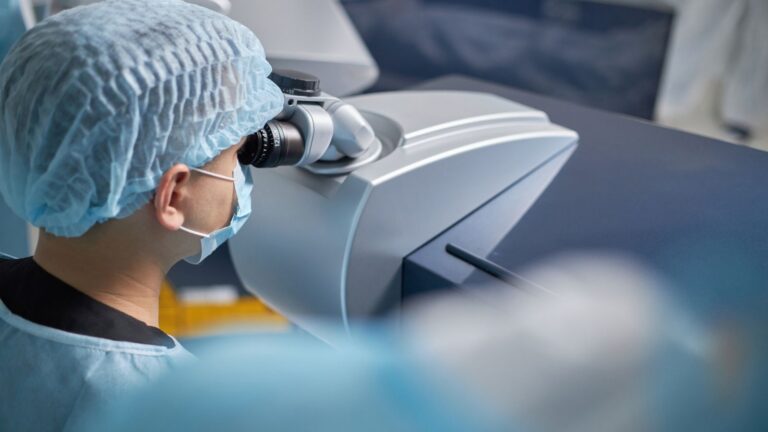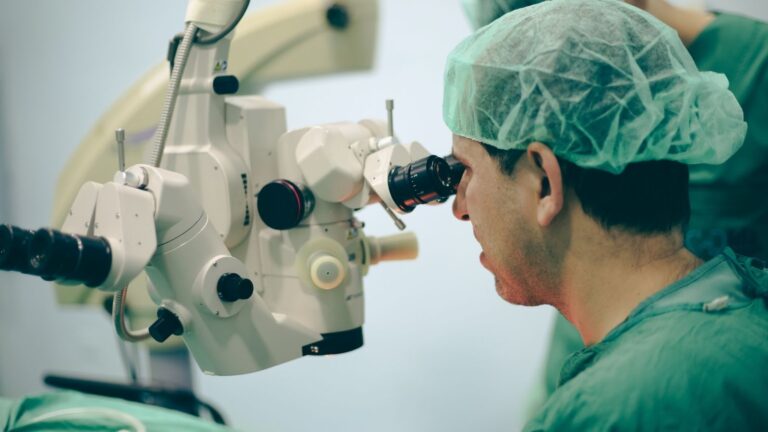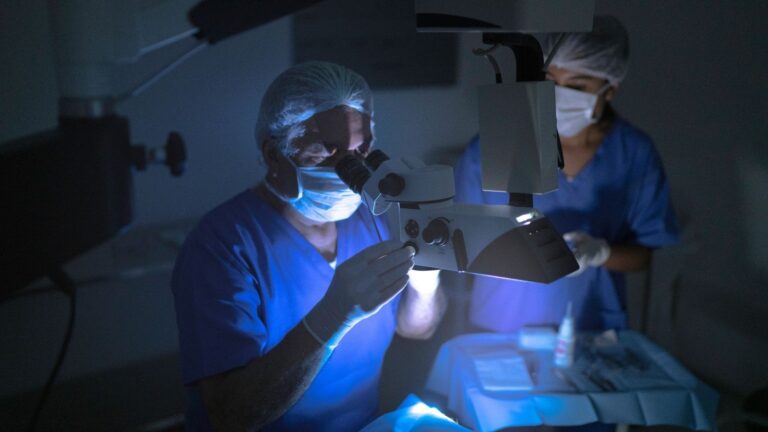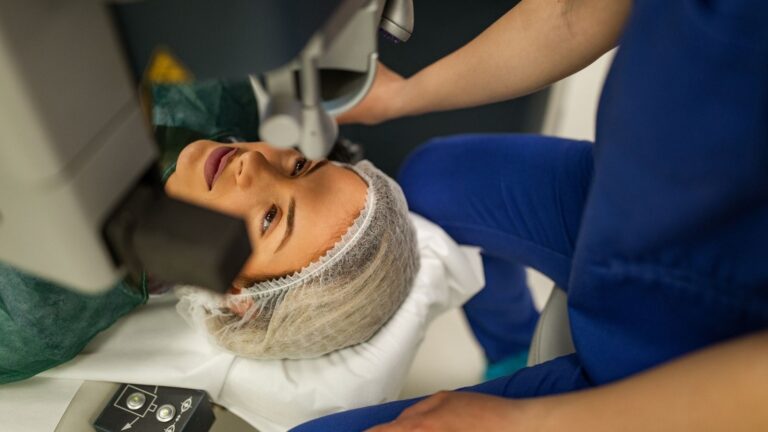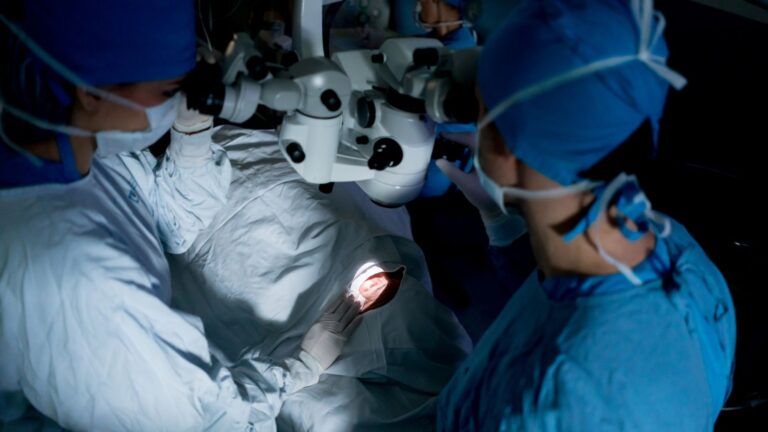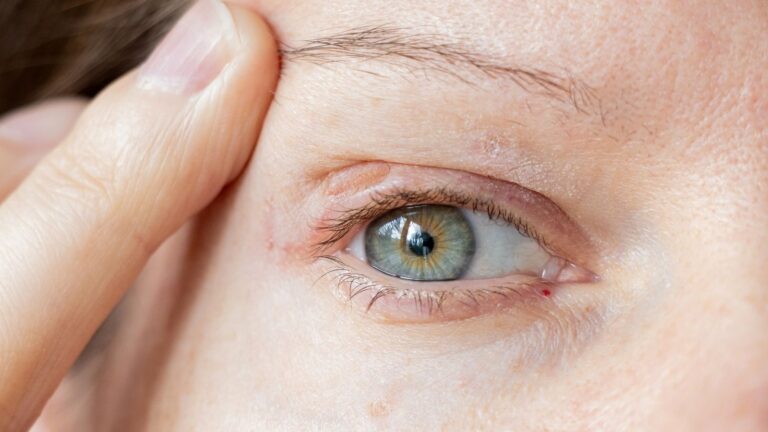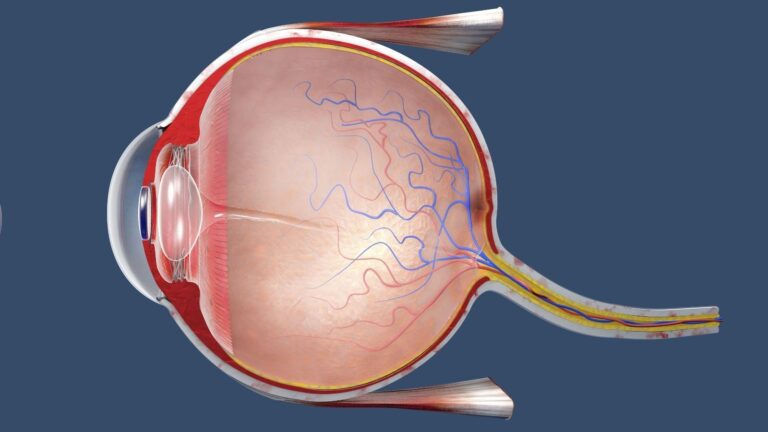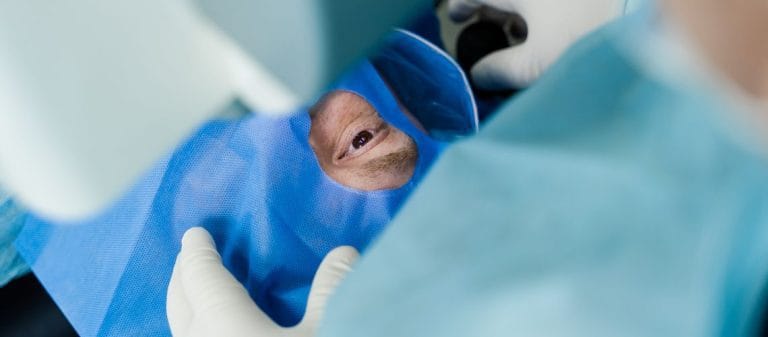
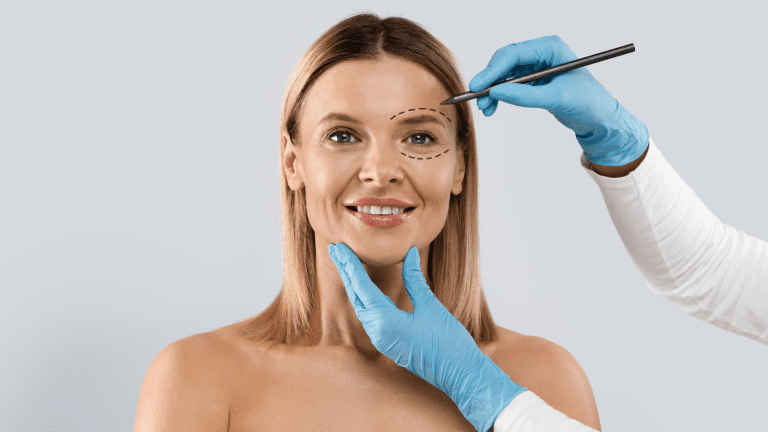
Oculoplastic surgery encompasses aesthetic and reconstructive surgical procedures involving the eyelids, tear ducts, and tissues surrounding the eyes. It is performed both to correct functional disorders and to improve aesthetic appearance.
Oculoplastic surgery includes the correction of drooping eyelids, eyelid tumors, congenital abnormalities, and trauma. Aesthetic procedures to rejuvenate the area around the eyes also fall within this field. Both functional and aesthetic benefits can be achieved.
Tear duct obstructions can also be treated with oculoplastic surgery. This problem may cause watery eyes, frequent infections, and symptoms that affect visual comfort. Surgical methods can reopen the duct or create a new drainage pathway.
Oculoplastic procedures are generally performed under local anesthesia and allow patients to return to daily life quickly. Modern techniques can provide natural-looking results. Regular follow-up after the procedure is important for long-term success.
| Medical Field | Oculoplastic Surgery (Ophthalmic Plastic Surgery) |
|---|---|
| Uses | Drooping eyelids (ptosis), entropion/ectropion, tear duct obstructions, orbital tumors, enophthalmos/exophthalmos, trauma, prosthetic eye procedures, aesthetic treatments |
| Areas Treated | Eyelids, tear ducts, bones and soft tissues of the orbit |
| Methods Used | Surgical corrections, laser treatments, reconstructive and aesthetic procedures |
| Advantages | Provides aesthetic correction alongside visual and functional improvement |
| Limitations | Depend on the severity of the anatomical problem, the condition of the tissues, and the patient's systemic diseases |
| Complications | Infection, bleeding, tissue-healing problems, asymmetry, dry eye |
| Is Preparation Required? | Yes. A detailed ophthalmological and systemic assessment should be performed |
Oculoplastic surgery is a medical field that encompasses aesthetic and reconstructive surgical procedures involving the eyelids, tear ducts, surrounding eye tissues, and eye socket, known as the orbit. It includes operations performed because of congenital deformities, age-related changes, trauma, tumors, or functional disorders. It also covers aesthetic procedures such as blepharoplasty and the removal of under-eye bags. Treatment is performed by oculoplastic surgeons who are ophthalmologists.
Oculoplastic procedures can be divided into two main groups: those performed for medical reasons and those performed for cosmetic reasons. However, these two purposes often overlap. For example, medical intervention is required when drooping of the upper eyelid, known as ptosis, becomes severe enough to obstruct vision. The same operation may also provide an aesthetic benefit by giving the person's face a younger and more alert appearance.
Medical Reasons:
Restricted Visual Field: Age-related loosening of the eyelid skin may narrow the field of vision. Constantly trying to raise the eyebrows creates a feeling of fatigue and may also interfere with vision.
Tumors or Lesions: Like the skin elsewhere on the body, the eyelid may develop basal cell carcinoma or benign cysts. Removing these lesions is important for both eye health and facial appearance.
Tear Duct Obstructions: Constantly watery eyes or discharge can make daily life uncomfortable. Obstructions in the tear ducts may cause infections and may also create discomfort in social situations.
Trauma and Injuries: Accidents may cause eyelid tears, fractures of the eye socket, or damage to the tissues surrounding the eye. These conditions not only affect appearance but may also impair the function of the eye.
Cosmetic Reasons:
Age-Related Changes: Over time, bags may develop under the lower eyelids and the upper eyelids may begin to sag. This can make a person look tired and unhappy. Cosmetic oculoplastic procedures provide a younger and more dynamic appearance.
Symmetry and Facial Balance: Marked asymmetry or differences between the two eyes may create problems in terms of both appearance and self-confidence. Oculoplastic surgery can restore this balance.
Wrinkles and Fine Lines: Complementary procedures such as Botox or dermal fillers applied around the eyes may soften wrinkles and create smoother-looking skin.
Oculoplastic surgery does not serve aesthetic concerns alone. It also offers solutions for many conditions that affect vision or threaten eye health. Some important medical conditions that can be treated with oculoplastic surgery are listed below:
Ptosis (Drooping Eyelid):
Ptosis occurs when the eyelid is positioned lower than it should be. It may be congenital or may develop with age because of weakening of the muscle that raises the eyelid. This condition may restrict the visual field and make daily activities more difficult. Treatment techniques include shortening the muscle or using a sling attached to the brow area.
Entropion and Ectropion (Inward or Outward Turning of the Eyelid):
Entropion is the inward turning of the lower eyelid. The eyelashes rub against the cornea and may cause irritation, watering, and even serious corneal wounds.
Ectropion is the outward turning of the eyelid. The surface of the eye may not remain adequately moisturized, the eye may water continuously, and the risk of infection may increase.
In both conditions, oculoplastic surgery helps restore the eyelid to its normal position.
Tear Duct Obstructions:
Problems such as chronic tearing, known as epiphora, or frequently recurring inflammation of the lacrimal sac, known as dacryocystitis, can make daily life considerably more difficult. A surgical procedure called dacryocystorhinostomy, or DCR, creates an alternative drainage pathway into the nasal cavity to bypass the obstructed duct.
Orbital Diseases (Thyroid Eye Disease, etc.):
Particularly in conditions such as Graves' disease, the eyes may protrude, the eyelids may become retracted, and problems such as double vision may occur. Increased pressure inside the orbit may damage the optic nerve over time. Orbital decompression or eyelid repair procedures may be performed in these patients.
Trauma and Injuries:
Blows to the area around the eyes, bone fractures, and tissue loss may cause problems that can progress to vision loss. Oculoplastic surgery aims to achieve both functional and aesthetic outcomes when treating these injuries.
Tumors and Lesions:
Skin tumors of the eyelids, such as basal cell carcinoma, and benign or malignant masses inside the orbit may threaten visual function. Reconstruction of the tissue after surgical removal is performed within the scope of oculoplastic surgery.
The area around the eyes is one of the most noticeable parts of the human face. Even mild swelling or sagging may therefore make a person appear tired and unhappy. Cosmetic oculoplastic surgery focuses on correcting these aesthetic concerns and creating a younger, more vibrant expression. However, these procedures also aim to preserve or improve the healthy function of the eyelids.
Blepharoplasty (Eyelid Surgery):
Upper Eyelid: With ageing, the skin may lose elasticity, sag, and form a hood over the upper eyelid. This may sometimes interfere with vision. During blepharoplasty, excess skin and muscle tissue are removed, and the fatty tissue may be reshaped if necessary.
Lower Eyelid: Problems such as bags, dark circles, or loose skin may be more noticeable in the lower eyelid. During lower blepharoplasty, excess fatty tissue may be removed or repositioned. This creates a more dynamic and smoother appearance.
Brow Lift and Forehead Corrections:
Focusing only on the upper eyelid may not always resolve the problem completely. Drooping eyebrows can create the appearance of sagging eyelids. A brow lift can therefore rejuvenate the forehead area and may be combined with eyelid surgery.
Botox and Dermal Filler Treatments:
These may be used to improve fine lines around the eyes, crow's feet, or hollows under the eyes. Cosmetic treatments temporarily make the skin appear smoother and reduce signs of ageing. Dermal fillers can be particularly helpful in filling under-eye hollows and reducing a tired appearance.
Laser and Other Rejuvenation Procedures:
Laser treatments or methods such as chemical peels may also be used to rejuvenate the eyelid skin. These treatments even out skin tone, reduce fine wrinkles, and give the skin a brighter appearance.
Oculoplastic surgeons receive specialized training in cosmetic treatments, not simply to improve external appearance, but to provide the best aesthetic result without disrupting the eye's functional balance. Excessive alteration of the eyelid's shape, for example, may cause unexpected problems such as dry eye. It is therefore very important to prioritize eye health while addressing cosmetic concerns. The facial expression can be viewed as a painting, with the eyes as its focal point. Small changes can brighten the entire face.
Oculoplastic procedures involving the eyelids are performed for both medical and cosmetic purposes. These procedures cover a wide range of treatments, from correcting the shape of the eyelids and removing excess skin to removing tumors and repairing trauma. The most commonly performed methods can be summarized as follows:
Blepharoplasty (Upper and Lower Eyelid Surgery):
Upper Blepharoplasty: This procedure removes excess sagging skin that restricts the visual field or creates a tired appearance. Muscle and fatty tissue may also be rearranged when necessary.
Lower Blepharoplasty: Under-eye bags and excess skin are removed, or the fat pads are repositioned. This provides a more youthful appearance.
Ptosis Repair:
This surgical procedure strengthens or shortens the muscle or tendon that raises the eyelid. It may also be performed in children with congenital ptosis to prevent their visual development from being adversely affected.
Entropion and Ectropion Correction:
Entropion Surgery: Muscles and tendons are repaired, or excess tissue is removed, to return the inward-turning eyelid to an outward and normal position.
Ectropion Surgery: The tissues are tightened to support and reposition the outward-turning eyelid. A skin graft may sometimes be used.
Tumor Excision and Reconstruction:
After malignant or benign tumors of the eyelid or surrounding area are surgically removed, the area is reconstructed. If the tumor is large, tissue grafting or flap procedures using adjacent tissue may be required.
Trauma Repair:
Eyelid tears, bone fractures, or soft tissue injuries caused by accidents or trauma are reconstructed through oculoplastic surgery. These procedures aim both to protect the eye from external factors and to restore its appearance.
Eyelid Margin Correction Using Laser:
Cysts, moles, or abnormal turning of the eyelid margin may sometimes be corrected using minimally invasive methods. Laser or radiofrequency treatments may also fall within this category.
Oculoplastic operations generally offer a relatively quick recovery period. However, as with any surgical procedure, the scope of the operation and the patient's general health are the main factors affecting recovery.
First Few Days: Mild pain, swelling, and bruising around the surgical area are expected reactions. Applying a cold compress is highly effective in reducing swelling. Patients usually rest at home for 1-2 days and can perform light daily activities after a few days.
Stitches and Dressings: Depending on the operation performed, skin sutures used in upper eyelid surgery may be removed within one week. Dissolvable sutures may sometimes be preferred in lower eyelid surgery. Silicone tubes placed inside the nose during tear duct surgery are removed after several weeks or months.
Medication Use: Antibiotic eye drops or ointments prescribed by the doctor help prevent infection in the treated area. Pain medication may also be used when necessary.
Activity Restrictions: Heavy exercise, bending over to lift significant weight, and swimming are not recommended immediately after surgery. Patients should generally avoid overexertion during the first 1-2 weeks and allow the surgical area to heal.
Follow-up Examinations: The first follow-up examination is generally performed one week after surgery. The frequency of subsequent examinations varies according to the type of operation and the patient's rate of recovery.
The most important point during recovery is to follow the physician's recommendations fully. Some patients may think, "I do not feel any pain, so I can return to my normal life." However, a calm recovery period produces healthier results in terms of swelling and tissue healing. Because the eye area is highly sensitive, it must also be protected against trauma and the risk of infection. Regular follow-up allows possible complications to be detected early and treated quickly. Considerable healing is generally observed within 2-4 weeks, although the final results may sometimes take several months to settle.
As with any surgical procedure, oculoplastic surgery may involve certain risks and complications. However, when performed by an experienced oculoplastic surgeon, the likelihood of serious problems is quite low. Understanding the possible risks helps patients approach the periods before and after surgery more consciously.
Bleeding (Hematoma) and Bruising: Uncontrolled bleeding in the surgical area is one of the most concerning complications. Although rare, increased pressure behind the eye socket, known as a retrobulbar hematoma, may compress the optic nerve and cause permanent vision loss. It is therefore important to avoid factors that increase bleeding, such as strenuous exercise and blood-thinning medications.
Infection: The area around the eyes is vulnerable to microorganisms. Appropriate sterilization and the use of antibiotics after surgery minimize the risk of infection.
Eyelid Asymmetry or an Appearance Different from What You Expected: It may not always be possible to achieve perfect symmetry through surgery. Natural differences between tissues, wound-healing processes, and the strength of the eyelid muscles may affect the final result. Revision surgery may sometimes be required.
Eyelid Function Disorders: Particularly in operations involving the muscles, such as ptosis surgery, the eyelid may be raised too much or too little. In lower eyelid surgery, changes in the eyelid's shape may also cause complications such as an inability to close the eye completely, known as lagophthalmos, or inward or outward turning of the eyelid.
Dry Eye or Excessive Tearing: The new position of the eyelid after surgery may alter tear distribution. Dry eye may become more pronounced, or uncontrolled tearing may occur.
Reduced Skin Sensation: Incisions made in the eyelids may affect nerve endings and cause temporary or, rarely, permanent loss of sensation.
Oculoplastic surgery can be performed in people of various ages and with different health conditions. However, being a suitable candidate both increases the likelihood of successful surgery and facilitates recovery. An assessment by a specialist is therefore essential before considering any oculoplastic procedure.
Problems That Obstruct Vision or Cause Discomfort: People with drooping eyelids, inward or outward turning of the eyelids, or tear duct obstructions may benefit medically from these procedures. Particularly in older adults, upper eyelid sagging that restricts the visual field may be corrected surgically to improve quality of life.
Healthy Tissue and Systemic Health: Additional precautions may be necessary for people with diabetes, high blood pressure, or thyroid disease, and the surgical plan may need to be adjusted accordingly. People whose conditions are under control may still be suitable candidates. However, surgery should be postponed in the presence of an active infection or uncontrolled systemic disease.
Realistic Expectations: In cosmetic procedures, it is important for patients to assess the possible outcome without exaggerated expectations. A single operation may not always create a completely "perfect" appearance. The purpose of surgery is to achieve a healthy and, whenever possible, natural improvement that is compatible with the person's facial features.
Skin Characteristics and Age: Younger patients may recover more quickly because their skin has greater elasticity. In middle-aged and older patients, loose skin may cause additional problems around the eyes. In such cases, additional procedures such as a brow lift or midface lift may be considered.
Being Psychologically Prepared: Every surgical procedure causes changes in the body and emotional state. Maintaining a positive outlook while preparing for surgery and discussing concerns with the physician as openly as possible can make the process more comfortable.