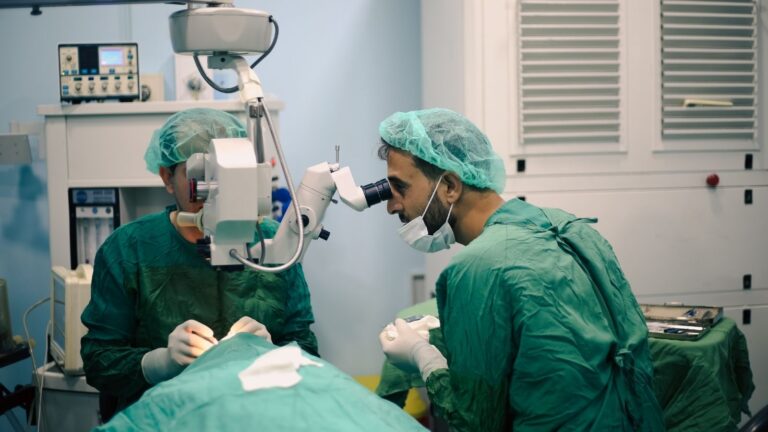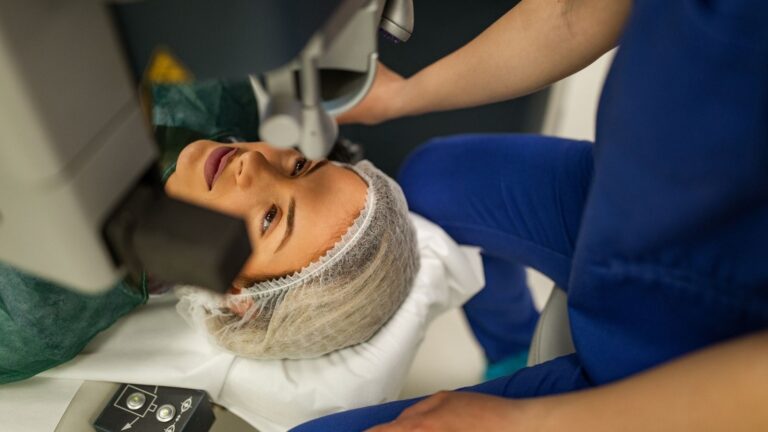

Keratopigmentation is a surgical method that provides aesthetic and functional improvement by applying specialized pigments to the cornea. It is used in congenital or acquired corneal opacities to improve visual quality and achieve a cosmetic result.
This method creates a permanent color change in the cornea, reducing both visual disturbances and aesthetic concerns. It offers significant benefits to patients, particularly in conditions such as iris defects or albinism.
Keratopigmentation is performed using laser-assisted techniques and can be customized for the patient. The biocompatibility of the pigments allows long-lasting and safe results to be achieved. Recovery occurs within a short period after the procedure.
Over the long term, keratopigmentation can improve patients' quality of life both functionally and aesthetically. Regular examinations are highly important for maintaining pigment stability and corneal health.
| Definition | A procedure in which specialized pigments are placed in the corneal tissue using microsurgical methods to change eye color |
|---|---|
| Indications | Cosmetic eye color change and aesthetic correction of color irregularities caused by iris defects or trauma |
| Procedure | Under local anesthesia, microchannels are created within the cornea and pigments are inserted. The procedure generally takes 1-2 hours |
| Preparation | A detailed eye examination and assessment for infection or serious corneal disease before the procedure |
| Side Effects | Temporary pain, redness, light sensitivity, corneal edema, infection, and blurred vision |
| Advantages | Permanent eye color change, a more natural cosmetic appearance, and no need for glasses or contact lenses |
| Disadvantages | It may be permanent and irreversible, carries surgical risks, and may cause adverse effects on vision |
| Who Is Not Suitable | People with an active eye infection, severe dry eye, corneal disease, advanced glaucoma, or a risk of vision loss |
| Who Commonly Receives It | Adults with healthy eye structures, realistic expectations, and a completed detailed examination |
| Recovery Time | Initial recovery takes several days to 1 week. Final results are observed within 1-3 months |
| Complications | Infection, corneal clouding, reduced vision, color irregularity, light scattering, and allergic reactions |
| When to Consult a Doctor | If severe pain, sudden vision loss, intense redness, discharge, or unwanted color changes occur |
Keratopigmentation is a surgical procedure that permanently changes eye color by applying specialized biocompatible pigments to the cornea. In addition to being preferred for aesthetic purposes, it provides functional benefits in conditions such as iris defects, eye trauma, or photophobia. The procedure is generally performed with the assistance of a femtosecond laser and produces results similar to the appearance of a natural iris. A detailed eye examination and specialist assessment are essential before the procedure.
Keratopigmentation works by placing pigments in the stromal layers of the cornea. The procedure focuses on changing the aesthetic appearance of the eye without disrupting its natural structure or visual function. Microtunnels are generally created in the cornea using laser-assisted methods, and the pigments are placed within these tunnels. The pigments are used to change the aesthetic appearance of the eye or conceal corneal scars.
Methods used:
- Femtosecond laser
- Manual microtunnel creation techniques
When the pigments are correctly placed in the corneal stroma, long-lasting and safe results can be achieved. After the procedure, the pigments remain in position over time, and the risk of fading is kept to a minimum. Keratopigmentation offers a permanent solution for people who want to change their eye color and can also be used for therapeutic purposes.
Keratopigmentation is preferred for both therapeutic and cosmetic purposes. It is particularly used to improve the aesthetic appearance of the eye or manage visual disturbances. It may be performed to change eye color due to aesthetic concerns or correct deformities in the eye. It is also used to achieve visual and cosmetic improvement after damage to critical parts of the eye, such as the iris and cornea.
Cosmetic indications:
- Corneal scars
- Corneal opacities
- Eye color change
Therapeutic indications:
- Iris defects
- Corneal scarring
- Leukomas
Ocular reconstruction:
- Traumatic eye injuries
- Surgical complications
Keratopigmentation is an important alternative, particularly when invasive surgical procedures such as corneal transplantation are not possible or preferred. Technological developments, especially the use of femtosecond lasers, have improved the accuracy of the procedure and enabled more successful aesthetic and therapeutic results. The procedure not only improves the cosmetic appearance of the eye but may also increase the patient's quality of life.
Keratopigmentation may not be a suitable option for patients with certain eye conditions. The pigments or surgical techniques used during the procedure may lead to adverse outcomes in people with specific eye problems. Existing health conditions, particularly active infections or severe inflammation, may compromise the safety of the procedure. Previous surgical interventions involving the eyes may also reduce the likelihood of success.
The main conditions in which keratopigmentation is unsuitable therefore include:
- Active eye infection
- Severe ocular surface disease
- Glaucoma
- History of corneal graft surgery
- Pigment allergy
- Severe inflammation of the eye
People with these conditions should avoid keratopigmentation. It is extremely important for the doctor to perform a detailed examination and determine whether the patient is suitable based on their eye health. The risks should be minimized by also considering the patient's general health during this process.
Keratopigmentation is a surgical procedure performed by precisely placing pigments within the corneal stroma and is used for both cosmetic and therapeutic purposes. During the procedure, the eye surface is sterilized and anesthetic eye drops are used to ensure the patient's comfort. Pigment placement can be performed using two main methods: the manual technique and the femtosecond laser-assisted method. Both techniques allow the pigments to be placed safely and effectively within the corneal layers.
Manual Method:
- Fine needles
- Spatulas
- Superficial layers
- Deep layers
Femtosecond Laser-Assisted Method:
- Femtosecond laser
- Intrastromal tunnel
- Protection of deeper eye structures
- Controlled pigment placement
After the procedure is completed, antibiotic and anti-inflammatory eye drops are prescribed. These medications support the healing process and minimize the risk of infection. Keratopigmentation is particularly preferred for patients with corneal opacity or scarring. It may also be used for individuals seeking an aesthetic change in eye color. The permanence and outcome of the procedure may vary depending on the quality of the pigments used, the patient's eye structure, and the doctor's experience. The results generally provide a natural appearance and meet patients' aesthetic expectations.
Keratopigmentation is a surgical procedure performed for cosmetic and therapeutic purposes, but it may cause certain side effects and complications. These effects may generally occur during the postoperative period and can adversely affect patients' long-term eye health. The risks and complications must be considered because of the invasive nature of the procedure.
Possible side effects include:
- Corneal damage
- Infection
- Irregular astigmatism
- Pigment leakage
- Endothelial decompensation
- Difficulties with visual field examinations
- Pupillary irregularity
- Decentration
Some of these side effects may be temporary, while others may cause permanent damage. Corneal damage and injury to the endothelial cells may have particularly serious consequences, potentially creating a need for additional treatment such as corneal transplantation at a later stage. Infections and inflammation may also lead to problems that can progress to vision loss.
Keratopigmentation may involve increased risks in people who have previously undergone eye surgery. For example, undergoing this procedure after an operation such as LASIK may be dangerous. It is also a risky procedure for patients with underlying corneal diseases.
Keratopigmentation (KTP) is a procedure that provides highly successful results when used for both cosmetic and therapeutic purposes. Patient satisfaction rates are generally very high and range between 85% and 95% in studies. Most patients are satisfied with the aesthetic appearance of their eyes after the procedure.
Factors contributing to success rates include:
- High patient satisfaction
- Low complication rate
- Minimal pigment loss
- Mild side effects
Some patients may experience mild pigment loss over time, but this can generally be corrected with minor touch-ups. Cases requiring extensive revision are rare. The most common side effects include pigment leakage or mild pigment fading. Advanced techniques and the surgeon's experience play important roles in the success of keratopigmentation. The quality of the pigments used also contributes to maintaining aesthetic results over the long term.
Preparing for keratopigmentation surgery requires patients to be physically and mentally ready for the operation. Several important steps must be considered before the procedure to achieve a good result. By closely following the surgeon's instructions, patients can help ensure that the operation proceeds safely and successfully:
- Shower on the day of surgery
- Wash your hair
- Wear clean and comfortable clothing
- Do not wear makeup
- Do not use false eyelashes
- Avoid cosmetic products on the face
- Do not wear contact lenses
Eating a light meal before surgery may help prevent dizziness or nausea during the procedure. Patients should avoid very heavy foods before the operation but should also take care not to remain completely hungry. They should also be aware that mild discomfort or blurred vision may occur during the procedure. A short period of rest is required after the operation, so patients should avoid strenuous activities throughout the day.
Keratopigmentation is generally a painless procedure. However, as with every surgical intervention, careful preparation is essential. A rapid recovery is targeted after the procedure, and patients must also follow the postoperative care instructions to ensure that this process proceeds smoothly.
Postoperative care after keratopigmentation plays a critical role in ensuring the success of the operation and preventing complications. During this process, fully complying with the doctor's recommendations is just as important as protecting the eyes and maintaining hygiene. Patients must consider several basic points to support the healing process, which begins immediately after surgery:
- Using prescribed eye drops
- Protecting the eyes from bright light
- Avoiding physical strain
- Maintaining eye hygiene
- Attending regular medical check-ups
- Experiencing blurred vision and mild discomfort
- Avoiding strenuous physical activities
Using eye drops regularly and at the correct times both reduces inflammation and prevents the risk of infection. Avoiding activities that strain the eyes during the first few days helps accelerate the healing process. Wearing sunglasses to protect the eyes from bright light and UV rays also helps provide comfort during recovery.
Regular medical examinations are essential for the early detection of possible postoperative complications. These examinations help monitor conditions such as pigment placement or infection. If necessary, the surgeon may perform additional procedures to correct the pigments. Patients are therefore advised to follow this treatment process carefully to protect their eye health as effectively as possible.