
Eye twitching is a common condition caused by involuntary and temporary contractions of the eyelid muscles. It is generally harmless and disappears within a short time. Fatigue, stress, caffeine consumption, and lack of sleep are among the most common causes.
Chronic eye twitching may be associated with factors such as magnesium deficiency or dry eye. In these cases, lifestyle adjustments and supportive treatments may reduce symptoms. In rare cases, it may be a sign of a serious nervous system disorder.
Vision is not affected during twitching, but persistent cases may reduce quality of life. Regular sleep, adequate fluid intake, and limiting screen use can help reduce these symptoms.
If eye twitching continues for weeks or is accompanied by other neurological findings, evaluation by a specialist is necessary. Early diagnosis and appropriate treatment help ensure that serious underlying conditions are not overlooked.
| Possible Causes | – Fatigue and stress – Lack of sleep – Caffeine or alcohol consumption – Eye strain caused by prolonged screen use – Magnesium deficiency – Dry eye syndrome – Allergies – Irritation around the eyes – Rarely, neurological conditions such as blepharospasm or hemifacial spasm |
|---|---|
| Symptoms | – Involuntary eyelid contractions – Mild discomfort during twitching – Twitching in one or both eyes – Brief or recurrent contractions – A painless but uncomfortable sensation |
| Risk Factors | – Stressful lifestyle – Prolonged screen exposure – Excessive caffeine and alcohol consumption – Lack of sleep – Vitamin and mineral deficiencies – Chronic dry eye or allergic eye conditions |
| Diagnostic Methods | – Clinical evaluation, including eye and general health examination – Blood tests for magnesium and potassium levels – Neurological examination when necessary, particularly in persistent or severe cases |
| Treatment Methods | – Relaxation techniques and regular sleep to reduce stress – Limiting caffeine and alcohol consumption – Taking regular breaks to reduce eye strain, following the 20-20-20 rule – Consuming magnesium-rich foods or taking supplements – Artificial tears for dry eye – In rare, severe cases, botulinum toxin, or Botox, injections |
| Prevention | – Regular exercise and meditation to manage stress – Taking regular breaks during screen use – Obtaining sufficient vitamins and minerals through a balanced diet – Developing adequate and regular sleep habits – Avoiding rubbing the eyes – Maintaining hygiene around the eyes |
Eye twitching refers to involuntary muscle contractions that generally occur in the lower or upper eyelid. Medically known as "myokymia," this condition is most commonly caused by fatigue, stress, caffeine consumption, or eye strain. It is generally harmless and temporary. However, persistent or severe twitching may rarely indicate an underlying nervous system disorder and may require evaluation by a specialist.
Eye twitching is a common condition caused by involuntary contractions of the eyelid muscles. Although it is usually harmless and temporary, various factors can trigger this symptom.
Stress and anxiety can cause involuntary contractions in the eye muscles, just as they can in other muscles throughout the body. This is particularly common during periods of intense workloads or personal difficulties. Fatigue and lack of sleep may increase muscle spasms and trigger eye twitching. Similarly, excessive caffeine and alcohol consumption can stimulate the nervous system and worsen symptoms. Spending long periods in front of a screen or engaging in activities that strain the eyes can cause eye fatigue. Regular breaks and suitable lighting may help prevent this condition. Twitching caused by irritation is also common among people with dry eyes. Lubricating eye drops may help relieve this symptom.
In some cases, eye twitching may be a sign of a more serious neurological disorder. Benign essential blepharospasm is characterized by involuntary and severe contractions of the eyelid muscles. Hemifacial spasm involves involuntary contractions caused by blood vessels placing pressure on the facial nerve. Neurological conditions such as multiple sclerosis, or MS, and Parkinson's disease may also present with eye twitching.
Certain medications, particularly those used to treat neurological disorders, may cause side effects such as eye twitching. It is important to consult a healthcare professional if these types of effects occur while taking medication.
Deficiencies in magnesium and other minerals can trigger muscle spasms, including spasms of the eyelids. A balanced diet helps maintain the electrolyte levels required by the body.
Eye twitching is a common condition that most people experience at least once in their lifetime. These contractions are generally temporary and harmless and often result from lifestyle factors such as stress, fatigue, or caffeine consumption. However, although severe and prolonged forms of eye twitching are less common, they require greater attention.
Benign essential blepharospasm, or BEB, is a serious condition associated with eye twitching, and its prevalence varies worldwide. Approximately 2,000 new cases of BEB are reported each year in the United States. According to epidemiological data, the incidence of BEB is 14 per million people in Northern California and 100 per million in Taiwan. These geographic differences suggest that genetic and environmental factors may play a role.
Women are more likely than men to develop BEB, with the ratio generally reported as 2:1. This may be associated with hormonal effects. BEB also generally begins between the ages of 40 and 60 and is observed more frequently in stressful occupational groups, such as white-collar workers.
Less common neurological disorders may also be associated with eye twitching. Hemifacial spasm is particularly common in Asian populations and is characterized by one-sided facial contractions. Medication-related conditions such as tardive dyskinesia may also be associated with eye twitching.
Eyelid myokymia is characterized by involuntary, fine, wave-like contractions of the orbicularis oculi muscle. This muscle surrounds the eye and is divided into three main parts: the orbital, palpebral, and lacrimal portions. The palpebral portion, which gently closes the eyelids, is the main source of myokymia and is controlled by the temporal and zygomatic branches of the facial nerve. Although the exact mechanisms underlying these involuntary contractions are not fully understood, local irritation or dysfunction of the nerve fibers is believed to play a role. This irritation causes spontaneous, unsynchronized electrical discharges in motor units. Electrophysiological data show that these discharges are limited to specific motor units within the muscle rather than becoming generalized. The nonrhythmic nature of the contractions suggests that the irritation originates from a localized rather than widespread source.
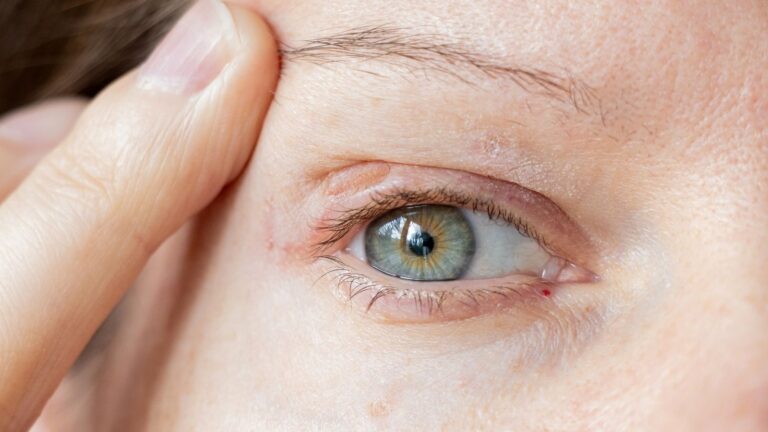
Eye twitching presents as involuntary and generally nonrhythmic contractions of the eyelid muscles. Although it most commonly occurs in the lower eyelid, it can also affect the upper eyelid. The condition is generally mild and may last from a few seconds to several minutes. In most cases, it does not cause pain and is temporary. However, the twitching may become more intense, occur more frequently, or continue for an extended period. In some cases, it may occur with other symptoms such as dry eye, light sensitivity, or eye strain. Persistent and severe twitching may rarely indicate a serious neurological condition such as blepharospasm or hemifacial spasm. If twitching lasts longer than several weeks, becomes more severe, or occurs with other symptoms, an ophthalmologist or neurologist should be consulted for an accurate diagnosis and appropriate treatment.
Diagnosing eye twitching, also known as myokymia, is a careful process intended to identify underlying causes and rule out more serious neurological conditions. It begins with a detailed medical history and physical and neurological examinations and is supported by specialized diagnostic tests when necessary.
Medical History and Symptom Analysis:
- The first step in diagnosis is collecting detailed information about the onset, frequency, duration, and severity of the eye twitching. Doctors ask about triggering factors such as stress, fatigue, caffeine consumption, medication use, and eye strain. Family medical history is also considered to assess genetic predisposition and determine whether other family members have similar symptoms.
Physical and Neurological Examination:
- During the physical examination, the eyes and facial muscles are observed carefully. The type and pattern of twitching are analyzed, and the contractions are differentiated from other movement disorders. During the neurological examination, nerve function, muscle strength, reflexes, and coordination are tested. This evaluation aims to rule out possible disorders involving the central and peripheral nervous systems.
Electromyography, or EMG:
- EMG measures electrical activity in the muscles and plays a critical role in distinguishing myokymia from other muscle contractions. It can detect rhythmic and continuous muscle activity and help identify the source of the twitching.
Laboratory Tests:
- Laboratory tests are used to assess systemic conditions that may cause eye twitching. For example:
- Complete Blood Count, or CBC: Investigates infection or hematological abnormalities.
- Electrolyte Levels: Evaluates imbalances that may affect muscle function.
- Thyroid Function Tests: Investigate the presence of thyroid disease.
- Autoimmune Panels: Detect autoimmune diseases associated with the nervous system.
Neuroimaging:
- Advanced imaging methods such as MRI and CT help visualize structural abnormalities in the brain and nerves. They are particularly preferred when a central nervous system disorder is suspected.
Treatment of eye twitching is individualized according to the severity of symptoms and the underlying causes. Mild and temporary twitching can generally be controlled with lifestyle changes. Reducing stress, getting enough sleep, and limiting caffeine consumption are often sufficient in such cases. However, persistent and severe eye twitching may require advanced treatment methods.
- Botulinum Toxin Injections: Botulinum toxin, or Botox, injections are the primary treatment for patients with persistent blepharospasm. The procedure aims to temporarily stop muscle spasms by injecting small doses of the toxin into the muscles that control the eyelids. The effects generally begin within several days and last for approximately three months. Clinical studies have reported significant improvement in the majority of patients.
- Medication Treatments: Anticholinergic medications or muscle relaxants may be used when there is no response to botulinum toxin. These medications can reduce spasms by regulating neuromuscular communication. However, careful evaluation is necessary because of their possible side effects.
- Stress Management and Psychological Support: Stress is a common trigger for eye twitching. Meditation, cognitive behavioral therapy, and relaxation techniques may help manage stress. Short-term anxiolytic medication may also be prescribed in cases of severe anxiety.
- Surgical Intervention: In advanced cases, surgical procedures may be used to reduce eyelid spasms. These interventions are considered when other treatments are insufficient.
Eye twitching is generally harmless and resolves spontaneously in most people. However, persistent or severe eye twitching may be a symptom of an underlying neurological disorder and can lead to serious complications. Early diagnosis and treatment are important in such cases.
In severe cases of blepharospasm, the eyelids may remain involuntarily closed for prolonged periods. This can cause individuals to temporarily lose functional vision, prevent them from performing daily activities, and significantly reduce their quality of life. If left untreated, it may affect work and social interactions and limit independence.
Untreated blepharospasm may affect other facial muscles and cause more widespread dystonic movements. For example, Meige syndrome involves involuntary movements that also affect the jaw and tongue muscles. These complications may impair essential functions such as speaking, eating, and facial expression.
Chronic eye twitching can negatively affect an individual's social and emotional well-being. Persistent contractions may cause embarrassment and feelings of isolation in social settings. This can trigger mental health problems such as anxiety and depression. Particularly in severe cases, the person's self-confidence may decline, and professional support may be required.
Prolonged and untreated eye twitching may cause permanent changes in the structure of the eyelids. Conditions such as ptosis, or drooping of the eyelid, and abnormal folds may develop. These changes may restrict the visual field and require surgical intervention.
Eye twitching is usually harmless and temporary. However, medical evaluation and treatment may be required when it persists, increases in severity, or negatively affects daily quality of life. Understanding when treatment is necessary is important for identifying the underlying cause and selecting suitable treatment methods.
Treatment should be considered if eye twitching continues for more than several weeks. Persistent and severe contractions may indicate neurological conditions such as blepharospasm or hemifacial spasm. In these cases, botulinum toxin injections can temporarily relax the muscles and relieve symptoms.
Professional help is important if eye twitching interferes with daily activities such as reading, writing, or driving. Conditions such as blepharospasm may particularly affect a person's social life and work performance. Early intervention can help preserve quality of life.
If eye twitching is accompanied by symptoms such as facial muscle contractions, speech difficulties, or movement problems, a serious underlying neurological condition may be suspected. Neurological examination and treatment may be necessary in such cases. Treatments targeting nerve transmission or the immune system may be used for conditions such as Parkinson's disease or multiple sclerosis.
Eye twitching caused by factors such as stress, insufficient sleep, or excessive caffeine consumption may be controlled through lifestyle changes. However, a specialist should be consulted if symptoms persist despite these measures. Chronic cases may be improved with botulinum toxin injections or muscle relaxant treatments.
Treatment for eye twitching may not be suitable in certain circumstances. These contraindications must be evaluated carefully to protect treatment safety and the patient's general health. Treatment options should be individualized according to the patient's medical history and current health status.
- Botulinum Toxin Injections:
This treatment is an effective method for reducing muscle spasms, but it may be inappropriate in certain situations. Botulinum toxin may cause serious side effects in people with neuromuscular disorders such as myasthenia gravis or amyotrophic lateral sclerosis. This treatment must not be administered to patients with a history of allergic reactions to botulinum toxin or its components. An active infection at the injection site increases treatment risks and may interfere with healing. These injections are not recommended during pregnancy or breastfeeding because sufficient safety data are unavailable. Treatment may also be unsuitable for individuals with unrealistic expectations because of its potential effect on patient satisfaction.
- Neurological Muscle Relaxation Therapies:
Neurological therapies can be an effective option for regulating muscle tone. However, these therapies should not be used in individuals with pacemakers or similar electronic devices because of the possibility of device interaction. Patients with epilepsy should avoid this treatment because it may increase the risk of seizures. Neurological therapies are also not recommended for individuals with active cancer because of the risk of stimulating tumor growth. Treatment may cause complications when skin integrity is impaired, such as in the presence of open wounds or severe eczema.
- Stress-Related Medication Treatments or Therapies:
The side effects and contraindications of medications used for stress management must be evaluated carefully. Because benzodiazepines carry a risk of dependence, they are not suitable for patients with a history of substance dependence. These medications are also contraindicated in conditions such as acute angle-closure glaucoma. Beta blockers should not be used in patients with asthma or chronic obstructive pulmonary disease because they may cause bronchospasm. Selective serotonin reuptake inhibitors, or SSRIs, carry a risk of potentially fatal serotonin syndrome when used with monoamine oxidase inhibitors, or MAOIs.
Recovery after treatment for eye twitching varies according to the treatment method and the patient's individual health status. Botulinum toxin injections, neurological muscle relaxation therapies, and stress management are among the main approaches that shape the recovery process.
- Botulinum Toxin Injections:
This method provides an effective treatment option for involuntary muscle contractions such as blepharospasm and hemifacial spasm. Botulinum toxin is injected into the muscles to produce localized muscle relaxation, and its effects are generally felt within the first 72 hours after the procedure. The maximum effect is observed within approximately one to two weeks, while the benefits generally last for about three months. Patients can usually return to daily activities quickly after the procedure. However, rare side effects such as drooping eyelids, dry eyes, or mild facial weakness may occur. These effects are usually temporary and disappear as muscle function returns to normal.
- Neurological Muscle Relaxation Therapies:
Anticholinergic medications and sedatives may be used to relieve muscle spasms. However, the effectiveness of these medications may vary from person to person, and their side effects may include drowsiness, dry mouth, and vision problems. In severe cases, surgery may be an option when other treatments have been unsuccessful.
- Stress Management:
Stress, one of the most common triggers of eye twitching, can be managed effectively through behavioral therapies and pharmacological approaches. A multidisciplinary treatment plan supports both the physical and emotional well-being of patients.
Eye twitching can affect quality of life, but it can often be prevented through simple lifestyle changes. The first step is stress management. Stress can overstimulate the eye muscles. Regular meditation, relaxation exercises such as yoga, and spending time on enjoyable activities may reduce stress levels and twitching.
Adequate sleep is also important. Lack of sleep can cause muscle fatigue and increase the risk of twitching. To improve sleep habits, it is recommended to follow a consistent sleep schedule and create a relaxing environment before bedtime by avoiding screens.
Limiting caffeine intake is another effective way to prevent eye twitching. Excessive caffeine consumption can increase muscle excitability. Reducing caffeine and choosing herbal teas or caffeine-free alternatives can lower this risk.
Following the 20-20-20 rule is highly effective for preventing eye strain caused by prolonged screen use. Focusing on a distant point for 20 seconds every 20 minutes can relax the eye muscles. Taking regular breaks and using appropriate lighting while working at a screen can also reduce eye strain.
Nutrition and fluid intake directly affect eye health. Drinking enough water and following a balanced diet containing minerals such as magnesium and potassium support healthy muscle function. Dry eyes may also cause twitching, so using lubricating eye drops and increasing ambient humidity are important.
Finally, regular eye examinations are recommended. If eye twitching continues for more than several weeks or occurs with other symptoms, a healthcare professional should be consulted.
Which vitamin and mineral deficiencies may be associated with eye twitching?
Eye twitching may be associated with deficiencies in magnesium, potassium, vitamin B12, and vitamin D. These vitamins and minerals regulate nerve and muscle function. Deficiencies may cause involuntary muscle contractions. A healthy diet and supplements when necessary may reduce this risk.
Can eye twitching be caused by allergies?
Yes, eye twitching may result from eye allergies such as allergic conjunctivitis. In this case, the twitching is generally accompanied by redness, itching, and tearing.
How long does eye twitching last?
Eye twitching generally lasts for several seconds or minutes and resolves spontaneously. In some cases, however, it may continue for days or weeks.
How can eye twitching be relieved?
Eye twitching generally resolves spontaneously. Stress management, adequate sleep, reducing caffeine intake, and resting the eyes may relieve symptoms. It is important to consult a doctor if twitching is persistent or severe.
Can eye twitching be a sign of a serious health problem?
Yes, although rare, eye twitching may be a symptom of neurological conditions such as multiple sclerosis or Parkinson's disease. It is therefore important to consult a specialist if twitching persists or occurs with other symptoms.