
Eye infections may be caused by bacteria, viruses, or fungi and can present with redness, pain, discharge, and blurred vision. If left untreated, they may lead to permanent vision problems.
Infections can occur in different forms, including conjunctivitis, keratitis, and blepharitis. Contagious types can spread easily when personal hygiene is inadequate.
Diagnosis involves a clinical examination and laboratory tests when necessary. Early diagnosis prevents the infection from progressing and reduces the risk of complications.
Treatment is determined according to the causative microorganism. Antibiotic, antiviral, or antifungal eye drops may be used. Regular use of medication and adherence to hygiene rules play a critical role in treatment success.
| Possible Causes | – Conjunctivitis, allergic, viral, or bacterial – Keratitis, inflammation of the cornea – Uveitis, inflammation inside the eye – Stye, staphylococcal infection – Blepharitis, inflammation of the eyelid – Endophthalmitis, infection inside the eye – Infections associated with contact lens use – Eye injury or trauma – Weakened immune system, such as HIV/AIDS or diabetes |
|---|---|
| Symptoms | – Eye redness – Tearing or discharge, which may be yellow-green in bacterial infections – Eye pain or discomfort – Blurred vision – Light sensitivity, photophobia – Eye swelling and itching – Pain or tenderness around the eye |
| Risk Factors | – Unhygienic contact lens use – Exposure to allergens or infected individuals – Touching the eyes with dirty hands – Eye trauma – Weakened immune system – Poor hygiene around the eyes |
| Diagnostic Methods | – Examination of the eye and eyelids – Culture of discharge or inflammatory material – Vision test – Intraocular pressure measurement if glaucoma is suspected – Imaging methods when necessary, such as ultrasound or OCT |
| Treatment Methods | – Antibiotic drops or ointments for bacterial infections – Generally supportive treatment for viral infections, such as pain-relieving drops – Antihistamine or corticosteroid drops for allergic causes – Corticosteroid and immunosuppressive treatment for uveitis – Cleaning the eye area, such as washing with warm water – Surgery may be required for advanced infections |
| Prevention | – Washing hands frequently and avoiding touching the eyes – Maintaining hygiene when using contact lenses – Removing eye makeup every night – Avoiding shared towels, makeup products, or other personal items – Wearing sunglasses to protect the eyes from dust, smoke, and allergens |
The historical development of knowledge about eye infections is closely linked to advances in medical science. The Ebers Papyrus, dating to around 1550 BCE and considered one of the earliest written medical texts, provides detailed information about eye diseases. Conditions such as pterygium, cataract, and trichiasis were described during this period, and treatments included herbal mixtures and rituals. In ancient India, the surgeon Sushruta described early techniques and surgical instruments used for cataract surgery in his work, the Sushruta Samhita, which addressed eye diseases in detail.
Ophthalmology became more systematic during the Ancient Greek and Roman periods. The Greek physician Rufus of Ephesus studied eye anatomy and described the conjunctiva in detail. The Roman physician Aulus Cornelius Celsus described the "couching" technique used in cataract surgery. In the second century, Galen corrected important misconceptions about eye anatomy and presented accurate information about the optic nerve and corneal curvature.
Theoretical and practical knowledge of eye diseases advanced significantly during the Islamic Golden Age. In the ninth century, Hunayn ibn Ishaq wrote comprehensive works covering eye anatomy and diseases. In the thirteenth century, Ibn al-Nafis contributed to the understanding of eye infections by advancing experimental ophthalmology. During this period, theoretical knowledge was combined with surgical practice to develop scientific methods.
Ophthalmology continued to develop in medieval Europe. In the sixteenth century, Georg Bartisch wrote detailed works about eye diseases. This period, regarded as the beginning of modern ophthalmology, was followed by the establishment of Moorfields Eye Hospital in London in 1805.
The invention of the ophthalmoscope in the nineteenth century and the discovery of antibiotics in the twentieth century revolutionized the diagnosis and treatment of eye infections. These advances formed the foundations of modern ophthalmology and made a major contribution to protecting eye health.
The causes of eye infections are generally classified according to the type of pathogen responsible, and each may be associated with different risk factors. Bacterial infections are caused by common bacteria such as Staphylococcus aureus and Streptococcus pneumoniae. These bacteria can cause conditions such as conjunctivitis and keratitis. Contact lens use, eye trauma, and a weakened immune system are particularly important risk factors for bacterial infections.
Viral causes are associated with highly contagious microorganisms such as adenoviruses. Adenovirus is a leading cause of viral conjunctivitis. The herpes simplex virus, or HSV, can also cause corneal inflammation and potentially lead to vision loss. Varicella-zoster, a form of the chickenpox virus, can cause a serious infection known as herpes zoster ophthalmicus.
Fungal infections are associated with species such as Fusarium and Aspergillus. These infections generally occur in tropical regions and may be triggered by injuries involving plant material or contact lens use. Fungal infections can cause severe corneal damage.
Parasitic infections are rare but can have serious consequences. Acanthamoeba keratitis poses a risk to contact lens users, while infections such as toxoplasmosis may affect the retina and choroid.
Poor hygiene, contaminated water, and improper contact lens care are environmental factors that increase the risk of infection. Using eye makeup under unhygienic conditions may also create an environment that facilitates infections.
The prevalence of eye infections varies significantly according to the type of infection, geographic location, and demographic factors. Bacterial infections, particularly conditions such as blepharitis and conjunctivitis, are common causes of eye disease worldwide. Staphylococcus aureus, Streptococcus pneumoniae, and Pseudomonas aeruginosa are among the main causative organisms. Pathogens such as Haemophilus influenzae may also be involved in certain regions. These infections can generally be controlled with antibiotic treatment, but treatment must be started promptly.
Uveitis is a more serious condition that generally occurs in adults but may also affect children. Studies indicate that specific microorganisms are responsible for approximately 24% of cases in which uveitis has an infectious cause. The annual incidence of uveitis and associated scleritis in the United States has been reported as 19.1 per 100,000 people. Risk factors include increasing age, female sex, and certain medical conditions.
Trachoma remains a widespread public health problem, particularly in regions lacking clean water and adequate sanitation. It is still endemic in 42 countries worldwide and is a leading cause of blindness, particularly in Africa. Women are reported to be three times more at risk than men because of their caregiving roles.
Acanthamoeba keratitis is a rare but serious infection that occurs particularly among contact lens users. In a study conducted in Austria, 89% of cases were identified in contact lens users.
Eye infections are characterized by pathogens colonizing and multiplying in ocular tissues and by the immune system's response to this threat. Each type of infection follows a different pathogenic process depending on the characteristics of the pathogen and the eye's defense mechanisms.
In bacterial infections, bacteria generally attach to the ocular surface through adhesion proteins known as adhesins. This attachment creates conditions for the formation of biofilms, which protect bacteria from the immune system. Bacteria such as Staphylococcus aureus and Pseudomonas aeruginosa cause tissue damage by releasing proteases and toxins into the cornea. The immune system responds through the migration of neutrophils to the infected area and the release of inflammatory cytokines. Symptoms such as redness, pain, and discharge are direct results of this inflammatory response.
Viral infections begin when a pathogen attaches to cells on the surface of the conjunctiva or cornea. The herpes simplex virus, or HSV, enters cells and uses the host cell's genetic material to produce new viral particles. This process causes cells to rupture and new viruses to spread into surrounding tissues. Certain viruses, particularly HSV, can establish latent infections and become reactivated during periods of stress or weakened immunity.
In fungal infections, filamentous fungi generally colonize the cornea after trauma or contact lens use. Fungal spores produce enzymes such as proteases and collagenases and invade stromal tissue. As the immune system responds, neutrophils and macrophages migrate to the infected area. However, while reactive oxygen species and enzymes attempt to destroy the fungus, they may also increase tissue damage.
In parasitic infections, parasites such as Acanthamoeba release proteases that allow them to cross the corneal epithelial barrier. These parasites may transform into cysts and become resistant to treatment. Intense inflammation and the accumulation of immune cells in infected tissues can cause serious damage to the corneal structure.
Although each type of infection has its own characteristic presentation, symptoms such as redness, pain, visual impairment, and discharge are generally common. Recognizing these symptoms is extremely important for early diagnosis and effective treatment.
- Conjunctivitis, or Pink Eye:
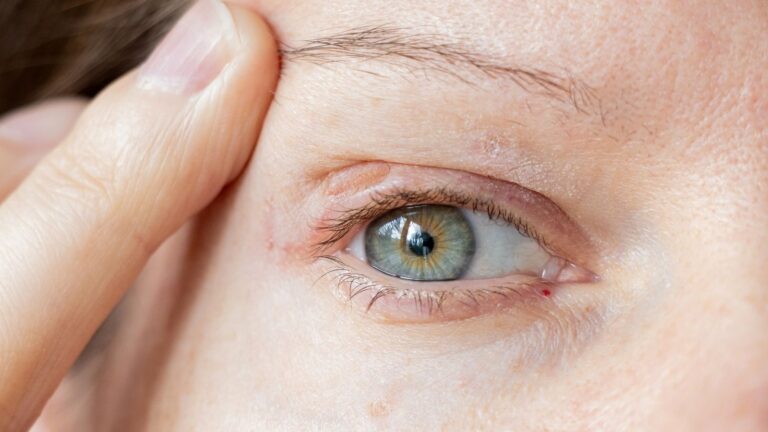
Conjunctivitis develops when the conjunctival membrane becomes inflamed. Redness, itching, a gritty sensation, discharge, and crusting are typical. Bacterial conjunctivitis causes mucopurulent, thick discharge, while viral forms cause watery discharge and may be accompanied by systemic symptoms such as pharyngitis and lymphadenopathy, or swollen lymph nodes.
- Keratitis:
Keratitis is inflammation of the cornea and is a serious type of infection. Symptoms include severe pain, redness, blurred vision, light sensitivity, and excessive tearing. Keratitis caused by the herpes simplex virus may affect the cornea in branching patterns.
- Blepharitis:
Blepharitis is characterized by redness, itching, and a burning sensation in the eyelids. Crusting at the base of the eyelashes and a foreign body sensation are common. Skin conditions such as seborrheic dermatitis or bacterial infections may cause this condition.
- Uveitis:
Uveitis is inflammation of the vascular layer of the eye. Prominent symptoms include eye pain, redness, blurred vision, and photophobia. Intermediate and posterior uveitis may be painless but can cause vision loss.
- Endophthalmitis:
Endophthalmitis is a severe infection affecting the tissues inside the eye. Severe pain, vision loss, and hypopyon, an accumulation of inflammatory material in the anterior chamber, are signs of this condition, which requires emergency treatment.
- Adenoviral Keratoconjunctivitis:
Adenoviral keratoconjunctivitis presents with sudden redness, watery discharge, a foreign body sensation, and lymphadenopathy. In severe cases, permanent visual impairment may occur because of corneal scarring.
- Fungal and Parasitic Infections:
Symptoms such as vision loss, redness, pain, and discomfort are common. Early diagnosis is critical for preventing complications.
Diagnosing eye infections requires a multifaceted approach to identify the cause and extent of the disease accurately. This process includes a detailed medical history, clinical examination, laboratory tests, and advanced imaging methods when necessary.
Patient History and Clinical Examination
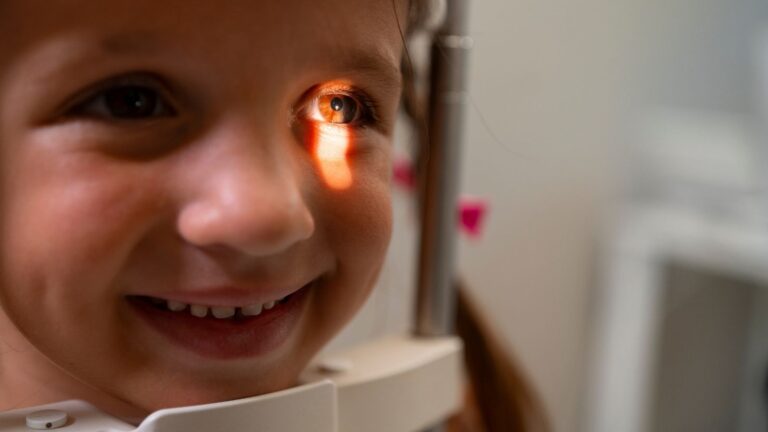
- The diagnostic process begins with a detailed assessment of the patient's symptoms. Redness, pain, light sensitivity, visual impairment, and discharge are carefully evaluated. Risk factors such as the use of glasses, eye injuries, systemic diseases, and possible exposure to infection are also analyzed. A clinical examination is then performed to evaluate the external ocular structures, conjunctiva, cornea, eyelids, and internal structures of the eye in detail. Slit-lamp biomicroscopy is commonly used for this purpose and allows detailed evaluation of ocular structures.
Laboratory Tests and Microbiological Analysis:
- Microbiological sampling is critical for determining the exact cause of the infection. Conjunctival swabs, corneal scrapings, or intraocular fluid samples are collected for analysis.
- Gram and Giemsa staining: Provides rapid information about the type of microorganism.
- Culture methods: Growing samples in specialized media helps identify the pathogen and assess its antibiotic sensitivity.
- PCR, or Polymerase Chain Reaction: Detects even low levels of pathogens in viral or atypical bacterial infections.
Advanced Imaging Techniques:
- Advanced diagnostic tools help determine the extent of the infection and identify rare organisms.
- Multiplex PCR and Next-Generation Sequencing, or NGS: Enable the simultaneous identification of multiple pathogens.
- Confocal Microscopy: Provides detailed visualization of the corneal structure.
- AS-OCT: Evaluates the depth of the infection and the response to treatment.
How Is an Eye Infection Treated?
Treatment of eye infections varies according to the type and severity of the infection and the causative microorganism. Early diagnosis and appropriate treatment are critical for preventing progression and protecting eye health. Treatment methods generally include antimicrobial medications, management of disorders affecting the tear drainage system, and surgery in some cases.
- Antibiotic and Antiviral Treatment:
Bacterial eye infections are generally treated with antibiotics. In cases of bacterial conjunctivitis, topical antibiotic eye drops, gels, or ointments are used. Antibiotics such as sulfacetamide, erythromycin, and tobramycin are commonly prescribed. Systemic antibiotics may be required in more serious cases. The choice of antibiotic is determined according to the type of bacteria causing the infection and the severity of the infection.
Viral infections are treated with antiviral medications. Antiviral eye drops such as trifluridine are used for infections caused by the herpes simplex virus, while oral antiviral medications such as acyclovir or valacyclovir may be prescribed in more serious cases. Treatment duration varies according to the severity of the infection and the response to treatment.
- Management of Tear Drainage System Disorders:
Disorders of the tear drainage system associated with eye infections, such as dacryocystitis, require prompt intervention. Warm compresses are initially used to relieve symptoms, and antibiotic treatment is administered. Oral antibiotics such as cephalexin or amoxicillin-clavulanate are used for acute infections. Surgical procedures such as dacryocystorhinostomy may be required in cases that do not respond to treatment or become chronic. This procedure restores tear drainage and prevents recurrent infections.
- Surgical Interventions:
Conditions such as pterygium, which can produce growths that affect vision or cause cosmetic concerns, are treated surgically. Pterygium surgery involves removing the growth and placing an autograft. Topical corticosteroids are used after surgery to control inflammation and support healing.
If eye infections are not treated promptly, they can lead to complications that seriously threaten eye health and reduce quality of life. These complications vary according to the type and severity of the infection and the individual's general health.
- Corneal Scarring and Vision Loss: Infections such as keratitis may cause ulcers in the corneal tissue and lead to permanent scarring. This can cause visual impairment, and corneal transplantation may be required in severe cases.
- Endophthalmitis: Untreated eye infections may spread to the internal structures of the eye and cause severe inflammation known as endophthalmitis. If not treated promptly, endophthalmitis may result in permanent vision loss.
- Orbital Cellulitis: Infections that spread to the tissues surrounding the eye may cause orbital cellulitis. Orbital cellulitis may result in life-threatening conditions such as meningitis, cavernous sinus thrombosis, and brain abscess.
- Blindness: Chronic infections such as trachoma may cause scarring on the inner surface of the eyelid and cause the eyelashes to damage the cornea, resulting in blindness. This is particularly common in regions where access to adequate treatment is difficult.
- Systemic Spread: Some eye infections may spread beyond the eye to other parts of the body. For example, untreated ocular syphilis may affect the central nervous system and lead to serious complications such as neurosyphilis.
The timing of treatment is critical for preventing an infection from causing complications. Early diagnosis and appropriate intervention are therefore essential for preventing vision loss and other serious complications.
- Acute Infections:
Treatment must be started promptly in acute bacterial infections. Common conditions such as bacterial conjunctivitis can generally be controlled successfully with 7 to 10 days of topical antibiotic treatment. More serious bacterial infections, including keratitis and endophthalmitis, require more intensive treatment because they may threaten vision. In cases of endophthalmitis, intravitreal antibiotic injections and surgical interventions when necessary must be performed without delay to control the infection.
- Viral Infections:
When viral infections are caused by the herpes simplex virus or varicella-zoster virus, the timing of treatment affects the severity and progression of the infection. Early antiviral treatment in conditions such as herpetic keratitis may prevent corneal scarring and vision loss. A more intensive treatment plan may be required for systemic viral infections.
- Chronic or Recurrent Infections:
Infections of the tear drainage system may recur and become chronic. Although systemic antibiotics are generally sufficient in cases of acute dacryocystitis, timely planning of surgical procedures is important in recurrent cases. Procedures such as dacryocystorhinostomy may effectively eliminate the underlying cause of the infection.
- Pterygium and Benign Lesions:
Although conditions such as pterygium are not directly associated with infection, surgical intervention may be required when inflammation or visual discomfort occurs. Surgery should be planned promptly, particularly if the lesion tends to grow or affects the central cornea.
In some circumstances, treatment methods may carry specific risks or may not be suitable. Correctly identifying these contraindications is critical for both patient safety and treatment success.
- Allergic Reactions and Medication Sensitivity:
The use of medications such as antibiotics or antivirals may cause serious complications in patients with known allergies to these drugs. Sulfonamide-containing eye drops, for example, may cause life-threatening reactions such as Stevens-Johnson syndrome in people who are sensitive to this medication group. The patient's allergy history must therefore be evaluated carefully before treatment.
- Active Infections:
Existing infections around the eye or within the lacrimal system may make surgery contraindicated. If a patient scheduled for treatment of nasolacrimal duct obstruction has an active infection, surgical procedures should be postponed until the infection has been controlled.
- Systemic Health Problems:
Uncontrolled systemic conditions such as diabetes, hypertension, or autoimmune diseases may increase the risk of infection and adversely affect postoperative healing. Treatment should not be planned until these conditions have been stabilized.
- Previous Surgical History and Anatomical Changes:
The ocular anatomy of patients who have undergone multiple eye operations may not be suitable for further surgery. Particularly in pterygium surgery, the presence of an extensive or complex pterygium may make standard surgical methods insufficient.
- Drug Interactions and Special Conditions:
Certain medications may interact with existing treatments and increase side effects. Some antibiotics, for example, carry a risk of hemolytic crisis in patients with glucose-6-phosphate dehydrogenase deficiency.
The recovery process aims to control the infection, restore eye function, and prevent complications.
Antibiotic-containing drops or ointments are generally prescribed for bacterial eye infections. Patients must follow the prescribed dosage schedule exactly for treatment to be effective. Stopping treatment prematurely may cause the infection to recur or lead to antibiotic resistance. Antiviral medications are used for viral infections, particularly in conditions such as herpes keratitis. Medications such as acyclovir control the spread of infection while preventing corneal damage. Side effects such as allergic reactions or irritation in the eye should be monitored during treatment and reported to a healthcare professional.
Disorders affecting the tear system, such as dry eye syndrome, may frequently occur after eye infections. Artificial tears, anti-inflammatory medications, and punctal plugs when necessary support ocular surface health. Protection from environmental factors, such as using humidifiers and avoiding smoke or wind that may dry the eyes, accelerates recovery. Maintaining eyelid hygiene reduces the risk of recurrent infection.
Recovery after pterygium surgery requires careful attention to reduce the risk of infection and protect eye health. Antibiotic and anti-inflammatory eye drops are used after surgery. Protection from irritating factors such as dust and sunlight is important. Patients should avoid rubbing their eyes and engaging in strenuous activities. Regular follow-up visits allow the surgeon to evaluate the healing process.
Preventing eye infections requires a comprehensive approach involving personal hygiene habits, environmental measures, and appropriate practices for specific circumstances. The first step is careful adherence to hygiene rules. Regularly washing the hands with soap and water reduces the risk of transmitting microorganisms that cause eye infections. Avoiding touching or rubbing the eyes prevents infectious agents from reaching them. Personal items such as towels, eye drops, and cosmetics should not be shared, as this may prevent infections from spreading.
Contact lens users require specific hygiene measures. Lenses must be cleaned properly, recommended wearing times must be followed, and lenses should be removed before activities involving water. Wearing contact lenses while showering or swimming, for example, may create a risk of exposure to microorganisms such as Acanthamoeba, which can cause serious infections.
Clean products and tools should be used to reduce the risk of infection when applying makeup. Makeup should be applied in a clean environment, completely removed before bedtime, and makeup brushes cleaned regularly. Makeup products should also be reserved for personal use, and their expiration dates should be observed.
Maintaining environmental hygiene is another critical preventive measure. Particularly in regions with limited access to clean water, providing adequate sanitation and encouraging facial hygiene practices may prevent the spread of infections such as trachoma.
Strict infection control protocols must be followed in healthcare facilities to prevent eye infections from spreading. The use of sterile equipment, careful hand hygiene, and implementation of infection control programs increase patient safety.
Which new methods are recommended for preventing eye infections?
In addition to hygiene, contact lens users should clean their lenses carefully and replace them at the recommended intervals to help prevent eye infections.
Are eye infections more common in children?
Yes. Children are more susceptible to eye infections because they may not follow hygiene rules fully and their immune systems are not completely developed.
Can eye infections be confused with allergic reactions?
Yes. Eye infections and allergic reactions can cause similar symptoms, so consulting an ophthalmologist is important for an accurate diagnosis.
Can eye infections be a sign of systemic diseases?
Yes. Some eye infections may be a sign of an underlying systemic disease, so a comprehensive evaluation may be necessary.
Do eye infections increase seasonally?
Yes. Certain eye infections, particularly allergic conjunctivitis, occur more frequently during spring as pollen levels increase.
Can eye infections be transmitted by pets?
Yes. Some eye infections can be transmitted from pets to humans, so maintaining proper hygiene is important.
Can eye infections become chronic?
Yes. Eye infections that are untreated or inadequately treated may become chronic and recur.
Is contact lens use recommended during an eye infection?
No. Wearing contact lenses during an eye infection may worsen the infection, so contact lens use should be suspended.
Can eye infections cause vision loss?
Yes. Corneal infections, in particular, may cause permanent vision loss if left untreated.
Is it harmful to wear makeup during an eye infection?
Yes. Wearing makeup during an infection may cause it to spread and should therefore be avoided.
Are eye infections more common in people with weakened immune systems?
Yes. People with weakened immune systems are more susceptible to eye infections, and these infections may follow a more severe course.