Contents:
Conjunctivitis is inflammation of the membrane covering the white part of the eye and the inside of the eyelids. It causes redness, watering, itching, and burning. Infections, allergies, and irritants are among the most common causes.
Viral conjunctivitis is common, particularly because it spreads rapidly. Symptoms include watering, burning, and stinging. Following hygiene rules and receiving appropriate treatment are important for preventing the disease from spreading.
Allergic conjunctivitis occurs alongside seasonal allergies. Itching, swelling of the eyes, and watering are typical findings. Antihistamine drops and avoiding allergens are effective in controlling this type of conjunctivitis.
Bacterial conjunctivitis is characterized by yellow-green discharge and pronounced redness. Appropriate antibiotic treatment provides rapid improvement. Corneal damage may develop if it is left untreated, so early intervention is critically important.
| Medical Name | Conjunctivitis |
|---|---|
| Prevalence | Common and may occur at any age. Contagious forms are frequently seen in shared living environments |
| Risk Factors | Contact with viruses or bacteria, allergens, contact lens use, swimming pool water, dirty hands |
| Symptoms | Redness, watering, discharge, itching, stinging sensation, sensitivity to light |
| Complications | Corneal involvement (keratitis), reduced vision, chronic disease, particularly in the allergic type |
| Diagnostic Methods | Clinical examination and, when necessary, microbiological analysis of a conjunctival swab |
| Treatment Options | Viral: supportive care. Bacterial: antibiotic drops. Allergic: antihistamine drops and cold compresses |
| Reasons for Surgery | None. However, advanced procedures may be required if complications develop |
| Prevention Methods | Hand hygiene, not sharing towels or cosmetics, careful contact lens hygiene, avoiding allergens |
What Is Conjunctivitis (Pink Eye)?
Conjunctivitis is inflammation of the conjunctiva, the layer covering the white part of the eye and the inner surface of the eyelids. It generally develops because of an infection, either viral or bacterial, an allergy, or exposure to irritants. It causes symptoms such as red eyes, watering, itching, burning, and discharge. Contagious types may spread easily. Treatment is arranged according to the underlying cause and may involve antibiotics, antihistamine drops, or supportive methods.
What Are the Most Common Symptoms of Conjunctivitis?
If you have ever woken up and felt that your eyelids were stuck together or looked in the mirror and noticed that your eye appeared redder than usual, conjunctivitis may be a possibility. Symptoms vary according to the cause, but several complaints are frequently encountered:
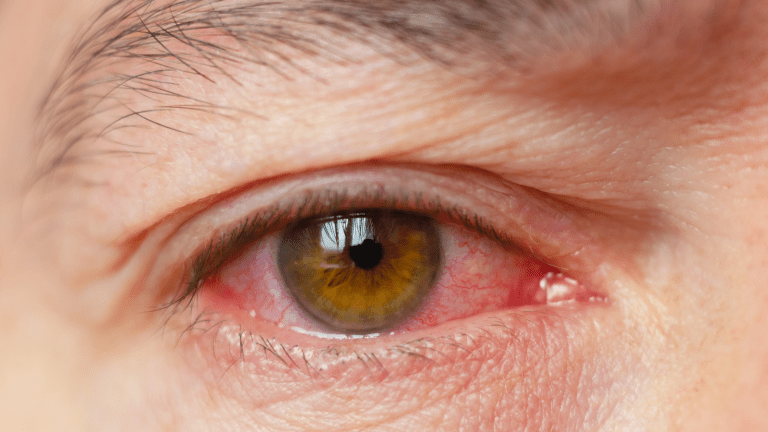
Red or Pink Eye: Inflammation of the conjunctiva produces noticeable redness in the eye. This redness results from dilation of the blood vessels and may be mild or very pronounced.
Watery Eyes and Discharge: Viral conjunctivitis generally causes watery and transparent discharge. Bacterial conjunctivitis produces yellow or green discharge that may sometimes be sticky. Allergic conjunctivitis generally causes clearer, mucus-like discharge.
Itching and Burning: Itching is reported particularly frequently in allergic conjunctivitis. A stinging or burning sensation may also indicate irritation of the eye's surface.
Stinging, Irritation, or a Foreign-Body Sensation: An uncomfortable sensation similar to having an eyelash trapped under the eyelid is common in viral or bacterial conjunctivitis.
Sensitivity to Light (Photophobia): Sensitivity to light may occur with viral or allergic conjunctivitis. The eyes become more sensitive to bright light, increasing watering and discomfort.
Swollen Eyelids: In some patients, the eyelids become swollen because of edema. This may be noticeable in both bacterial and allergic conjunctivitis.
Blurred Vision: Although not very common, temporary blurred vision may occur because of heavy discharge or inflammation in the eye. The visual problem is generally temporary. However, persistent or severe blurring must be assessed immediately.
Eyelids Sticking Together in the Morning: One of the most typical symptoms of bacterial conjunctivitis is sticky discharge that makes it difficult to open the eyes in the morning. Dried discharge may cause the eyelids to stick together.
Is Conjunctivitis Caused by Viruses, Bacteria, or Allergies?
Conjunctivitis can be regarded as an "umbrella" term covering conditions with similar symptoms triggered by different causes. There are three primary sources:
Viral Conjunctivitis: This is the most common type of conjunctivitis. Adenoviruses are the leading cause, but other viruses such as herpes simplex and varicella-zoster may also be responsible. Viral conjunctivitis generally resolves on its own and causes watery discharge that is not particularly sticky. It is highly contagious and may spread rapidly in shared environments such as schools, nurseries, and offices, causing small outbreaks.
Bacterial Conjunctivitis: This form is generally caused by bacteria such as Staphylococcus aureus, Streptococcus pneumoniae, or Haemophilus influenzae. Particularly in children, inadequate eye hygiene and infrequent handwashing make bacterial conjunctivitis more likely. Yellow-green purulent discharge and crusting that causes the eyelashes to stick together in the morning are among its most characteristic symptoms. If left untreated, it may cause problems that progress to infection of the cornea.
Allergic Conjunctivitis: This type is an excessive sensitivity response by the body to pollen, house dust mites, animal dander, or various chemicals. Contact with an allergen causes marked itching, watering, and redness of the eyes. Allergic conjunctivitis generally affects both eyes simultaneously and is not contagious. Many patients report intense eye itching, particularly during spring when pollen levels increase.
All three causes may trigger conjunctivitis, but their clinical presentations and treatment approaches differ. Mild redness or watery discharge beginning in the eye may sometimes be described as a cold "affecting the eye." This may actually indicate viral conjunctivitis. Similarly, intense itching and watering during seasonal transitions or after spending an extended period in a dusty environment are typical of allergic conjunctivitis.
How Does Conjunctivitis Affect One or Both Eyes?
Conjunctivitis is known to begin in one eye, but it may spread to the other in many cases. This happens when discharge or microorganisms from the eye are transferred by the hands, towels, or pillowcases. However, each type of conjunctivitis has its own pattern of spread:
Bacterial Conjunctivitis: This frequently begins in one eye with heavy yellow-green discharge and crusting. If the person rubs the eye and does not wash their hands properly, or if microorganisms remain on shared items such as towels or pillows, the other eye may also become affected. Over time, both eyes may become equally red and covered with discharge.
Viral Conjunctivitis: This generally begins with redness and watering in one eye and spreads to the other within a few days. Because viruses are highly contagious, viral particles in tears and secretions can easily spread to the second eye or to other people.
Allergic Conjunctivitis: This type generally affects both eyes simultaneously. The reason is simple. The triggering allergen, such as pollen, is suspended in the air and reaches both eyes at the same time. However, if a person faces directly into the wind, one eye may be exposed to more pollen and experience more intense symptoms.
Whether the condition affects one or both eyes is important for diagnosis. If you wake up with purulent discharge in one eye while the other remains clear, this may suggest bacterial conjunctivitis. Intense itching that suddenly begins in both eyes is much more likely to indicate an allergic process. Nevertheless, the type and pattern of spread alone may not be sufficient for a definitive diagnosis. In uncertain cases, consulting an ophthalmologist and beginning the appropriate treatment is the best approach.
Can Conjunctivitis Cause Vision Problems or Permanent Damage?
Conjunctivitis generally causes mild and temporary discomfort. However, because the eye is a sensitive organ, caution is required in certain situations. Particularly prolonged or severe inflammation may involve a risk of complications:
Temporary Blurred Vision: Heavy discharge or excessive tear secretion may cover the corneal surface and prevent light from passing through clearly. This produces temporary blurring, similar to looking through cloudy glass. The effect generally resolves as the conjunctivitis improves.
Corneal Inflammation (Keratitis): Certain aggressive bacteria or viruses may affect not only the conjunctiva but also the cornea. Microorganisms such as herpes simplex or gonococcus may rapidly involve the cornea and cause a serious condition. If the damage reaches the deeper corneal layers, it may leave a permanent scar and cause lasting vision loss.
Vernal Keratoconjunctivitis (VKC): This is a chronic form of conjunctivitis associated with allergies. It is generally more common in young males. It may affect vision over the long term by causing corneal wounds, tissue thickening, or even the development of blood vessels.
Damage Caused by Chronic Eye Irritation and Rubbing: Itching may become unbearable in allergic conjunctivitis, and constantly rubbing the eyes can damage the corneal tissue. Problems such as corneal thinning, astigmatism, or keratoconus may develop over time.
Severe Disease in Newborns (Ophthalmia Neonatorum): Infections caused particularly by bacteria such as Neisseria gonorrhoeae may cause rapidly progressive inflammation in newborns that threatens the cornea. Permanent vision loss may occur if the condition is not treated.
How Is Bacterial Conjunctivitis Treated?
The first treatments that come to mind for bacterial conjunctivitis are antibiotic drops and ointments. These medications are used to suppress the infection caused by bacteria and relieve symptoms quickly. Several points require attention:
Selecting the Correct Antibiotic: Physicians generally recommend broad-spectrum antibiotics such as tobramycin, moxifloxacin, chloramphenicol, or trimethoprim/polymyxin B. If a particular bacterium such as gonococcus is suspected, a different treatment protocol may be required. In uncertain cases, an eye culture may be obtained to identify the microorganism.
Regular Use for the Appropriate Duration: Antibiotic drops are generally applied 4-5 times a day for 5-7 days. The frequency and duration may vary according to the physician's recommendation. If an ointment is used, applying it before bedtime is preferred because it remains in contact with the eye for longer.
Hygiene Measures: Because bacterial conjunctivitis is contagious, it is important not to touch the eyes without washing the hands, to use separate towels whenever possible, and to change pillowcases frequently. Boiled and cooled water or sterile wipes may be used to clean discharge and crusting.
Warm Compresses: Applying a warm compress to the eyelids helps soften and remove discharge. Washing the compress after each use or using disposable cloths also reduces the risk of transmission.
Additional Measures: Frequent cleaning is recommended when there is excessive discharge or severe crusting. Contact lens users should remove their lenses and disinfect the lens case. Temporarily discontinuing contact lens use may also accelerate recovery.
How Is Viral Conjunctivitis Managed?
Viral conjunctivitis, particularly the form caused by adenoviruses, is highly contagious and may occur as outbreaks in shared environments. Treatment generally relies on supportive approaches because there is no specific medication for many viruses. The most common practices include:
Cold Compresses and Artificial Tears: Cold compresses may relieve burning and stinging caused by viral conjunctivitis. Artificial tear drops relieve dryness on the eye's surface, reduce discomfort, and keep the eye moisturized.
Hygiene and Isolation Measures: Viral conjunctivitis spreads very easily, so hand hygiene is extremely important. After touching the eye, the hands should be washed with soap for at least 20 seconds. Towels and cosmetics should not be shared. If possible, the patient should rest at home for several days and avoid close contact.
Topical Corticosteroid Drops: In certain severe cases, such as when the cornea is also involved, drops containing corticosteroids may be prescribed to suppress intense inflammation. However, they must be administered under a physician's supervision because they may increase the replication of certain viruses, raise intraocular pressure, or cause other complications.
Antiviral Medications in Specific Cases: Antiviral treatments such as acyclovir or ganciclovir are used for conditions such as conjunctivitis or keratoconjunctivitis caused by the herpes simplex virus. However, they are used only for specific causes such as herpes viruses, not for every type of viral conjunctivitis.
Being Patient: Viral conjunctivitis may sometimes last for 2-3 weeks or longer. Symptoms subside over time, but redness and discomfort may persist depending on their initial severity. Drinking plenty of fluids, resting, and maintaining personal hygiene support recovery.
How Can Allergic Conjunctivitis Be Prevented or Controlled?
Allergic conjunctivitis is caused by an excessive immune response and may affect the eyes seasonally or continuously. Exposure to substances such as pollen, animal dander, and house dust mites causes intense itching, watering, and redness. Although this type of conjunctivitis is not contagious, it can reduce daily quality of life. Methods for preventing or controlling allergic conjunctivitis include:
Avoiding Allergens:
- Keeping windows closed when pollen levels increase during spring and wearing glasses or sunglasses outdoors.
- Cleaning regularly and using vacuum cleaners with suitable filters to reduce house dust mites.
- Limiting close contact with pets or cleaning more frequently if there is sensitivity to animal dander.
Topical Antihistamine Drops and Mast Cell Stabilizers: Prescription or over-the-counter drops may be used to reduce histamine release in the eyes and control inflammation. Antihistamine drops provide rapid relief, while mast cell stabilizers have a preventive effect when used regularly.
Cold Compresses and Artificial Tears: Cold compresses may relieve itching and burning. Artificial tears help remove allergen particles from the eyes and reduce symptoms.
Avoiding Eye Rubbing: Itching may become so severe in allergic conjunctivitis that rubbing the eyes becomes almost reflexive. Constant rubbing may irritate the corneal surface and increase inflammation. It is healthier to relieve the symptoms with drops or compresses.
Allergen Immunotherapy: Allergen immunotherapy may be considered in certain patients, particularly those with severe allergic symptoms lasting for many years. The aim is to reduce the sensitivity of the immune system by administering gradually increasing doses of the allergen.
Controlling Other Allergic Diseases: Controlling other allergic conditions such as asthma or allergic rhinitis may also relieve eye symptoms. All these processes are interconnected, and eye symptoms may continue if systemic control is not achieved.
How Long Does Conjunctivitis Last If Left Untreated?
The time required for conjunctivitis to resolve on its own varies according to the type of disease and the person's immune status:
Viral Conjunctivitis: This generally resolves completely within 1-3 weeks. Symptoms may be severe during the first few days and then gradually begin to subside. Adequate rest, hygiene, and supportive care may shorten this period.
Bacterial Conjunctivitis: Mild cases may resolve spontaneously within 1-2 weeks. Without antibiotic treatment, however, this period may be prolonged and the disease may become more severe. Bacteria may also spread to deeper tissues and cause corneal infections, making treatment more difficult.
Allergic Conjunctivitis: Symptoms continue for as long as contact with the triggering allergen persists. Seasonal allergic conjunctivitis may therefore continue until the pollen season ends. With allergies to house dust or animal dander, continuous exposure to the allergen may cause the symptoms to become chronic.
Chronic Conjunctivitis: Certain causes, such as chlamydia infection or prolonged irritation, may cause conjunctivitis to last longer than four weeks. The underlying cause must be identified and eliminated. Otherwise, symptoms may continue in cycles of flare-ups and remission.