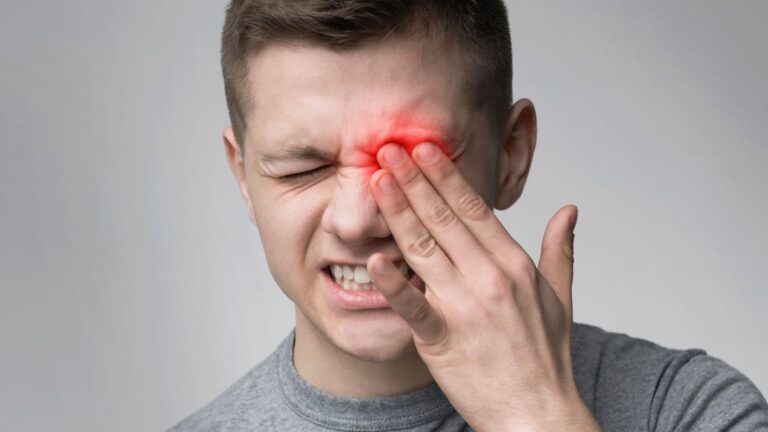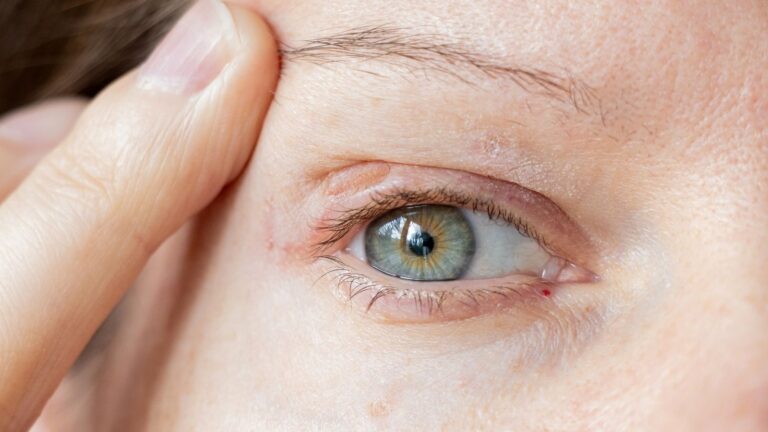
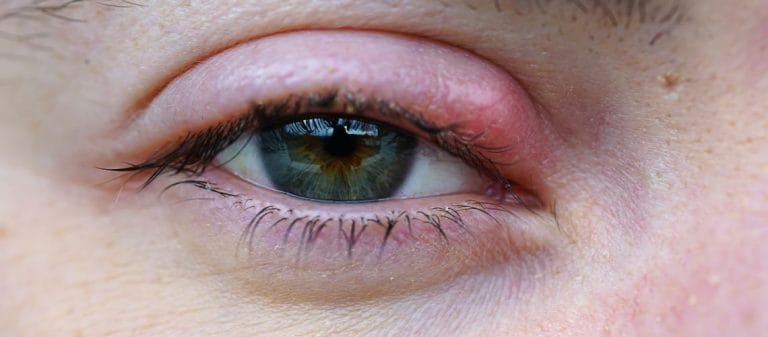
A stye is a red, painful swelling caused by inflammation of the oil glands in the eyelid. It is generally caused by a bacterial infection and develops quickly.
Symptoms include redness, tenderness, stinging, and watery eyes. The eyelid may sometimes swell and make vision difficult.
Warm compresses and antibiotic eye drops may be used for treatment. Most cases heal spontaneously within a few days.
Recurring styes may be associated with eyelid hygiene and underlying conditions such as blepharitis. Regular care and follow-up are recommended.
| Possible Causes | • Infection of the eyelid oil glands by staphylococcal bacteria • Inadequate eyelid hygiene • Blockage of the oil glands, known as the meibomian glands • Weakened immune system • Chronic eyelid inflammation, known as blepharitis |
|---|---|
| Symptoms | • A painful, red, swollen nodule on the eyelid • Inflammation and accumulation of pus • Eyelid tenderness • Stinging sensation in the eye • Itching around the eye • Rarely blurred vision |
| Risk Factors | • Inadequate eye hygiene • Touching the eyes with dirty hands • Failure to follow hygiene rules when using contact lenses • Oily skin or acne problems • Chronic blepharitis • Weakened immune system |
| Diagnostic Methods | • Clinical examination, including assessment of the eyelid and nodule • Collection of a culture from the inflamed area if necessary |
| Treatment Methods | • Warm compresses 3-4 times a day for 10-15 minutes • Antibiotic eye drops or ointment • Drainage by a doctor in advanced cases • Treatment of the underlying cause, such as blepharitis |
| Prevention | • Washing hands frequently and avoiding touching the eyes • Removing eye makeup every night • Maintaining hygiene when using contact lenses • Applying warm compresses regularly for preventive purposes • Using specialized products for eyelid cleansing, such as eyelid shampoos |
An eye stye, or hordeolum, is a painful swelling caused by a bacterial infection and inflammation of the oil glands in the eyelid. It generally develops at the base of the eyelashes and appears as a red, tender nodule. A stye is most commonly caused by the bacterium Staphylococcus aureus. It may heal spontaneously, but warm compresses and hygiene measures can accelerate recovery. Antibiotic treatment may rarely be required.
The primary cause of a stye is blockage of the oil glands in the eyelid accompanied by a bacterial infection. Staphylococcus aureus is most commonly responsible for this infection. When the oil glands become blocked, secretions accumulate in the area and create a suitable environment for bacterial growth, increasing the risk of infection.
- Poor Eyelid Hygiene:
Failure to clean the eyelids regularly may cause dirt, makeup residue, and dead skin to accumulate and block the oil glands. This creates an ideal environment for bacterial growth.
- Blepharitis:
Chronic inflammation of the eyelid margins may impair gland function and increase the risk of infection. Blepharitis commonly creates conditions that encourage stye formation.
- Meibomian Gland Dysfunction (MGD):
Thickening of secretions from the meibomian glands and blockage of their ducts are important factors, particularly in the development of an internal stye.
- Contact Lens Use:
Contact lenses used without proper hygiene may transfer bacteria to the eyelids and increase the risk of infection.
- Dirty or Old Makeup Products:
Failure to clean makeup products properly or using expired products may lead to bacterial infections.
- Skin Conditions and Systemic Factors:
Skin conditions such as rosacea and seborrheic dermatitis, as well as health conditions such as diabetes that weaken the immune system, may increase the risk of infection. Hormonal fluctuations and stress may also indirectly trigger the development of a stye.
Although a stye, or hordeolum, is a common eyelid infection, precise data about its prevalence are limited. A large-scale retrospective analysis conducted in the United States between 2006 and 2011 showed that approximately 3.6% of eye-related emergency department visits were caused by styes. This demonstrates that styes occur with notable frequency in the population.
Although the condition can affect all age groups, an examination of its age distribution found that it occurs somewhat more frequently in people aged 30-50. This is attributed to changes in the oil glands caused by increased androgen levels and eyelid conditions such as meibomitis or ocular rosacea, which are more common in this age group. Children are also at risk of developing styes. In children, poor eye hygiene, frequent eye rubbing, or underlying conditions such as blepharitis may trigger a stye.
Available data do not show a significant difference according to sex or race. Men and women are affected equally, and no racial predisposition has been reported. However, factors such as seborrheic dermatitis, diabetes, high cholesterol, blepharitis, or ocular rosacea may increase susceptibility to styes. Inadequate eyelid hygiene and conditions that impair the drainage of the oil glands further increase the risk of infection.
A stye results from a multistage process involving blockage and infection of the sebaceous glands in the eyelid. During the first stage, the glands of Zeis or the meibomian glands become blocked. This blockage is generally associated with dirt, dead skin cells, or thickened glandular secretions. It causes sebum to accumulate within the gland, creating a suitable environment for bacterial invasion.
The second stage is bacterial invasion. Bacteria commonly found on the skin, such as Staphylococcus aureus, begin multiplying in the blocked gland. This infection triggers an inflammatory response from the immune system. Polymorphonuclear leukocytes, known as neutrophils, migrate to the infected area and attempt to destroy the bacteria. This produces pus, a substance consisting of dead cells, bacteria, and debris. This process creates the painful, red, and swollen appearance characteristic of a stye.
As the infection progresses, a localized abscess develops. External hordeola affect the superficial glands at the eyelid margin and appear as pustules. Internal hordeola affect the meibomian glands and cause deeper and more widespread swelling.
During the final stage, the stye may rupture, drain, and heal spontaneously. However, if it becomes chronic, it may develop into a structure known as a chalazion. Early intervention can help control this process.
A stye causes various symptoms related to the infected oil glands. These symptoms may vary depending on the type and severity of the infection. In an external hordeolum, localized pain and tenderness beginning at the eyelid margin are usually prominent. This develops following infection of the glands of Zeis or Moll. Redness and swelling occur in the affected area, and the entire eyelid may sometimes become swollen. Within a few days, a yellowish pustule may form at the base of an eyelash, indicating an accumulation of pus. When the pustule ruptures, pain decreases and healing begins. Symptoms such as watery eyes, light sensitivity, and a foreign body sensation may also occur.
An internal hordeolum develops when the meibomian glands become infected and causes deeper pain. Redness and swelling may occur on the inner surface of the eyelid, along with a small raised area at the infection site. An abscess may develop in advanced cases and increase discomfort. Internal hordeola generally do not rupture spontaneously, and medical intervention may be required for drainage. Systemic symptoms such as fever and chills may occur in severe cases.
Symptoms such as eyelid crusting, blurred vision, itching, irritation, and eyelid drooping caused by swelling are common in both types. If left untreated, the infection may cause complications such as a chalazion or preseptal cellulitis.
The diagnosis of a stye, or hordeolum, is based on a detailed medical history and careful physical examination. Patients generally present with sudden localized eyelid pain, redness, swelling, and a tender lump on the eyelid. The initial assessment should include questions about when the symptoms began, whether the condition has occurred before, and any predisposing diseases such as blepharitis, rosacea, or diabetes mellitus.
During the physical examination, the eyelid is carefully inspected. An external hordeolum is generally located at the base of an eyelash follicle. An internal hordeolum affects the meibomian glands and causes localized swelling over the tarsal plate. The eyelid may need to be everted to identify an internal hordeolum correctly. The infected area is palpated to assess its tenderness and consistency. This examination is important for distinguishing a stye from other eyelid conditions.
A stye must be carefully distinguished from other conditions with a similar appearance. A chalazion, for example, is a chronic, noninfectious inflammation of a meibomian gland and generally appears as a painless, firm nodule. Dacryocystitis, in contrast, causes pain and swelling near the inner corner of the eye and affects the lacrimal sac. Preseptal cellulitis is associated with widespread eyelid swelling and redness but does not contain a localized nodule. These distinctions are critical for planning the correct treatment.
The diagnosis is generally made through clinical examination, and laboratory tests are rarely required. However, a culture may be collected if an atypical organism is suspected or infections recur frequently. Imaging methods are considered only when involvement of the orbital structures is suspected.
A stye can generally heal on its own with warm compresses and hygiene measures. More advanced treatments may be necessary in some cases. The size and severity of the stye and the patient's general condition are considered when determining treatment.
- Antibiotic Treatment:
Topical antibiotics are frequently prescribed to treat bacterial infection. Erythromycin and bacitracin ointments control the infection by preventing bacterial growth. Ointments remain effective on the eyelid for longer, while drops cause less blurred vision. Oral antibiotics such as doxycycline may be preferred for severe infections or when multiple styes develop. However, this treatment is used only when necessary to prevent antibiotic resistance.
- Surgical Intervention:
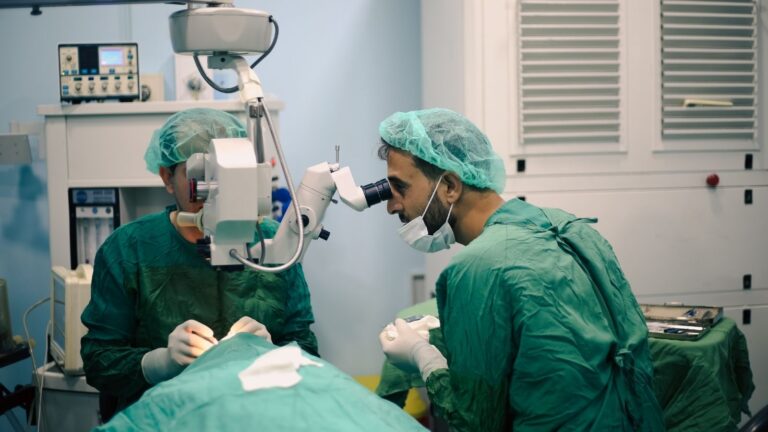
If the stye does not respond to conservative methods, incision and drainage may be required. During this simple procedure performed under local anesthesia, the pus is drained to relieve pressure and pain. Using antibiotic ointment after surgery helps prevent infection. If an underlying condition such as a chronic chalazion is responsible for recurring styes, a corticosteroid injection may be an alternative option.
- Hygiene and Prevention:
Eyelid hygiene is critical both for treatment and preventing recurrence. Regular cleansing with baby shampoo or eyelid cleansing solutions helps prevent the oil glands from becoming blocked. Daily warm compresses facilitate drainage and accelerate healing. Eye makeup and dirty makeup products should be avoided. Contact lens users should wear glasses during the infection and pay extra attention to hygiene.
- Management of Underlying Causes:
Recurring styes may be a sign of chronic conditions such as blepharitis or meibomian gland dysfunction. Regular eyelid massage, warm compresses, and protective eye drops recommended by the doctor may be used to manage these conditions.
Although a stye generally heals spontaneously or with simple treatments, it may lead to serious complications if not treated promptly. These complications may adversely affect both eye health and overall quality of life.
- Development of a Chalazion:
A stye that is untreated or not drained properly may become chronic and cause a swelling known as a chalazion. Although a chalazion is no longer infected, it develops when the blocked oil gland forms a firm nodule. It is generally painless but may cause aesthetic concerns and affect the visual field if it becomes large.
- Periorbital Cellulitis:
A stye infection may spread to the surrounding tissues and cause a serious skin infection known as periorbital cellulitis. This condition causes significant eyelid swelling, redness, and pain. If left untreated, the infection may spread to deeper tissues and cause serious consequences. Periorbital cellulitis requires prompt and aggressive antibiotic treatment.
- Keratitis (Corneal Inflammation):
Although rare, a stye infection may spread to the cornea and lead to keratitis. This condition causes symptoms such as severe eye pain, blurred vision, and light sensitivity. If left untreated, serious consequences such as permanent vision loss may occur. Early diagnosis and treatment are therefore critical.
- Visual Impairment:
Large, untreated chalazia may press against the eyeball and cause visual problems such as astigmatism. Pressure from the eyelid may alter the corneal curvature and prevent clear vision.
- Systemic Infection:
Although rare, a stye infection may develop into a systemic infection. Bacteria entering the bloodstream may cause life-threatening conditions such as sepsis. This complication emphasizes the severity of the infection and the need for early treatment.
A stye generally heals spontaneously with warm compresses and proper eyelid hygiene. However, more advanced treatments may be required in some cases. Antibiotic treatment is particularly necessary when the condition does not respond to warm compresses and other conservative methods or occurs alongside additional infections such as blepharoconjunctivitis. Topical antibiotics are effective in controlling the infection and are generally administered as products such as erythromycin eye ointment. If there are signs of severe infection or spreading, such as preauricular lymphadenopathy or cellulitis, systemic antibiotics may be prescribed. However, antibiotic use should be limited in uncomplicated cases to prevent resistance.
Surgical intervention may be required for recurring or large styes. During this procedure, which is performed under local anesthesia, the infected area is carefully drained. Antibiotic ointment is applied after surgery to prevent infection. These interventions are generally reserved for cases in which conservative methods have failed.
Eyelid hygiene is critical in treating and preventing styes. Regular cleaning of the eyelid margins can prevent blockage of the glands. Frequent warm compresses facilitate drainage and relieve symptoms. If styes recur frequently, underlying conditions such as blepharitis or meibomian gland dysfunction should be assessed and an appropriate treatment plan developed.
Treatment of a stye may be contraindicated in certain special circumstances and must be planned carefully. Although topical antibiotics are commonly used to treat styes, a history of hypersensitivity or allergic reactions to antibiotics affects the choice of treatment. Using these medications in people allergic to erythromycin or similar macrolide antibiotics may cause severe reactions. The patient's allergy history must be assessed and suitable alternatives considered. Unnecessary antibiotic use may also cause resistant bacterial strains to develop. Routine or preventive antibiotic use is therefore not recommended for small styes.
Surgical intervention may be an effective solution for large or recurring styes. However, it is not recommended during an acute infection because it may increase the risk of spreading the infection. In conditions such as preseptal or orbital cellulitis, systemic antibiotic treatment must be administered before surgery. Surgery also carries a risk of serious complications in patients with bleeding disorders or those using anticoagulants and must be carefully evaluated.
Eyelid hygiene practices may also have contraindications. Cleansing products containing irritants may worsen skin conditions such as eczema or atopic dermatitis. Aggressive eyelid manipulation may increase the risk of spreading infection in immunocompromised individuals. In these cases, infection must first be controlled systemically and cleansing procedures must be carefully modified. The treatment plan must always be tailored to the patient's specific needs.
The healing process of a stye is generally completed quickly with simple treatments and proper care. Warm compresses are recommended as the first step. This method helps open blocked oil glands and drain the infection. Warm compresses should be applied 3-4 times a day for 10-15 minutes. Maintaining eyelid hygiene during treatment prevents the infection from spreading. The eyelid should be cleaned with nonirritating products such as diluted baby shampoo.
If the stye is significantly swollen, painful, or recurring, topical antibiotic treatment may be prescribed by a doctor. Antibiotics are generally administered as an ointment or eye drops and must be used for the period specified by the doctor. Discontinuing antibiotic treatment too early may prevent the infection from healing completely.
Surgical intervention may be required in some cases, particularly for large and resistant styes. This procedure is performed under local anesthesia and allows the stye to drain. After surgery, it is important to continue using warm compresses, avoid physical activity, and temporarily stop using eye makeup or contact lenses to accelerate healing.
Washing hands regularly and avoiding rubbing the eyes have a positive effect on recovery. Making eyelid hygiene a daily habit plays a key role in both treating the existing infection and preventing future styes.
Paying attention to eyelid hygiene is highly important for preventing styes. Gently cleaning the eyelids every day with warm water and a mild cleanser, such as diluted baby shampoo, removes debris and excess oil that could block the oil glands. This is an effective method for reducing the risk of infection.
People who use eye makeup must remove it completely before going to bed. Makeup residue around the eyes may block the glands and create conditions for infection. Regularly replacing makeup products every 2-3 months and not sharing them with others also significantly reduce the risk of infection.
Hand hygiene also plays a critical role in preventing styes. Washing the hands before touching the eyes prevents bacteria from being transferred to the eye area. Contact lens users can reduce the risk of infection by keeping their lenses clean and washing and disinfecting their hands before touching the lenses.
People with predisposing conditions such as blepharitis or Demodex infestation may benefit from using commercial eyelid cleansers. These products play a supportive role in maintaining hygiene.
Is an eye stye (hordeolum) contagious?
Yes, an eye stye is contagious. The bacteria causing the infection can spread to other people through towels, pillowcases, or hands. It is therefore recommended not to share personal items and to follow hygiene rules.
What should be considered to prevent an eye stye (hordeolum) from recurring?
To prevent recurrence, eye hygiene should be maintained, makeup products should be replaced regularly, and they should not be shared with others. Hygiene rules must also be followed when using contact lenses, and the lenses must be cleaned properly.
What is the difference between a stye and a chalazion?
A stye is generally a painful swelling caused by infection. A chalazion is a painless, chronic cyst that is not caused by infection. An untreated stye may develop into a chalazion.
Does stress play a role in stye formation?
Yes, stress and fatigue may weaken the immune system and create conditions that encourage stye formation. Stress management and adequate rest are therefore important.
How should a warm compress be applied when treating a stye?
A warm, damp cloth should be applied to the affected area for 5-10 minutes several times a day. This facilitates drainage of the inflammation and accelerates healing.
Is it harmful to wear makeup while you have a stye?
Yes, wearing makeup while a stye is present may cause the infection to spread or worsen. Makeup should therefore be avoided until the stye has healed.
Should you pop a stye yourself?
No. Squeezing or popping a stye may spread the infection and cause complications. It should be allowed to follow its natural course, or a doctor should be consulted.
What dietary factors should be considered to prevent styes?
A healthy and balanced diet supports the immune system and reduces the risk of styes. Foods rich in vitamins and minerals should be consumed.
Can children develop styes?
Yes, styes may occur at any age, including in children. Attention should be paid to children's hygiene habits.