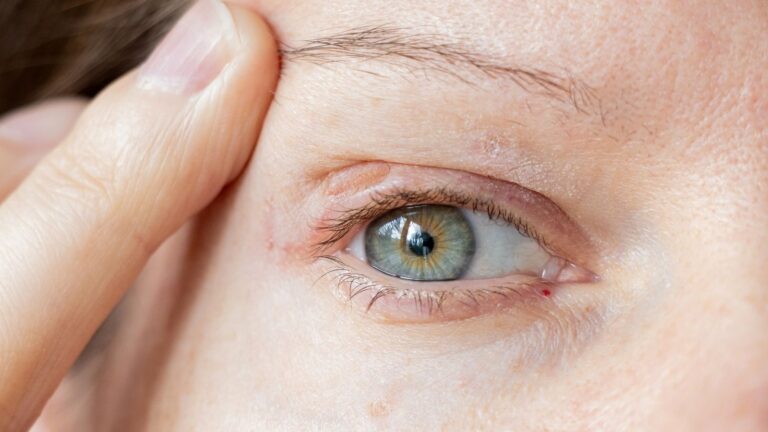

Eye pain is not a disease in itself, but a symptom of various eye problems. Disorders affecting the eye surface, internal eye structures, or surrounding tissues can cause pain. These conditions range from simple irritation to serious diseases.
The most common causes include dry eye, infection, foreign bodies, and strain caused by refractive errors. These types of pain can usually be controlled with simple treatments. Regular examinations are important for an accurate diagnosis.
Severe and sudden eye pain may indicate serious conditions such as an acute glaucoma attack, uveitis, or a corneal ulcer. In such cases, prompt medical intervention is critical for preventing vision loss.
Treatment is planned according to the underlying cause. Artificial tears, antibiotic eye drops, anti-inflammatory medications, or surgical methods may be used. Evaluation by a specialist is the most reliable approach to protecting eye health.
| Possible Causes | – Eye strain caused by prolonged screen use – Dry eye – Conjunctivitis, bacterial, viral, or allergic – Eye infections, such as styes or keratitis – Glaucoma, increased intraocular pressure – Uveitis, inflammation inside the eye – Sinusitis – Migraine – Eye injury or foreign body – Contact lens irritation – Corneal abrasion |
|---|---|
| Symptoms | – Sharp, burning, or throbbing eye pain – Redness – Stinging or a foreign body sensation – Tearing – Blurred vision – Light sensitivity, photophobia – Swelling or irritation of the eye – Pain or pressure around the eye |
| Risk Factors | – Prolonged screen use – Poor contact lens hygiene – Exposure to allergens or infected individuals – Eye trauma – Chronic conditions, such as diabetes or autoimmune diseases – Poor eye hygiene |
| Diagnostic Methods | – Eye examination – Vision test – Intraocular pressure measurement when glaucoma is suspected – Fluorescein staining to evaluate corneal damage – Imaging methods when necessary, such as ultrasound or MRI |
| Treatment Methods | – Artificial tears for dry eye – Antibiotic drops or ointments for bacterial infections – Medication or surgery for glaucoma – Protective treatment for eye injuries – Pain relievers and stress management for migraine – Nasal sprays and pain relievers for sinusitis – Corticosteroid treatment for uveitis |
| Prevention | – Resting the eyes regularly and limiting screen use – Cleaning and using contact lenses correctly – Avoiding allergens – Avoiding rubbing the eyes – Wearing protective eyewear, for example during sports or work – Maintaining a healthy sleep routine and balanced diet |
The understanding and treatment of eye pain have changed significantly over thousands of years. Early treatments for eye diseases were documented as far back as Ancient Egypt. The Ebers Papyrus, dating to 1550 BCE, recommended natural mixtures for treating eye pain. These treatments included mixtures of myrrh, onion, and green copper. Substances such as animal blood were also used to treat conditions like trichiasis. These practices were among the earliest approaches to eye health.
During the Ancient Greek period, Hippocrates and his followers attributed eye diseases to imbalances in bodily fluids and attempted to treat them with herbal mixtures. Greek knowledge was expanded by Galen during the Roman period, and important theories about eye anatomy and the optic nerve were developed. However, knowledge about the underlying causes of eye pain remained speculative.
Major advances in ophthalmology were made during the Islamic Golden Age. The Persian physician Muhammad ibn Zakariya al-Razi developed innovative approaches such as using opium for anesthesia. In his work "The Canon of Medicine," Avicenna described the analgesic and hypnotic effects of opium in detail and drew attention to its toxic effects. This knowledge became widespread in Europe and made important contributions to medical literature.
Throughout the Renaissance and the Middle Ages, treatment methods based on ancient texts continued to be used. However, surgical techniques were limited and generally risky. The 19th century marked a turning point in ophthalmology. Hermann von Helmholtz's invention of the ophthalmoscope enabled clearer examination of structures inside the eye, leading to a major advance in diagnosis and treatment.
In the modern era, advanced imaging techniques and pharmacological treatments have made it possible to manage eye pain more effectively. Knowledge accumulated throughout history now contributes to better patient outcomes.
The causes of eye pain can range from superficial problems to systemic diseases. Ocular surface diseases, infections, inflammatory conditions, neuropathic causes, and systemic diseases are among the most common factors. Accurate diagnosis and effective treatment of these conditions are essential for improving patients' quality of life and preventing more serious complications.
- Ocular Surface Diseases: Dry eye disease develops because of insufficient tear production or increased tear evaporation. It is characterized by burning, stinging, and a gritty sensation. Environmental factors, screen use, and systemic medications can worsen symptoms. Treatment involves artificial tears and anti-inflammatory agents. Corneal tears and ulcers are generally associated with trauma or contact lens use. If left untreated, serious infections that can lead to vision loss may develop.
- Inflammatory Conditions: Conjunctivitis may develop because of allergic, bacterial, or viral causes. It is characterized by redness, itching, and discharge. Uveitis is often associated with systemic diseases and requires prompt anti-inflammatory treatment. Scleritis causes deeper pain and usually results from autoimmune diseases.
- Neuropathic Causes: Neuropathic ocular pain develops because of damage to the corneal nerves. Symptoms such as burning and stinging may occur without visible clinical findings. Optic neuritis is inflammation of the optic nerve and is commonly associated with multiple sclerosis.
- Infectious Causes: Keratitis may be associated with bacterial, viral, or fungal infections. It can cause severe pain and vision loss. Orbital cellulitis is an infection of the tissues surrounding the eye and requires prompt treatment.
- Systemic Diseases: Conditions such as migraine and sinusitis can trigger eye pain. Trigeminal neuralgia may cause severe facial pain. Managing these conditions requires a comprehensive approach.
Eye pain is a common complaint worldwide and results in considerable healthcare use, particularly in the United States. Approximately 4.6 million outpatient visits and 1 million emergency department visits occur each year because of eye pain. Women account for most outpatient visits at 63.2%, as do individuals older than 60 at 46.6%. Emergency department visits are more common among men at 51.8% and people younger than 45. However, a substantial proportion of these visits involve conditions that do not cause vision loss, 78.5% of outpatient visits and 69.9% of emergency department visits, highlighting the importance of access to primary eye care and patient education.
The causes of eye pain may vary according to demographic differences and geographic region. For example, inflammatory eye diseases such as uveitis are more common among people aged 20 to 60 and affect men and women equally. Anterior uveitis accounts for most cases of uveitis in Western countries, at 50% to 90%, whereas the proportion is lower in Asia, at 28% to 50%. Uveitis is also responsible for 10% to 20% of blindness in the United States.
Blepharospasm is another condition associated with involuntary eyelid spasms and is generally more common among women aged 40 to 60. Non-arteritic anterior ischemic optic neuropathy, or NAION, occurs particularly in people older than 50 and is associated with conditions such as diabetes and sleep apnea.
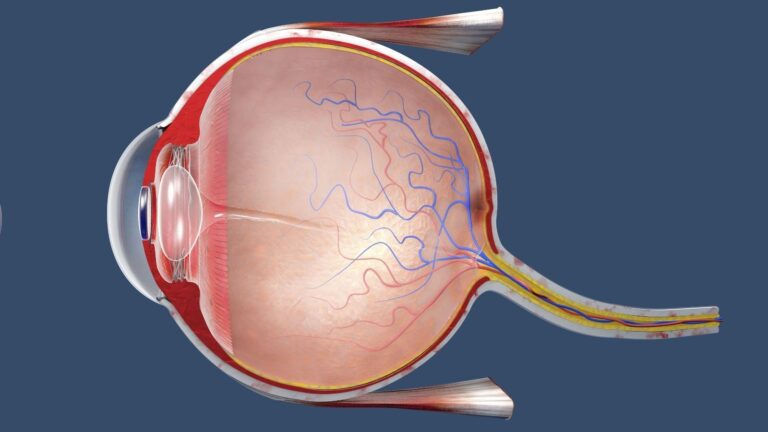
Because of the complexity of the eye's sensory system, the development of eye pain involves both peripheral and central mechanisms. The cornea, the outermost layer of the ocular surface, is densely supplied with nociceptors. These nociceptors detect environmental stimuli and transmit them to the brain through the trigeminal nerve. There are three main types of nociceptors: mechanonociceptors, which respond only to harmful mechanical forces; polymodal nociceptors, which respond to chemical, mechanical, and thermal stimuli; and cold thermoreceptors, which detect decreases in temperature.
When these nociceptors are activated, pain signals are carried through the trigeminal nerve to the trigeminal nucleus in the brainstem. From there, the signals are transmitted to higher centers such as the thalamus and somatosensory cortex, where pain is perceived. This part of the process is called peripheral sensitization. Peripheral sensitization is characterized by increased nociceptor sensitivity after repeated harmful stimuli or tissue damage. The upregulation of ion channels such as TRPV1 and TRPA1 increases the response to thermal and chemical stimuli. This mechanism explains why even mild stimuli can cause severe pain.
Central sensitization refers to changes within the central nervous system. Increased synaptic transmission and neuronal excitability, particularly in the brain and spinal cord, intensify pain perception. This can result in spontaneous pain or excessive sensitivity to stimuli that would not normally be painful. Central sensitization may cause discomfort that persists even after an injury has healed.
Neuropathic ocular pain is associated with damage to or dysfunction of sensory nerve pathways. It may develop because of surgical procedures, infections, or systemic diseases. Damaged nerves may regrow abnormally, causing spontaneous pain and hypersensitivity. The cornea's special role in maintaining the tear film and the complexity of sensory reflex mechanisms can also affect the development of eye pain.
Eye pain may present in different ways depending on the type and severity of the underlying cause. Symptoms can range from mild discomfort to severe pain and should usually be evaluated together with accompanying symptoms.
- Symptoms of Dry Eye:
Dry eye disease causes symptoms such as burning, stinging, dryness, and a gritty sensation. Some patients may paradoxically experience excessive tearing. These symptoms generally worsen with environmental factors such as wind, screen use, or air-conditioned environments.
- Symptoms of Infection or Inflammation:
Infections such as keratitis and inflammatory conditions such as uveitis may present with eye pain accompanied by redness, blurred vision, light sensitivity, or photophobia, and excessive tearing. Corneal infections may also cause a foreign body sensation or discharge.
- Symptoms of Neuropathic Pain:
Neuropathic ocular pain is generally described as burning, an electric shock sensation, or persistent discomfort in the eye. It may occur without obvious physical findings and is often accompanied by a sensation of dryness and photophobia.
- Symptoms of Acute Glaucoma:
A sudden increase in intraocular pressure causes severe eye pain, blurred vision, halos around lights, headache, nausea, and vomiting. Prompt intervention is required.
- Symptoms of Trauma or a Foreign Body:
When there is a foreign body in the eye or eye trauma, sudden pain, redness, tearing, and involuntary eyelid closure, or blepharospasm, may occur. These conditions can increase the risk of infection.
- Sinusitis and Headaches:
Eye pain caused by sinusitis is generally accompanied by pressure around the eyes and headache. Cluster headaches are characterized by intense one-sided pain and redness around the eye.
Diagnosing eye pain requires a complex process, and combining multiple methods is important for reaching the correct diagnosis. Careful integration of the patient's medical history, clinical examination, and advanced diagnostic methods forms the basis of an effective treatment plan.
The first step is to understand the patient's complaints in detail. The onset, duration, severity, and nature of the pain, such as burning, stinging, or throbbing, are assessed. Accompanying symptoms such as photophobia, redness, or vision loss provide critical clues for identifying possible causes of eye pain. A history of systemic disease, particularly autoimmune conditions, may also be associated with eye pain.
During the examination, a visual acuity test is used to assess the eye's ability to see. The eyelids, conjunctiva, and sclera are examined externally for signs of infection or inflammation. Slit-lamp biomicroscopy allows detailed evaluation of the cornea, iris, and lens. Fluorescein dye can reveal corneal defects, while tonometry measures intraocular pressure and can support a diagnosis of glaucoma. Examination of pupil reactions may provide information about neurological or ophthalmological disorders.
Optical coherence tomography, or OCT, is used to diagnose retinal and optic nerve diseases, while visual field testing can reveal damage to the optic nerve or visual pathway. Neuroimaging with MRI or CT is particularly necessary when a neurological cause is suspected. Corneal sensitivity tests are useful when evaluating neuropathic ocular pain. When systemic disease is suspected, blood tests are used to investigate underlying problems.
Distinguishing nociceptive pain from neuropathic pain can sometimes be challenging. It is important to remember that neuropathic pain may occur without clear clinical findings. Validated questionnaires and a detailed medical history can make it easier to reach the correct diagnosis.
Treatment of eye pain varies according to the underlying cause and requires an individualized approach to achieve effective recovery. Conditions such as corneal problems, eye infections, and structural disorders require different treatment methods. Therefore, establishing the correct diagnosis and creating an appropriate treatment plan are extremely important.
- Treatment of Corneal Problems:
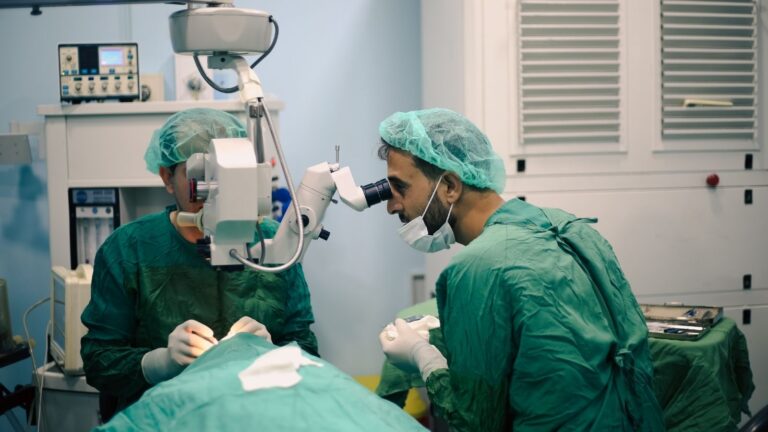
Laser surgery is one of the important tools of modern ophthalmology for treating corneal problems. Procedures such as LASIK and PRK reshape the cornea to correct refractive errors and improve vision. LASIK creates a corneal flap and reshapes the underlying tissue, while PRK removes the surface epithelium before reshaping the cornea. These procedures generally reduce the need for glasses and contact lenses. However, because complications such as dry eye can occur, a detailed assessment must be performed beforehand. In advanced corneal diseases, corneal collagen cross-linking, or CXL, may be performed to stop the progression of keratoconus, while corneal transplantation may be necessary in some cases. Surgical options such as penetrating keratoplasty, or PK, and deep anterior lamellar keratoplasty, or DALK, are selected according to the severity of the disease.
- Treatment of Eye Infections:
Treatment of infections is determined according to the causative microorganism. Bacterial infections are controlled using topical antibiotics. Antiviral medications are effective for viral infections, particularly in the treatment of keratitis caused by the herpes simplex virus. The duration of treatment and medication dosage depend on the extent and severity of the infection. Appropriate treatment prevents complications and accelerates recovery.
- Eyelid Surgery:
Problems originating from the eyelids can cause eye pain. Lesions that do not respond to medical treatment, such as chalazia and styes, may be surgically drained. Eyelid position disorders such as entropion and ectropion can also be corrected surgically to protect the cornea. Antibiotic and anti-inflammatory treatments are used after surgery to prevent infection.
Although eye pain may begin with mild symptoms, failure to treat the underlying cause can lead to serious complications. These complications may result in irreversible outcomes such as vision loss. It is therefore critical to identify the cause of eye pain quickly and begin treatment. Complications generally develop because of damage to the eye's anatomical structures or the spread of infections.
- Permanent Vision Loss: Many conditions that cause eye pain can lead to permanent vision loss if left untreated. Infections and inflammatory conditions such as uveitis, endophthalmitis, and keratitis can cause irreversible damage to the retina, cornea, and optic nerve.
- Corneal Ulcers and Scarring: Infections or conditions such as dry eye can cause open wounds on the corneal surface. These ulcers can quickly lead to scarring, significantly reducing visual quality.
- Glaucoma and Optic Nerve Damage: Conditions such as uveitic glaucoma can cause increased intraocular pressure. If left untreated, optic nerve damage may occur and result in vision loss.
- Retinal Detachment: Conditions such as uveitis or eye injuries can cause the retina to separate from its normal position. This condition requires emergency treatment. Otherwise, vision loss may become permanent.
- Spread of Infection: Untreated eye infections can lead to life-threatening conditions such as orbital cellulitis or cavernous sinus thrombosis. These complications can cause brain infections and other serious systemic problems.
- Cataract: Chronic inflammation or uveitis can lead to the development of cataracts. A cataract is characterized by clouding of the eye's natural lens and requires surgical intervention.
Eye pain generally develops when superficial or deeper structures of the eye are affected, and the timing of treatment depends on correctly diagnosing the underlying cause. Treatment covers conditions ranging from simple dry eye disease to serious corneal infections. Early and accurate diagnosis is vital because each condition requires a different treatment approach.
Milder conditions such as dry eye disease can generally be treated with lubricating eye drops and lifestyle changes. Treatment focuses on keeping the eyes moist and protecting them from environmental irritants. Early intervention quickly reduces burning and discomfort.
Irregularities and opacities on the corneal surface should be treated with laser treatments or surgical procedures. For example, when recurrent corneal erosions do not respond to conservative methods, phototherapeutic keratectomy, or PTK, is an effective option. More advanced conditions such as keratoconus can be treated with corneal cross-linking or intrastromal segment implantation. If the condition causes severe vision loss, corneal transplantation should be planned.
Infections such as bacterial keratitis carry a risk of corneal perforation and permanent vision loss if left untreated. In these cases, topical or systemic antibiotic treatment should be started promptly. For viral infections, antiviral medications are critical for preventing complications and accelerating recovery.
Surgical intervention may be required for severe or recurrent infections and conditions such as chalazia and styes. Conditions such as dacryocystitis or nasolacrimal duct obstruction should also be treated surgically to prevent the spread of infection and restore tear drainage.
Treatment of eye pain can be effective when the underlying cause is correctly identified. However, certain conditions make some treatment options contraindicated. Careful assessment of these conditions is necessary for patient safety and treatment success. Specific contraindications apply particularly to treatments related to corneal problems, eye infections, and surgical interventions.
Although laser refractive surgery is effective for correcting visual defects, it is not appropriate in some circumstances. Corneal ectatic diseases such as keratoconus make laser procedures risky, and laser treatment must not be performed in these cases. An unstable eye prescription or active infections, such as herpes keratitis, also make laser procedures risky. Systemic conditions such as uncontrolled diabetes, autoimmune diseases, and pregnancy may affect corneal stability and make laser treatment unsafe.
Corneal cross-linking, or CXL, used for corneal diseases such as keratoconus carries risks when the cornea is not sufficiently thick. Similarly, procedures involving intrastromal corneal ring segments, or ICRS, and corneal transplantation are not recommended in conditions such as severe dry eye syndrome, active eye rubbing, and limbal stem cell deficiency. These contraindications increase the risk of complications.
Antibiotic and antiviral medications should be used only after an accurate diagnosis. Topical antibiotics are not effective against viral infections and may disrupt the normal ocular flora, potentially leading to secondary infections. Systemic antiviral medications should be used carefully in patients with kidney failure or hematological disorders.
Eyelid surgery should be postponed in the presence of active infections or uncontrolled systemic diseases. Active infections such as blepharitis or conjunctivitis may adversely affect postoperative healing. Conditions such as uncontrolled diabetes or hypertension increase the risk of surgical complications.
Eye pain requires different treatment methods depending on the underlying cause, and the recovery process can vary from one patient to another. Strict adherence to the treatment plan is very important for protecting eye health and accelerating recovery.
Laser treatments are effective methods for correcting refractive errors. Recovery after laser treatment occurs in several stages. Symptoms such as discomfort and blurred vision are common during the first few days, while regular use of antibiotic and anti-inflammatory drops reduces the risk of infection and inflammation. Clear vision may be achieved within a few months. After corneal cross-linking, or CXL, for corneal conditions such as keratoconus, use of a bandage contact lens and antibiotic treatment is important. Long-term follow-up after corneal transplantation is necessary to reduce the risk of graft rejection.
Topical antibiotics are the primary treatment for controlling bacterial infections. Recovery generally begins within a few days after starting treatment, but completing the full course is essential for preventing resistance. Viral infections may last longer. In these cases, strict adherence to antiviral treatment is required.
During recovery after eyelid surgery, maintaining hygiene around the surgical area and regularly using prescribed medications are critically important. Cold compresses can reduce swelling, while keeping the head elevated may accelerate recovery. Patients should remain alert for signs of infection and attend all postoperative follow-up appointments.
Preventing eye pain requires a systematic and multifaceted approach that targets the underlying causes. Common conditions such as dry eye disease, computer vision syndrome, and neuropathic ocular pain can be managed using different strategies.
- Measures for Dry Eye Disease:
Dry eye disease develops because of insufficient tear production or excessive tear evaporation. To help prevent it, a healthy diet containing antioxidants, carotenoids such as lutein and zeaxanthin, and vitamins A, C, and E should be adopted. Deficiencies in vitamins B12 and D may affect nerve function and worsen dry eye symptoms. Regular vitamin supplementation is therefore also important.
- Reducing Computer Vision Syndrome:
Prolonged use of digital devices can cause eye strain and discomfort. Screen height and viewing distance should be adjusted ergonomically, and the 20-20-20 rule should be followed. Adequate ambient lighting should be provided to reduce screen glare.
- Preventing Neuropathic Ocular Pain:
UV-protective sunglasses should be worn to prevent corneal nerve damage, and irritating environmental factors should be avoided. Regular hydration and maintaining adequate humidity in the environment may also protect the ocular surface.
- General Preventive Approaches:
Regular eye examinations can prevent complications through early diagnosis and treatment. Protective equipment should be used to prevent possible eye injuries. These measures can reduce the risk of eye pain.
Which foods should I consume to protect my eye health?
To support eye health, it is important to consume foods rich in vitamins A, C, and E, zinc, omega-3 fatty acids, lutein, and zeaxanthin. These foods include carrots, spinach, broccoli, salmon, nuts, and citrus fruits.
Which lifestyle changes are recommended for protecting eye health?
Having regular eye examinations, quitting smoking, wearing sunglasses for protection from UV radiation, and limiting screen time support eye health.
How can I prevent eye strain while using a computer?
Following the 20-20-20 rule, which involves looking at something approximately 6 meters away for 20 seconds every 20 minutes, adjusting screen brightness, and blinking regularly can reduce eye strain.
Which vitamins and minerals are important for eye health?
Vitamins A, C, and E, as well as zinc, omega-3 fatty acids, lutein, and zeaxanthin, support eye health.
Which habits negatively affect eye health?
Smoking, inadequate nutrition, prolonged screen exposure, and unprotected exposure to UV radiation negatively affect eye health