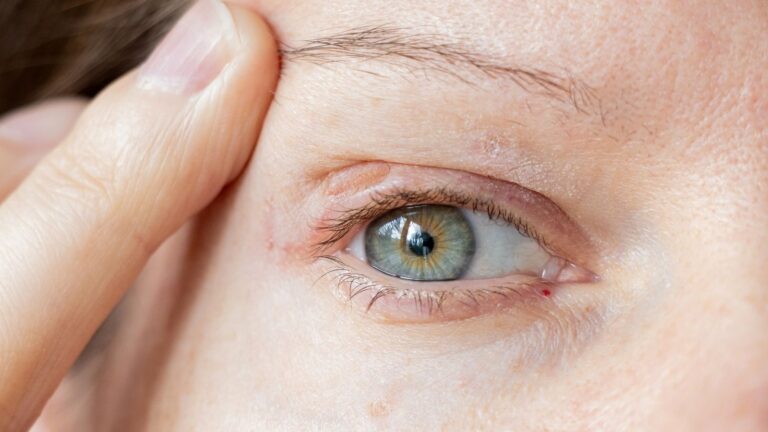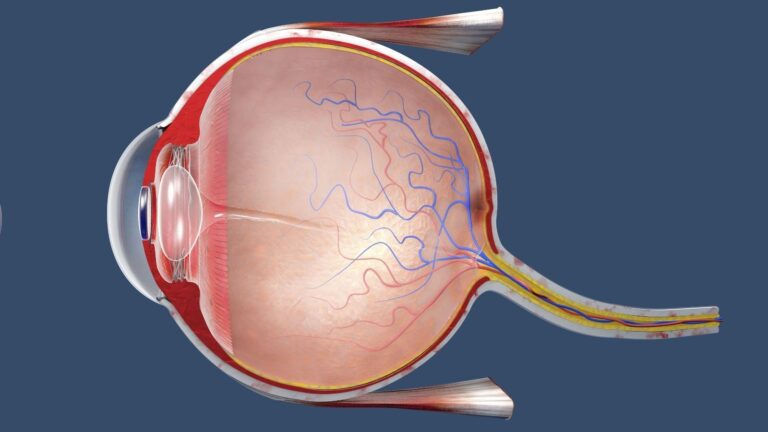
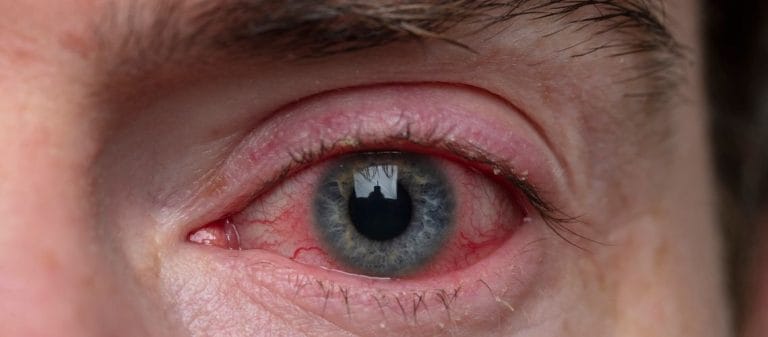
Eye redness is caused by the dilation of blood vessels on the surface of the eye. Although it is usually associated with temporary causes, it can sometimes indicate a serious condition.
Fatigue, allergies, infections, dry eye, and prolonged screen use are among the most common causes. Burning, stinging, and watering of the eyes may also occur.
Persistent or frequently recurring eye redness may be a symptom of serious eye conditions such as glaucoma or uveitis. Therefore, cases that persist for a long time should be evaluated by a physician.
Treatment is determined according to the underlying cause. Artificial tears, allergy treatments, or medications for infections may be used. Maintaining good eye hygiene supports the recovery process.
| Possible Causes | – Eye strain caused by screen use – Dry eye – Allergies – Conjunctivitis, infectious or allergic – Eye trauma or injury – Incorrect use of contact lenses – Subconjunctival hemorrhage, a ruptured blood vessel on the eye surface – Glaucoma – Uveitis, inflammation inside the eye – Insufficient sleep or smoking |
|---|---|
| Symptoms | – Redness in the white of the eye – Burning or stinging sensation in the eye – Itchy eyes – Sensitivity to light – Watery eyes – Blurred vision in some cases – Pain or discomfort depending on the cause |
| Risk Factors | – Prolonged screen use – Poor contact lens hygiene – Exposure to allergens – Eye trauma – Smoking or air pollution – Chronic eye conditions such as glaucoma |
| Diagnostic Methods | – Eye examination – Vision test – Intraocular pressure measurement if glaucoma is suspected – Tear test if necessary for dry eye – Microbiological examination if an infection is suspected |
| Treatment Methods | – Artificial tears for dry eye – Antihistamine eye drops for allergies – Antibiotic eye drops for bacterial infections – Corticosteroid treatment for uveitis – Subconjunctival hemorrhage generally does not require treatment and resolves on its own – Eye trauma may require emergency treatment |
| Prevention | – Taking regular breaks from screens using the 20-20-20 rule – Avoiding rubbing the eyes – Reducing alcohol and tobacco consumption – Maintaining good contact lens hygiene – Avoiding allergens – Resting the eyes regularly |
Eye redness has been a subject of medical interest since the early periods of history. Ancient civilizations described conditions that caused redness in the eyes and attempted to develop treatment methods. Around 800 BC, the surgeon Sushruta in ancient India described 76 eye diseases and techniques for treating them, demonstrating an early awareness of eye redness. During the same period, Hippocrates in ancient Greece, followed later by Galen, made important discoveries concerning eye anatomy and physiology. These discoveries contributed to a better understanding of conditions associated with red eyes.
The term "ophthalmia" has been used throughout history to describe inflammation of the eye and has generally been associated with red eyes. Famous historical figures such as Hannibal and Eratosthenes are known to have experienced ophthalmia. These cases highlight the historical importance of eye diseases and their effects on human health.
Advances in microscopy and bacteriology during the 19th century improved the understanding of infections that cause eye redness. In particular, bacteria responsible for common conditions such as conjunctivitis were identified, which increased the available treatment options. During the same period, developments in surgical techniques and antiseptic practices played an important role in the treatment of eye infections.
In the 20th century, advances in diagnostic tools made it possible to examine eye diseases in greater detail and develop effective treatments for infections and inflammation. These historical developments formed the foundations of modern ophthalmology.
Eye redness can result from many different causes, and identifying the underlying factors is essential for treatment. These causes can generally be classified as environmental influences, infections, inflammatory conditions, trauma, medical conditions, and systemic factors.
Environmental factors such as allergens, dry air, or smoke can irritate the surface of the eye and cause redness. Prolonged screen use reduces the frequency of blinking, causing the surface of the eye to become dry. Excessive contact lens use or inadequate hygiene can also cause irritation and increase the risk of infection.
Viral or bacterial infections are common causes of eye redness. For example, conjunctivitis, also known as pink eye, causes redness and discharge due to inflammation of the conjunctiva. Keratitis is an infection affecting the cornea and presents with blurred vision and sensitivity to light. Eyelid infections such as blepharitis are also among the causes of this condition.
Conditions such as uveitis and scleritis are serious inflammatory disorders affecting the deeper layers of the eye. These conditions are often associated with autoimmune disorders and may cause severe redness, pain, and vision loss.
Conditions such as subconjunctival hemorrhage occur when blood vessels rupture due to a sudden increase in pressure. They are generally painless and resolve on their own. A foreign object entering the eye can irritate the conjunctiva, causing redness and discomfort.
Conditions requiring emergency treatment, such as acute glaucoma, may present with eye redness accompanied by severe pain, nausea, and blurred vision. Thyroid eye disease may also cause redness and protrusion of the eyes.
Lack of sleep reduces oxygenation of the eyes and causes the blood vessels to dilate. Certain medications may also increase eye dryness and cause redness. Eye redness has many possible causes, and an accurate diagnosis forms the basis of effective treatment.
Eye redness, medically known as conjunctival hyperemia, is a very common eye complaint that can affect different age groups. Its prevalence varies according to factors such as geographical region, climate, and age. A study conducted in the United States found that conjunctivitis was most common among children under the age of 7 and young adults. In children, this may be explained by the immune system still being in development and exposure to communal environments such as schools. In young adults, contact lens use and lifestyle factors may play a role. A higher prevalence was observed among women, particularly between the ages of 18 and 22, compared with men.
Seasonal changes also significantly affect the frequency of eye redness. Cases have been observed to increase, particularly during spring, as exposure to allergens rises. Environmental pollen, dust, and other allergens are among the main triggers of conjunctival hyperemia during this period. Studies indicate that the frequency of cases peaks in May and that this trend is consistent across different age groups and regions.
At a global level, certain types of conjunctivitis are known to be more common in specific regions. For example, vernal keratoconjunctivitis (VKC), a severe form of allergic conjunctivitis, occurs more frequently in hot and dry climates. The higher prevalence of VKC in the Mediterranean, the Middle East, and certain regions of Africa emphasizes the importance of environmental factors. VKC is more common among boys and is generally a serious condition requiring long-term treatment.
Eyelid conditions and meibomian gland dysfunction (MGD) are also among the common causes of eye redness. Epidemiological data show that conditions such as dry eye disease and atopic dermatitis are directly associated with conjunctival hyperemia. This condition is more common among women and requires appropriate treatment.
Eye redness is characterized by the dilation of blood vessels on the eye surface and an increase in vascular permeability. This process usually begins with the activation of inflammatory responses and is controlled by numerous cellular and molecular mechanisms.
- Initial Stages of Inflammation:
The eye surface is actively monitored by immune cells. Cells such as neutrophils, macrophages, dendritic cells, and T lymphocytes become activated in the presence of foreign pathogens or environmental irritants. Following activation, cytokines such as interleukins (IL-1β, IL-6) and TNF-α are released. These molecules trigger the inflammatory response by causing the conjunctival blood vessels to dilate and increasing vascular permeability.
- Importance of Mast Cells:
Mast cells play a central role, particularly in allergic reactions. When they come into contact with allergens, these cells release histamine and other mediators through a process known as degranulation. Histamine dilates blood vessels and increases their permeability, causing redness, swelling, and itching. This reaction produces the main symptoms of allergic conjunctivitis.
- Contribution of T Cells:
T lymphocytes, particularly the Th1 and Th17 subgroups, play an important role in maintaining inflammation. IL-17 produced by Th17 cells attracts more immune cells to the tissue and increases inflammation. The activation of matrix metalloproteinases (MMPs) by IL-17 may also affect the structural integrity of the conjunctival tissue.
- Inflammatory Pathways and Hyperemia:
The interaction of pathogens or damage signals with pattern recognition receptors (PRRs) activates intracellular signaling pathways such as NF-κB and MAPK. These pathways increase the expression of inflammatory genes and cause an extensive accumulation of immune cells. As a result, typical redness and swelling develop on the eye surface.
- Chronic Inflammation:
Prolonged inflammation can lead to remodeling of the conjunctival tissue. Fibrosis and abnormal blood vessel formation may impair eye function and result in more serious eye problems. Therefore, persistent eye redness requires professional evaluation.
Eye redness can result from many different causes and may be accompanied by various symptoms. These symptoms vary according to the type and severity of the underlying condition. The most common symptoms of eye redness can be listed as follows:
- Itching and Burning Sensation:
This symptom, which is common in allergic reactions, is generally triggered by allergens such as pollen, dust, pet hair, or cosmetic products. Redness, itching, burning, and watering of the eyes may be accompanied by swelling of the eyelids.
- Discharge:
Watery Discharge: Conditions such as viral conjunctivitis cause clear, watery discharge. Sensitivity to light and a gritty sensation commonly accompany it.
Thick, Colored Discharge: Bacterial infections generally cause yellow or green discharge. This discharge may cause the eyelids to stick together.
- Pain and Sensitivity to Light:
Severe pain and photophobia may be symptoms of serious eye conditions. These symptoms are common in conditions such as corneal inflammation, known as keratitis, or uveitis. In acute glaucoma, a sudden increase in intraocular pressure causes pain, redness, and blurred vision.
- Foreign Body Sensation:
Conditions such as dry eye syndrome or blepharitis may cause a persistent foreign body sensation and redness in the eye.
- Visual Disturbances:
Blurred vision, halos around lights, or sudden vision loss may indicate serious conditions such as a corneal ulcer or scleritis.
- Eyelid Swelling:
Eyelid infections such as chalazion and stye, or serious conditions such as orbital cellulitis, may present with both redness and significant swelling.
- Systemic Symptoms:
Systemic symptoms such as fever, headache, or nausea accompanying eye redness may indicate emergencies such as orbital cellulitis or acute glaucoma. Immediate medical attention should be sought if these symptoms are present.
Eye redness requires careful evaluation for an accurate diagnosis and effective treatment. The diagnostic process begins with taking a detailed medical history. Information such as when the condition started, how long it has lasted, whether the redness is constant or intermittent, and whether both eyes are affected is important. Accompanying symptoms such as pain, itching, vision changes, or discharge are also assessed. Trauma, exposure to a foreign object, contact lens use, and exposure to environmental irritants are evaluated in detail. The patient's history of systemic disease or allergies also plays an important role in the diagnostic process.
The physical examination includes a comprehensive assessment of the eye and surrounding structures. A visual acuity test is performed to determine whether there is any visual impairment. The eyelids, eyelashes, and surrounding skin are examined for abnormalities. During the examination of the conjunctiva, cornea, and pupil, signs of redness, swelling, discharge, or injury are carefully observed. Ophthalmoscopy is used to examine the internal structures of the eye, including the retina and optic nerve, in detail.
Advanced diagnostic tests may be performed when necessary. A slit-lamp examination is used to examine the eye structures in detail. Fluorescein staining helps detect corneal injuries, while tonometry is used to rule out glaucoma. Laboratory tests may identify infections or systemic diseases.
Treatment for eye redness varies depending on the underlying cause. Treatment options generally include a combination of medications, surgical procedures, and supportive methods. Since redness may range from mild irritation to a symptom of a serious health problem, an accurate diagnosis is critical for selecting the appropriate treatment.
- Redness Caused by Allergies:
Allergic reactions can cause redness and itching in the eyes. These conditions are generally treated with antihistamine eye drops or decongestants. Avoiding allergy triggers is an important part of treatment. Cold compresses may also help relieve symptoms.
- Dry Eye Treatment:
Dry eyes may be relieved with artificial tears and lubricating eye drops. In severe cases, topical cyclosporine may be used to increase tear production, or punctal plugs may be used to reduce tear drainage. Environmental adjustments and lifestyle changes also play a supportive role in controlling symptoms.
- Management of Infections:
Eye infections require different treatments depending on their type. Bacterial infections are generally treated with antibiotic eye drops, while antiviral medications are used for viral infections. Fungal infections require more complex treatment and are usually managed with antifungal agents and, in rare cases, surgical intervention.
- Glaucoma and Other Serious Conditions:
Conditions such as glaucoma are treated with medications that lower intraocular pressure, laser treatments, or surgical procedures. Early diagnosis and regular follow-up are extremely important in such cases to prevent vision loss.
- Environmental and Temporary Irritation:
Temporary irritation caused by smoke, dust, or prolonged screen use may be relieved with artificial tears and changes to environmental conditions. However, an ophthalmologist should be consulted if the symptoms persist.
Although eye redness is often considered temporary and harmless, it can lead to serious complications depending on the severity of the underlying cause. Persistent or severe eye redness may develop into a condition that threatens eye health if it is not diagnosed and treated promptly.
The cause of eye redness may be an inflammatory disease such as uveitis. If left untreated, uveitis can cause permanent damage to the retina and other sensitive eye structures, resulting in vision loss. This can be prevented through early diagnosis.
Infections such as keratitis may cause corneal ulceration and scar tissue formation. This may affect visual clarity and require surgical intervention in severe cases.
Acute angle-closure glaucoma may cause severe pain and blurred vision accompanied by a red eye. Glaucoma may result in irreversible damage to the optic nerve and blindness.
Untreated bacterial or viral conjunctivitis may spread to other parts of the eye. This may cause more serious infections and general health problems.
Untreated eye redness may lead to persistent irritation and discomfort. This can negatively affect quality of life and make daily activities more difficult.
Eye redness is a common condition that can develop for various reasons. The need for treatment depends on the underlying cause and the severity of the symptoms. Understanding when eye redness requires treatment is critical for preventing serious eye health problems.
If the eye redness is mild and is not accompanied by pain, vision loss, or discharge, simple measures may provide relief. For example, moisturizing eye drops, also known as artificial tears, may reduce redness caused by dry eyes. Rest and appropriate changes to the environment are also recommended to relieve irritation caused by factors such as dust, smoke, or screen use.
However, an ophthalmologist should be consulted if eye redness is accompanied by any of the following:
- Pain: Severe pain accompanying redness may indicate a serious problem. Conditions such as uveitis or acute glaucoma require emergency treatment.
- Vision Changes: Symptoms such as blurred vision, vision loss, or flashes of light may indicate serious conditions such as retinal detachment or a corneal ulcer.
- Discharge and Swelling: Yellow or green discharge and swollen eyelids are particularly indicative of bacterial infections such as bacterial conjunctivitis and require antibiotic treatment.
- Persistent Redness: Redness that persists for a long time or recurs may be a symptom of an underlying condition such as blepharitis or meibomian gland dysfunction.
Contact lens users should also be cautious when they experience eye redness. Prolonged lens use increases the risk of corneal infection, which requires prompt treatment. Sensitivity to light, also known as photophobia, accompanying eye redness may indicate conditions such as corneal abrasion or keratitis.
The methods used to treat eye redness generally depend on the underlying cause and have high success rates. However, certain conditions may make specific treatments contraindicated.
- Contraindications for Corneal Treatments:
Methods used to treat corneal conditions, such as corneal collagen cross-linking (CXL) and corneal transplantation, cannot be performed under certain circumstances. For example, CXL is not recommended for patients with a corneal thickness of less than 400 microns because of the risk of irreversible damage. It is also contraindicated in individuals with a history of herpetic eye infection because of the risk of viral reactivation. Ocular surface conditions such as severe dry eye syndrome may also interfere with healing. Corneal transplantation cannot be performed in conditions such as severe dry eye syndrome or limbal stem cell deficiency because of the risk of graft failure.
- Contraindications for Infection Treatment:
Although topical antibiotics are commonly used to treat eye infections, certain conditions may limit these treatments. These include allergic reactions to particular antibiotics and viral infections that cannot be treated with antibiotics. Contact lens use during treatment may also be incompatible with antibiotics and may require lens use to be discontinued throughout the treatment period.
- Contraindications for Glaucoma Treatment:
Medications that lower intraocular pressure are used in the treatment of eye redness associated with glaucoma. However, prostaglandin analogues may worsen conditions such as uveitis, while beta-blockers may cause serious adverse effects in individuals with asthma or heart disease. Similarly, alpha agonists should not be used in young children, and carbonic anhydrase inhibitors should not be used in individuals with sulfonamide allergies or kidney problems.
- Contraindications for Dry Eye Treatment:
Artificial tears and anti-inflammatory agents may be effective in treating dry eye. However, these treatments should be carefully evaluated in cases involving sensitivity to preservatives or active eye infections. Punctal plugs should not be used in the presence of infection or inflammation.
Because eye redness may result from different causes, the recovery process varies according to the underlying condition. Proper management of this condition, which can range from mild irritation to serious eye disease, is critical both for relieving symptoms and preventing possible complications.
If eye redness is caused by allergies, dry eye, or environmental factors, recovery is generally rapid. Simple measures such as artificial tears, antihistamine eye drops, or avoiding allergens may help the eye return to normal within a few days. In cases of dry eye, artificial tears and moisturizing eye drops relieve symptoms and help maintain a healthy eye surface.
Eye redness caused by bacterial or viral infections may require a longer recovery period. Topical antibiotics are used to control bacterial infections. Viral infections generally resolve on their own, but supportive treatment may be used to relieve symptoms. Regular follow-up is necessary in such cases to ensure that recovery is progressing properly.
In more serious conditions such as uveitis, acute glaucoma, or corneal infections, recovery may be more complex and take longer. Corticosteroids, anti-inflammatory medications, or surgical procedures may be required in these cases. Early diagnosis and regular follow-up are essential for preventing permanent damage such as vision loss.
Eye redness that occurs after eye surgery requires more careful management during the recovery period. While antibiotic and corticosteroid eye drops help prevent infection and inflammation, the patient should restrict certain activities and follow the physician's recommendations carefully.
An ophthalmologist should be consulted if eye redness persists or is accompanied by additional symptoms such as pain, vision changes, or discharge. This approach is important both for rapid recovery and for preventing serious underlying conditions.
Preventing eye redness requires a comprehensive approach involving personal hygiene, management of environmental factors, and lifestyle adjustments. The first step is to follow hygiene rules carefully. Washing the hands before touching the eyes and cleaning contact lenses properly help prevent infection and irritation. It is very important for contact lens users to wear their lenses for the recommended periods and disinfect them regularly.
Controlling environmental factors is also effective in preventing red eyes. Reducing exposure to allergens such as pollen, dust, and smoke may prevent allergic reactions that can irritate the eyes. Using air purifiers or dehumidifiers at home may be effective for this purpose. Sunglasses are recommended to protect the eyes from UV rays, wind, and other irritants. Swimming goggles should be worn in pools to prevent irritation caused by chlorine.
Individuals who spend long periods in front of screens may benefit from following the 20-20-20 rule to prevent eye strain and associated redness. Every 20 minutes, take a 20-second break and focus on an object 20 feet away. Getting sufficient sleep and maintaining regular eye care also support eye health. Carefully removing makeup every day prevents irritation caused by cosmetic products.
Which vitamin deficiency can cause eye redness?
Vitamin A deficiency may cause eye redness by leading to dry eye and night blindness. It is therefore important to consume foods rich in vitamin A, such as liver, fish oil, milk, butter, eggs, carrots, and dark green leafy vegetables.
Can eye redness be a symptom of high blood pressure?
Yes. High blood pressure, also known as hypertension, may weaken the blood vessels in the eyes, making hemorrhages more likely and potentially causing eye redness.
Can alcohol consumption cause eye redness?
Yes. Alcohol consumption may cause eye redness by interfering with the absorption of vitamins A and B in the intestines, which are necessary for eye health.
What can cause eye redness in babies and children?
Eye redness in babies and children may result from bacterial or viral infections. Allergic reactions may also cause the eyes to appear red.
What is blepharitis, and is it associated with eye redness?
Blepharitis is inflammation of the eyelids and is generally characterized by crusting along the eyelashes. This condition may cause the eyes to become red.
Which serious eye conditions can cause eye redness?
Eye redness may be a symptom of serious eye conditions such as uveitis, scleritis, or acute glaucoma. These conditions require urgent medical treatment.
Which symptoms accompanying eye redness require urgent medical attention?
Symptoms such as pain, blurred vision, or sensitivity to light accompanying eye redness may indicate a serious eye condition and require prompt evaluation by a specialist.