
Smart lenses, or trifocal intraocular lenses, are multifocal artificial lenses implanted in the eye during cataract surgery. These lenses provide clear vision at far, intermediate, and near distances. They therefore significantly reduce dependence on glasses.
Trifocal lenses are particularly advantageous for people who lead active lifestyles and use computers. They improve quality of life by providing clear vision while reading, driving, and performing daily activities.
The choice of lens is determined according to the patient's eye structure, age, and visual expectations. Not every patient may be suitable for a trifocal lens. A detailed examination and measurements are therefore required.
Temporary symptoms such as glare and light scattering may occur during the postoperative adaptation period. These symptoms generally improve with regular follow-up and adaptation.
| Definition | A procedure in which the natural lens is removed during cataract surgery and replaced with a trifocal artificial intraocular lens that provides clear vision at far, intermediate, and near distances |
|---|---|
| Indications | Cataract treatment, presbyopia, the age-related loss of near vision, and the need for clear vision without glasses at far, intermediate, and near distances |
| Procedure | The natural lens is removed during cataract surgery and a trifocal IOL is implanted in the eye. The procedure is generally performed under local anesthesia and takes 15-30 minutes |
| Preparation | Detailed eye examination, measurements such as biometry, and assessment of current medications and general health |
| Side Effects | Temporary blurred vision, light scattering and halos, glare, reduced contrast sensitivity, and rarely intraocular inflammation |
| Advantages | Clear vision without glasses at far, intermediate, and near distances, improved quality of life, and permanent results |
| Disadvantages | Dissatisfaction in patients whose eye structure or expectations are unsuitable, light scattering at night, and surgical risks |
| Who Is Not Suitable | People with an active eye infection, retinal or corneal disease, a high risk of intraocular inflammation, or insufficient corneal transparency |
| Who Commonly Receives It | Cataract patients, adults who wish to become completely independent of glasses, and patients with presbyopia |
| Recovery Time | Patients generally return to daily life within a few days to one week. Final visual clarity develops within several weeks |
| Complications | Infection, increased intraocular pressure, retinal detachment, lens displacement, and failure to achieve the desired vision |
| When to Consult a Doctor | If sudden vision loss, severe pain, increasing redness, flashes of light, or heavy discharge develops |
Trifocal intraocular lenses stand out for their ability to treat multiple eye conditions simultaneously. They improve quality of life by reducing the need for glasses and are suitable for a broad group of patients. The main conditions that can be treated with these lenses are listed below:
- Cataract
- Presbyopia
- Astigmatism, with toric trifocal lenses
Trifocal IOLs are also an effective solution for people who have previously undergone laser vision correction or are not suitable for these procedures. While operations such as LASIK may be risky for patients whose eye structure is unsuitable, trifocal IOLs provide an alternative treatment for these individuals. Compared with monofocal lenses, trifocal lenses provide a broader range of vision at all distances. However, some patients may need more time to adapt to these lenses because the brain's adaptation process, known as neuroadaptation, varies from person to person.
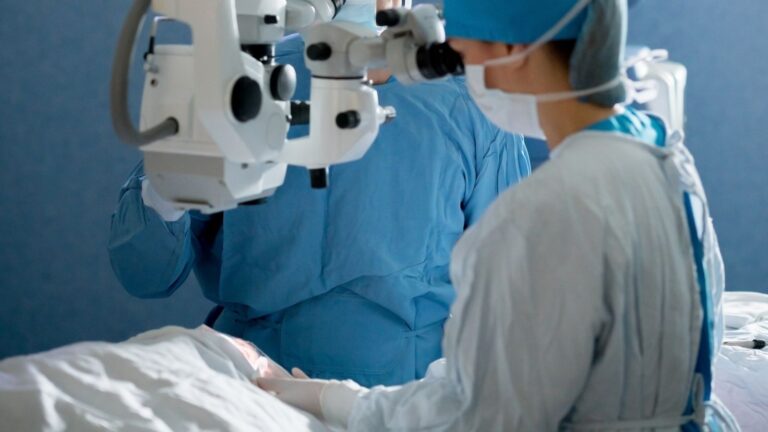
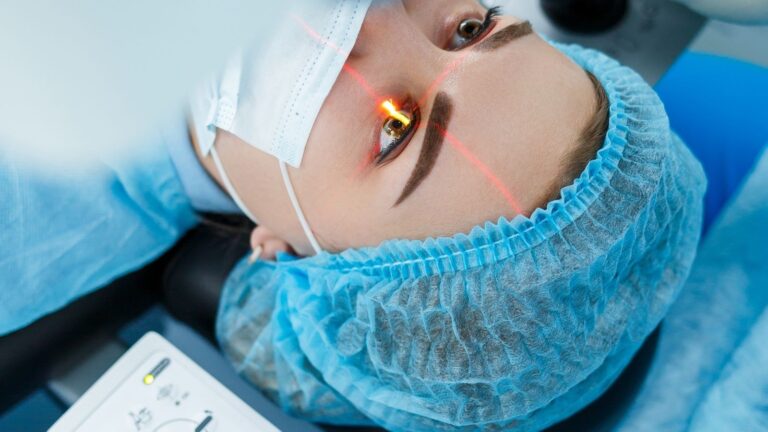
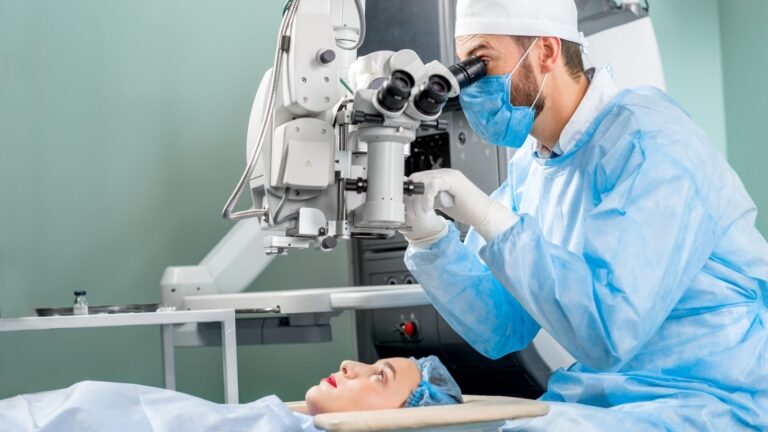
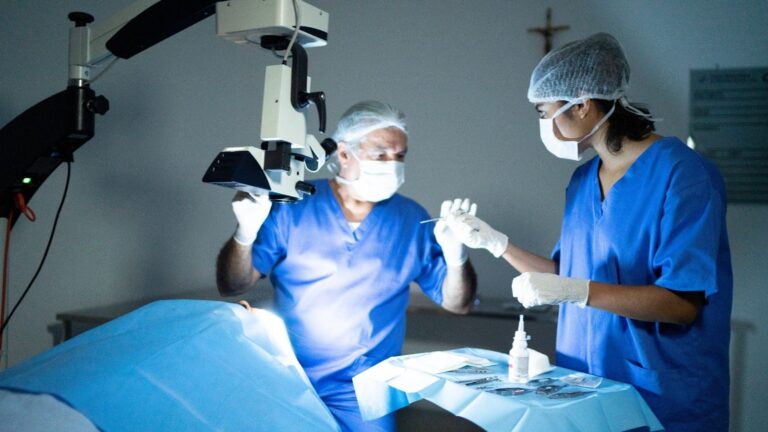
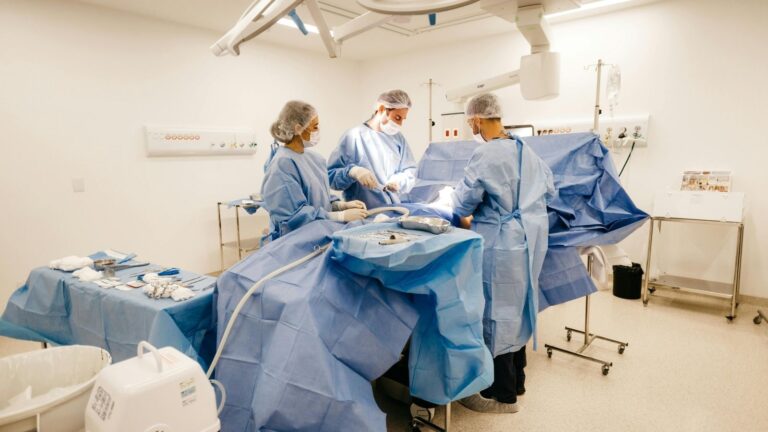
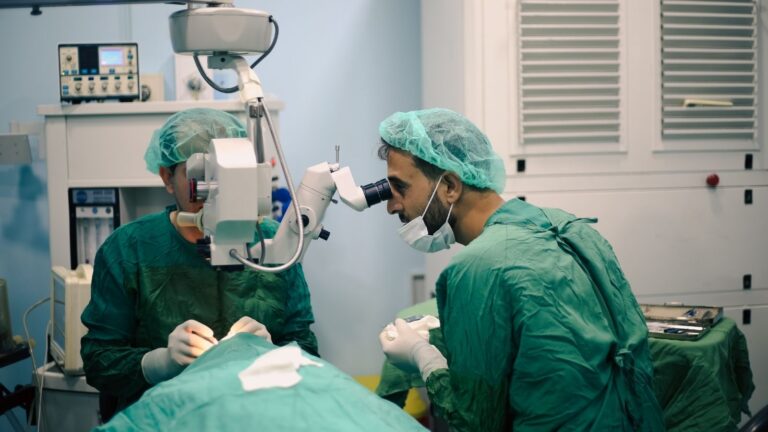
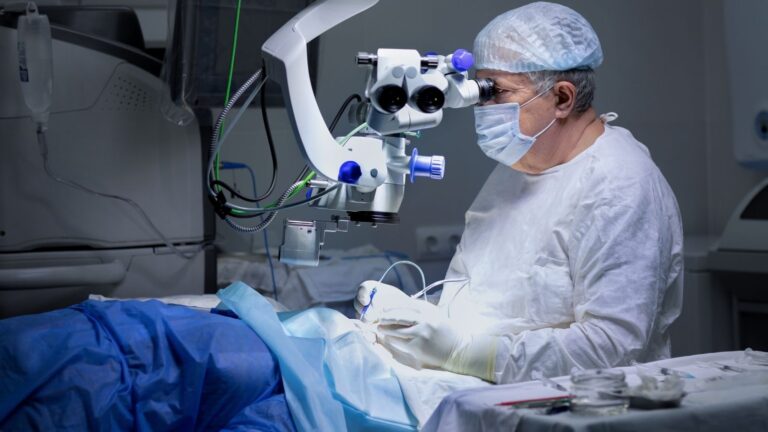
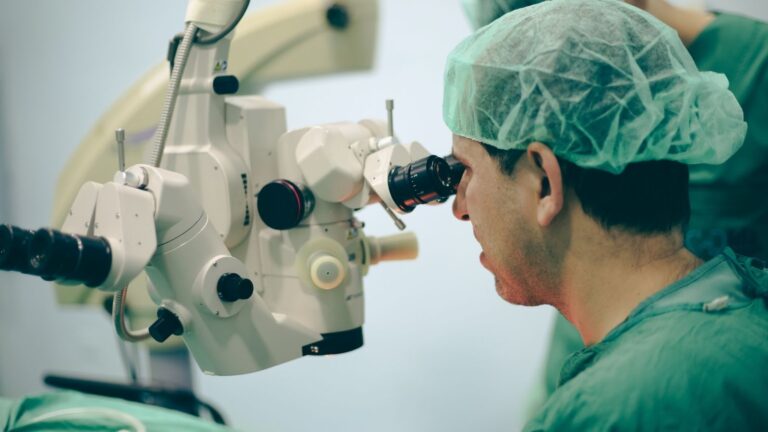
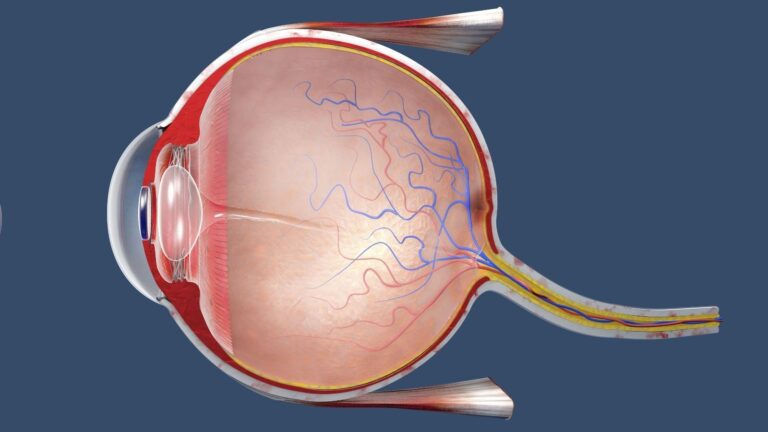
Trifocal intraocular lens surgery is a frequently preferred method for treating cataracts and presbyopia. The procedure involves removing the eye's natural lens and replacing it with a trifocal lens. The operation is performed under local anesthesia using phacoemulsification, a minimally invasive technique. The surgeon makes a small incision in the cornea, removes the cloudy lens, and implants the trifocal intraocular lens. Trifocal lenses provide clear vision at all distances, improving the patient's quality of daily life.
The steps of the operation are as follows:
- Local anesthesia is administered.
- A small incision is made in the cornea.
- The cloudy lens is fragmented using phacoemulsification.
- The fragments are removed from the eye by suction.
- The trifocal IOL is implanted.
Phacoemulsification allows rapid healing because it uses a small incision and generally does not require sutures. This enables patients to return to their normal activities within a short period. The operation takes approximately 15-30 minutes, and patients are generally discharged on the same day. Eye drop treatment and avoidance of physical activity are recommended during the postoperative period. Complete recovery may take several weeks. Careful positioning of the trifocal lens provides optimal vision at multiple focal distances.
Trifocal lens implantation is particularly advantageous for tasks requiring clear intermediate vision. It facilitates daily life by eliminating the need for glasses during activities such as computer use. The multifocal structure of the lens improves quality of life by providing clear vision at every distance.
Trifocal intraocular lenses (IOLs) are designed to provide a permanent solution and generally do not need to be replaced once implanted. These lenses are manufactured from biocompatible and durable materials. Once implanted in the eye, they do not wear out or deteriorate. Regular monitoring of eye health is important, but the lens itself can be used for a lifetime:
- Hydrophobic acrylic
- Biocompatible materials
- Permanent solution
Trifocal IOLs provide long-term correction of visual problems and eliminate the need for glasses or contact lenses in many cases. Glare or halos that may occur during the early postoperative period generally decrease over time. Most patients report high levels of satisfaction for many years. Unless a new eye condition develops, trifocal lenses do not need to be replaced.
Trifocal intraocular lenses are an advanced technology used to improve patients' visual quality, offering various advantages and certain limitations. One of the most important advantages of these lenses is that they allow patients to live independently of glasses. Many patients enjoy life without glasses by achieving clear vision at different distances while reading, using a computer, and driving. Trifocal lenses also perform effectively, particularly for intermediate-distance tasks, because they provide clear vision at multiple distances. Patient satisfaction with these lenses is also very high.
Advantages:
- Independence from glasses
- Clear vision at multiple distances
- Good performance at intermediate distances
- High patient satisfaction
However, trifocal intraocular lenses also have certain limitations. Halos and glare may appear around light sources at night, potentially causing difficulty, particularly when driving at night. Because the lenses divide light among three different focal points, contrast sensitivity may decrease slightly and visual clarity may be reduced under low-light conditions. These lenses may also be unsuitable for patients with certain ocular conditions.
Limitations:
- Halos and glare
- Reduced contrast sensitivity
- Unsuitability for certain eye conditions
After trifocal lenses are implanted, most patients experience an adaptation period while becoming accustomed to the lenses. During this process, the brain adapts to the new visual system, which may take time. Some patients may require additional procedures such as LASIK to improve the visual clarity provided by trifocal lenses. Therefore, although trifocal intraocular lenses offer independence from glasses and a broad range of vision, their specific limitations must also be considered.
Trifocal intraocular lens (IOL) surgery is a treatment method that provides highly successful results when the right candidates are selected. The success of this operation depends on assessing important factors such as the patient's age, lifestyle, and general eye health. Trifocal IOLs are particularly suitable for individuals seeking a life without glasses and requiring clear vision at both near and far distances. However, not every patient may be an ideal candidate for these lenses. The following criteria should be considered when selecting suitable patients:
- Age 40 or older
- Presbyopia or cataract
- Active lifestyle
- Need for near, intermediate, and distance vision
- Office workers and digital device users
- Healthy cornea and retina
- Mild or moderate cataract
Patients who are unsuitable for trifocal IOL surgery may have certain eye diseases. These conditions may adversely affect the quality of multifocal vision provided by the lenses and reduce the likelihood of a successful operation. Contraindications include:
- Macular degeneration
- Retinal diseases
- Irregular cornea
- Advanced glaucoma
- Severe dry eye disease
Patients considering trifocal IOL surgery should also be aware that these lenses may rarely cause certain visual side effects. Problems involving glare, halos, and night vision may occur more commonly with these lenses. It is particularly important to inform individuals who participate in contrast-sensitive activities, such as night driving, about these possible side effects. In most cases, however, these effects decrease over time and patients adapt to the new visual conditions.