Smart lens prices vary depending on the type and brand of lens used and the surgical center. The features of trifocal, multifocal, or toric lenses play a determining role in the price.
SGK covers standard lenses but does not cover smart lenses. Therefore, patients must cover the cost of the lens themselves. Prices vary according to personal preferences and needs.
Smart lenses can improve quality of life by reducing dependence on glasses in the long term. Although the initial cost may appear high, their long-term benefits should also be considered.
The most accurate pricing information is provided by the physician and healthcare center following an examination. Selecting a lens suited to the patient's individual needs helps achieve the best results in terms of both health and comfort.
What Are Smart Lenses and How Do They Benefit Patients?
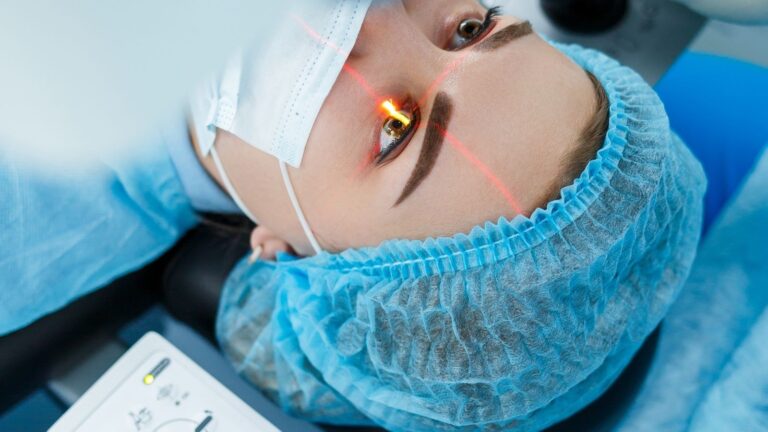
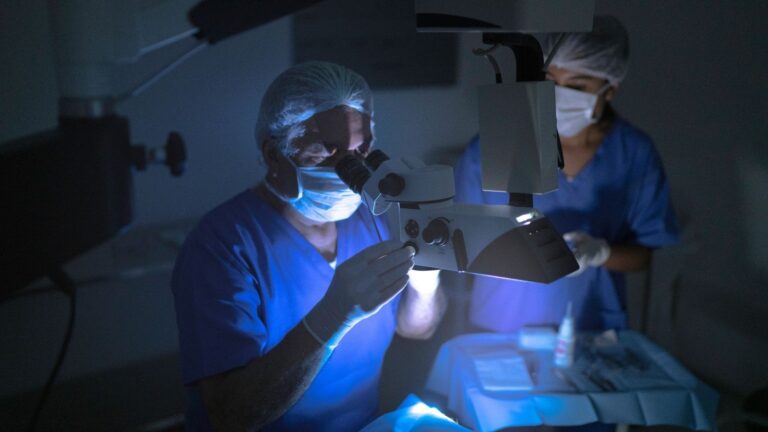
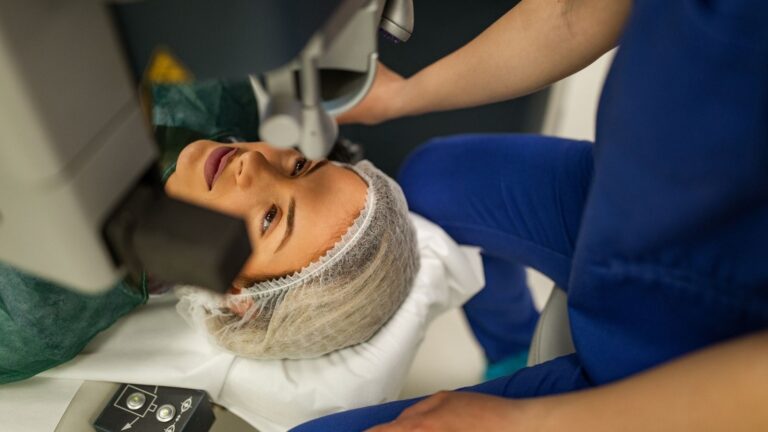
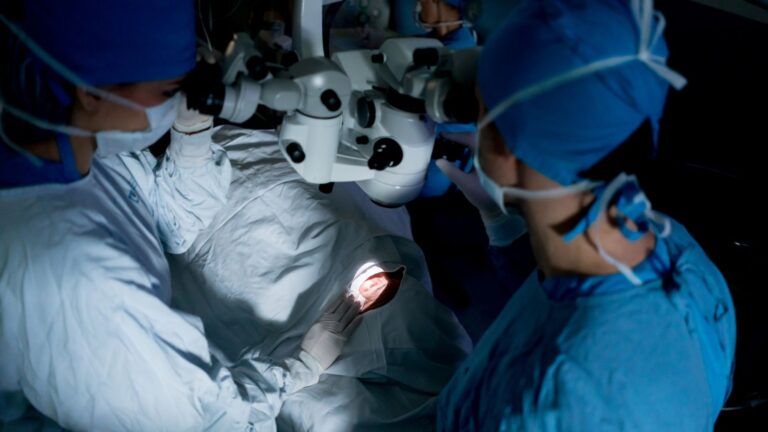
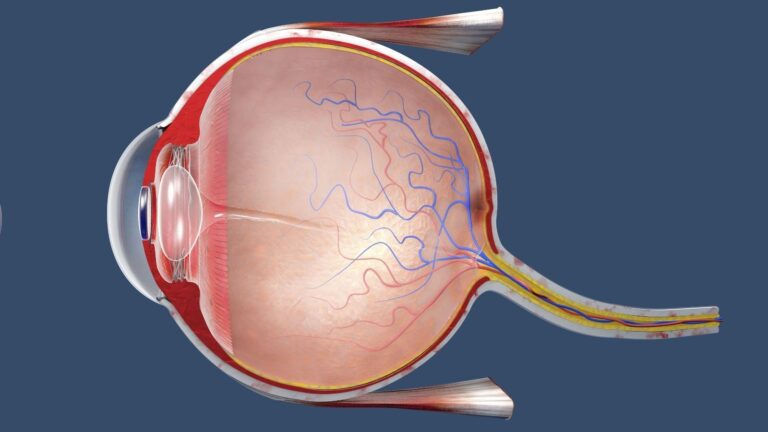
Smart lenses are advanced intraocular lenses developed to correct vision problems such as presbyopia and cataracts. During cataract surgery, they replace the clouded natural lens and provide clear vision. By offering the ability to focus at different distances, including near, intermediate, and far, they reduce or eliminate the need for glasses. With their micro-mechanisms and advanced technological features, smart lenses imitate the function of the natural lens.
- Multifocal lenses
- EDOF lenses, also known as extended depth of focus lenses
Smart lenses with blue light filtering features can reduce light sensitivity and provide clearer vision in situations such as driving at night. Prototypes capable of monitoring health indicators such as glucose levels are also expected to be developed in the future.
How Does the Lens Type Affect Smart Lens Prices?
One of the main factors affecting smart lens prices is the visual features and level of technology offered by the lens type. Each type of lens varies in price according to its ability to provide vision at different distances and the optical technology used.
- Monofocal lenses
- Bifocal lenses
- Trifocal lenses
- EDOF lenses
- Monofocal toric lenses
- Bifocal toric lenses
- Trifocal toric lenses
- EDOF toric lenses
Monofocal lenses focus only at a specific distance, making them a basic and more affordable option. Bifocal lenses have a more advanced structure that supports both near and distance vision and are therefore more expensive. Trifocal lenses provide clear vision at three different distances, minimizing the need for glasses. Their advanced technology and material quality generally make trifocal lenses one of the highest-priced options. EDOF lenses, which provide a continuous range of vision at far and intermediate distances while also contributing to near vision, use some of the latest lens technology and are also among the highest-priced options.
All these lens groups are also available in versions designed to correct astigmatism. These lenses are known as toric lenses. They can also correct the patient's corneal astigmatism. Lenses with this technology, such as EDOF toric or trifocal toric lenses, constitute the highest-priced lens group.
How Do Brand and Material Quality Affect Smart Lens Prices?
The main factors determining smart lens prices vary according to the quality of the materials used and the reputation of the brand. Premium brands offer lenses manufactured using advanced technologies and biocompatible materials, which increases their prices. These brands invest in extensive research and development processes to improve the reliability of their products, and these investments are reflected in the cost. The main factors affecting smart lens prices include:
Material types: silicone hydrogel, biocompatible polymers
Technological features: glucose sensors, augmented reality integration
Advanced coatings: protection against protein deposits, light sensitivity adjustments
These smart lenses have features that protect eye health while improving user comfort and visual clarity. The use of high-quality polymers reduces eye irritation and provides comfort during long-term use. Brands that stand out for their technology, comfort, and durability add extra cost layers to their products, making these lenses appealing to health and technology enthusiasts.
How Do the Selected Clinic and the Surgeon’s Expertise Affect the Cost of Smart Lenses?
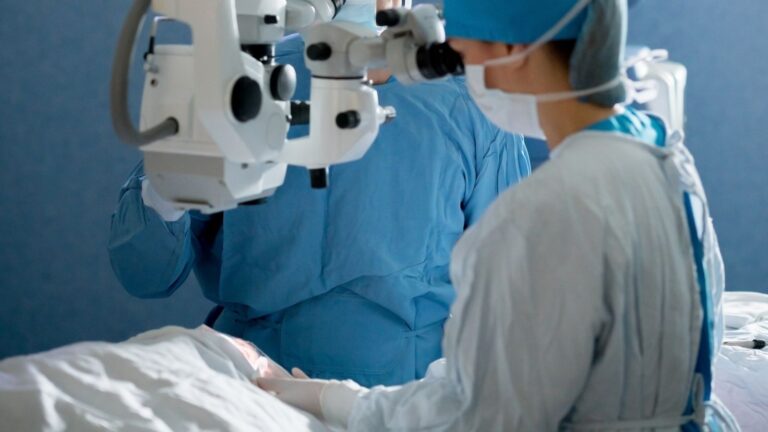
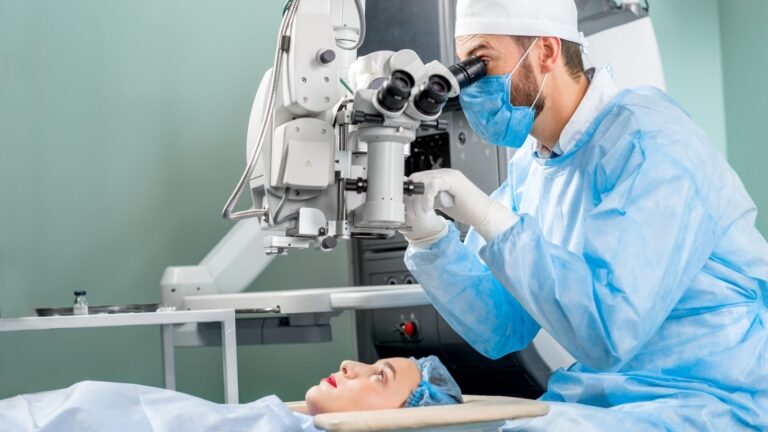
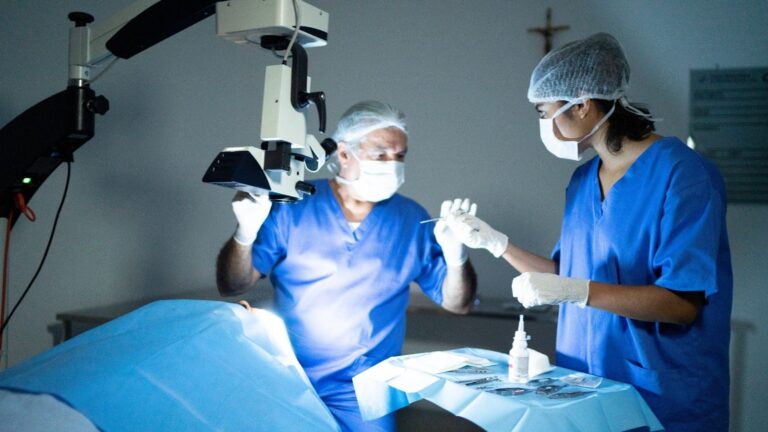
The choice of clinic and the surgeon's level of expertise can significantly affect the cost of smart lens surgery. Particularly in complex procedures such as multifocal lens implantation, experienced surgeons have the knowledge and skills required to increase success rates and reduce the risk of complications. This expertise provides high-quality results during the treatment process and increases patient satisfaction. Choosing an experienced surgeon for procedures involving these premium intraocular lenses is generally associated with higher costs.
Factors that may affect clinic prices include:
- Reputation of the clinic
- Surgeon's experience
- Urban location
- Laser-assisted technology
- Postoperative care
Clinics located in major cities or high-cost areas may charge higher prices, particularly when they offer state-of-the-art equipment and advanced treatment facilities. A clinic's reputation for providing high-quality care includes not only the surgeon's skills but also its investments in advanced diagnostic tools, personalized treatment planning, and detailed postoperative care. Clinics that patients trust and that offer advanced facilities create an environment of confidence that justifies higher fees for premium lens options.