Contents:
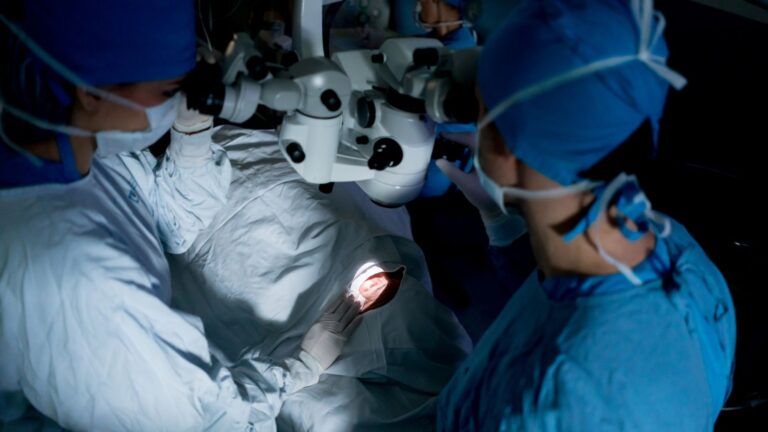
Laser eye surgery is a surgical method that aims to permanently correct refractive errors such as myopia, hyperopia, and astigmatism. Prices vary depending on the technology used and the patient's eye structure.
Different laser techniques are available, including No-Touch, LASIK, and PRK. The method to be applied depends on corneal thickness and the degree of the refractive error. These factors also directly affect the cost.
The clinic where the surgery is performed, the surgeon's experience, and the technology of the equipment used can lead to price differences. Preoperative examinations and postoperative follow-up appointments may also be included in the total cost.
When evaluating prices, reliability and success rates should be considered alongside the cost. Choosing high-quality equipment and an experienced ophthalmologist is important for long-term success and eye health.
How Does the Type of Laser Procedure Affect Prices?
The technique selected for laser eye surgery is one of the most important factors directly affecting the cost. Each laser procedure has different pricing based on the technology used, the level of personalization, and the surgical details. Selecting the most appropriate method for the patient's eye structure helps achieve safe and effective results, while also creating price differences between techniques.
Costs of different types of laser eye surgery:
PRK: Reshapes the cornea without requiring a flap and is generally the most affordable option.
LASIK: A standard procedure that is generally more economical than other techniques.
FemtoLASIK: Offers more precise and safer treatment by creating the flap without a blade.
SMILE: Often preferred for high myopia and is more expensive because it requires advanced technology.
Differences in the prices of laser eye surgery methods are also associated with recovery time, the potential for side effects, and the quality of vision that each technique can provide. For example, recovery may take longer after PRK, while advanced techniques such as SMILE and LASIK offer high performance in terms of precision and speed. These factors help patients select a suitable method based on their expectations and plan their budget accordingly.
How Do the Doctor’s Experience and Reputation Affect Laser Eye Surgery Prices?
Laser eye surgery prices can vary significantly depending on the surgeon's experience and reputation. Experienced and reputable surgeons generally charge higher fees because they offer safer and more successful outcomes, particularly by reducing the risk of complications. This difference in cost is based on increased confidence in the treatment and the desire of patients to achieve high-quality results. Since laser vision correction requires solutions tailored to the individual eye structure, experience plays an important role at this stage.
In addition, specialized surgeons often work in clinics equipped with the latest technology and comprehensive facilities. This advanced infrastructure supports the surgeon's ability to address complex vision problems while also improving patient comfort throughout the surgical process. Although the costs associated with advanced technology and high-quality equipment are reflected in the overall fees, many patients prefer to invest in services that offer a safe procedure and high satisfaction. In this context, the surgeon's experience and reputation stand out as determining factors in patients' decisions regarding laser eye surgery.
Why Do Clinic Quality and Location Affect Laser Surgery Prices?
Many factors affecting laser eye surgery prices directly influence treatment quality and patient outcomes. The quality and location of clinics play a determining role in the cost of laser eye surgery and are reflected in prices for various reasons. Clinics in more developed areas may increase their prices due to expenses such as higher rent and staff salaries, while clinics in rural areas may offer lower costs. This makes environmental factors important in determining surgical costs.
Main factors:
- Clinic location
- Level of technology
- Surgeon's experience
- Postoperative care
Depending on the quality of the clinic, some centers invest in advanced technologies such as bladeless FemtoLASIK. These innovations can improve patient outcomes while shortening the duration of the procedure. Therefore, these clinics may charge higher fees due to the cost of maintaining advanced equipment and the need for experienced staff.
The surgeon's experience and the clinic's reputation are also important factors affecting the cost of laser eye surgery. Experienced surgeons may charge higher fees because they have a higher success rate in meeting patients' expectations.
How Does the Patient’s Eye Condition Determine the Price of Laser Eye Surgery?
The patient's eye condition is one of the main factors directly affecting laser eye surgery prices. Each person's eye structure determines the details of the laser procedure and the techniques used. Therefore, certain characteristics of the eye and existing eye health problems can significantly change the price.
Corneal thickness is important for performing laser eye surgery safely. Alternative methods such as PRK may be preferred over LASIK for people with thin corneas. This affects the technique and type of equipment used, resulting in price differences. Patients with high prescriptions may also require more expertise than a standard procedure because more corneal tissue needs to be reshaped. This may create a need for advanced technologies and multiple treatments, increasing the cost.
In addition, specific eye health conditions such as keratoconus or glaucoma can also increase costs. In such cases, additional treatments such as collagen cross-linking or advanced monitoring techniques may be required. Additional care, including preoperative and postoperative consultations and medications, may also increase costs for patients with eye health conditions.
How Does the Level of Technology Affect Laser Eye Surgery Prices?
One of the most important factors affecting the pricing of laser eye surgery is the level of technology used. Advanced laser systems and personalized treatment techniques provide greater precision and safety while also increasing the cost of the procedure. This is reflected in the fees charged by clinics for laser eye surgery. Some of the technologies used create detailed maps of the eye surface, improving surgical outcomes and patient satisfaction. Clinics may use various types of laser technology depending on their technological capabilities.
- Wavefront-LASIK
- Bladeless femtosecond LASIK
- Topography-guided laser systems
- Specialized lasers used in the SMILE procedure
These advanced technologies used in eye surgery allow patients to recover more quickly and reduce the risk of complications. This can help patients avoid additional costs in the long term.
These advanced technological solutions require surgeons to undergo specialized training and certification. In addition, the ongoing maintenance and updates required for advanced laser equipment increase operating costs and directly affect treatment fees.