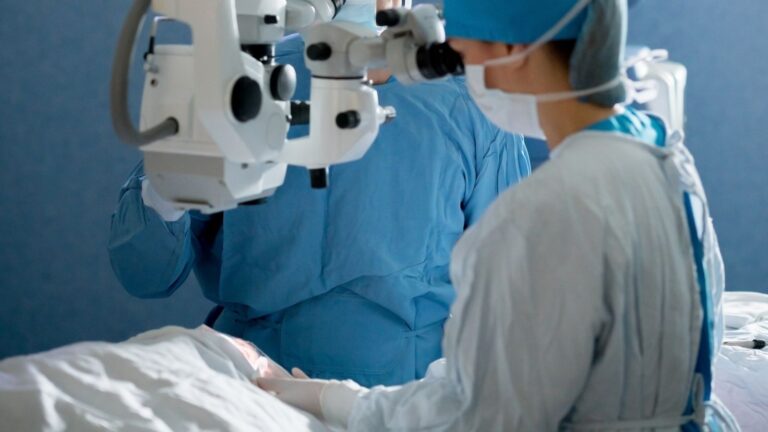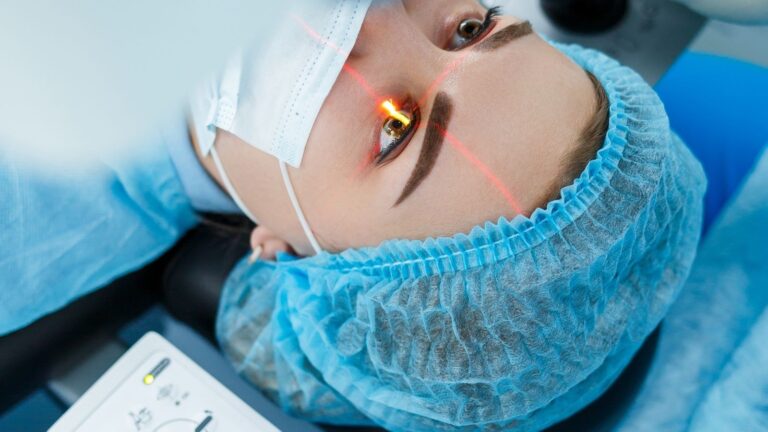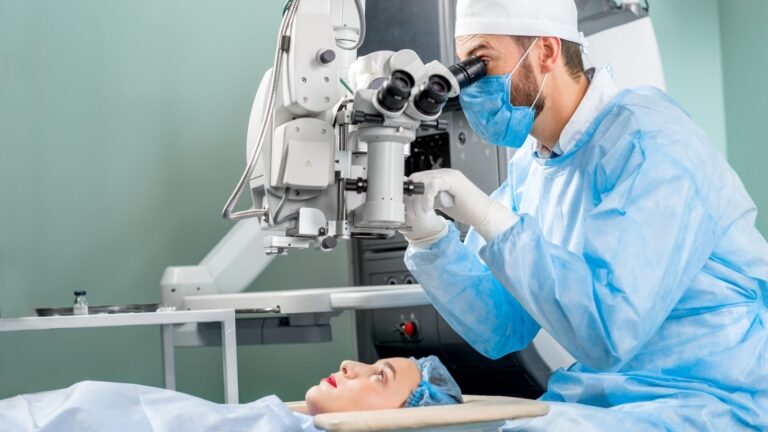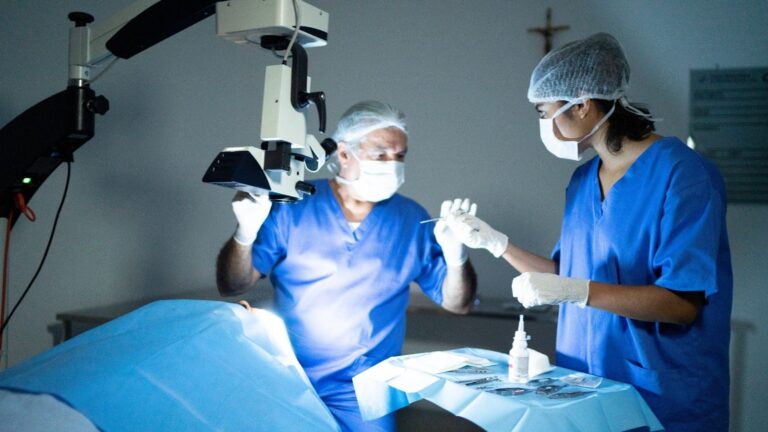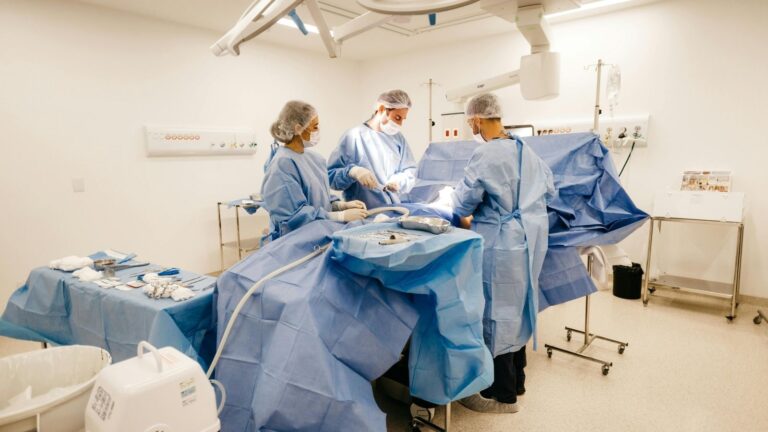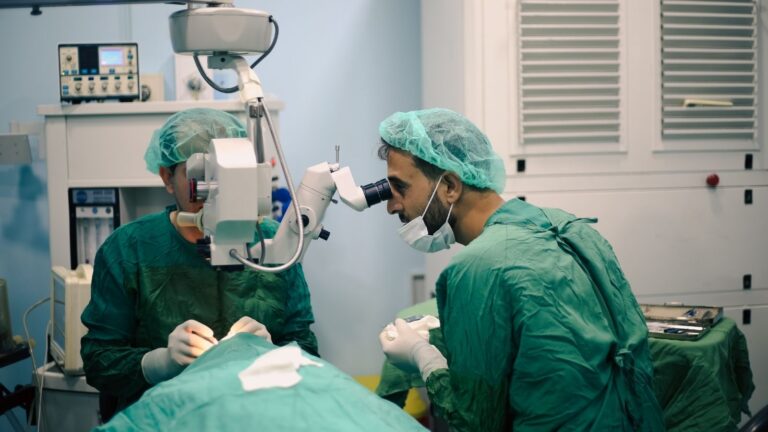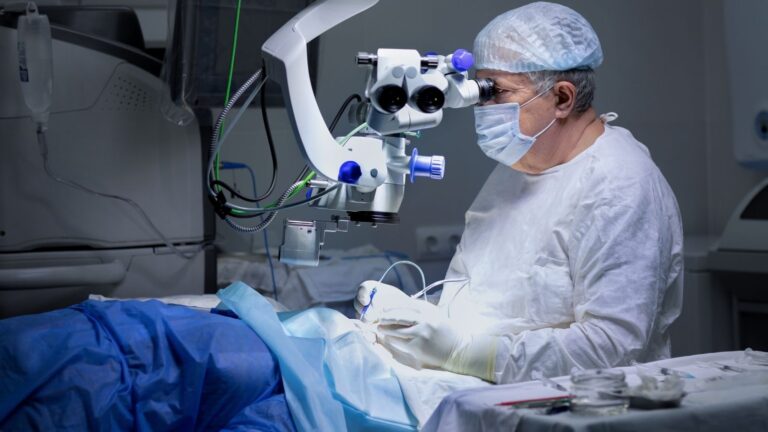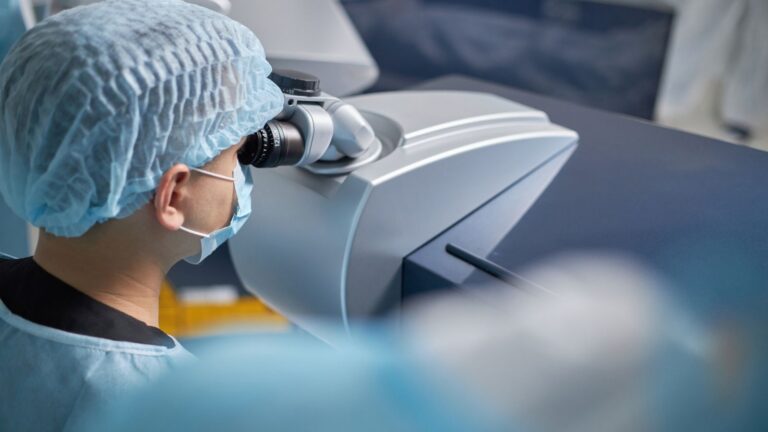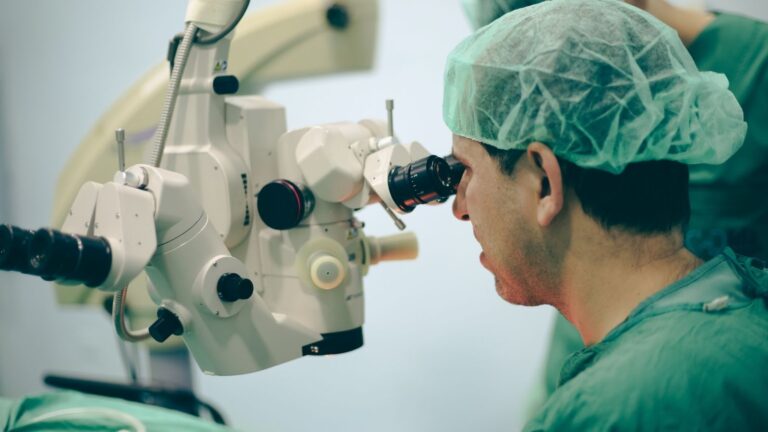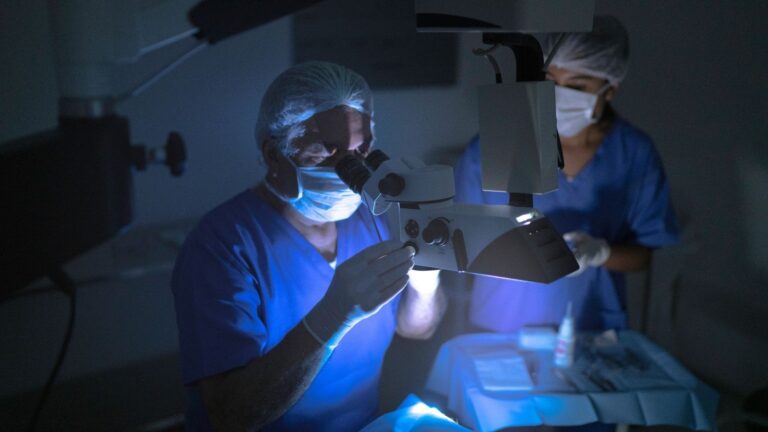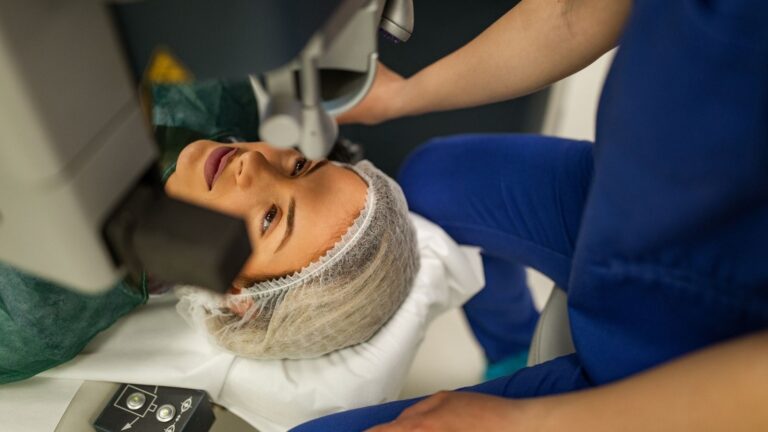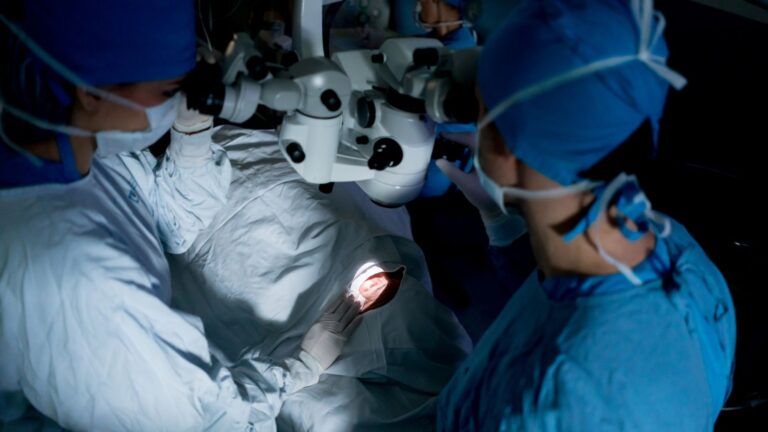
Laser cataract surgery is a procedure in which the lens causing clouded vision is removed and replaced with an artificial lens. Femtosecond laser technology allows the surgery to be performed with greater precision and safety.
The incisions in the eye are made under computer control using a laser. This reduces the risk of complications and shortens the recovery period. It also makes it easier to fragment the lens and improves the success of the operation.
Compared with traditional cataract surgery, the laser-assisted method provides more stable results. It may also reduce the patient's need for glasses by allowing astigmatism correction. It is particularly preferred for patients with sensitive eye structures.
Visual quality improves rapidly after surgery, and the patient can return to daily life within a short period. Regular follow-up examinations are important for monitoring adaptation to the new lens. The laser-assisted method is the standard in modern cataract surgery.
| Definition | A procedure in which the natural lens affected by cataract is fragmented and removed using a femtosecond laser and replaced with an intraocular lens |
|---|---|
| Indications | Cataract treatment and patients requiring intraocular lens replacement |
| Procedure | Under local anesthesia, a specialized femtosecond laser device is used to create incisions in the cornea and an opening in the lens capsule. The lens is then removed using ultrasound, known as phacoemulsification, and an artificial lens is implanted |
| Preparation | Detailed eye examination, biometry and topography measurements, and preoperative eye drops |
| Side Effects | Temporary blurred vision, mild pain, eye redness, light scattering, and rarely intraocular infection |
| Advantages | Minimal contact with tissue, high precision, faster recovery, and reduced surgical risks |
| Disadvantages | It may not be suitable for every case. In advanced, hard cataracts, it may sometimes be necessary to switch to conventional surgery |
| Who Is Not Suitable | Patients with severe corneal opacity, an active eye infection, or an inability to adapt to the laser device |
| Who Commonly Receives It | Patients who require sensitive tissue protection, those with high astigmatism, and those with a suitable corneal structure |
| Recovery Time | Patients generally return to daily life within a few days to one week. Full visual clarity is achieved within several weeks |
| Complications | Infection, increased intraocular pressure, retinal detachment, lens displacement, and rarely corneal damage |
| When to Consult a Doctor | If sudden vision loss, severe pain, increasing redness, flashes of light, or discharge develops |
What Are the Differences Between Laser Cataract Surgery and Traditional Cataract Surgery?
Laser-assisted cataract surgery has several important differences compared with traditional cataract surgery. These differences are particularly evident in key areas such as precision, the use of handheld instruments, and the ability to correct astigmatism.
In laser-assisted cataract surgery, steps such as creating corneal incisions and fragmenting the lens are performed using computer-assisted lasers. With the traditional method, these procedures are performed manually by the surgeon using handheld instruments. The precision of the laser reduces the risk of human error and provides more predictable results.
In laser surgery, the incisions made in the cornea are more controlled and customized according to the anatomy of the eye. This reduces trauma and shortens the recovery period. The laser creates a detailed map of the eye, allowing each step to be performed with greater accuracy. Laser surgery provides a significant advantage, particularly for patients with astigmatism, because laser-assisted reshaping of the cornea allows the astigmatism to be corrected. While traditional cataract surgery requires additional procedures to correct astigmatism, the laser-assisted method can perform this correction during the operation.
Laser-assisted cataract surgery may be more suitable for patients with complex eye conditions or in cases accompanied by astigmatism. These innovations resulting from technological developments have the potential to improve surgical outcomes. However, the procedure may be expensive and may not be covered by insurance.
What Are the Benefits of Laser Cataract Surgery?
Laser cataract surgery offers several advantages over traditional methods and stands out as an option that improves patients' visual health. This operation may provide better results because it increases precision and offers customized treatment options:
- More precise incisions
- Three-dimensional mapping of the eye
- Less trauma to the eye
- Faster recovery
- Astigmatism correction
- Reduced use of ultrasound energy
- Shorter surgical duration
- Less postoperative discomfort
Laser cataract surgery provides a significant advantage, particularly for patients with astigmatism. Precise laser-assisted incisions can correct astigmatism and reduce the need for glasses or contact lenses. For patients with complex eye conditions, the high precision provided by the laser also makes it easier to achieve safer and more successful results.
This method accelerates recovery, particularly in older patients, and carries a lower risk of complications than traditional methods. Laser technology not only makes cataract operations more effective but also more comfortable, improving patients' visual quality. The high level of predictability provided by this procedure also supports the accurate positioning of premium intraocular lenses, potentially improving long-term visual performance.
Who Is a Suitable Candidate for Laser Cataract Surgery?
Laser-assisted cataract surgery may be an ideal method for patients with certain eye conditions or those who prefer more advanced treatment options. The precision provided by this method contributes to better visual outcomes in certain patient groups. Individuals with astigmatism or those who want advanced intraocular lenses (IOLs) may particularly benefit from this technique.
Suitable candidates for laser cataract surgery may include:
- People with astigmatism
- People who want multifocal lenses
- People interested in toric lenses
- People with mild corneal opacities
- People who have previously undergone refractive surgery, such as LASIK
In addition to these groups, people seeking greater precision and predictability for better postoperative visual outcomes may also prefer laser-assisted cataract surgery. The precision and control provided by the laser may be more advantageous for patients with more complex eye conditions compared with traditional methods.
However, traditional cataract surgery remains a sufficient and effective option for patients with otherwise healthy eyes who do not require advanced lenses. Both traditional and laser-assisted cataract surgery generally provide similar recovery periods and visual outcomes. The additional cost of the laser-assisted method may therefore be unnecessary for some patients.
What Should Patients Expect Before, During, and After Laser Cataract Surgery?
Laser cataract surgery offers patients an advanced option for cataract treatment and involves various stages before, during, and after the operation. These stages aim to protect the patient's eye health as effectively as possible and accelerate the recovery process. Comprehensive preoperative preparation, the procedures followed during surgery, and postoperative care are highly important for ensuring a smooth recovery.
Preoperative Preparation
- Eye examination
- Intraocular pressure measurement
- Determination of lens power
- Additional imaging methods such as OCT
- Review of medications
- Anti-inflammatory and antibiotic eye drops
- Fasting and transportation arrangements
Procedures Performed During Surgery
- Anesthetic eye drops
- Mild sedation, when required
- Use of a femtosecond laser
- Capsulotomy
- Lens removal using the phacoemulsification technique
- Implantation of an artificial IOL
Postoperative Care
- Mild discomfort and blurred vision
- Antibiotic and anti-inflammatory eye drops
- Postoperative follow-up appointments
- Avoiding strenuous activities
- Protecting the eyes with sunglasses
Patients generally experience a rapid recovery after surgery. A significant improvement in visual quality may be noticed within the first 24 hours, while complete recovery may take several weeks. During this period, patients must be careful, follow the doctor's instructions, and take particular precautions against infection. Laser cataract surgery may also help correct additional eye problems such as astigmatism, and the final visual outcomes can significantly improve the patient's overall quality of life.