
Contents:
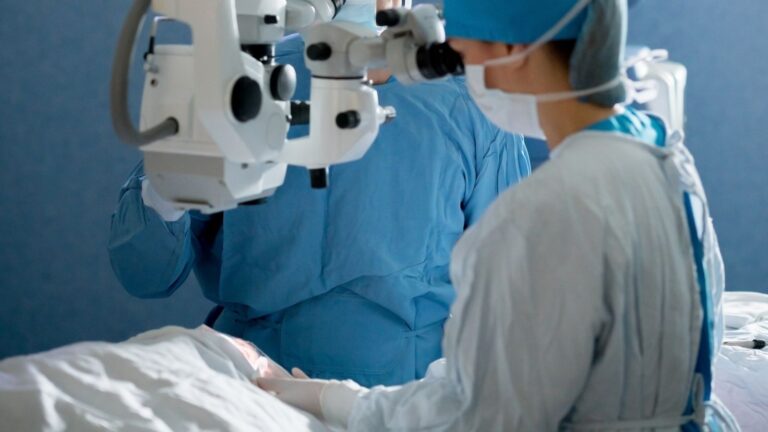
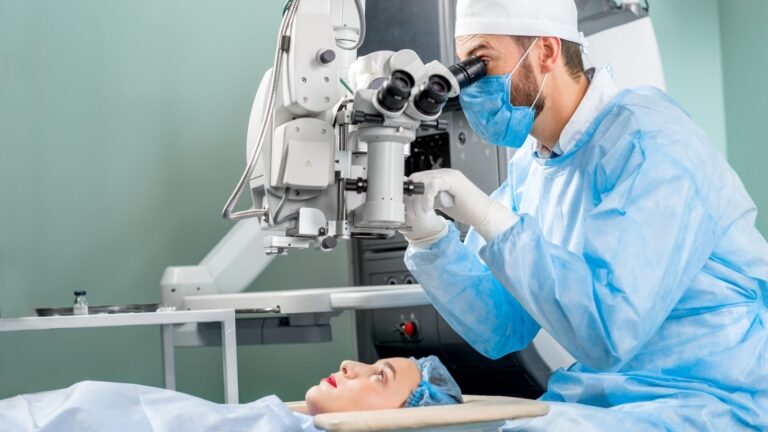
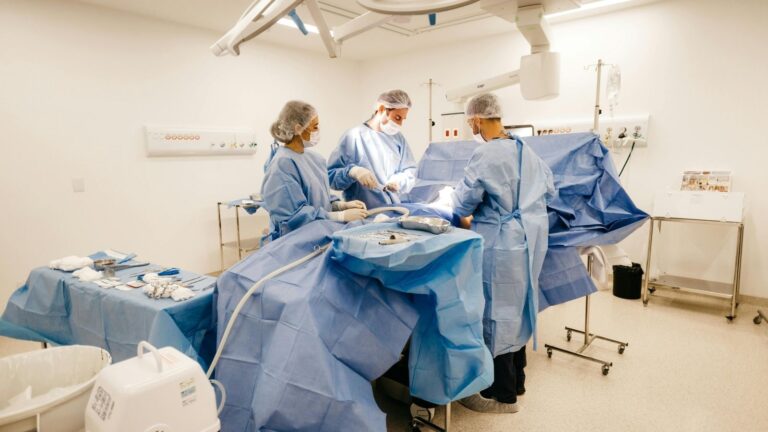
The answer to how long cataract surgery takes is approximately 10 to 20 minutes for most patients. This period refers only to the active surgical procedure performed in the operating theatre. When preoperative preparations and brief postoperative observation are included, the total time spent at the hospital may be longer. The hardness of the cataract, how well the pupil dilates and other eye conditions can affect the duration of surgery. Most procedures are performed under local anaesthesia, and the patient can return home on the same day. However, the type of anaesthesia, the decision to discharge the patient and the recovery process are determined according to each patient's condition.
How Long Does the Surgical Procedure Take?
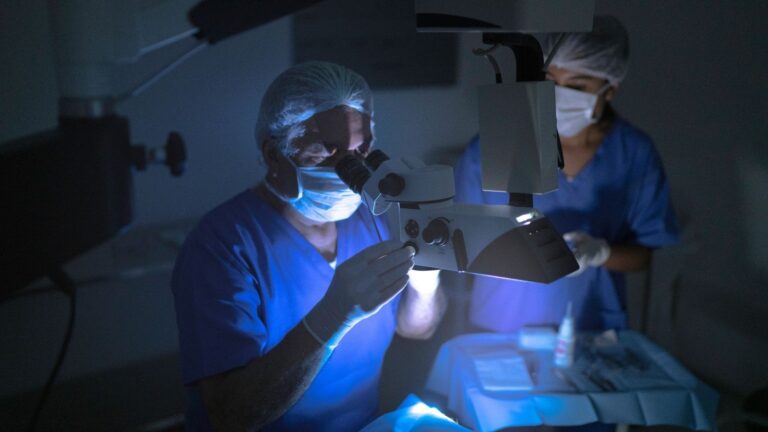
In cataract surgery that proceeds without complications, the active surgical stage is generally completed within 10 to 20 minutes. The procedure may take less time for some patients, while more time may be required in other cases. This difference does not mean that the surgery has gone worse than expected. Depending on the anatomy of the eye and the condition of the lens, the surgical steps may need to be performed more carefully. The procedure may take longer, particularly in cataracts that have been present for a long time and become hard. Performing the procedure according to the needs of the eye is more important than completing it quickly.
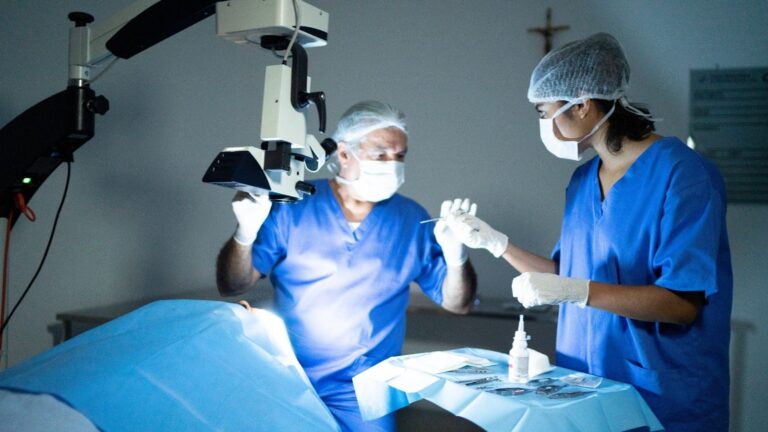
The duration of surgery and the total time spent at the hospital are different. Registration, pupil dilation, preparation for anaesthesia and postoperative assessment require additional time. It is therefore considered normal for the patient to remain at the clinic for a few hours. In some cases, the total time may reach approximately 2 to 3 hours. However, this period varies according to the way the centre operates, the patient's general health and the planned type of anaesthesia. A short surgical procedure does not mean that the preparation and follow-up stages can be omitted.
What Happens During the Phaco Procedure?
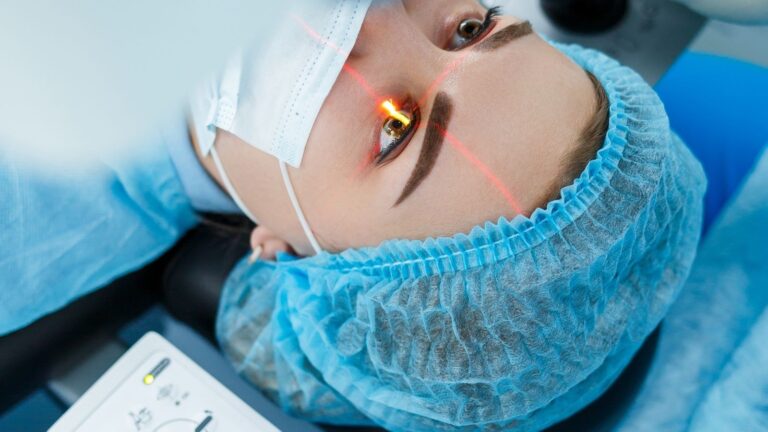
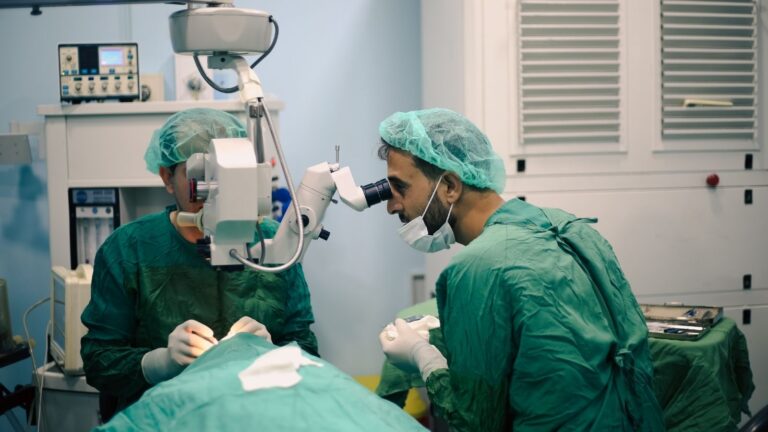
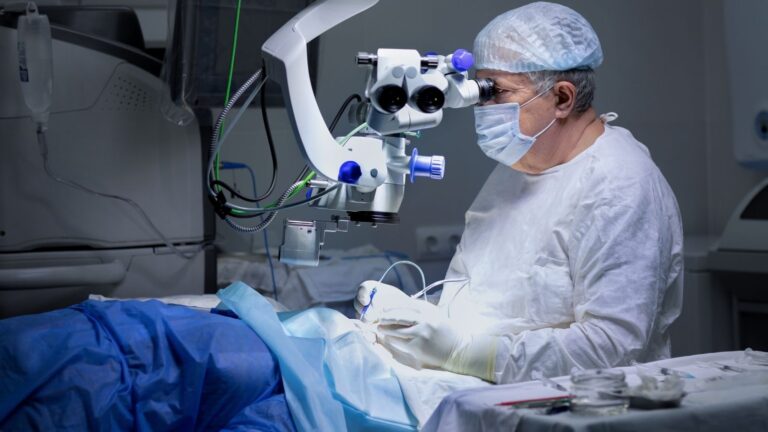
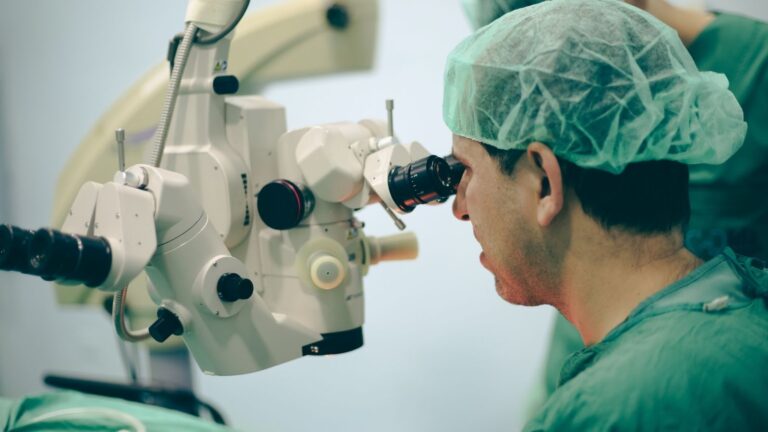
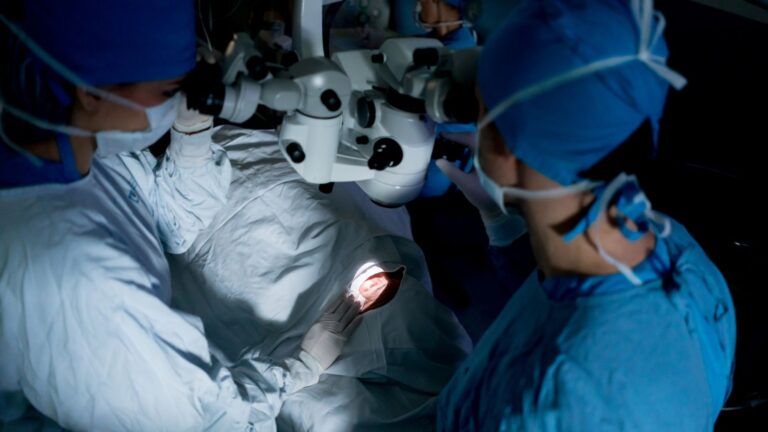
In phacoemulsification, a method frequently used in cataract surgery, the natural lens that has lost its transparency is removed through a small incision. Ultrasound energy is used to break the cloudy lens into small pieces. These pieces are then removed from the eye in a controlled manner. An artificial intraocular lens is subsequently implanted to help refocus vision. The characteristics of the lens to be used are determined according to the measurements taken before surgery. The scope of the procedure and the type of lens used may vary depending on the patient's eye structure.
Working through small incisions helps the operation proceed in a controlled manner. However, every eye is not expected to be treated using exactly the same technical details. Some patients may require additional measures to dilate the pupil or protect the tissues supporting the lens. Previous eye surgery may also affect the surgical approach. The existing characteristics of the eye are assessed before surgery to identify potential requirements. Therefore, even when the same method is used, the duration of the procedure is not identical for every patient.
Time Required for Preoperative Preparation
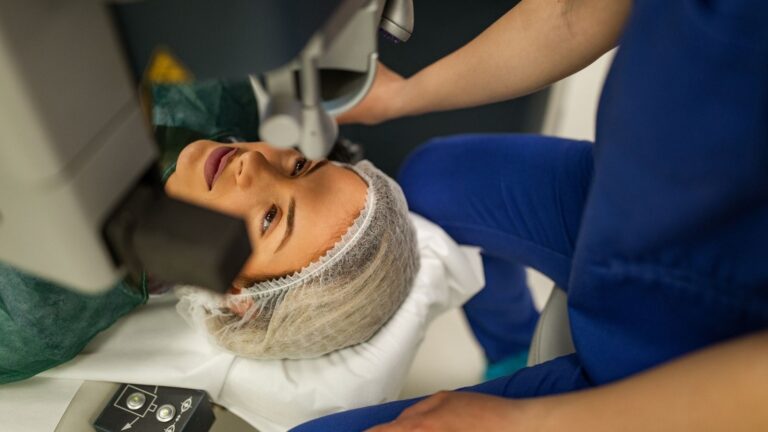
The preparation process for cataract surgery is important for planning the procedure safely. Eye drops may be administered before surgery to dilate the pupil. Drops to numb the eye or other methods of anaesthesia may also be considered at this stage. Preparations may take approximately 30 to 45 minutes for some patients. However, this period may vary if the pupil does not dilate sufficiently or an additional assessment is required. Preparing the patient appropriately for surgery is just as important as the duration of the procedure itself.
The medications being used, diabetes, hypertension and other health conditions should be reported before surgery. Whether fasting is required depends on the chosen type of anaesthesia. The same preparation rules do not apply to every procedure performed under topical anaesthesia. Regular medications should not be stopped or their dosages changed without medical guidance. Having someone accompany the patient can make the journey home after the procedure easier. Instructions concerning preparation should be assessed according to the patient's personal health condition.
What Is Felt During Anaesthesia?
Cataract surgery is usually performed under local anaesthesia provided with eye drops. Different methods of local anaesthesia applied around the eye or mild sedation may be preferred for some patients. General anaesthesia may be considered in certain medical situations or when the patient cannot cooperate during the procedure. Under local anaesthesia, the patient may notice lights or feel mild pressure during surgery. Severe pain is not expected, although the discomfort experienced may vary from person to person. The surgical team should be informed if discomfort occurs during the procedure.
What Can Cause the Surgery to Take Longer?
A hardened cataract may require more time to remove the lens. Insufficient pupil dilation can also make preparing the surgical field more difficult. Weakness of the ligaments that hold the lens in place, previous surgery and eye trauma are other factors that may affect the duration. In some eyes, the structure of the cornea or the anatomical characteristics of the anterior chamber may require the surgical approach to be changed. When accompanying eye conditions are present, the procedure may need to progress in a more controlled and gradual manner. Therefore, surgery lasting a few minutes longer does not by itself indicate an adverse outcome.
Can Both Eyes Be Operated on the Same Day?
Having cataracts in both eyes does not necessarily mean that both eyes will be operated on the same day. In practice, surgery is planned on different days for many patients. This allows the first eye's recovery and the outcome achieved to be assessed. The timing of surgery for the second eye is determined according to the patient's visual needs and the follow-up examinations performed after the first procedure. Surgery on both eyes on the same day may also be considered for selected patients. In this case, surgical preparation and sterilisation processes must be performed separately for each eye.
Hospital Stay After Surgery
After surgery has been completed, the patient may remain under observation for a short period. During this stage, the patient's general condition, the effects of the anaesthesia and the initial appearance of the eye are assessed. Although the observation period often ranges from 30 to 60 minutes, it is not the same for every patient. Most people are discharged on the same day and do not require an overnight hospital stay. However, additional health conditions or special circumstances arising during surgery may require longer monitoring. As driving is not appropriate on the day of surgery, the journey home should be planned in advance.
Does Vision Improve Immediately?
Recovery after cataract surgery requires a period of follow-up regardless of how long the procedure takes. Vision may be blurred after surgery due to the effects of the drops used to dilate the pupil or temporary changes in the cornea. Some patients notice clearer vision during the first few days, while it may take longer for vision to stabilise in others. The rate at which the eye heals can vary according to the existing health of the cornea and retina. Accompanying retinal conditions or other visual problems may affect the level of vision achieved after surgery. Everyone should therefore not be expected to achieve the same level of clear vision within the same period.
The prescribed eye drops should be used as instructed after surgery. Avoiding rubbing the eye and protecting it from injury are important for recovery. The appropriate time to resume swimming, strenuous physical activities or eye make-up is determined according to the follow-up findings. Same-day urgent assessment is required if increasing eye pain, significant redness or sudden vision loss develops. Follow-up examinations allow the eye's recovery and changes in vision to be monitored. You can contact me using the contact details on my website to arrange a non-urgent follow-up and examination appointment.