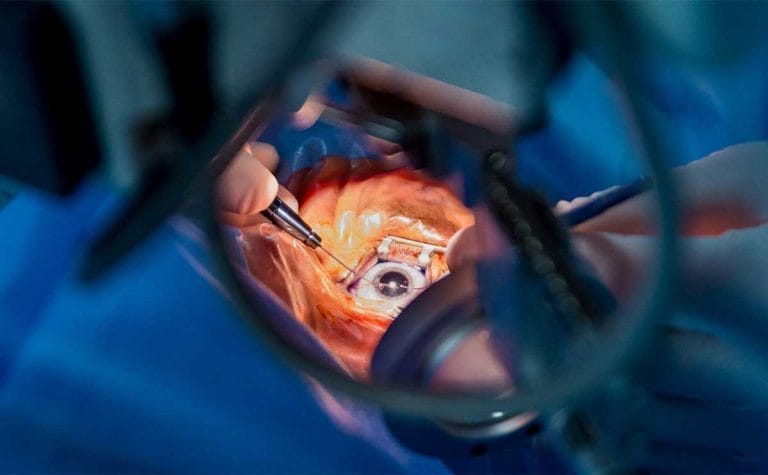
Air travel after eye surgery, such as retinal or glaucoma surgery, must be carefully evaluated in terms of intraocular pressure and the healing process. Permission to travel may vary depending on the type of surgery and the patient's condition.
Air travel is strictly contraindicated after retinal surgery, particularly in patients who have received a gas tamponade. As pressure changes can lead to vision loss, the doctor's approval must always be obtained.
Patients who have undergone glaucoma surgery must wait until their intraocular pressure has stabilized. This process may generally take several weeks. Traveling without following the doctor's recommendations increases the risk of complications.
Before planning a flight, an eye examination must be performed and the doctor's approval must be obtained. An individualized assessment is essential for a safe recovery process, and follow-up examinations must not be neglected.
Flying after retinal surgery requires careful consideration during the recovery process. In particular, if a gas bubble has been used in the eye, changes in air pressure may damage the eye. The required waiting period may vary depending on the type of surgery and the techniques used. If a gas bubble was used during retinal surgery, it may expand with changes in altitude and raise intraocular pressure to dangerous levels. It is therefore important to wait for the period recommended by the doctor before flying.
- If a gas bubble was used: 3-4 weeks
- If no gas bubble was used: 2-3 weeks
In addition to pressure changes during the flight, other factors that may adversely affect the eye's healing process must also be considered. Carefully following the doctor's recommendations and not neglecting postoperative care are vital for a safe recovery.
Flying after glaucoma surgery requires caution due to fluctuations in intraocular pressure. The healing process may be prolonged, particularly after trabeculectomy or tube shunt procedures, so the doctor's approval must be obtained before flying. It is generally recommended to wait at least 2 to 6 weeks after surgery before traveling by air. Some important points to consider during this period include:
- Attending regular medical check-ups to monitor intraocular pressure
- Using lubricating eye drops during the flight
- Staying hydrated
- Avoiding heavy lifting
- Ensuring access to prescription medications
Long-distance travel is not recommended during the recovery period. The ophthalmologist evaluates the condition of the eye after surgery and determines whether air travel is safe. Measures such as using eye drops regularly and preventing the eyes from becoming dry play an important role in the recovery process.
Flying immediately after eye surgery may lead to various complications because altitude changes can affect intraocular pressure (IOP). This becomes even more hazardous when a gas bubble is used during retinal surgery. A reduction in cabin pressure may cause the gas bubble to expand and the IOP to rise suddenly, potentially leading to serious consequences. The expansion of gases used in retinal surgery may cause problems such as pain and vision loss. In glaucoma surgery, pressure changes during the flight may adversely affect the healing process. The doctor's approval is therefore essential before flying after surgery.
The potential risks during a flight depend on the type of gas used, the severity of the surgery, and the patient's general health. As the gas bubble may take weeks to disappear completely, it is important not to rush into flying after retinal surgery. Gases such as sulfur hexafluoride (SF6) generally disappear within 1-2 weeks, while perfluoropropane (C3F8) may take 6-8 weeks. Although early air travel may be possible in some cases after glaucoma surgery, waiting several weeks is generally the safest approach to allow the eye to heal properly. In both situations, the doctor's postoperative instructions must be followed to minimize the risks.
If air travel is planned after eye surgery, the precautions recommended by the doctor must be followed carefully. The eyes may be more sensitive after surgery, so additional care is required during the flight to reduce this sensitivity. The following steps should be followed to prevent discomfort and support the healing process:
- Use lubricating eye drops
- Avoid rubbing your eyes
- Wear sunglasses
- Drink plenty of water and avoid alcohol and caffeine
- Blink frequently and apply a warm compress
- Avoid lifting heavy luggage
- Keep your medications with you and use them as prescribed
Depending on the type of surgery, it is important to avoid bending over and strenuous physical activity during the flight. After certain procedures, the doctor may also recommend using a special eye shield to protect the eyes. All instructions provided by the doctor must be followed precisely before the flight. Cabin pressure changes may affect the pressure inside the eye, so patients who have undergone glaucoma surgery must be particularly careful. Avoiding remaining in the same position for a long time and moving around whenever possible during the flight may also be beneficial for eye health.
Longer waiting periods may be necessary after certain eye operations, such as vitrectomy, retinal detachment repair, and scleral buckling, due to the sensitivity of the healing eye. After these operations, the eye may become more sensitive to pressure, creating a risk during air travel. Particularly in operations involving a gas bubble, changes in intraocular pressure may lead to complications and prolong the recovery period. Patients must strictly follow their doctor's instructions after retinal and vitrectomy surgery. The recovery periods, which vary depending on the type of surgery, are listed below:
- Vitrectomy
- Retinal Detachment Repair
- Scleral Buckling
- Laser Procedures
It is important to remember that the doctor's recommendations must be followed to protect eye health after surgery. Each type of surgery involves specific risks and recovery periods, so it is vital for the eye to heal completely before flying. Factors such as regularly using eye drops and medications and taking precautions against the low humidity inside the cabin to prevent eye dryness must also be considered before traveling. Low air pressure and high altitudes may affect eye health, particularly after retinal surgery. The date of the postoperative flight must therefore be planned carefully.