
Methyl alcohol is converted into toxic metabolites in the body, causing serious damage to the nervous system and particularly the optic nerve. High-dose intake carries a risk of sudden and permanent blindness. Therefore, poisoning requires emergency medical intervention.
Headache, nausea, dizziness, and visual disturbances are among the early symptoms of methyl alcohol poisoning. Vision loss usually develops within hours and progresses rapidly. Early diagnosis is vital.
In cases of poisoning, the blood's acid-base balance is disrupted and metabolic acidosis develops. This condition reduces blood flow to the optic nerve and leads to optic neuropathy. If left untreated, permanent vision loss is inevitable.
Antidotes, hemodialysis, and supportive treatments are used during treatment. Early intervention can reduce nerve damage. In suspected cases, seeking emergency medical care without delay is necessary to preserve visual function.
Unfortunately, yes. One of the most alarming consequences of methyl alcohol poisoning is permanent vision loss. Even small amounts pose a serious risk because the formic acid produced can affect the delicate structures of the eye and cause irreversible damage.
Medical literature reports that ingesting as little as 10 mL of methanol can cause blindness. The fundamental problem is the "acid bath" effect that formic acid creates in the tissues. The mitochondria in the optic nerve, known as the powerhouses of the cell, become unable to function due to the effects of formic acid. The cells cannot produce the energy they need, and the optic nerve consequently loses its function. Once optic nerve damage occurs, regaining vision over the long term becomes extremely difficult, much like repairing a burnt cable.
"Arriving at the hospital too late" also has a major effect on this process. In cases that cannot be treated promptly, the acid load increases and the damage to the nerve tissue becomes more severe. Therefore, obtaining immediate medical assistance after any suspected methyl alcohol intake is the most important step in preventing blindness.
Eye-related problems often begin gradually, but the symptoms of methyl alcohol poisoning may become evident rapidly within hours. What may be observed in the early stage?
- Light sensitivity (photophobia): Imagine having to squint even in a dark room. This frequently occurs in methanol poisoning, and patients experience significant discomfort from bright light.
- Blurred vision: A visual disturbance resembling a poorly tuned television signal. Some patients describe it as "seeing snowflakes" or "looking through a veil of fog."
- Pain with eye movements: Feeling a stabbing pain when moving the eyes from side to side may be a serious warning sign rather than simple eye strain.
- Pupil reaction abnormalities: Our pupils normally constrict in bright light. In methyl alcohol poisoning, this reflex slows down or does not function properly.
- Impaired color vision: Difficulty distinguishing between red and green is one of the frequently reported symptoms.
These symptoms may appear suddenly. They may also be accompanied by general signs of poisoning, such as headache, nausea, and dizziness. Paying attention to these warning signs and not delaying medical assistance are highly important for preventing permanent damage.
When it comes to methyl alcohol, there is almost no such thing as a "small" amount. Sources indicate that even an amount as low as 10 mL can cause permanent blindness. Intake exceeding 30 mL may be fatal in many cases.
If these figures seem alarming, consider a small jam jar. Containers commonly found in many homes generally have a capacity of 200-250 mL. Even a much smaller amount can therefore push the body beyond a critical threshold. The use of methanol instead of or alongside ethyl alcohol in counterfeit alcoholic beverages can cause people to unknowingly reach dangerous doses after thinking they have consumed "only one or two drinks."
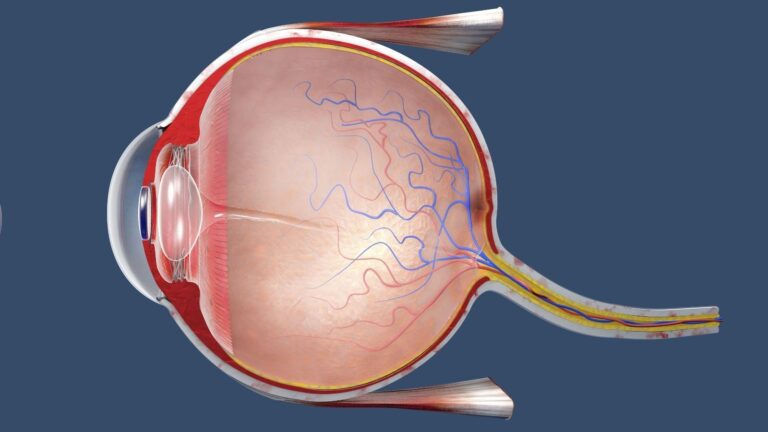
It would not be an exaggeration to say that the eye has a structure resembling the brain. The retina and optic nerve are highly complex structures that "read" the outside world and transmit this information to the brain. Like the processor of a high-tech computer, the optic nerve consumes a great deal of energy.
When methyl alcohol enters the body, its dangerous metabolite, formic acid, particularly targets the mitochondria. When the mitochondria's capacity for aerobic respiration and ATP, the energy molecule, production is disrupted, cells with high energy requirements are affected first and most severely. The optic nerve is one of these cell groups. The comparison to cutting the electrical cables supplying a computer processor, causing the system's "image processing" function to collapse, is therefore highly appropriate.
Certain regions of the optic nerve, such as the prelaminar region, also operate through a highly sensitive system for accessing blood and oxygen. The energy blockage caused by methyl alcohol turns this sensitivity into a disadvantage.
One of the most critical problems in methanol poisoning is the worsening of metabolic acidosis. Just as acid spilled into a lake destroys the habitat of fish, an increase in blood acidity, meaning a lower pH, disrupts the vital functions of cells. When methyl alcohol is converted into formic acid in the liver, this acid enters the bloodstream and triggers metabolic acidosis.
The effects of metabolic acidosis on the eyes can be explained by its disruption of oxygen utilization in the tissues. Formic acid blocks the respiratory chain within the mitochondria, undermining energy production. This condition progresses very rapidly, particularly in optic nerve cells. As acidity increases, the cell's chemical balance collapses and the damage becomes permanent. At this point, reducing the body's acid load through timely intervention, such as bicarbonate treatment, can sometimes be an important step in completely or partially preventing vision loss.
The first and most fundamental goal in treating methyl alcohol poisoning is to render the methanol that has entered the body harmless or remove it from the body. The main approaches include:
- Fomepizole or Ethyl Alcohol: Alcohol dehydrogenase is the enzyme that initiates the breakdown of alcohols in the body. If this enzyme can be kept "occupied" with fomepizole or ethyl alcohol, the conversion of methanol into formic acid can be delayed or reduced. Fomepizole is generally an effective medication used for this purpose. When it is unavailable, ethyl alcohol may be administered under controlled conditions.
- Hemodialysis: This is one of the most effective methods for rapidly removing methyl alcohol and formic acid from the blood. It can be compared to "emptying a car's water tank." Harmful substances are removed from the body through dialysis.
- Correction of Metabolic Acidosis: Blood pH must be restored to the normal range. Sodium bicarbonate may be administered for this purpose. The aim is to reduce the damaging effects of formic acid.
- Supportive Treatments: Additional treatments such as high-dose corticosteroids, including methylprednisolone, vitamin E, and vitamin B1 have also been reported to potentially help protect the optic nerve. Innovative methods such as stem cell supportive treatments are being researched and applied in some cases.
The important point here is "not to waste time." Going to the hospital as soon as symptoms appear, or even at the slightest suspicion, plays a critical role in preventing blindness.
The most effective treatment is always prevention. Several simple but vital precautions can be taken to prevent methyl alcohol poisoning:
- Production and storage conditions: Methanol used in industry must not be confused with ethanol and should be kept away from areas where beverages are prepared or stored. Products must be labeled clearly and without misleading information.
- Awareness of counterfeit alcoholic beverages: Homemade alcoholic beverages or products of unknown origin carry a high risk of methanol contamination. In many unregulated production environments, methanol may be added accidentally or deliberately to reduce costs or increase purity. Alcoholic beverages not obtained from reliable sources therefore pose a serious danger.
- Use of personal protective equipment (PPE): People working with methanol in industrial environments should wear gloves, safety goggles, and masks to protect themselves from inhaling vapors and from skin contact.
- Information and education: Both consumers and workers must be aware of the dangers of methanol. Public awareness campaigns and training on this subject are among the most effective tools for preventing countless cases of poisoning.
These precautions can be compared to extinguishing a "smokeless fire" before it spreads. Methanol poisoning often progresses insidiously and may already have reached an irreversible stage by the time it is detected.
Methyl alcohol can cause irreversible damage to the optic nerve and retina. In addition to blindness, some patients may experience blurring described as a "snowstorm-like view" or permanent color vision impairment. Although damage to the optic nerve cells may sometimes show partial improvement, complete recovery is generally not expected.
Over the long term:
- Optic neuropathy: This is characterized by the death of optic nerve cells. Visual acuity decreases, and colors are perceived as faded or incorrect.
- Retinal disorders: Tissue damage in the retina may cause the light-detecting receptors to lose their function.
- Brain and nerve damage: Methanol can also cause lesions in brain tissue. These lesions may sometimes affect both the patient's visual and motor abilities.
Even if partial recovery occurs after methyl alcohol poisoning, the likelihood of permanent damage to the eyes and nervous system is extremely high.
Sudden blindness is not necessarily permanent in every case. Factors such as early intervention, individual metabolic differences, and the effectiveness of the treatment administered may allow some degree of recovery. In particular, stopping formic acid before it spreads through the body may make it possible to reverse the visual impairment at least partially.
However, this recovery is often limited. Unfortunately, permanent blindness or severe vision loss occurs in a significant proportion of patients. There is currently no "magic pill" comparable to antibiotics. However, methods such as hemodialysis, fomepizole treatment, and aggressive management of metabolic acidosis are extremely important in reducing or preventing visual damage.
The word "sudden" describes a rapid and unexpected event. Treatment and intervention must therefore be provided with the same speed and seriousness. Waiting, wasting time, or assuming that the problem will "go away" are among the greatest mistakes when methyl alcohol is involved.