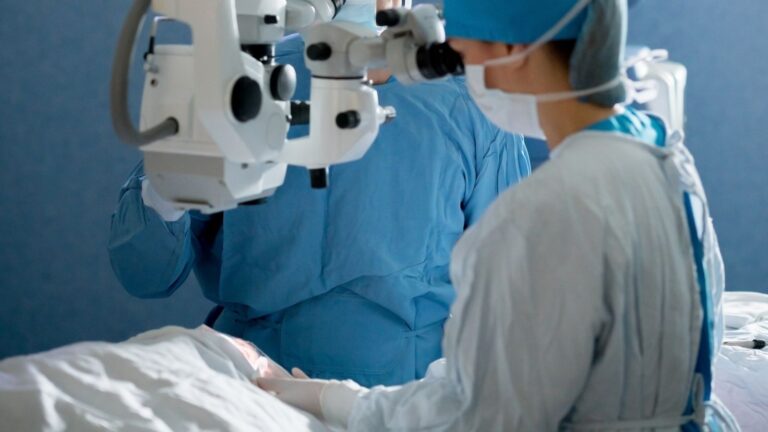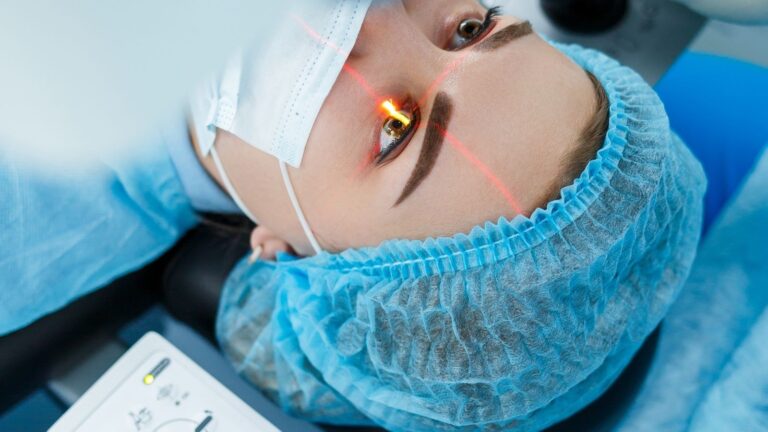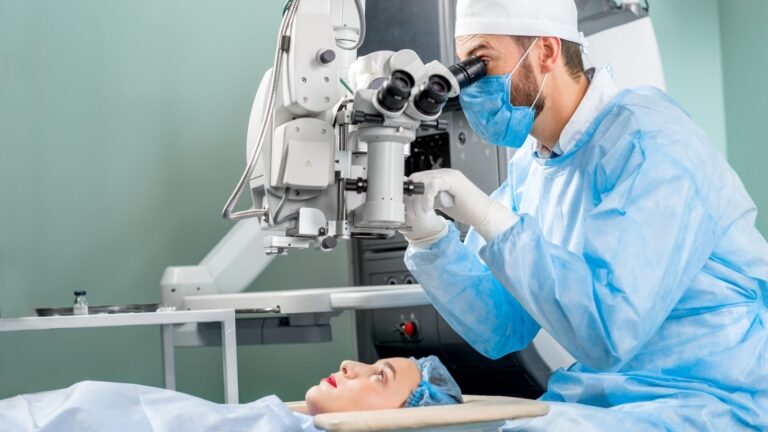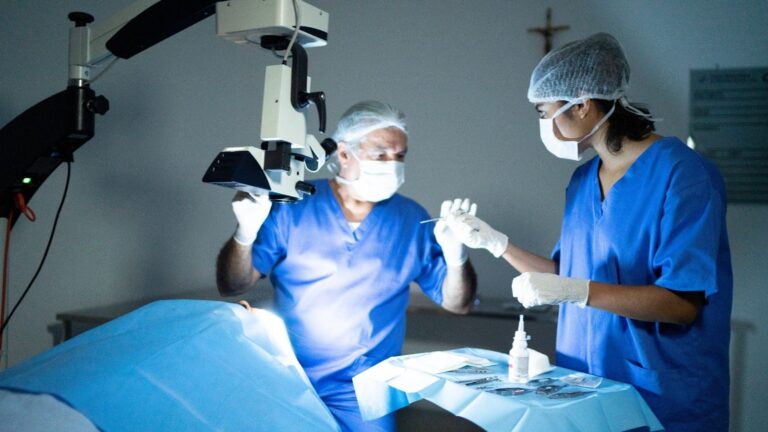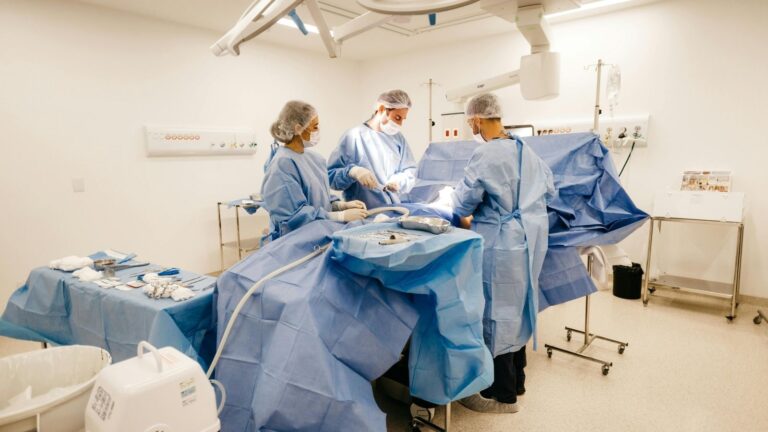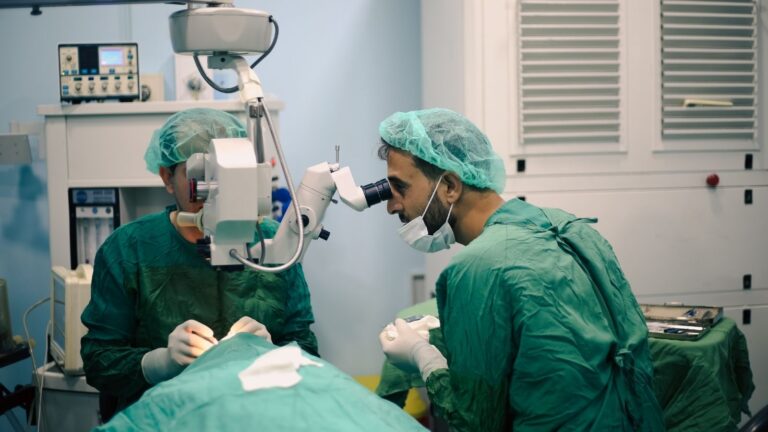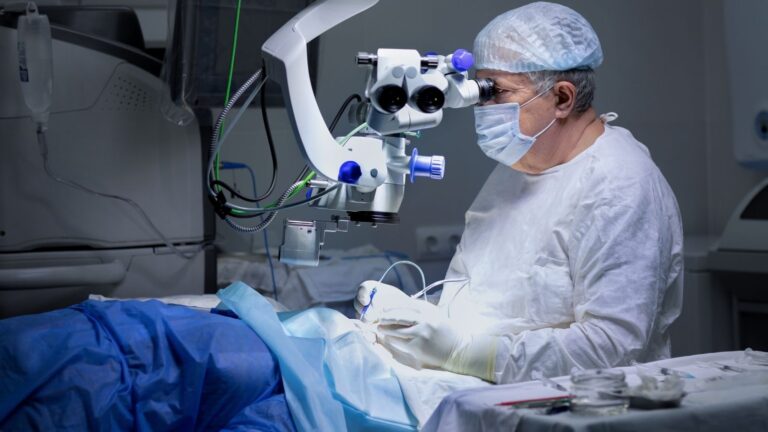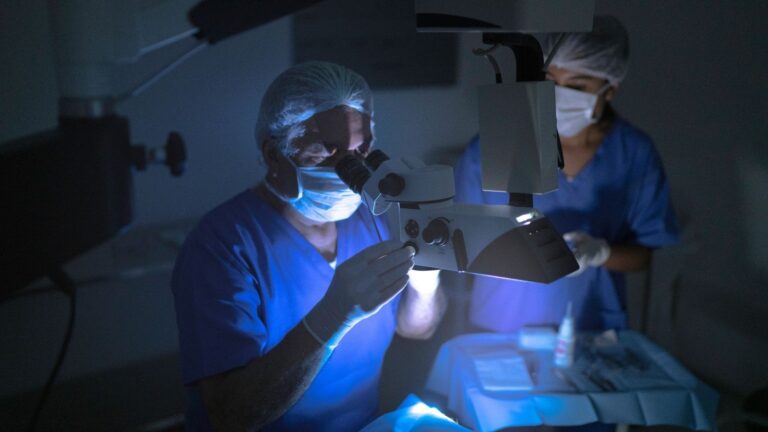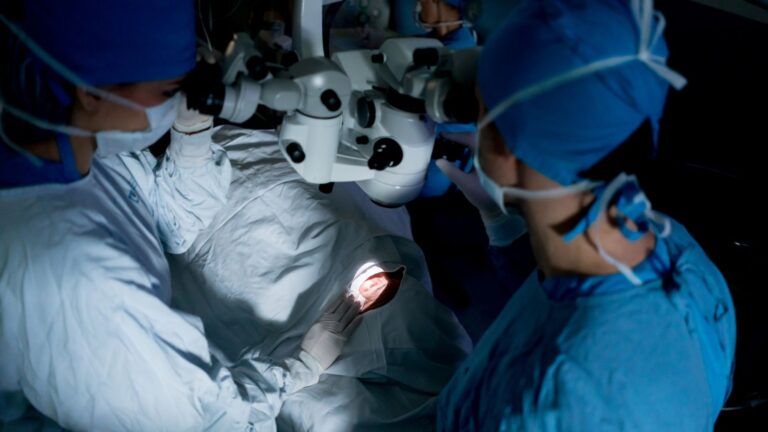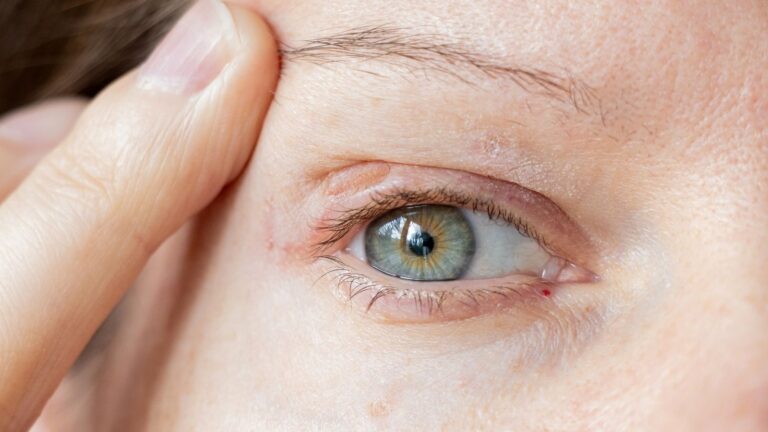
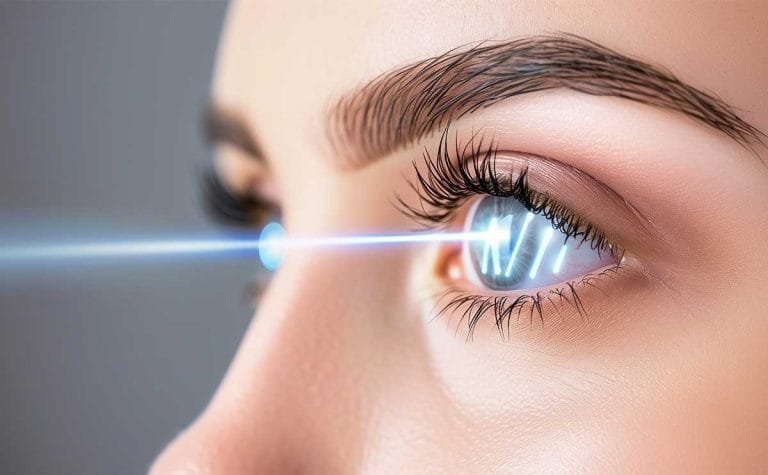
A cataract is a condition that reduces visual quality when the natural lens of the eye loses its transparency. Cataracts are not removed directly with a laser. The cloudy lens is surgically removed and replaced with an artificial lens. A laser may only be used during certain stages of the surgery.
Femtosecond laser-assisted cataract surgery may improve the precision of procedures such as creating an opening in the lens capsule and fragmenting the lens. However, the laser does not remove the cataract on its own. This method may improve surgical safety and shorten the recovery period.
The standard method used in cataract surgery is phacoemulsification. The lens is fragmented using ultrasound waves, and a specially selected lens is implanted in the eye. Although the laser-assisted method may be more advantageous for certain patient groups, it is not necessary for every patient.
Laser-assisted cataract surgery is planned according to the doctor's assessment and the structure of the patient's eye. The most appropriate method for each individual is determined according to personal needs and eye health. A detailed examination plays a critical role in the decision-making process.
Is Laser Cataract Surgery More Effective Than Traditional Surgery?
Laser-assisted cataract surgery offers several advantages over traditional cataract surgery and may be a more effective option in certain cases. The precision provided by the laser and the reduced damage to surrounding tissues make this method a preferred option for many patients. Laser use may improve visual outcomes, particularly in complex cases involving conditions such as astigmatism. Some of the features and benefits of laser-assisted cataract surgery include:
- Greater precision
- Reduced use of ultrasound energy
- Faster recovery
- Lower risk of trauma
In addition to these advantages, laser-assisted surgery may reduce certain risks. However, there is no clear evidence that it produces a significant difference in long-term visual outcomes. Although laser surgery stands out for its precision, complication rates are generally similar for both methods. Risks such as infection, retinal detachment, and capsular rupture may occur with either procedure.
Who Is a Suitable Candidate for Laser Cataract Surgery?
Laser-assisted cataract surgery may be more effective for certain patient groups, particularly in procedures performed using femtosecond laser technology. This surgical method offers certain advantages depending on the type of cataract, the structure of the patient's eye, and any accompanying visual defects. Suitable candidates generally have the following characteristics:
- Soft cataract
- Early or moderate-stage cataract
- Mild to moderate astigmatism
- Small pupils
- Irregular corneal curvature
- Preference for a premium intraocular lens (IOL)
Patients with soft or early-stage cataracts may benefit more from this method because the laser fragments the lens precisely and reduces the amount of ultrasound energy required. The precision achieved during laser astigmatism correction may also improve visual outcomes in people with mild to moderate astigmatism.
Patients with more complex anatomical features, such as small pupils or an irregular corneal structure, may benefit from the laser's integrated imaging systems and more precise surgical planning capabilities. Capsulotomies performed using a femtosecond laser are particularly important for patients who wish to receive multifocal or toric lenses because accurate positioning of these lenses provides better refractive outcomes.
However, patients with very hard or hypermature cataracts may not always be ideal candidates for laser-assisted surgery. In such cases, traditional surgical methods may be preferred, or more advanced laser platforms may be required.
What Are the Benefits and Risks of Laser Cataract Surgery?
Laser-assisted cataract surgery offers several significant advantages over traditional methods. Femtosecond laser technology enables the cataract to be removed with greater precision, allowing the surgeon to perform the procedure in a more controlled manner. Laser use may provide better visual outcomes, particularly for patients with astigmatism. The recovery period is also generally shorter, and patients may regain clear vision more quickly after the operation. However, this method also carries certain risks.
Main advantages:
- Greater precision
- Lower risk of complications
- Astigmatism correction
- Faster recovery
Potential risks:
- Corneal swelling
- Inflammation
- Increased intraocular pressure
- Corneal damage
- Infection
Laser-assisted cataract surgery may not be the best option for everyone. Eye anatomy, the size of the cataract, and existing eye conditions determine whether this method is suitable. Laser surgery may also be more expensive and may not be covered by every insurance provider. It is therefore important for the patient and doctor to make the decision according to the individual's needs.
What Is the Recovery Process Like After Laser Cataract Surgery?
Recovery after laser-assisted cataract surgery is generally faster and more comfortable than with traditional methods. Laser use reduces trauma to the cornea, lowering the risk of swelling and inflammation. Patients may therefore experience faster visual recovery after surgery and return to their daily routines within a shorter period. As laser incisions are more precise, the recovery process may also progress more smoothly.
During postoperative care, patients should generally:
- Use eye drops, including antibiotic and anti-inflammatory drops
- Wear protective eyewear while sleeping
- Avoid lifting heavy objects
- Avoid strenuous activities
Patients who undergo laser-assisted cataract surgery generally begin to see more clearly within a few days. The precision of the laser and the reduced damage to the cornea can accelerate this recovery process. The initial cost of laser surgery may be higher, but it offers advantages such as a lower risk of complications and faster recovery. Traditional cataract surgery, in contrast, remains a reliable method, although its recovery period may be slightly longer.
Both types of surgery require similar postoperative care. However, laser surgery may be an appealing option for patients who wish to recover more quickly. Patients should make their choice according to their lifestyle and budget.