What is accommodation and why does it decline with age?
Accommodation is the eye's ability to shift focus from far to near. In a young eye the lens is flexible. When the muscles holding the lens contract, the lens changes shape and moves the focus closer.
From the 40s onward the lens stiffens and this flexibility declines. Wanting to hold your phone or book further away is one of the first signs of presbyopia, the age-related loss of near vision.
How does an accommodating lens work?
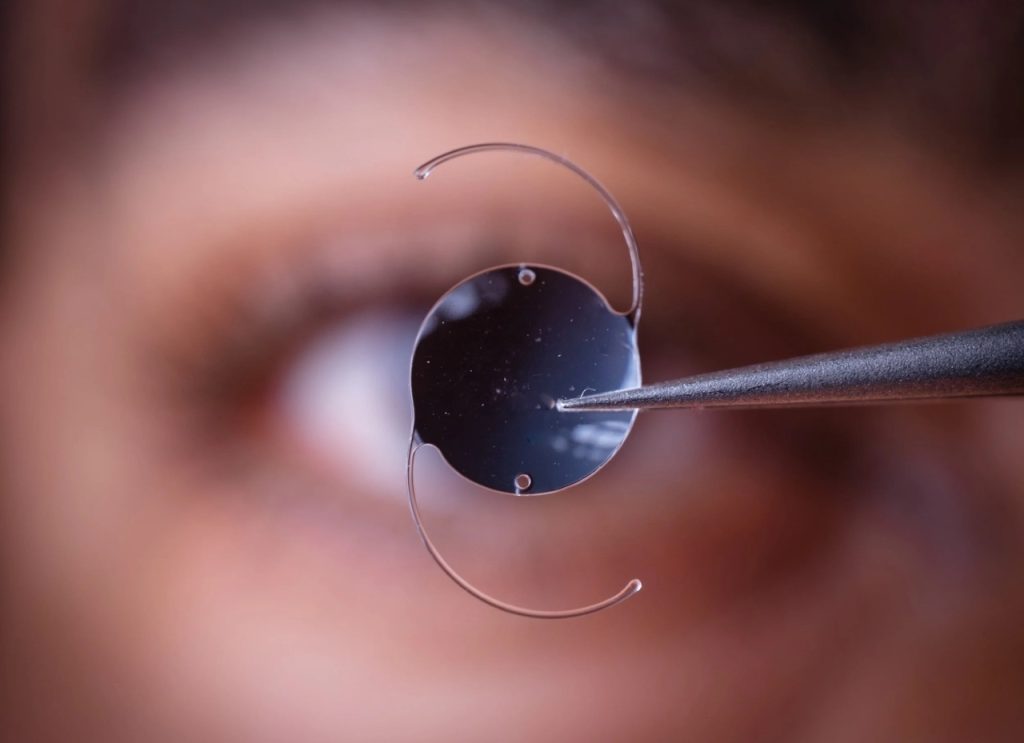
Accommodating lenses replace the natural lens during cataract surgery or refractive lens exchange. Thanks to flexible supporting arms, the lens moves slightly forward or changes shape when the eye muscles contract. This movement shifts the focus somewhat closer.
These lenses do not split light into multiple focal points. That is why the chance of seeing halos around lights at night is lower than with multifocal lenses.
Realistic expectations
Accommodating lenses provide distance vision close to that of monofocal lenses. Most people also see comfortably at intermediate distance. The gain in near vision, however, is limited and varies noticeably from person to person. Reading glasses may therefore often be needed for tasks such as reading a book.
Today, the options more often chosen for age-related near vision loss are EDOF and trifocal lenses. Accommodating lenses are an alternative that may be considered for certain patients.
Comparison with other lens options
| Feature | Accommodating lens | EDOF lens | Trifocal lens |
|---|---|---|---|
| Working principle | Moves with the eye muscles | Extended focal band | Splits light into three focal points |
| Intermediate distance | Usually good | Usually good | Usually good |
| Near (books, phone) | Limited, varies by person | Glasses may be needed for small print | Usually without glasses |
| Halos at night | Less | Less | Reported more often |
Who may it be considered for?
- People who drive a lot at night and want to avoid halos
- People whose eyes are not suitable for multifocal lenses
- People who prioritise distance and intermediate vision and accept using glasses for near from time to time
Limitations and risks
How well an accommodating lens works depends on the capsule around it staying flexible. Over time the capsule may contract and reduce the lens's ability to move. Rarely, the lens may tilt or shift within the capsule. This can be corrected with a laser or an additional surgical procedure.
In addition, there are the general risks that apply to any intraocular lens surgery:
- Infection inside the eye (rare, but serious)
- Corneal swelling and a rise in eye pressure
- Clouding of the membrane behind the lens (treatable with YAG laser)
- Deviation from the target prescription
- Rare but serious complications such as retinal detachment
Surgery and recovery
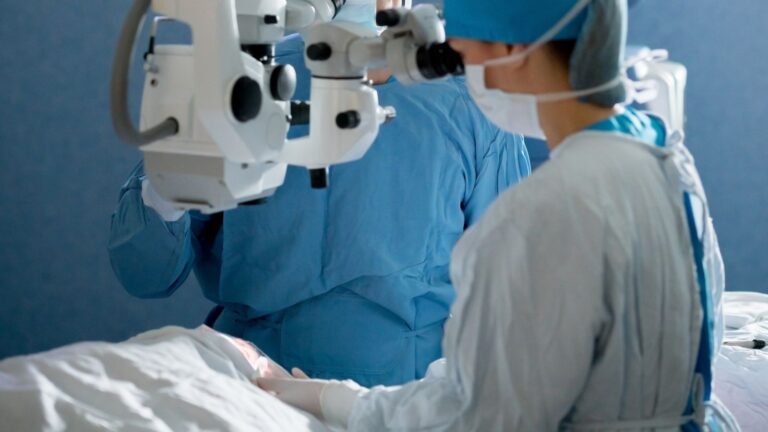
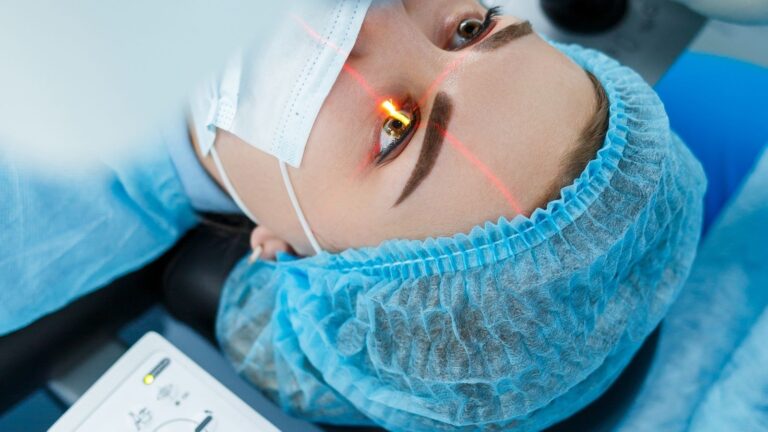
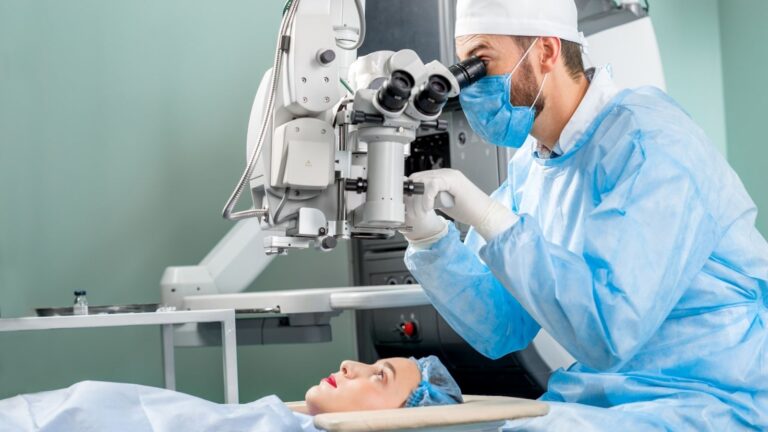
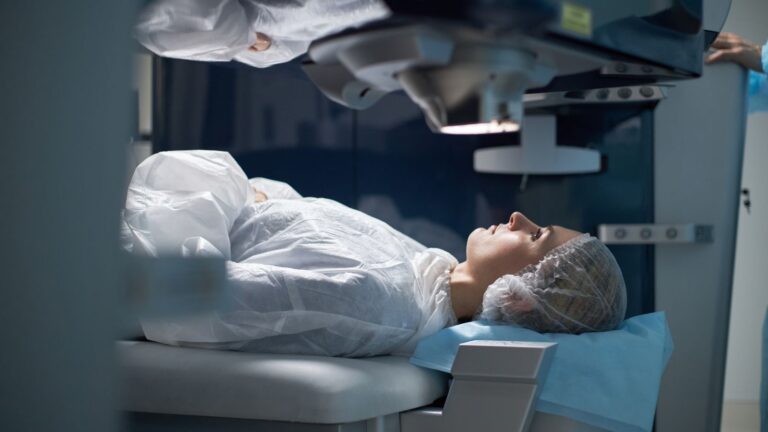
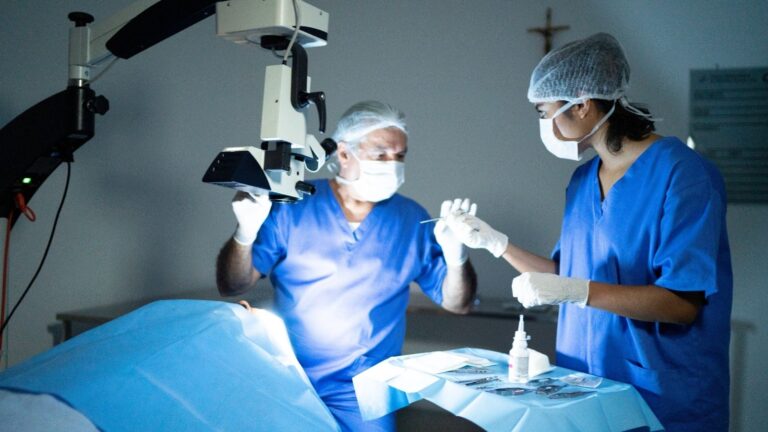
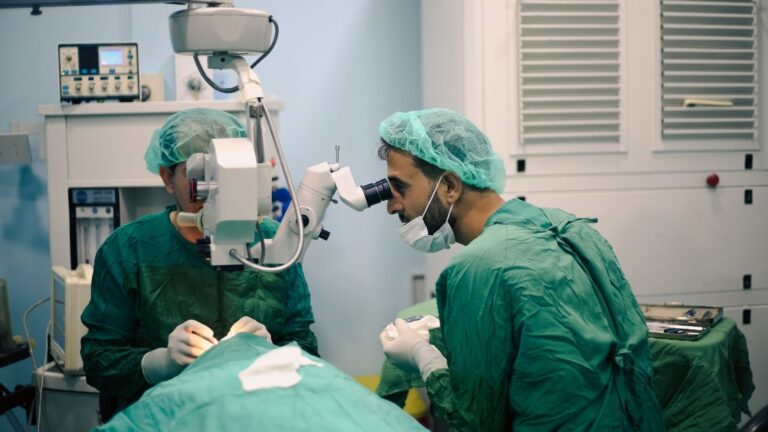
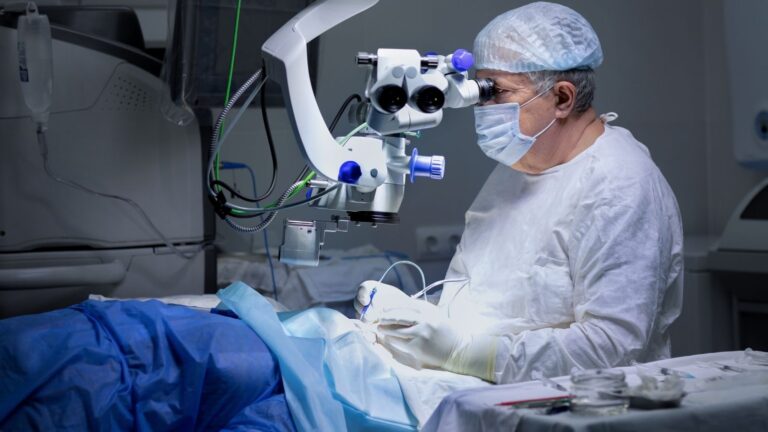
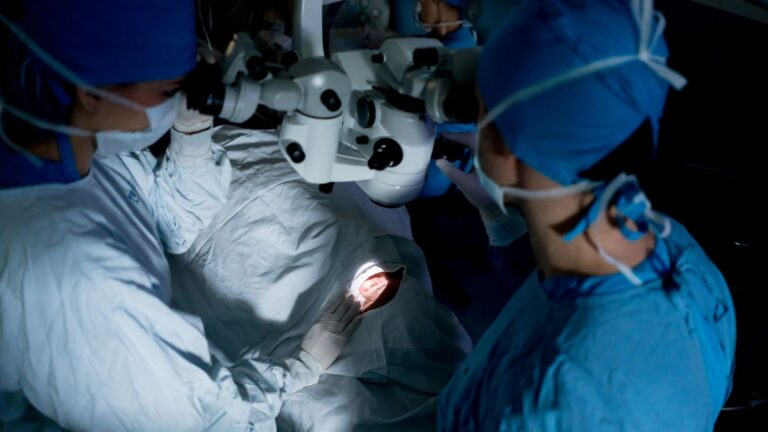
The surgery uses the same technique as cataract surgery, with numbing drops, and usually takes 15–20 minutes. You go home the same day. In the first weeks, drops need to be used regularly, the eye should not be rubbed and water should be kept out of it. The lens's focusing movement becomes noticeable within a few weeks as the eye muscles adapt to it.
Choosing the right lens
The choice between accommodating, EDOF and trifocal lenses is made by evaluating your eye measurements, retinal health and daily needs together. During the examination, what each option would mean for you is discussed openly, and the decision is made together.