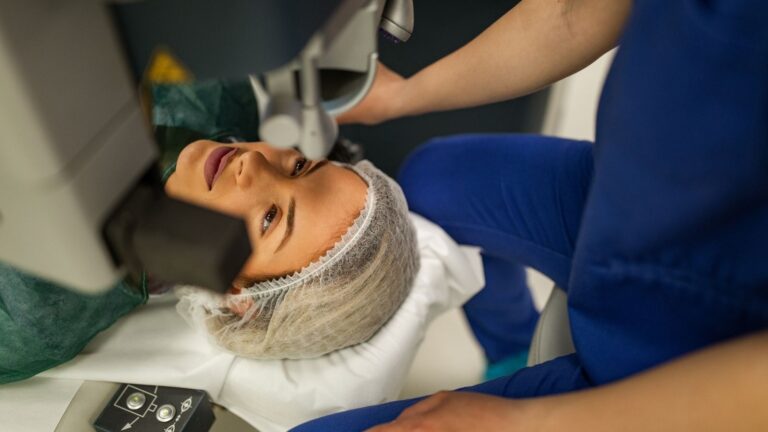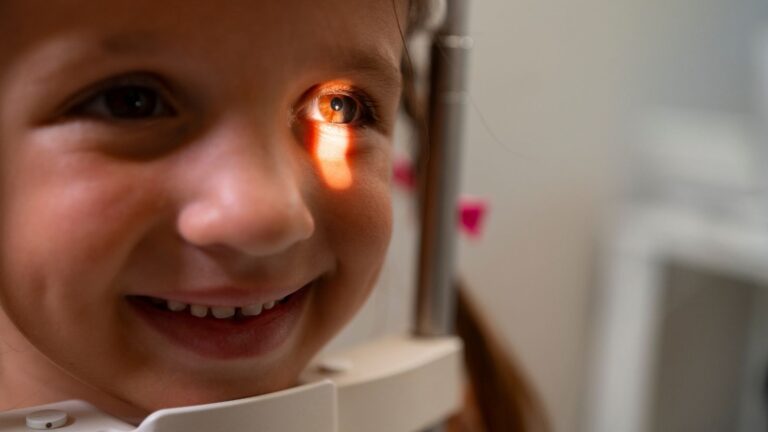

Orthokeratology is a method that temporarily reshapes the front surface of the cornea using specially designed rigid gas-permeable contact lenses, usually worn overnight during sleep. After the lenses are removed in the morning, clearer vision may be achieved throughout the day without glasses or contact lenses. In children and adolescents, it is considered not only for vision correction but also as one of the most effective options for slowing the front-to-back elongation of the eye associated with myopia.
Corneal topography, the ocular surface, tear film, eyelid structure, pupil, retinal examination, the child's and family's ability to comply with hygiene requirements and, where possible, axial length measurements should be evaluated together. Overnight lenses are not a surgical treatment and their effects are not permanent. They require regular use, proper care and close follow-up.
What Is Orthokeratology and How Does It Work?
Orthokeratology is also known as Ortho-K. Unlike standard soft contact lenses, these lenses have a different geometry and temporarily alter the distribution of the corneal epithelium through the tear film during sleep. The aim is to flatten the central cornea to correct myopia and help slow myopia progression by creating myopic defocus in the peripheral retina.
- No corneal tissue is removed with a laser and no incision is made.
- When lens use is discontinued, the effect begins to decrease within a few days. The cornea and prescription gradually return towards their original state.
- When the lens is removed in the morning, the temporary corneal shape reduces the refractive error during the day. During the first few days, vision may fluctuate later in the day. With regular use, the aim is for the effect to last throughout the day.
Its Role in Myopia Control in Children
The aim of myopia control is not merely to slow the increase in the glasses prescription. The main objective is to reduce axial elongation, which is associated with lifelong risks related to high myopia, including retinal tears and detachment, myopic macular disease, glaucoma and cataracts.
Current research shows that orthokeratology can slow axial elongation in children on average. However, no method produces the same response in every child, and there is no guarantee that progression will stop completely. Although cycloplegic refraction is useful during follow-up, orthokeratology temporarily changes the shape of the cornea. Therefore, prescription measurements alone are not sufficient. When suitable equipment is available, serial axial length measurements using the same method are essential.
Orthokeratology and Other Myopia Control Methods
There is no single myopia control method that is best for every child. Age at onset, rate of myopia progression, axial length, family history, lifestyle and treatment compliance should be evaluated together. The main alternatives currently used include:
- Orthokeratology (Overnight Lenses): Rigid gas-permeable lenses are worn overnight to provide glasses-free vision during the day and support myopia control. Regular use, proper hygiene and close follow-up are essential for effectiveness.
- Myopia Control Glasses: These are worn during the day and use special optical designs. They may be considered for children who do not want contact lenses. Proper frame fit and full-time daily wear determine treatment success.
- Multifocal Soft Contact Lenses: These are specially designed soft lenses worn during the day. The child must be able to insert and remove the lenses and follow hygiene rules.
- Low-Dose Atropine Eye Drops: These are eye drops used under medical supervision. Their effects vary depending on the dose and individual response. Light sensitivity and effects on near focusing should be closely monitored.
- Combination Treatments: In selected cases with rapid progression and inadequate treatment response, optical methods may be combined with low-dose atropine treatment.
Who May Be Considered for Orthokeratology?
- Children and adolescents with progressing myopia who can attend regular follow-up appointments.
- Adults with suitable corneal structures who do not want to use glasses or contact lenses during the day.
- People who have difficulty using optical correction during the day because of sports or an active lifestyle.
- People whose myopia and certain types of astigmatism are suitable for a custom lens design.
Warning: Age alone does not determine eligibility. The child's ability to use the lenses safely, the family's ability to supervise lens care and regular attendance at follow-up appointments are just as important as the measurements.
Who May Not Be Suitable?
- People with an active eye infection or significant eyelid inflammation
- People with severe dry eye, uncontrolled allergies or corneal surface disease
- People with suspected keratoconus or another corneal irregularity
- People who cannot comply with hygiene rules or attend regular follow-up appointments
Overnight Lens Use and Hygiene Rules
The fact that orthokeratology lenses are designed for overnight use does not eliminate the risk of infection. The following rules must be followed carefully:
- Wash your hands with soap before touching the lenses and dry them completely with a lint-free towel.
- Clean and disinfect the lenses only with the recommended products. Never use tap water, drinking water, saliva or homemade solutions.
- Do not shower or swim while wearing the lenses, and do not allow the lenses to come into contact with water.
- Do not top up old solution in the lens case. Use fresh solution each time and replace the case at the recommended intervals.
- Keep backup glasses accessible. If discomfort occurs, remove the lens and request an assessment before wearing it again.
The First Few Days, Adaptation Period and Possible Risks
During the first few nights, the lenses may be noticeable in the eyes. Mild blurring in the morning, halos around lights, shadowed vision or a partial return of the prescription during the day may also occur. These symptoms are expected to gradually decrease.
- Most Important Risk: Microbial keratitis, a corneal infection that can cause permanent vision loss, is the most serious risk.
- Emergency Symptoms: If pain, significant redness, discharge, inability to look at light, sudden vision loss or a white spot on the cornea occurs, the lens must be removed immediately and must not be reinserted. An ophthalmologist should evaluate the eye on the same day.
Overnight Lens Prices in Izmir
The cost of orthokeratology varies depending on the custom lens design, corneal measurements for both eyes, corneal topography and axial length monitoring during treatment, the scope of the follow-up program and lens replacement requirements. Providing a fixed price by telephone before an examination and assessment of the eye structure would not be medically appropriate.