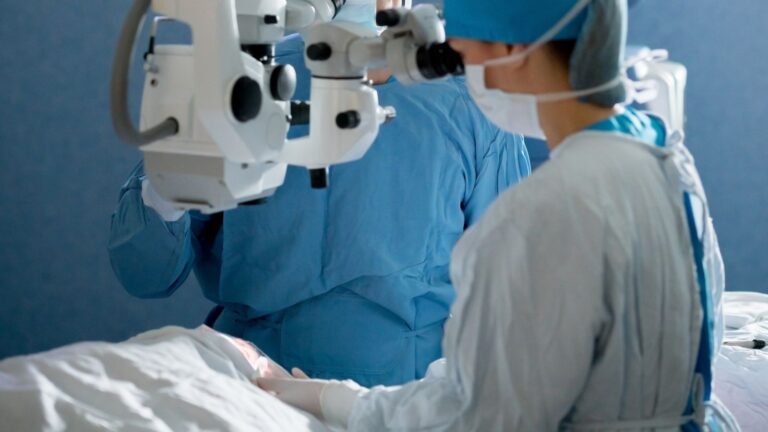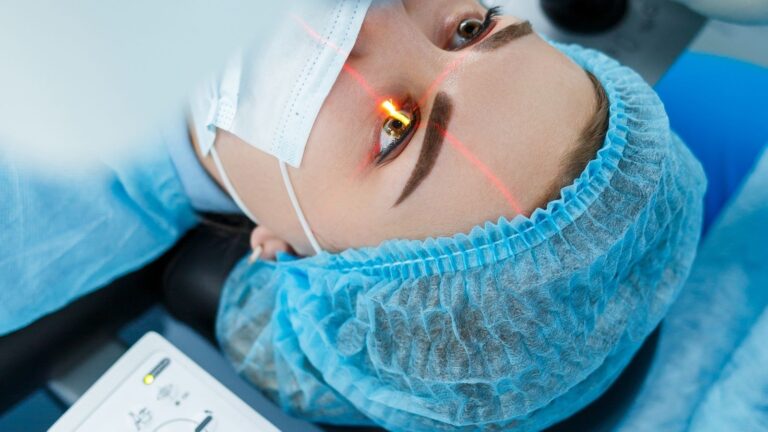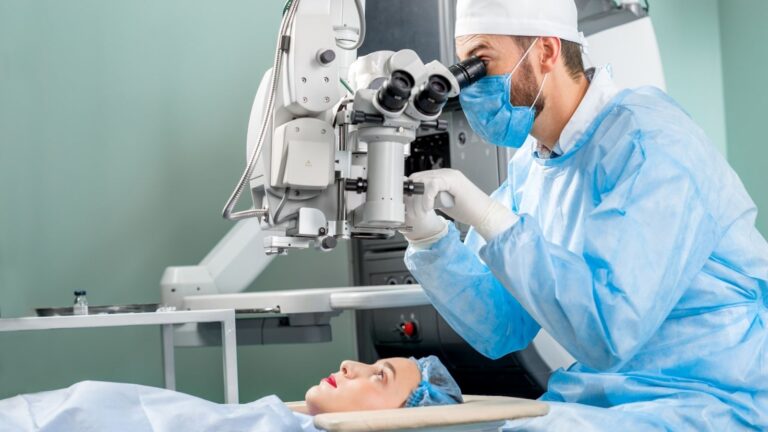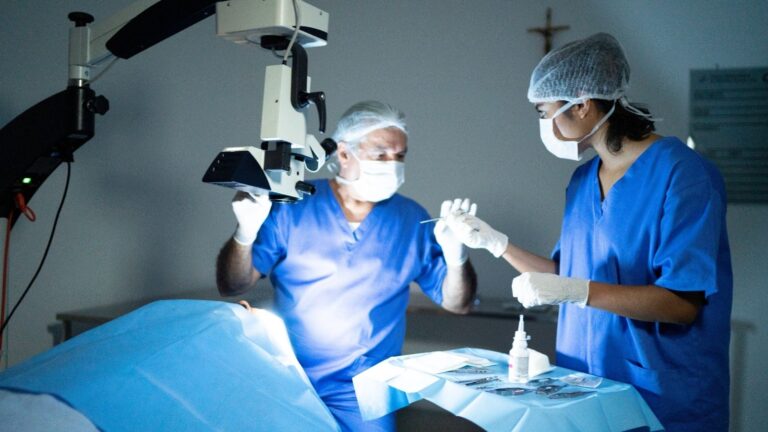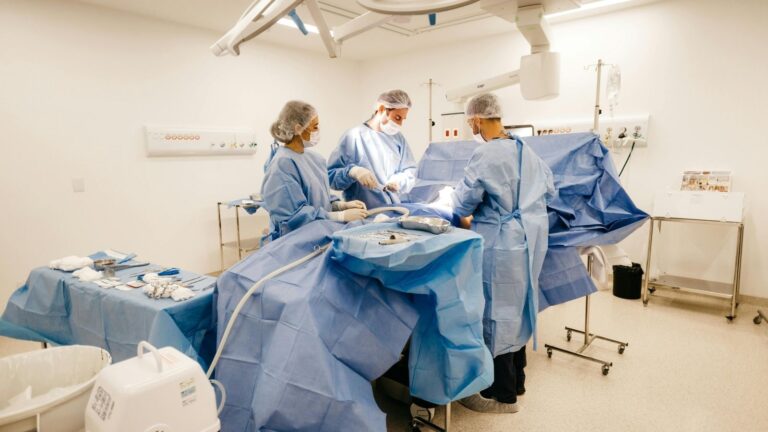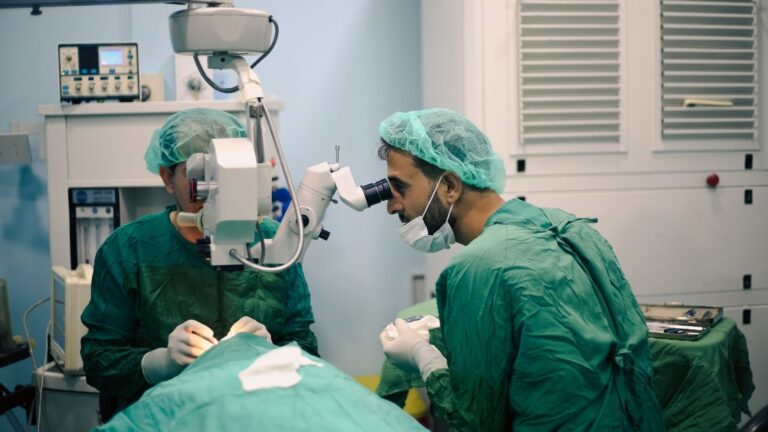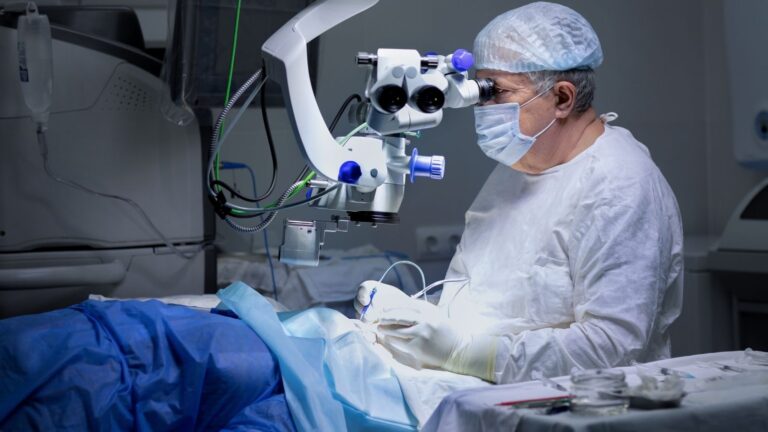
A prosthetic eye is a custom-made medical prosthesis used to restore the external appearance of an eye that is blind or has been surgically removed. It does not provide vision. Its primary purpose is to preserve the volume of the eye socket, support the eyelids, maintain facial symmetry and achieve an appearance close to a natural eye. In patients requiring surgery, the prosthetic eye process involves more than simply removing the eye. The orbital implant, conformer, healing of the eye socket, preparation of the prosthesis and long-term care are planned together.
Pain, infection, trauma, suspected tumors, the structural condition of the eye, eyelids, conjunctiva, orbital volume, previous operations and the patient's expectations should be evaluated together. The aim is to preserve the eye and maintain comfort wherever possible. When removal of the eye is genuinely necessary, the goal is to create a healthy and balanced eye socket suitable for wearing a prosthesis.
What Is a Prosthetic Eye?
A prosthetic eye is an artificial eye used in place of an eye that has no visual function or has been surgically removed. It is generally made from high-quality medical acrylic or similar biocompatible materials. Its primary purpose is not to provide vision but to preserve the aesthetic appearance of the eye socket and support the natural movements of the eyelids.
Modern prosthetic eyes are completely custom-made. The color of the healthy eye, iris diameter, blood vessel patterns, size and other details are reproduced to achieve the most balanced and symmetrical appearance around the eyes.
Difference From an Orbital Implant: An orbital implant is a spherical material placed deep inside the eye socket during eye removal surgery to reduce volume loss and support the tissues. The prosthetic eye is the externally visible artificial eye fitted over this implant to provide comfort and an aesthetic appearance.
When Is a Prosthetic Eye Used?
A prosthetic eye may be considered when the eye has been lost or its appearance has been severely affected for various reasons:
- Severe fragmentation or loss of the structural integrity of the eye due to trauma or accidents
- Complete loss of visual function accompanied by chronic, uncontrollable pain, known as a painful blind eye
- Conditions requiring removal of the eye because of intraocular tumors, such as melanoma or retinoblastoma
- Congenital eye development disorders, such as microphthalmia or anophthalmia
- Significant deformation of the eye following surgery or infection
In some cases, a thin cosmetic shell, known as a scleral shell, may be fitted over an existing blind and shrunken eye without completely removing it.
Types of Prosthetic Eye Surgery
When removal of the eye or restoration of orbital volume is required, three main surgical approaches may be considered:
- Enucleation: The entire eyeball is surgically removed from the eye socket together with its muscles and surrounding membranes. It is generally preferred in cases of trauma or tumors.
- Evisceration: Only the internal tissues and contents of the eye are removed, while the outer layer, known as the sclera, and the attachments of the external eye muscles are preserved. This method may generally provide better mobility.
- Exenteration: This is an extensive oncological operation in which the eyeball, surrounding orbital fat, muscles and sometimes the bony walls of the orbit are removed. It differs from standard prosthetic eye surgery.
Difference Between an Orbital Implant, Conformer and Prosthetic Eye
- Orbital Implant: A spherical support material placed within the muscles during surgery to preserve volume.
- Conformer: A temporary transparent protective shell used after surgery to prevent contraction of the eye socket and preserve the shape of the eyelids and socket folds.
- Prosthetic Eye: The final artificial eye that is fitted after the socket has fully healed and is colored to closely match the healthy eye.
Does a Prosthetic Eye Move?
Prosthetic eyes do not provide vision like a natural eye and cannot reproduce the full range of movement of a real eye. However, if the orbital implant is successfully connected to the muscles during surgery, some of the surrounding muscle movements are transferred to the prosthesis. This can create a more coordinated gaze when viewed from the outside. The degree of movement varies according to the patient's tissue structure and the surgical technique.
Use, Cleaning and Care of a Prosthetic Eye
A prosthetic eye can be used comfortably in daily life. However, regular care is essential for its longevity and the health of the eye socket:
- The prosthesis should be cleaned using solutions recommended by the physician or ocularist. Alcohol, bleach and hot water must never be used.
- If excessive dryness, irritation, stinging or yellow-green discharge develops in the eye socket, an assessment should be performed for infection or surface scratches.
- Regular medical examinations and professional polishing of the prosthesis should not be neglected.
Our Approach to Prosthetic Eye Treatment in Izmir
At our clinic in Izmir, prosthetic eye and oculoplastic surgery processes are carefully planned by considering orbital anatomy, eyelid positions, facial symmetry and the patient's psychological and aesthetic expectations. Our aim is to provide the most comfortable and natural-looking result so that the patient can continue their social life with confidence.