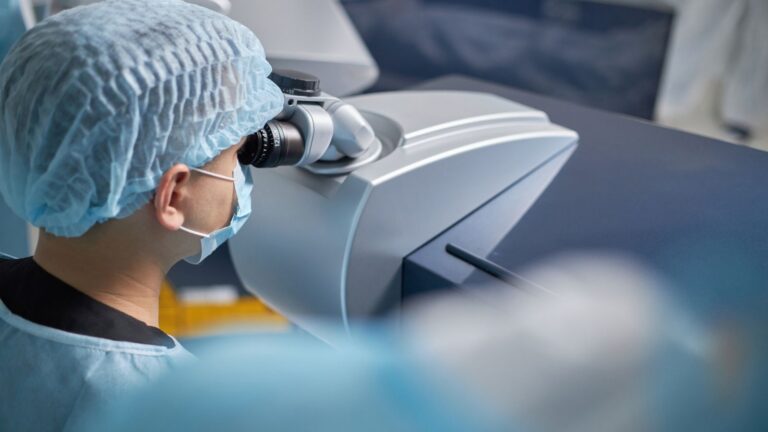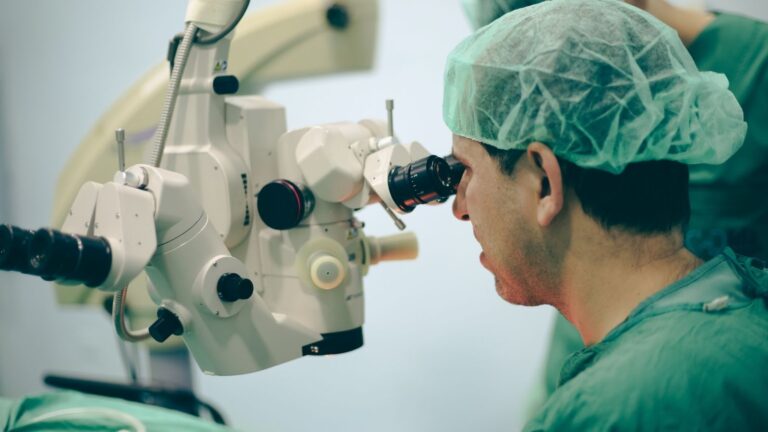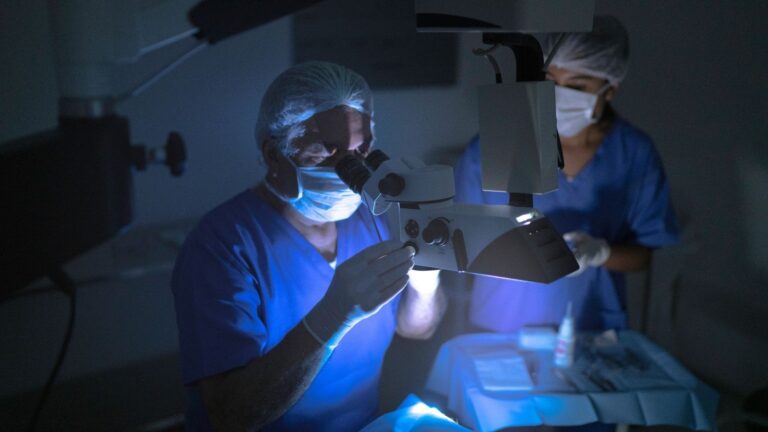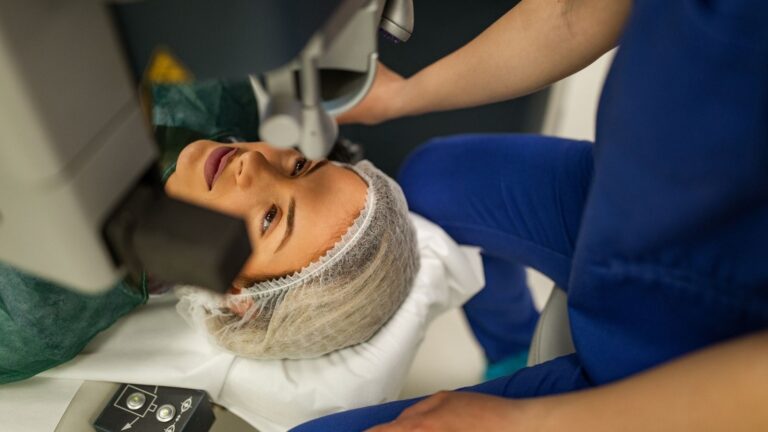
In femtosecond laser-assisted cataract surgery, certain stages of the operation are planned with the assistance of a laser. The surgical method, intraocular lens options, suitability criteria, possible risks, the recovery process and points to consider when researching prices are discussed.
Femtosecond laser-assisted cataract surgery is a method that uses laser technology during certain surgical stages while removing the eye's lens after it has lost its transparency. A cataract causes a reduction in visual quality as a result of clouding of the eye's natural lens. In laser-assisted surgery, a femtosecond laser may be used during stages such as creating corneal incisions, opening the lens capsule and preparing the lens for fragmentation. The cataractous lens is then surgically removed and a suitable intraocular lens is implanted. The method to be used is determined according to the anatomical structure of the eye and the characteristics of the cataract. The same surgical approach or visual outcome cannot be expected to apply to every patient.
What Is Femtosecond Laser Technology?
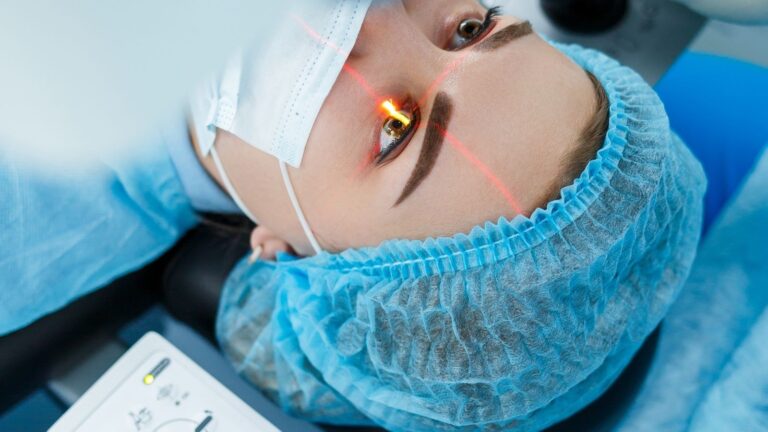
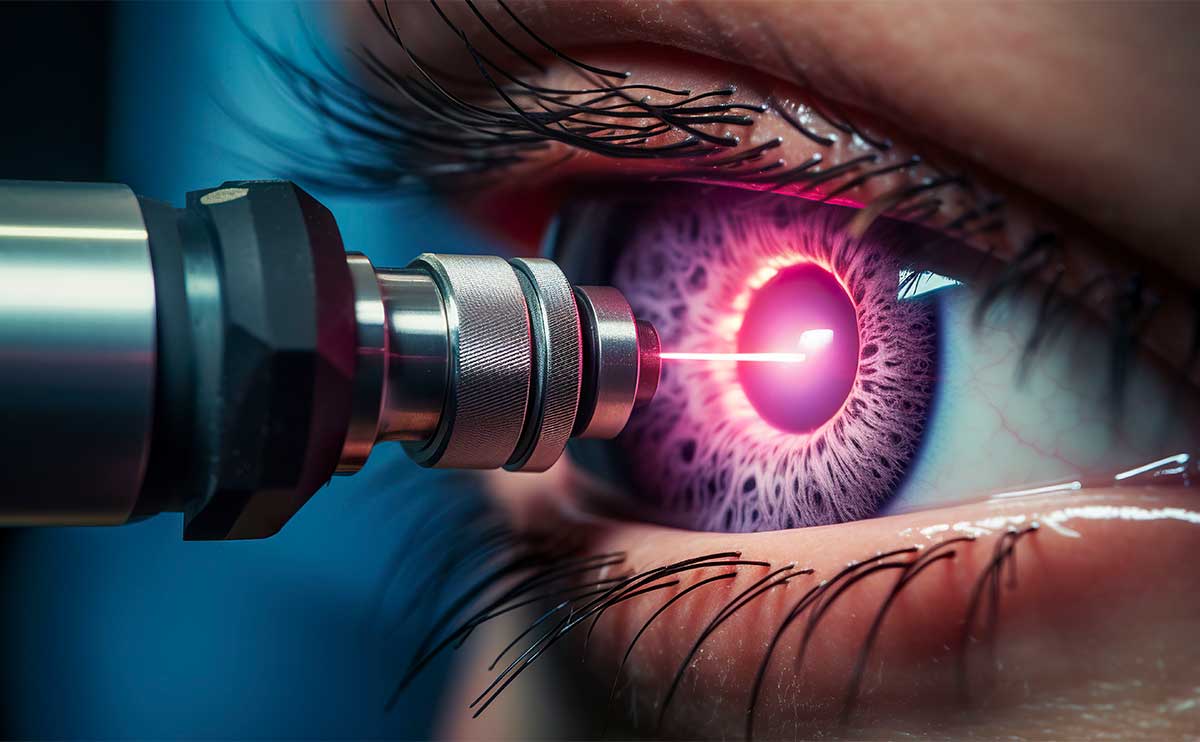
A femtosecond laser is a technology that operates using laser pulses lasting as little as one quadrillionth of a second. It may help perform procedures at a planned depth in specific tissues during eye surgery. Systems used in cataract surgery image the anterior part of the eye to determine the location of the planned procedure. Laser energy creates small gas bubbles in the targeted area, helping to separate the tissue. This process is called photodisruption. Use of this technology does not mean that every stage of the operation is performed solely by laser.
The femtosecond laser is a tool that supports the procedures performed by the surgeon during cataract surgery. The laser may be used to create an opening in the capsule or prepare the lens to be divided into fragments in a particular pattern. However, removal of the cataractous tissue from the eye and implantation of the artificial lens are completed through surgical stages. Not every eye structure may be suitable for this technology. Corneal transparency, pupil dilation and existing eye conditions are considered when assessing suitability. The technique to be used should be selected according to individual examination findings.
How Is Laser Cataract Surgery Performed?
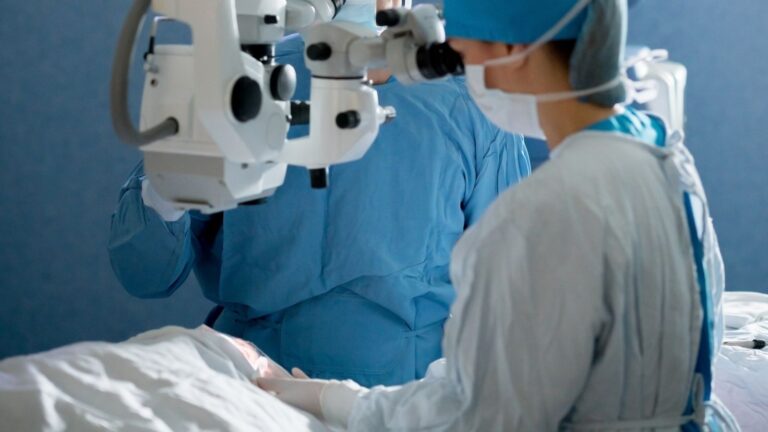
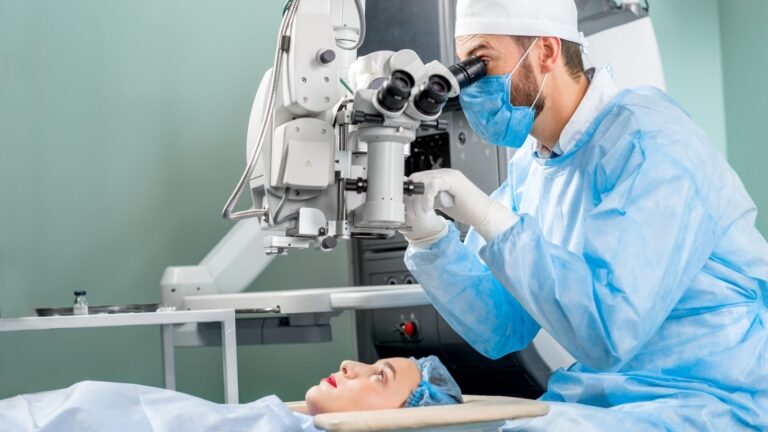
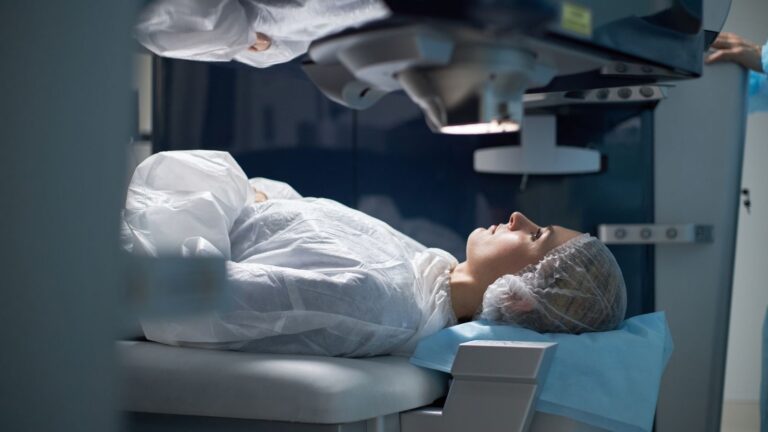
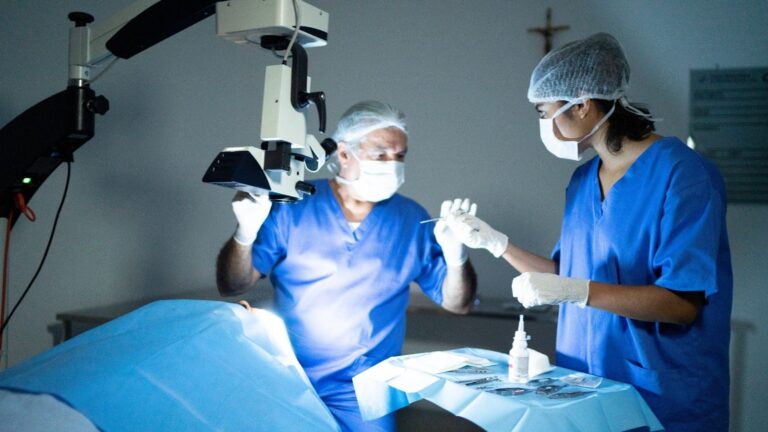
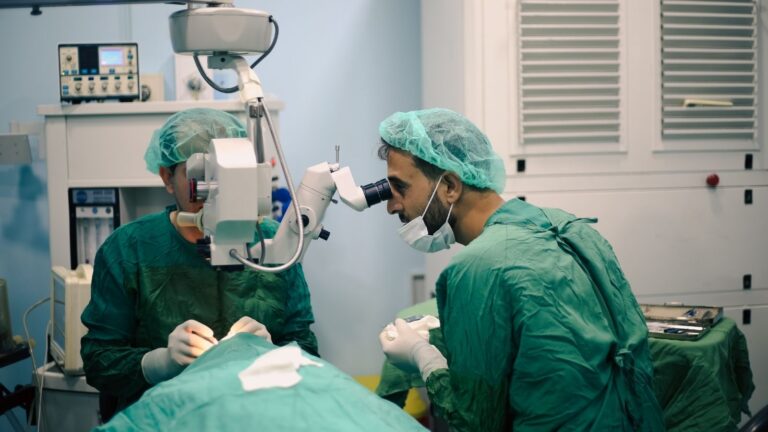
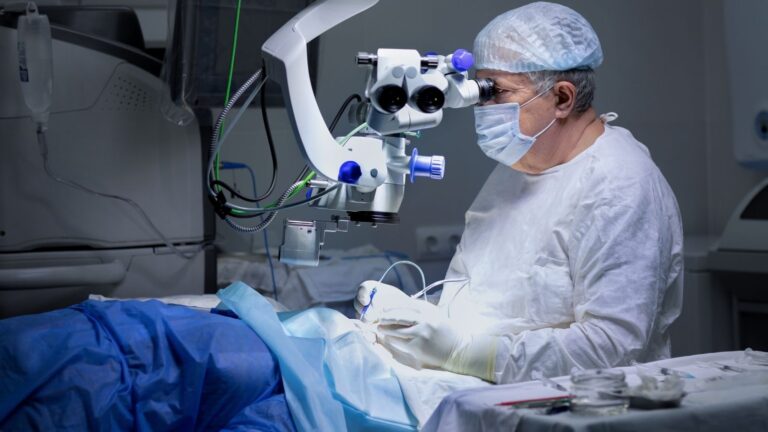
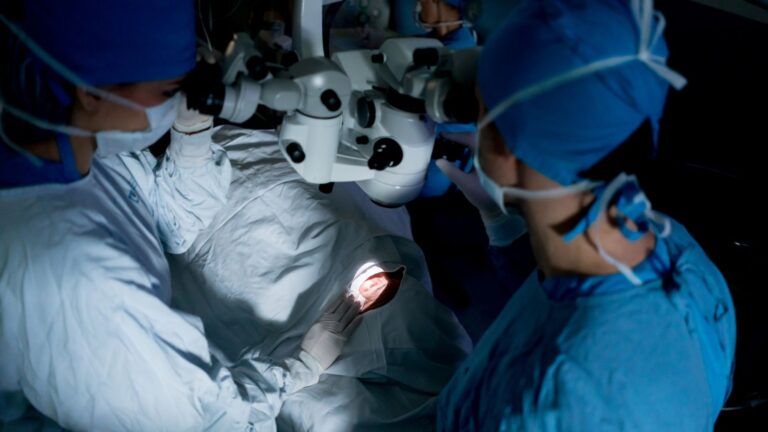
Laser cataract surgery generally begins with detailed planning after the surface of the eye has been anaesthetised. The anterior segment of the eye is imaged to assess the anatomical characteristics of the cornea and lens capsule. In suitable cases, a femtosecond laser may be used to create the corneal incisions required for surgical access. Creating a circular opening in the anterior capsule of the lens is called capsulotomy. The laser may also be used to prepare the cataractous natural lens for fragmentation. The lens fragments are then removed using surgical methods.
After the cataractous lens has been removed, an artificial lens is implanted inside the eye. The type and power of this lens are determined using preoperative measurements. In some cases, laser treatment may help reduce the amount of ultrasound energy used during fragmentation of the lens. However, this does not mean that every patient will experience faster recovery or a better visual outcome. The duration and stages of surgery may vary according to the structure of the eye. After the operation has been completed, intraocular pressure and the surgical area are checked.
During Which Surgical Stages Is the Laser Used?
Capsulotomy is one of the main stages during which a femtosecond laser may be used. During this procedure, an opening is created in the anterior part of the capsule surrounding the natural lens of the eye. The position and diameter of the opening are planned to assist with implantation of the intraocular lens. Another stage in which the laser may be used is dividing the cataractous lens into fragments in a predetermined pattern. This may make some of the procedures required to remove the lens easier in certain cases. However, factors such as the structure of the capsule or the density of the cataract may affect the feasibility of the method.
Corneal incisions may also be planned using a laser in patients considered suitable. These incisions provide access points through which surgical instruments can enter the eye. Additional corneal incisions may be considered in some cases during the assessment of astigmatism. However, not every type of astigmatism can be corrected using this method. Other options, such as toric intraocular lenses, are also assessed separately. The decision to use the procedure is based on corneal measurements and the overall anatomical structure of the eye.
Lens Options in Cataract Surgery
The artificial structure implanted in place of the natural lens removed during cataract surgery is called an intraocular lens. Intraocular lenses may have different optical characteristics. Monofocal lenses are planned to focus at a specific distance. In most procedures, distance vision is targeted and glasses may be required for near vision. The length of the eye, corneal curvature and other biometric measurements are used to determine the lens power. The most suitable lens is not determined solely according to the person's desire to stop using glasses.
Toric lenses may be considered for suitable patients with a certain degree of corneal astigmatism. It is important to position these lenses at the correct angle inside the eye. Multifocal and trifocal lenses aim to support vision at more than one distance. EDOF lenses have a different optical design intended to extend the depth of focus. These options, commonly referred to as smart lenses, are not suitable for every eye structure. Lens selection should be assessed more carefully in people with macular disease, advanced glaucoma or corneal irregularity.
Halos around lights, glare or discomfort with night vision may occur with multifocal lenses. Some people may still need glasses at certain distances after surgery. It cannot be guaranteed that astigmatism will be completely eliminated with toric lenses. Daily habits, occupational needs and eye health are considered together when selecting a lens. The use of a laser does not mean that the implanted lens will provide the same outcome for everyone. The expected level of vision is also affected by the condition of other eye structures, such as the retina and optic nerve.
Who May Undergo Laser Cataract Surgery?
Femtosecond laser-assisted surgery may be considered for some people whose visual quality has decreased because of cataracts. The effect of the cataract on daily life is assessed first when determining suitability. The corneal structure, the pupil's capacity to dilate and the condition of the lens capsule are evaluated. Astigmatism or accompanying retinal diseases may also affect planning. The possible contribution that use of the laser may offer the individual should be considered together with the standard surgical option. A laser-assisted method is not necessary for everyone diagnosed with a cataract.
Pseudoexfoliation, previous eye surgery or different anatomical characteristics may alter surgical planning in some patients. In these situations, suitability for laser treatment is not determined solely by the name of the condition. The condition of the ligaments supporting the intraocular lens and the structure of the capsule are also examined. Cataracts in childhood or cataracts caused by trauma require a different assessment. It cannot be said that the laser-assisted method is always safer for these patients. The surgical approach is determined by considering the existing risks and structural characteristics of the eye.
When May the Laser Be Unsuitable?
Significant clouding or scarring of the cornea may make it difficult for the laser to image the target tissues accurately. Insufficient pupil dilation may also limit the procedure. In some cases, supplementary methods may be used to dilate the pupil. However, this does not always mean that laser-assisted surgery is suitable. A very dense or structurally different cataract may make it difficult to fragment the lens with the laser. The surgical technique may therefore be changed during the procedure.
In advanced or uncontrolled glaucoma, pressure changes that may occur while the laser system is being positioned on the eye should be considered. Anatomical narrowing in the anterior part of the eye and the person's inability to remain still during the procedure may also affect treatment. Imaging quality may be insufficient in some eye conditions. Not every risk factor is limiting to the same extent. Standard cataract surgery may be considered a suitable alternative when the laser cannot be used. The method is selected according to a detailed eye examination.
Standard and Laser-Assisted Surgery
In standard cataract surgery, the opening in the capsule and other surgical stages are performed manually. In laser-assisted surgery, some of these stages may be planned with the assistance of a femtosecond laser. In both approaches, the clouded natural lens is removed and a suitable intraocular lens is implanted. Use of the laser does not mean that standard surgery is inadequate or unsafe. The outcomes of both methods should be assessed according to the patient's eye structure and the surgical plan. It cannot be said that the laser-assisted method will provide better vision or a lower complication rate for every patient.
The repeatability of laser measurements during some surgical stages may be assessed from a technical perspective. However, a difference in measurement during a technical stage does not necessarily result in a better final visual outcome. Standard phacoemulsification is also an established surgical method used in cataract treatment. The most suitable method may vary according to the density of the cataract and accompanying eye conditions. The surgical decision should not be based solely on the characteristics of the device being used. The expected benefits, limitations and possible risks should be assessed together.
Risks That May Occur During Surgery
As with other eye operations, complications may occur during femtosecond laser-assisted cataract surgery. Unintended tears in the lens capsule or failure to complete the capsulotomy fully are among these complications. Loss of suction may occur while the laser system is being secured to the eye. In this situation, the laser procedure may need to be repeated or surgery may need to continue using a manual method. Constriction of the pupil during the procedure may also make certain stages more difficult. The likelihood of these situations occurring depends on the structure of the eye and the characteristics of the operation.
The corneal incisions may not form as planned or additional intervention may be required. Temporary changes in intraocular pressure may occur. The density of the cataract may prevent the laser from fragmenting the lens sufficiently. In this situation, different surgical techniques may be used to remove the lens. Laser assistance during surgery does not prevent every complication. Situations encountered during the procedure are managed according to the surgical assessment.
Problems That May Occur After Surgery
Mild redness, a stinging sensation and light sensitivity may occur after surgery. Blurred vision during the first few days may also be associated with the eye's healing process. Some people may develop corneal oedema or increased intraocular pressure. Bleeding on the conjunctiva may occur because of the involvement of small blood vessels on the ocular surface. This appearance does not always indicate that there is a serious problem inside the eye. However, the severity and duration of the symptoms should be monitored.
Infection, significant intraocular inflammation, macular oedema or retinal detachment are among the conditions that require more serious assessment. Problems associated with the position of the artificial intraocular lens may also develop. Clouding of the posterior capsule may occur months or years later. This condition, called posterior capsule opacification, does not mean that the cataract has returned. It may be treated with a different laser procedure in suitable cases. Severe pain, a sudden reduction in vision or rapidly increasing redness requires medical assessment without delay.
How Should You Prepare for Cataract Surgery?
Before surgery, visual acuity, the density of the cataract and the overall health of the eye are assessed. Corneal curvature and the length of the eye are measured to plan the intraocular lens to be implanted. Corneal topography or optical coherence tomography of the retina may be performed when necessary. Conditions such as glaucoma, macular degeneration and diabetic retinopathy are also examined separately. These conditions may affect the level of vision expected after surgery. The examinations performed do not have to be the same for every patient.
It is important to disclose the medicines being used and any existing chronic conditions before the procedure. Blood-thinning medicines should not be stopped at the person's own discretion without a medical assessment. The need to fast may vary according to the anaesthetic method and the healthcare institution's planning. Wearing makeup or using heavy cosmetic products around the eyes may not be appropriate on the day of the procedure. Certain eye drops may be used before or after surgery in some patients. The medication and preparation plan is created according to the person's health condition.
What Should Postoperative Care Involve?
Antibiotic, steroid or anti-inflammatory eye drops may be used after surgery when considered appropriate. The duration and frequency of the drops are determined according to the individual treatment plan. It is important not to rub the eye and to protect it from impact. The use of a protective eye shield during the first few days may be recommended for some people. Sunglasses may help reduce light sensitivity and protect the eye from external factors. Follow-up examinations are planned to monitor the recovery process.
Activities such as swimming, heavy lifting and strenuous exercise may be restricted for a period. Attention should be paid to hygiene around the eye, and soap or shampoo should be prevented from entering the eye directly. The time for resuming eye makeup may vary according to the surgical findings. The same restriction period does not need to be applied to every patient. The timing of the first follow-up is determined according to the characteristics of the procedure. Assessment should not be delayed if unexpected pain, discharge or a change in vision occurs.
How Does the Recovery Process Progress?
Changes in vision after surgery may vary from person to person. Some people notice an improvement in vision during the first few days, while blurred vision may persist longer in others. Corneal oedema, the drops used and existing retinal diseases may affect this process. It is not possible to determine exactly in advance when vision will fully stabilise. The type of intraocular lens may also play a role in visual adaptation. If necessary, the spectacle prescription is reassessed after recovery.
Use of the laser does not mean that everyone will see clearly within a few days. With both standard and laser-assisted methods, recovery time depends on the existing condition of the eye. The follow-up plan may differ for people with diabetes, corneal diseases or macular problems. Visual symptoms such as halos around lights at night may occur with multifocal lenses. Follow-up examinations are important for assessing these symptoms. The final level of vision is also related to the preoperative health of the retina and optic nerve.
Technical Limitations of the Femtosecond Laser
Femtosecond laser systems require adequate imaging and suitable stabilisation of the eye. Corneal opacities or insufficient pupil dilation may make planning more difficult. Eye movements during the procedure may affect accurate tracking of the area where the laser will be applied. If suction is lost, some stages may need to be continued manually. Fragmentation of the lens by laser may be limited in dense cataracts or cataracts with a different structure. These situations demonstrate that laser technology cannot be used in the same way in every case.
The laser procedure may cause constriction of the pupil in some people. This situation is managed using medicines or additional surgical methods during the operation. Changes in intraocular pressure may be particularly important in patients with glaucoma. Additional manual intervention may be required to complete the opening in the capsule prepared by the laser. No technology eliminates the need for surgical assessment and intervention. The method should therefore be selected according to the patient's anatomical needs before considering the characteristics of the device.
Laser Cataract Surgery in Izmir
People researching femtosecond laser cataract surgery in Izmir first need an assessment of how the cataract affects their vision. The surgical method is determined after examining the structure of the eye and any accompanying conditions. The intraocular lens to be used is planned according to individual measurements and visual needs. A laser-assisted approach is not necessary for every patient. Standard cataract surgery is also an option that may be considered in suitable cases. Individual examination findings and medical necessity form the basis of the treatment plan.
Femtosecond Laser Surgery Prices
Research into femtosecond laser surgery prices is associated with the desire to learn about the scope of the procedure. However, the cataract surgery plan is not the same for every patient. The characteristics of the cataract, the required measurements and the intraocular lens being considered may affect the surgical process. Period-specific searches, such as prices in 2026, do not mean that there is a single procedure fee applicable to everyone. The surgical method or scope of the procedure cannot be finalised without an eye examination. Before making comparisons based on cost, the choice of method should be assessed by considering the person's eye health and medical needs.