What is an EDOF lens?
EDOF stands for "Extended Depth of Focus". A standard monofocal lens sets clear vision at a single distance, usually far. An EDOF lens stretches that point of clear vision into a band. The result is more continuous vision from far away down to the dashboard of your car or your computer screen.
These lenses are used in two situations. One is cataract surgery, the other is refractive lens exchange, which is performed to correct a glasses prescription. In both operations the eye's natural lens is removed and replaced with a permanent artificial lens.
How does an EDOF lens work?
After the age of 40, the eye gradually loses its ability to focus up close. This is called presbyopia, and it is usually why reading glasses become necessary. The special optical design of an EDOF lens directs incoming light into an extended focal range rather than to a single point.
Trifocal lenses split light into three separate focal points. EDOF lenses split light less. That is why halos and glare around lights at night are generally reported less often. The trade-off is that reading glasses may still be needed for very small print up close.
EDOF vs. trifocal vs. monofocal lenses
| Feature | Monofocal lens | EDOF lens | Trifocal lens |
|---|---|---|---|
| Distance vision | Clear | Clear | Clear |
| Intermediate (computer, dashboard) | Glasses usually needed | Usually without glasses | Usually without glasses |
| Near (books, phone) | Reading glasses needed | Glasses may be needed for small print | Usually without glasses |
| Halos / glare at night | Least | Less | Reported more often |
There is no single answer to which lens is "better". The distances you use most in daily life and the structure of your eye are what really decide it. You can also read more on the trifocal lens page.
Who may an EDOF lens suit?
- People who spend much of the day at a computer or behind the wheel
- People concerned about halos when driving at night
- Cataract patients who want to see without glasses at distance and intermediate range
- People over 45 who have both age-related near vision loss and a glasses prescription
For people with astigmatism, there are toric versions of EDOF lenses that also correct astigmatism.
When may it not be suitable?
In some situations a different lens may be the better choice:
- Retinal problems such as advanced macular degeneration or diabetic retinopathy
- Advanced glaucoma
- An irregular cornea or certain previous corneal surgeries
- When seeing up close completely without glasses is the main priority
None of these is automatically a firm barrier on its own. They are always assessed in detail during the examination.
How is EDOF lens surgery performed?
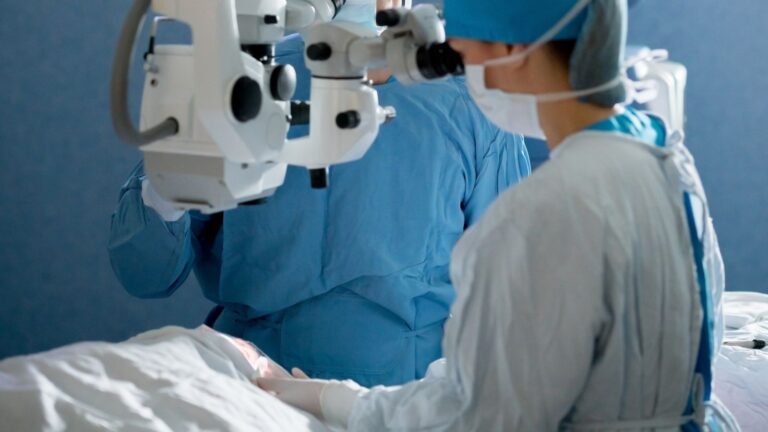
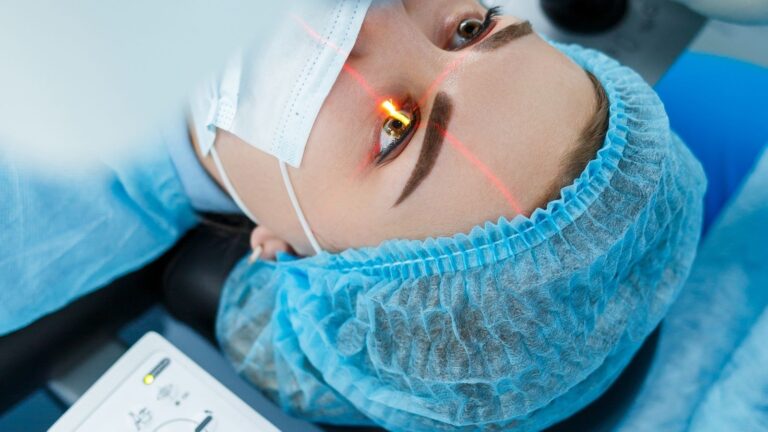
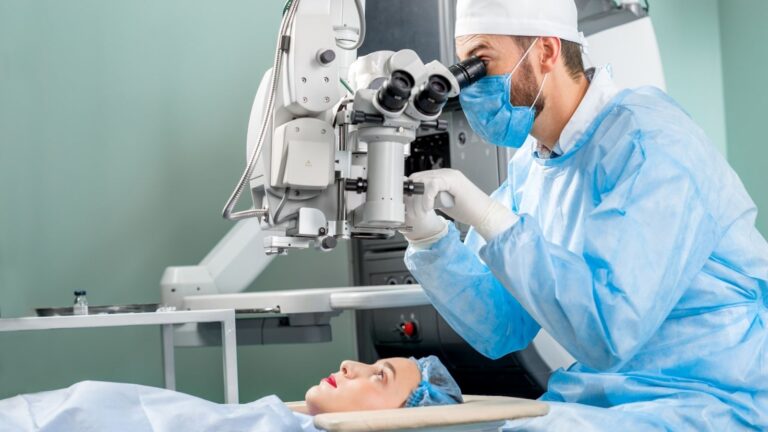
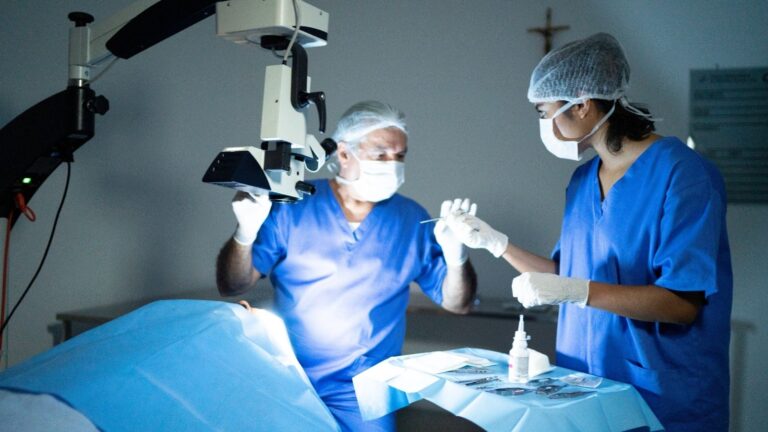
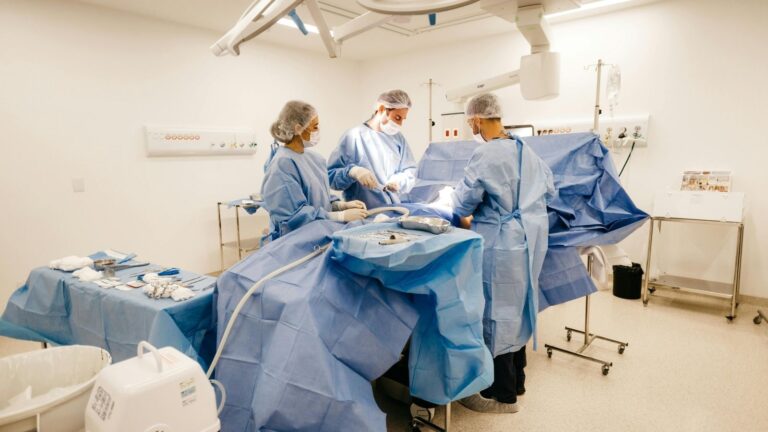
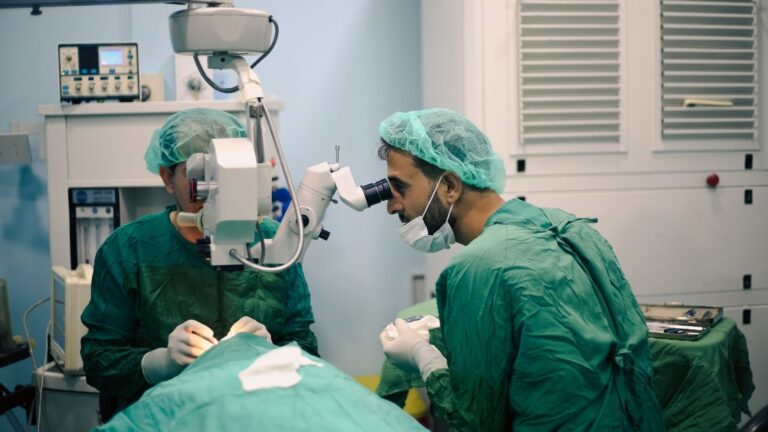
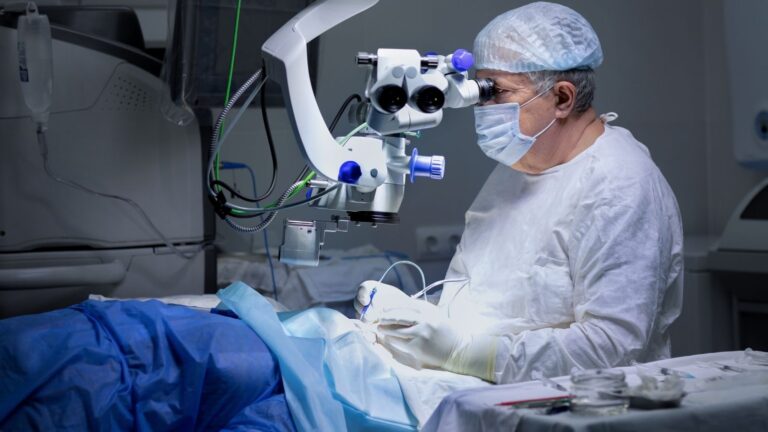
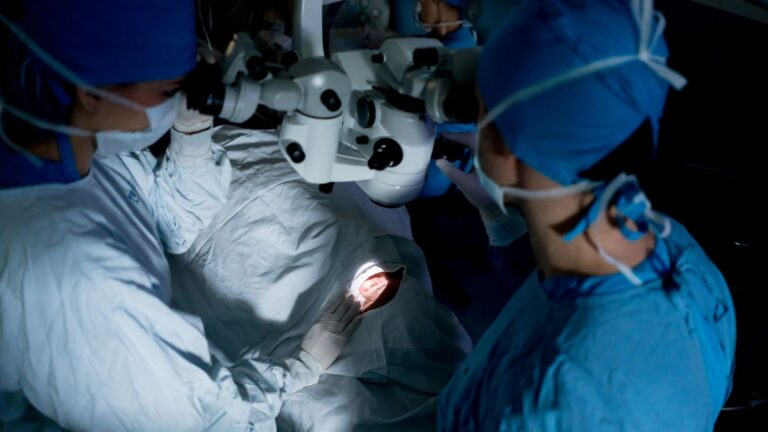
The surgery uses the same technique as cataract surgery. The eye is numbed with drops, and general anaesthesia is usually not needed. Through an incision of a few millimetres in the cornea, the natural lens is broken up with ultrasound and removed. The foldable EDOF lens is then placed through the same incision.
The procedure usually takes 15–20 minutes and you go home the same day. The two eyes are usually operated on different days.
Recovery after surgery
Vision may be blurry in the first hours after surgery. This usually improves noticeably within a few days. You will need to use the prescribed drops regularly for the recommended period. Keeping water out of the eye, not rubbing it and avoiding make-up are the most important precautions in the first weeks.
The brain gradually gets used to the image the new lens provides. This adaptation varies from person to person and can take from a few weeks to a few months. Follow-up visits are there to check that recovery is going well.
Possible risks and side effects
Like any surgical procedure, EDOF lens surgery carries risks. Knowing them helps you make a better-informed decision:
- Infection inside the eye (rare, but a serious complication)
- Temporary corneal swelling and a rise in eye pressure
- Clouding of the membrane behind the lens months or years later. This can be treated with a short laser procedure (YAG laser).
- Halos or starbursts around lights at night
- Deviation from the target prescription; glasses or an additional correction may be needed in some cases
- Rare but serious complications such as retinal detachment
Choosing the right lens starts with an examination
Whether an EDOF lens is right for you is determined by a detailed eye examination. The length of the eye is measured, a corneal map is taken and the retina is examined. Your daily habits and expectations are also discussed. Assoc. Prof. Dr. Berkay Akmaz evaluates all of this together and explains the lens options that suit you.