
Laser Eye Surgery
EYE HEALTH GUIDE
Author: <span>Mehmet Akar</span>

Blepharospasm (Eyelid Spasms)
Blepharospasm is a movement disorder characterized by involuntary contractions of the eyelids. It usually affects both eyes and may make it difficult for the patient to see. Although its exact cause is unknown, it is associated with neurological factors. Patients experience symptoms such as frequent blinking, eye fatigue, and difficulty seeing. It may adversely affect […]
Read the article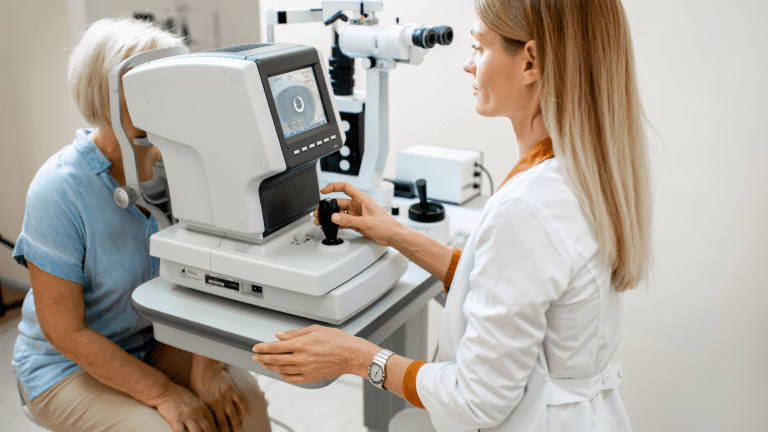
Eye Disorders and Their Types
Eye disorders are examined in two groups: refractive errors that affect visual acuity and eye diseases. Myopia, hyperopia, and astigmatism are the most common refractive errors. Patients with myopia have blurred distance vision, while hyperopia causes difficulty with near vision. Astigmatism affects both distance and near vision because of irregularities in the cornea. Eye diseases […]
Read the article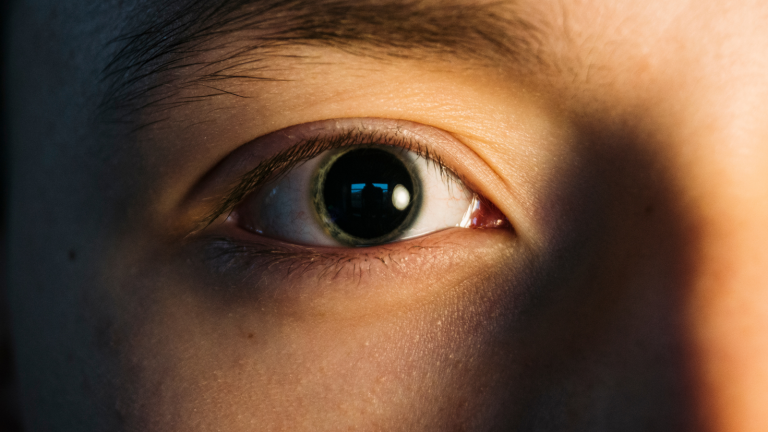
What Causes Pupil Dilation?
Pupil dilation is medically known as mydriasis. Low light levels, the effects of medication, or certain neurological diseases may cause this condition. It may be normal or pathological. Physiological mydriasis generally occurs in dark environments and is temporary. Drops containing adrenaline and certain medications may produce a similar effect. Pathological dilation may indicate emergencies such […]
Read the article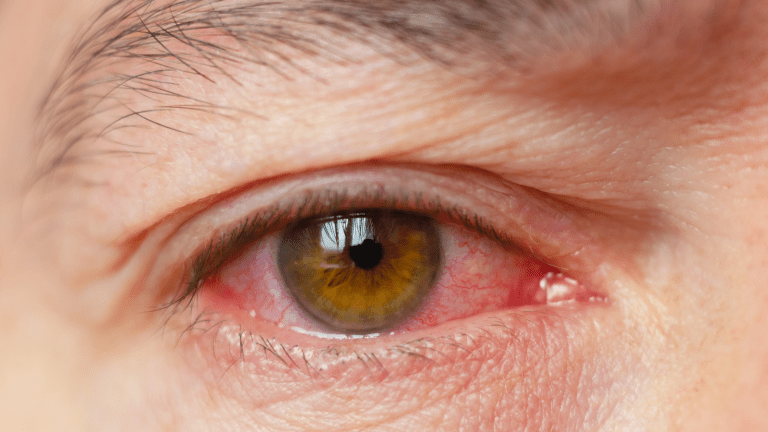
What Is Conjunctivitis (Pink Eye)? What Are Its Symptoms?
Conjunctivitis is inflammation of the membrane covering the white part of the eye and the inside of the eyelids. It causes redness, watering, itching, and burning. Infections, allergies, and irritants are among the most common causes. Viral conjunctivitis is common, particularly because it spreads rapidly. Symptoms include watering, burning, and stinging. Following hygiene rules and […]
Read the article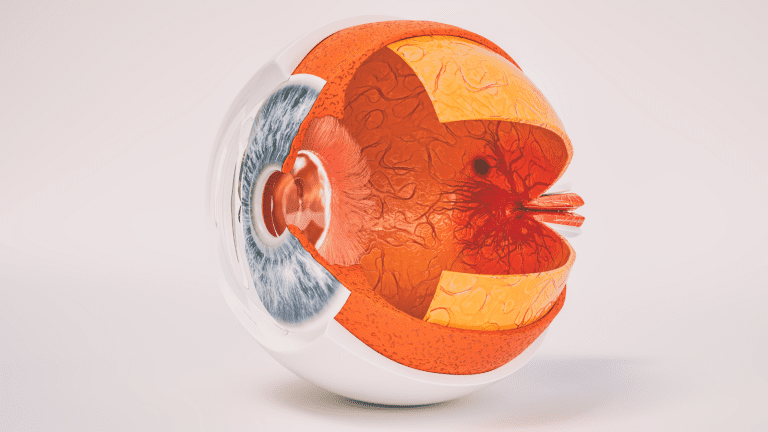
What Is the Eye and What Is Its Anatomy?
The eye is one of the most complex organs, enabling vision by detecting light. Structures such as the cornea, iris, lens, retina, and optic nerve play critical roles in the visual process. The health of each part is essential for clear, high-quality vision. The cornea refracts light as it enters the eye. The iris regulates […]
Read the article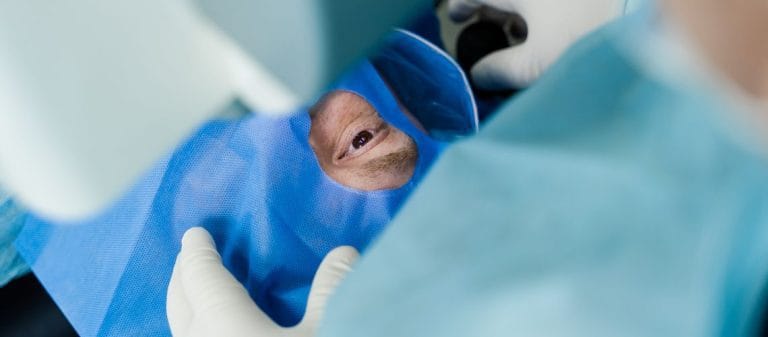
What Are the Risks of Cataract Surgery?
Although cataract surgery is now considered one of the safest surgical procedures, it does carry certain risks. Infection, bleeding, increased intraocular pressure, and corneal edema are among the possible complications. These risks occur at low rates but require follow-up. Complications such as posterior capsule rupture, displacement of the lens implanted in the eye, or retinal […]
Read the article
Can Methanol Cause Sudden Blindness?
Methyl alcohol is converted into toxic metabolites in the body, causing serious damage to the nervous system and particularly the optic nerve. High-dose intake carries a risk of sudden and permanent blindness. Therefore, poisoning requires emergency medical intervention. Headache, nausea, dizziness, and visual disturbances are among the early symptoms of methyl alcohol poisoning. Vision loss […]
Read the article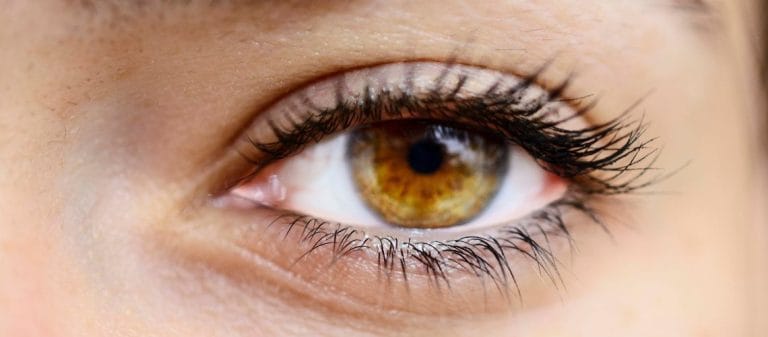
Can Alcohol and Smoking Harm Your Eyes?
Alcohol consumption and smoking are important factors that negatively affect eye health. Smoking increases the risk of cataracts, macular degeneration, and optic nerve damage. Alcohol may have toxic effects on the optic nerve in the long term. Cigarette smoke causes dryness, redness, and irritation in the eyes. Long-term smoking can damage the retinal blood vessels […]
Read the article
Can Amblyopia (Lazy Eye) Be Treated with Excimer Laser?
Amblyopia is not a condition that can be treated directly with an excimer laser. However, the refractive errors that cause amblyopia can be corrected with laser treatment. This may improve visual quality and help the weaker eye to be used more effectively. The most effective methods for treating amblyopia are patching therapy during childhood and […]
Read the article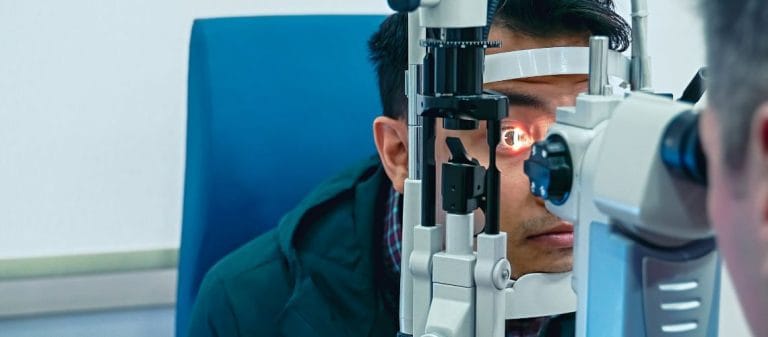
What Causes Cataracts at a Young Age?
Cataracts at a young age develop when the natural lens of the eye loses its transparency earlier than normal. They may occur due to congenital, traumatic, or metabolic causes. They can lead to a significant reduction in visual quality. Genetic factors and congenital metabolic diseases may cause cataracts during childhood. In such cases, early surgical […]
Read the article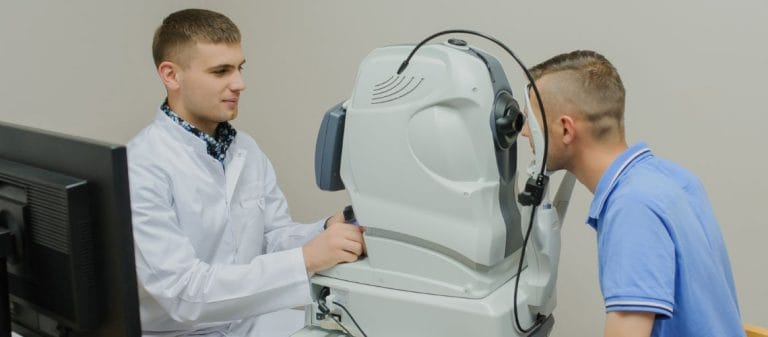
What Is Eye Tomography? How Is an OCT Scan Performed?
Eye tomography is an imaging method used to obtain high-resolution cross-sectional images of specific tissues in the eye. In ophthalmology, the term eye tomography usually refers to Optical Coherence Tomography (OCT). OCT is particularly used for the structural evaluation of the retina, macula, and optic nerve head. Its non-contact application and the ability to compare […]
Read the article
Who Should Not Undergo Cataract Surgery?
Although cataract surgery is a safe procedure for most patients, it is not suitable for everyone. Additional eye diseases that threaten eye health or general health problems may require the operation to be postponed. Advanced retinal diseases, uncontrolled glaucoma, and active eye infections can make surgery risky. In these cases, alternative treatment methods may be […]
Read the articleEYE HEALTH IN VIDEOS
All videos Hear it from your doctor.
Videos about eye health, examination procedures, and frequently asked questions.
Partner Institutions
Our clinic has agreements with the following institutions and private insurance providers.