
Contents:
Blepharospasm is a movement disorder characterized by involuntary contractions of the eyelids. It usually affects both eyes and may make it difficult for the patient to see. Although its exact cause is unknown, it is associated with neurological factors.
Patients experience symptoms such as frequent blinking, eye fatigue, and difficulty seeing. It may adversely affect daily life and lead to social limitations.
The most effective treatment is botulinum toxin injection. This treatment temporarily relaxes the muscles and reduces symptoms. It must be repeated at regular intervals.
Surgical methods may be used in advanced and treatment-resistant cases. Early diagnosis and regular monitoring are important for improving quality of life.
| Medical Name | Essential Blepharospasm |
|---|---|
| Prevalence | More common in middle-aged and older adults, particularly women |
| Risk Factors | Genetic predisposition, environmental irritants such as light, wind, and stress, certain medications |
| Symptoms | Uncontrolled eyelid contractions, increased blinking, difficulty seeing |
| Complications | Reduced visual quality, social and functional limitations |
| Diagnostic Methods | Clinical observation, EMG when necessary, exclusion of underlying causes |
| Treatment Options | Botulinum toxin injections as the first choice, medication with limited effectiveness, surgery such as myectomy |
| Reasons for Surgery | Cases that do not respond to botulinum toxin treatment or in which it remains ineffective over the long term |
| Prevention Methods | Cannot be prevented, but avoiding triggering factors may relieve symptoms |
What Is Blepharospasm (Eyelid Spasm)?
Blepharospasm is a neurological condition characterized by involuntary contractions of the eyelid muscles. It generally appears as sudden and repeated closure of both eyelids. It may begin with mild twitching but can become severe enough over time to make daily life difficult. Although its precise cause is unknown, it is associated with abnormalities in the movement-control centers of the brainstem.
How Does Blepharospasm Affect the Eyelids?
Because our eyes are one of the most important ways in which we perceive the outside world, they directly affect our quality of life. The eyelids are like covers that protect these valuable organs and keep them moist and healthy. Under normal conditions, the eyelids blink at regular intervals. They also open and close rapidly without us noticing to renew the tear film or briefly rest the eyes. In blepharospasm, however, this natural and rhythmic movement is disrupted. The eyelids may close spontaneously, repeatedly, and sometimes forcefully, as if they are "out of control." To explain this with a metaphor, imagine an orchestra responsible for carrying out the work of the eyelids. Under normal circumstances, the conductor, representing the motor-control centers in the brain, ensures that the orchestra performs in a coordinated and orderly manner. In blepharospasm, some members of the orchestra suddenly begin playing independently and cannot interpret the conductor's instructions correctly. The result is chaotic, involuntary contractions and sometimes persistent closure.
The severity of these contractions varies from person to person. They may begin as a mild tic, while more intense and prolonged eyelid closure may develop over time. In mild cases, the person may complain only of increased blinking. In severe cases, involuntary closure may become so pronounced that the person is forced to keep the eyes completely closed, seriously obstructing vision. Blepharospasm frequently affects both eyes and may therefore develop into a condition that significantly limits everyday functioning.
What Causes Blepharospasm? Neurological Triggers
Although the exact cause of blepharospasm is not fully understood, most specialists agree that it is a form of focal dystonia. Dystonia is a broad medical term for involuntary muscle contractions affecting one part of the body. Specialized centers in the brain called the basal ganglia finely regulate bodily movements. These centers function like the musical notes used by a conductor to direct an orchestra. If communication within the basal ganglia is disrupted, the orchestra members lose the correct tempo, resulting in involuntary contractions resembling dystonia.
This type of disruption in neural communication also occurs in blepharospasm. Imbalances in the chemical messengers between nerve cells, particularly neurotransmitters such as dopamine, may send incorrect or excessive signals to the muscles around the eyes. Instead of opening and closing the eyelids consciously, the person experiences sudden, repetitive, and uncomfortable contractions. Some scientific studies suggest that mutations in genes such as GNAL or CIZ1 may play a role in the development of these types of dystonia. These mutations disrupt dopamine signaling and may trigger involuntary contractions like a "spark" in the areas where movement control is most sensitive.
Interestingly, blepharospasm may occur on its own or form part of a broader neurological disorder. Eyelid spasms may also be seen in movement disorders such as Parkinson's disease, Wilson's disease, and tardive dyskinesia. In these cases, blepharospasm generally occurs alongside other neurological findings such as tremor, rigidity, and involuntary movements. This "small chaos in the eyelids" may therefore sometimes be an important part of a larger clinical picture.
Can Blepharospasm Be Related to Stress or Fatigue?
You may have noticed that eyelid spasms become more noticeable, particularly during stressful periods or when you are tired. Clinical observations and research show that emotional or physical stress may trigger blepharospasm further. Stress can be viewed as the body's state of alarm. When the brain perceives danger or faces intense pressure, it releases higher levels of certain hormones and neurotransmitters. This may further disrupt sensitive signaling within the basal ganglia and make symptoms more pronounced in people predisposed to blepharospasm.
Fatigue may similarly increase eyelid spasms. When a person does not get enough sleep or experiences prolonged physical or mental exertion, the brain may lack the energy required to restore all the body's systems. Minor stimuli that would normally be tolerated, such as bright light or eye strain, may then become much more effective at triggering eyelid contractions. Habits such as looking at a computer screen for prolonged periods, having an irregular sleep pattern, and consuming excessive caffeine may increase unwanted eyelid movements.
If you try to perform a fast-paced concert using an instrument with strings that are close to breaking and out of tune, the risk of those strings breaking during the performance is much greater. A nervous system predisposed to blepharospasm can be considered in the same way. Factors such as stress and fatigue increase "the tension in the strings" and make it easier for spasms to occur.
Who Is at the Highest Risk of Blepharospasm?
Although blepharospasm may occur in all sections of society, it is more common in certain demographic groups. Epidemiological data show that its prevalence increases considerably after the age of 40. Although the average age of onset is around 50, the condition may occur even more frequently among people in their 70s. Women are at greater risk of developing blepharospasm than men. Although the reasons for this have not been fully explained, hormonal differences, genetic predisposition, and immune system factors are being considered.
Geographical and environmental factors are also important. Some studies indicate that the rate of blepharospasm is relatively higher among people living in urban areas than among those living in rural regions. This difference is thought to be associated with factors such as urban stress, air pollution, long working hours that trigger eye fatigue, and increased time spent in front of screens. The risk is also slightly higher in people with a family history of the condition. Although the effect of genetic factors has not been fully established, you may be more likely to experience similar symptoms if someone in your family has blepharospasm or another type of dystonia.
It should also be noted that blepharospasm sometimes occurs alongside other diseases. Secondary blepharospasm may develop in conditions associated with irritation of the eye's surface, such as dry eye or blepharitis. The risk of blepharospasm also increases with neurological disorders such as Parkinson's disease, brain injuries, or medication-related tardive dyskinesia. The overall risk may therefore increase when several factors occur together.
How Is Benign Essential Blepharospasm (BEB) Diagnosed?
As the word "benign" suggests, benign essential blepharospasm, or BEB, is not life-threatening, but it can reduce quality of life. It is considered the most common form of blepharospasm and generally occurs without being caused by another disease. In this type of blepharospasm, involuntary contractions of the muscles controlling the eyelids usually affect both eyes simultaneously.
When assessing a patient with suspected BEB, a physician first considers the form, duration, and frequency of the contractions around the eyes. If the patient initially experienced occasional mild eyelid twitching but now has contractions severe enough to make it difficult to open the eyes, and these contractions occur similarly in both eyes, a diagnosis of BEB becomes highly likely. A detailed medical history and physical examination also help exclude other eye conditions such as dry eye and unilateral facial muscle spasms such as hemifacial spasm.
A neurological examination of the patient is also important. Symptoms associated with Parkinson's disease or other forms of dystonia may guide the diagnosis. Ophthalmologists and neurologists frequently work together and may sometimes use electromyography, or EMG, or brain imaging methods such as MRI. Nevertheless, BEB is generally diagnosed largely through clinical observation and experience. Laboratory tests and imaging are mainly required to rule out other similar diseases.
Can Blepharospasm Cause Vision Problems?
It is sometimes assumed that this is entirely a muscular problem and has nothing to do with the eyes themselves. However, frequent and forceful closure of the eyelids may physically interrupt vision. During blepharospasm attacks, the eyelids close involuntarily. Even if the person wants to open their eyes, they may be unable to resist the contraction. During this time, they may experience what is known as temporary "functional blindness," in which they cannot see their surroundings because their eyes are involuntarily held tightly closed.
Although this temporary loss of vision does not cause permanent damage, it may seriously affect daily life. It may create significant dangers during activities that require attention and visual tracking, such as driving, walking up or down stairs, or moving through public spaces. Some people with blepharospasm also experience extreme sensitivity to light, known as photophobia. Light sensitivity causes more frequent blinking and increased involuntary contractions, creating a vicious cycle. To use a clearer analogy, it is like turning on loud music in an already noisy environment. Once the stimulation threshold is exceeded, the surroundings become even more chaotic.
Some patients also complain of blurred vision. This mainly occurs because frequent eyelid closure may prevent the tear film from spreading evenly or may cause temporary dryness on the eye's surface. This temporarily reduces visual clarity. If no other underlying eye condition is present, controlling the spasms and moisturizing the eye may also improve visual quality.
Which Treatment Options Are Available for Blepharospasm?
Botulinum toxin, or BoNT, injections are the best-known and most effective treatment for blepharospasm. This toxin, which has been used for years to treat various neurological disorders, temporarily blocks the nerve signals that cause involuntary muscle contractions. The muscle cannot receive the instruction to move and therefore relaxes. As a result, the contractions around the eyes decrease or disappear completely. Botulinum toxin injections are generally repeated every 3-4 months because their effect diminishes over time. The duration of the effect may vary slightly according to the person's metabolism, the injection technique, and the dose used.
Medication is often not as effective as botulinum toxin. Nevertheless, some patients may use muscle relaxants such as baclofen, benzodiazepines such as clonazepam, or anticholinergic medications such as trihexyphenidyl, particularly in mild cases or when additional treatment is required. These medications may relieve spasms by causing temporary changes in nerve-muscle communication or movement control within the brain. However, side effects such as drowsiness, dizziness, and dry mouth may limit their use.
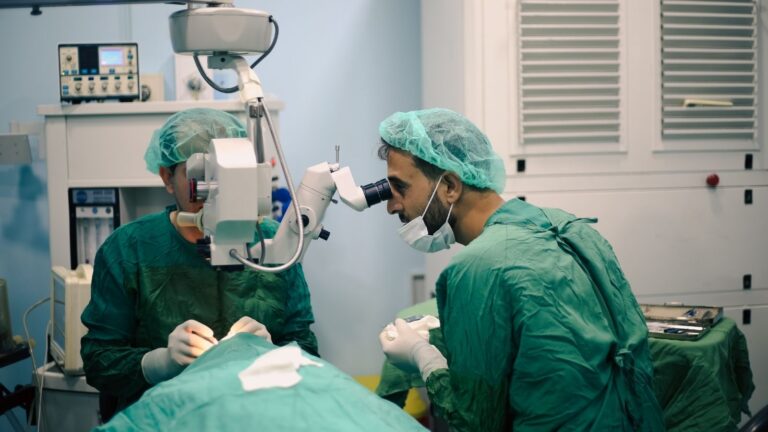
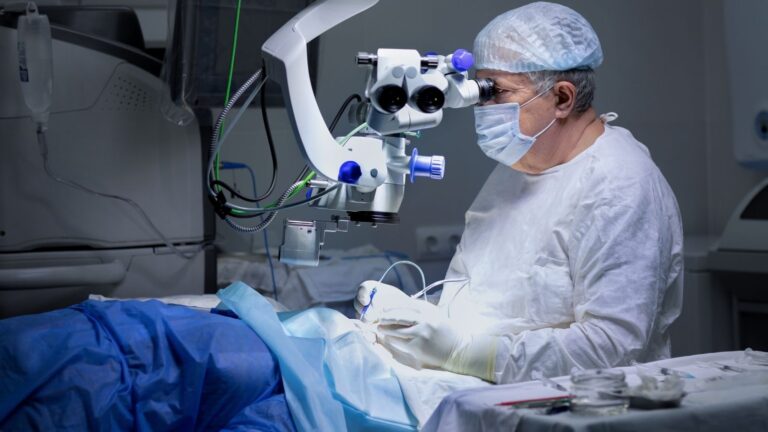
Surgical methods are generally considered when other treatments have been unsuccessful or in very advanced cases. Myectomy, meaning the surgical removal of some of the eyelid muscles, or partial division of certain nerve branches may be performed to reduce spasms. These procedures may provide long-term relief. However, possible surgical complications, changes in eyelid shape, aesthetic concerns, and the risk of unintentionally removing too much muscle tissue must also be considered.
How Effective Is Botox in Treating Blepharospasm?
When blepharospasm treatment is discussed today, the first method that almost always comes to mind is botulinum toxin injection, also known as Botox. This is because it provides rapid and reliable relief for many patients. Botulinum toxin prevents a chemical messenger called acetylcholine, which is released from nerve endings, from reaching the muscles. This breaks the cycle of excessive muscle contraction.
The effectiveness of the treatment is high. According to various clinical studies, contractions decrease considerably in a large proportion of patients following the injections. In some people, the contractions almost disappear, while in others the symptoms are reduced to a manageable level. This depends on the dose administered, injection technique, individual sensitivity, and severity of the condition. The most common side effects are short-term drooping of the eyelid, known as ptosis, and temporary double vision. These generally occur when the injection site is too close to certain muscles or when the administered dose is higher than intended. They usually resolve on their own within a few weeks.
Another important aspect of botulinum toxin injections is the need to repeat them at regular intervals because the toxin's effect is not permanent. In some patients, it remains effective for around three months, while in others the effect may last for 4-5 months. Although the contractions are substantially controlled after each injection, some people may develop a degree of tolerance through antibody formation after long-term use. Different types of botulinum toxin, such as incobotulinumtoxinA, or alternative treatment approaches may then be considered. Overall, Botox treatment can be regarded as the "gold standard" for managing blepharospasm.
Which Lifestyle Changes May Reduce Blepharospasm Attacks?
Although medical methods are important in treatment, several small but effective adjustments to daily life may also reduce the severity and frequency of blepharospasm attacks. The first recommendation is generally to improve methods of managing stress. Today, stress acts as a catalyst behind almost every health problem. Relaxation techniques such as regular walking, yoga, breathing exercises, and meditation may calm the nervous system and help reduce spasm attacks.
Reducing or controlling fatigue as much as possible is also extremely important. Sufficient, high-quality sleep functions like a "repair workshop" for the body. During sleep, the brain processes some of the stimuli received during the day and restores the body. When sleep quality is poor or sleep is consistently shortened, the processes that trigger involuntary eyelid contractions may be activated more frequently. Simple measures such as maintaining a regular sleep routine by going to bed and waking up at the same times each day and keeping the sleeping environment dark and quiet can therefore be effective.
Another simple step is limiting caffeine and similar stimulants. Caffeine stimulates the central nervous system, which may create additional stimulation in muscles already prone to contraction. Reducing the consumption of coffee, tea, cola, energy drinks, and even chocolate may relieve spasm attacks. People who are uncomfortable in bright sunlight may wear sunglasses to protect their eyes. Those with dry eyes may routinely use artificial tear drops to soothe the eye's surface and thereby reduce the frequency of reflex blinking.
If a person's work requires prolonged screen use, taking short breaks every hour and resting the eyes is also important. The technique known as the "20-20-20 rule," which involves looking at something 20 meters away for 20 seconds every 20 minutes, may relax the eye muscles. Although these small habits may not eliminate blepharospasm completely, they may substantially reduce the severity and disruptive effects of attacks.
What Is the Difference Between Primary and Secondary Blepharospasm?
Primary blepharospasm generally appears as benign essential blepharospasm, or BEB. There is no other underlying disease, and the condition seems to develop "spontaneously." It may be summarized as minor dysfunction within the basal ganglia or dopaminergic systems triggering contractions of the eyelids. A person with primary blepharospasm may have no other neurological problems, and all tests may produce normal results. Nevertheless, eyelid contractions continue.
Secondary blepharospasm, as its name suggests, develops as a result of another condition. Chronic irritation of the eye's surface, such as dry eye, keratitis, or blepharitis, may cause the repeated blinking reflex to become excessive and lead to secondary blepharospasm. Neurological disorders that affect the brain's movement system, such as Parkinson's disease, may also cause eyelid spasms. In some cases, secondary blepharospasm may occur after brain trauma, tumors, or stroke. The most important characteristic of the secondary form is that the spasms may decrease or disappear completely when the underlying cause is treated, such as when dry eye is controlled. However, if the underlying disease is a progressive neurodegenerative condition, the course of blepharospasm is directly affected by how that disease is managed.