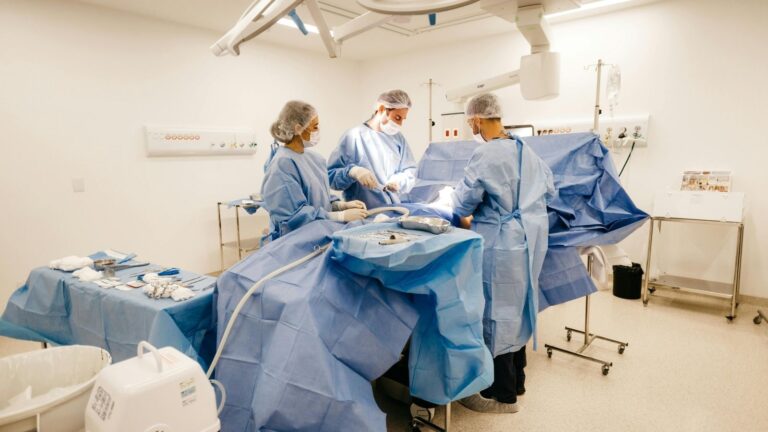
Although cataract surgery is a safe procedure for most patients, it is not suitable for everyone. Additional eye diseases that threaten eye health or general health problems may require the operation to be postponed.
Advanced retinal diseases, uncontrolled glaucoma, and active eye infections can make surgery risky. In these cases, alternative treatment methods may be considered instead of surgery.
The patient's general health is also important. Patients with heart, respiratory, or blood clotting problems do not undergo surgery without a detailed assessment. An individual risk analysis is performed for every patient.
Patients who are considered unsuitable for surgery based on the physician's decision are monitored regularly. This can help prevent the progression of vision loss, and the option of surgery can be reconsidered when the timing is appropriate.
Sometimes, cataract may not be the only problem affecting the eye. In people with another advanced eye disease, the expected benefit of surgery may be substantially reduced, or the operation itself may become riskier for the eye. For example, cataract surgery may not always be the first option when retinal detachment, retinal tearing and separation, advanced macular degeneration, age-related macular disease, or hereditary conditions that cause severe retinal damage, such as retinitis pigmentosa, are present.
In cases of retinal detachment, protecting the internal structures of the eye and preserving vision take priority. If the retina has detached or been damaged, interventions performed during surgery may change intraocular pressure and worsen the condition. Advanced macular degeneration affects the center of vision, so the benefit provided by cataract surgery may remain very limited. Even if the clouded lens is removed, the patient's visual quality may not improve significantly because of the retinal damage. After surgery, some patients may perceive a "brighter" darkness rather than clearer vision, but this does not represent clear sight.
Similarly, although partial improvement after surgery may be possible in conditions such as retinitis pigmentosa, the improvement may not meet expectations because the main problem lies within the retina itself. In these cases, physicians decide by carefully evaluating how much cataract-related symptoms reduce quality of life and the level of benefit expected from surgery. Treating or stabilizing existing eye diseases generally takes priority. In some cases, special approaches may be used when cataract surgery is performed together with treatment for these conditions.
When an active eye infection is present, cataract surgery immediately raises the concern of a serious risk: inflammation inside the eye known as endophthalmitis. This condition can threaten vision rapidly and permanently after surgery. Cataract surgery is therefore generally postponed or not performed when an active eye infection is detected. The aim is to treat and completely eliminate the existing infection. Compared with other parts of the body, the eye has a more sensitive defense mechanism against microorganisms. Even a small number of bacteria or viruses can cause serious damage.
This does not mean that surgery is strictly impossible in every type of infection. For example, if there is a controlled infection outside but close to the eye, special antibiotic treatments may be administered before surgery to reduce the risks. In certain rare and exceptional circumstances, surgery may be performed with additional precautions when necessary. However, this is not standard practice. Sterile conditions are essential for the eye to heal properly. Even a minor suspicion of infection must therefore be addressed before surgery, and the necessary treatment must be completed.
Cataract surgery is generally a short procedure performed under local anesthesia. However, people with serious systemic diseases involving the heart, blood pressure, or blood sugar may have a higher risk of complications during and after surgery. Uncontrolled hypertension, particularly when systolic blood pressure is above 180 mmHg, may cause bleeding inside the eye or problems during surgery. Wound healing may also be delayed in people with uncontrolled diabetes, and the risk of infection may increase. These conditions can be compared to checking a car's braking system before setting out on a winding road. All safety measures must be taken before beginning the journey.
People with cardiovascular disease may also experience problems under anesthesia or sedation. The anesthesia team and ophthalmologist generally assess the patient's condition together and select the safest approach. In most cases, people with these conditions can undergo surgery. However, the examinations requested by the medical team must first be completed, and the condition should be stabilized as much as possible. In advanced cases that cannot be controlled, surgery may be postponed or canceled if the medical risks outweigh the potential benefits.
Cataract surgery is essentially the replacement of the eye's natural lens. However, to achieve the desired result after surgery, the patient's prescription and vision are expected to remain stable for a certain period. The position and power of the lens are adjusted to provide long-term visual clarity. If the eye's refraction changes continuously or other factors such as glaucoma or retinal disease affect visual acuity from one moment to another, the results of surgery may produce a form of "foggy clarity."
For example, diabetic retinopathy may cause vision to worsen and improve intermittently because of fluctuating blood sugar levels. When these types of fluctuations are present, adjusting the cataract lens also becomes more difficult. Complications that develop during postoperative wound healing, such as leakage of fluid from the eye or unstable intraocular pressure, may make vision even less stable. Physicians therefore generally prefer the patient's eye prescription not to have changed substantially for at least one year. This can be compared to waiting for a prescription to become more stable before changing a pair of glasses.
In autoimmune diseases, the immune system may attack the body's own tissues and sometimes cause inflammation in the eye. Uveitis attacks may occur in conditions such as rheumatoid arthritis. However, this does not mean that every patient with an autoimmune disease is unsuitable for cataract surgery. Cataract surgery can generally be performed if the systemic disease is under control and is not causing active inflammation in the eye.
Patients with immune deficiency, including HIV, may sometimes be more vulnerable to infections. However, cataract surgery may be quite safe if the patient's general condition is good, the CD4 count, which indicates the number of immune cells in people with HIV, is above a certain level, and there is no active infection. Some patients may require additional precautions before surgery or treatments that support immune function. Careful planning and close follow-up are essential. In both autoimmune diseases and immune deficiencies, anti-inflammatory eye drops or medications may be used more carefully after surgery to reduce the risk of inflammation inside the eye.
Dry eye, also known as dry eye disease, is a condition in which the eye surface is not adequately lubricated and may cause burning, stinging, and fluctuations in vision. The surgical incision and eye drops used afterward may temporarily make the eye surface even more sensitive. Particularly in people with severe dry eye, symptoms such as burning, stinging, and blurred vision may increase after surgery. The ophthalmologist may therefore first strengthen dry eye treatment and attempt to stabilize the ocular surface. If surgery is performed before stability is achieved, prolonged discomfort and delayed wound healing may occur.
Glaucoma is a serious and often silent disease associated with increased intraocular pressure. Some patients may experience sudden increases in intraocular pressure after cataract surgery. These pressure spikes can cause existing glaucoma to progress and deepen visual field loss. In some cases, glaucoma surgery, such as trabeculectomy or tube implantation, may be performed at the same time as cataract surgery to address both problems in a single operation. However, this combination can be more complex surgically and technically and must be performed by experienced ophthalmologists. The risks are therefore higher in patients with glaucoma, but modern methods are available to minimize them.
Because cataract is generally associated with advancing age, cataract in infants and children younger than 18 may not immediately come to mind. However, congenital cataracts and cataracts that develop during childhood are not uncommon. Since visual development occurs very quickly in infants and children, surgery may often become unavoidable. A clouded lens can affect coordination between the brain and the eye and lead to amblyopia, or lazy eye.
For this reason, surgery may generally be recommended within the first six weeks of life when an infant has a unilateral cataract. Timing is somewhat more flexible for bilateral cataracts, but intervention within the first few months remains critical for visual development. Because the eye is smaller in infants and the healing process differs, the surgical technique and postoperative follow-up require a more meticulous approach than in adults. With current technology, however, childhood cataract surgery can largely provide successful results and increase the likelihood of children having high-quality vision later in life.
Previous refractive eye surgery, including procedures such as LASIK or PRK, may create different challenges during preparation for cataract surgery. The power of the artificial lens, or IOL, implanted during cataract surgery is calculated according to the curvature of the cornea and other measurements. Because the natural curvature of the cornea changes after LASIK, standard formulas frequently produce misleading results. The physician's experience and specialized lens calculation methods, such as the Barrett True-K formula, become important in these cases.
Dry eye that may already be present because of previous LASIK can increase slightly after surgery. If special lenses such as multifocal or toric lenses are planned, working with a previously laser-treated cornea requires much greater care. Although the aim is to provide high-quality vision after surgery, even millimetric errors in lens positioning can cause problems such as glare and halos. Patients who have undergone LASIK should therefore receive a detailed examination before surgery and discuss their expectations with their physician.
Cataracts may develop more frequently and at an earlier age in people with weakened immune systems, particularly in HIV-positive patients. When deciding on surgery for these patients, factors such as the CD4 cell count, the presence of an active infection, and the patient's general health are evaluated carefully. Very low CD4 levels weaken the body's ability to fight microorganisms and may increase the risk of postoperative infection, endophthalmitis, or inflammation inside the eye. However, being HIV-positive does not automatically prevent surgery. Cataract surgery can be performed safely when the disease is controlled and immune function is adequate.
For example, some patients may receive short-term supportive treatment in addition to their HIV therapy or anti-inflammatory precautions before surgery. The aim is to minimize postoperative infections and inflammation. There may nevertheless be circumstances in which surgery should be postponed, such as when the patient has active AIDS or another infection or severe inflammation in the eye. The patient's general health is allowed to improve, the body is prepared more effectively for surgery, and cataract surgery is then performed. Throughout this process, physicians continuously balance the patient's general health with their eye health.