
Cataracts at a young age develop when the natural lens of the eye loses its transparency earlier than normal. They may occur due to congenital, traumatic, or metabolic causes. They can lead to a significant reduction in visual quality.
Genetic factors and congenital metabolic diseases may cause cataracts during childhood. In such cases, early surgical intervention is critical for preserving visual development.
Traumatic cataracts are particularly common among young adults. Eye injuries, exposure to radiation, and the long-term use of certain medications are also among the risk factors.
Treatment is planned according to the severity of the cataract. In advanced cases, surgical lens replacement is performed. Early diagnosis and regular eye examinations are very important in preventing the progression of cataracts at a young age.
A cataract occurs when the natural lens inside the eye loses its transparency. Although age-related cataracts are more common, they may also occur at a young age for various reasons. One of the most prominent causes is trauma. Blows to the eye or head can damage the structure of the lens and cause it to become cloudy rapidly. Even a small puncture or an injury caused by a sharp or penetrating object may disrupt the chemical balance of the lens and create the conditions for cataract development.
Recurrent inflammation inside the eye is another important factor that can cause cataracts at a young age. Inflammatory conditions such as uveitis, which affect the internal structures of the eye, may cause permanent changes in the lens, similar to the cloudy appearance of fogged glass. Atopic conditions, which cause problems such as chronic itching of the skin and rashes, may also increase sensitivity in the eye and raise the risk of cataracts. Some studies indicate that posterior subcapsular cataracts, a type that develops near the back surface of the lens and occurs more frequently in younger people, may be associated with atopic conditions.
The effects of systemic diseases are particularly associated with conditions that disrupt the body's overall metabolic balance. Diabetes, thyroid diseases, and inherited metabolic disorders may indirectly affect the structure of the lens and accelerate cataract development. When these conditions are not detected early or are not properly controlled, they may cause an abnormal loss of transparency in the natural lens of the eye.
Systemic diseases may involve many complex mechanisms that disrupt the healthy functioning of the lens. Diabetes, for example, alters the fluid balance inside the lens because of elevated blood sugar levels. When blood sugar rises, a substance called sorbitol begins to accumulate in the lens cells. Similar to the movement of water in an excessively salty environment, this substance disrupts the fluid balance of the lens, causing it to swell and become cloudy.
Abnormalities in the thyroid gland also affect the body's general metabolism by disrupting hormonal balance. The lens is affected by the same hormonal and metabolic processes as the body's other organs. As a result, the stages of cataract formation that would normally take years may occur at a much younger age when metabolic conditions are uncontrolled.
In some genetic or congenital metabolic diseases, the structure of the proteins that form the lens changes. In conditions such as galactosemia, the body cannot properly process the simple sugars found in milk and dairy products. These sugars then accumulate at toxic levels in the natural lens, causing it to become opaque. Similarly, in dyslipidemias that impair cardiovascular health, high levels of fat in the blood may create oxidative stress and damage the lens epithelium. This damage can cause protein aggregates to form in the lens and trigger cataract development.
Genetics are another important aspect of cataract development at a young age. Gene mutations may play a major role in cataract cases that occur frequently within a family and produce symptoms at an early age. For the lens to remain transparent, special proteins called crystallins must fold correctly and maintain their proper arrangement. Even a small genetic error affecting these proteins may impair the transparency of the lens, just as a defective puzzle piece distorts the entire picture.
Certain genes encode channels that allow communication between lens cells, including proteins such as connexins. When these channels are damaged, maintaining the fluid and nutrient balance inside the lens becomes more difficult, and the lens gradually becomes cloudy. In various syndromic conditions, such as Lowe syndrome or certain types of neurofibromatosis, the natural lens may be affected as part of the broader systemic condition. Because cataracts occur more frequently and begin earlier in individuals with a hereditary predisposition, family history may provide important clues.
Trauma, one of the most common causes of cataracts at a young age, directly damages the lens tissue. A hard blow to the eye or surrounding area may crack or tear the protective capsule of the lens. Situations such as being struck hard by a ball during a football match or sustaining an eye injury from a sharp or penetrating object may disrupt the integrity of this capsule and disturb the fluid and protein balance of the lens.
Eye injuries may occur frequently among children and young people, particularly while playing or participating in sports. An eye injury may not be noticed immediately, or its severity may be underestimated. However, a cataract may develop shortly after the trauma or several years later. One of the main problems is that young people may notice their vision problems late or may not consider them important. For example, they may postpone visiting a physician because they think, "My other eye can already see." Early intervention, however, may slow the progression of the cataract and help prevent permanent vision problems.
Diabetes is a condition that affects many organs when blood sugar remains uncontrolled at high levels. The eye is one of the most sensitive parts of this chain. When excess blood sugar enters the lens, substances such as sorbitol and fructose accumulate in the lens cells. This causes an imbalance in water absorption, resulting in swelling and clouding of the lens.
Free radicals, also known as oxidizing substances, that develop in a diabetic environment may also damage the structure of the lens proteins and cause the lens to lose its transparency rapidly. In a young person with diabetes, this entire process may result in cataract formation much earlier than many people would expect. For example, it would not be surprising for someone diagnosed with diabetes during their teenage years who does not follow their treatment carefully to consult a physician with cloudy vision several years later.
Diabetes may sometimes progress alongside other metabolic problems, such as high blood pressure or high cholesterol. When these conditions occur together, the nourishment and normal functioning of the lens are further impaired, and the rate of cataract formation increases.
Lifestyle has a profound effect not only on general health but also on eye health. Poor dietary habits and an insufficient intake of vitamins and antioxidants make it more difficult to protect the proteins in the lens. Antioxidants defend eye tissue by neutralizing free radicals. A balanced diet rich in fruit and vegetables may therefore help reduce the risk of cataracts.
Smoking, on the other hand, increases oxidative stress in the eye and places greater strain on its natural defense mechanisms. Just as an object exposed to dense smoke quickly becomes covered in soot, the lens inside the eye becomes more vulnerable to the harmful effects of free radicals. Some studies also suggest that consuming large amounts of coffee may negatively affect eye health. However, it is not entirely clear whether this effect is caused by caffeine or by other substances produced during the roasting process.
In addition, nutritional deficiencies, limited access to regular healthcare examinations, and a greater prevalence of harmful habits under poor socioeconomic conditions may increase cataract cases among young people. Healthy lifestyle choices such as exercising, sleeping regularly, and avoiding stress have protective effects on many organs, including the eyes.
Rare genetic disorders such as myotonic dystrophy may be an unexpected cause of cataracts at a young age. In these conditions, the natural structure of the lens is affected in addition to muscle weakness. Chronic allergic or inflammatory skin conditions such as atopic dermatitis may create the conditions for cataract development through intense itching and the stress caused by immune system reactions in the eye.
Eye inflammation caused by parasitic infections such as toxocariasis is another unexpected cause of vision problems in children and young people. This infection causes inflammation inside the eye and may affect all tissues, including the lens, resulting in clouding. Congenital infections such as rubella or toxoplasmosis may also present with cataracts during infancy. These infections may disrupt lens development in the womb and cause permanent damage to the baby's eyes.
In less common immune system disorders or autoimmune conditions such as lupus (SLE), both the disease itself and long-term steroid treatment may trigger cataract formation. Early diagnosis and regular eye examinations are therefore very important in these rare but critical conditions.
Inherited mutations may disrupt the protein structure of the lens or communication between cells, similar to a defective machine component being included on a production line. Mutations in genes that encode crystallin proteins, for example, may cause these proteins to fold incorrectly or stick together over time. The lens, which should normally be transparent, can no longer refract light properly because of these abnormal protein aggregates, resulting in cloudy vision.
Lens epithelial cells must also remain in constant communication with one another. Genetic defects in connecting proteins such as connexins disrupt the fluid and ion balance inside the lens. Similar to a malfunctioning water purification system supplying contaminated water to an entire network, this contributes to the rapid clouding of the lens. Some mutations directly cause fluid to accumulate in the lens, leading to cataract formation at an early age. Genetic counseling, early diagnosis, and a careful evaluation of family history therefore play a critical role in identifying the true underlying cause of cataracts in young individuals.
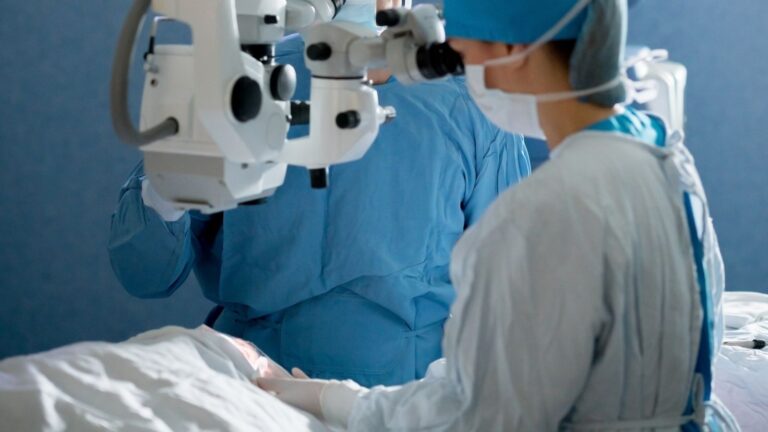
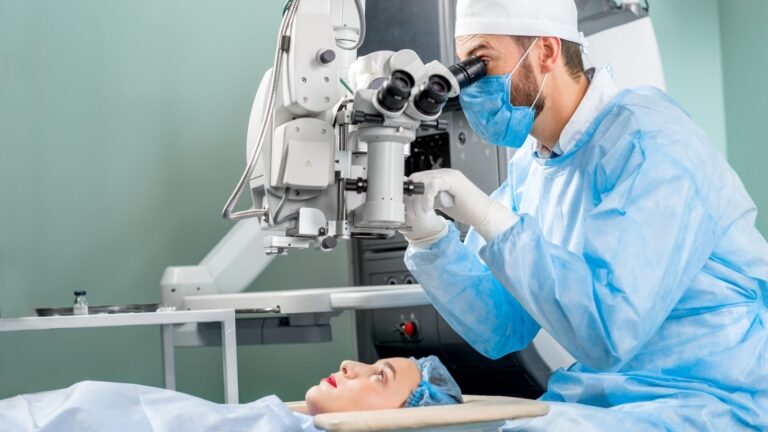
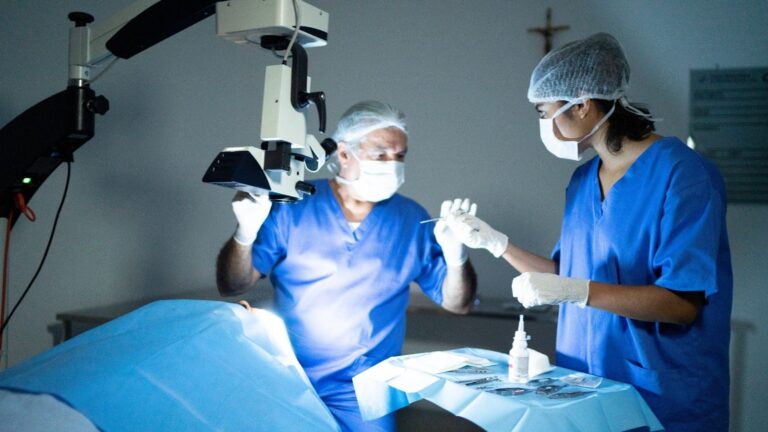
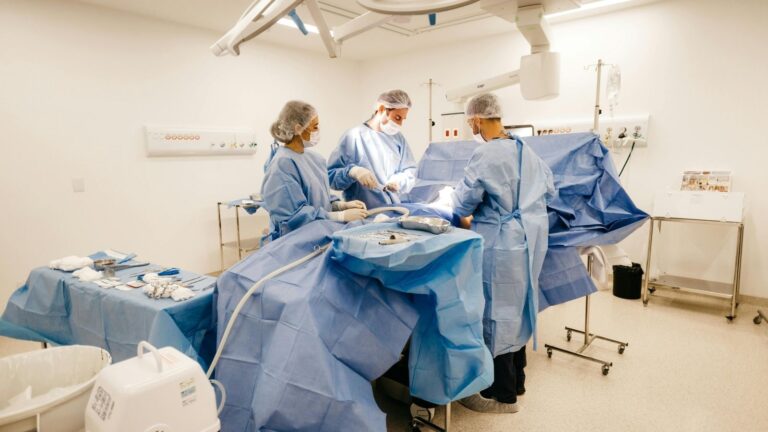
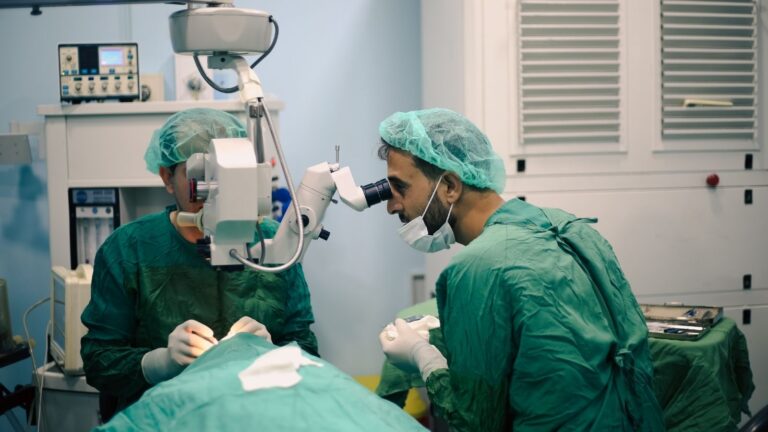
Cataract treatment is mainly based on surgery, which is almost the only way to reverse the loss of lens transparency. If the cataract is at an early stage and vision is only minimally affected, glasses or contact lenses may provide adequate support for a period of time. However, when the cataract progresses, the cloudy lens must be removed and replaced with an artificial intraocular lens to restore clear vision.
Surgery in younger patients may sometimes differ from surgery in adults. In very young children, the natural lens may initially be removed without implanting an artificial lens. The child may then use contact lenses or glasses for a period of time. Because the eye of a child or young person continues to grow, decisions regarding the type and power of the lens to be implanted may be made at different stages. Special treatments, such as patching one eye to prevent the development of amblyopia, may also be considered after surgery in young children.
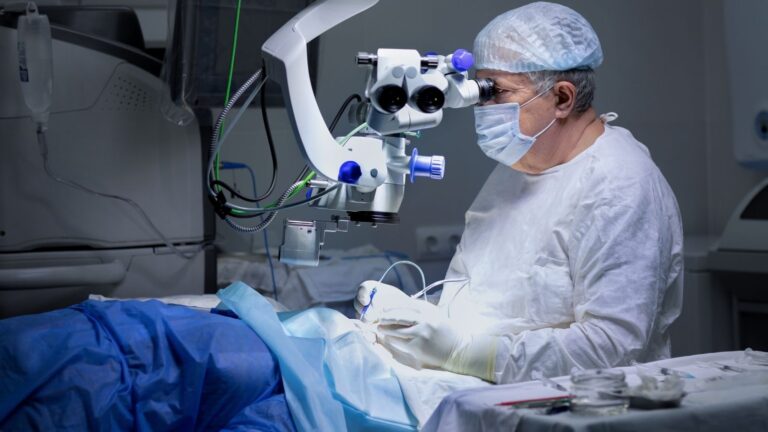
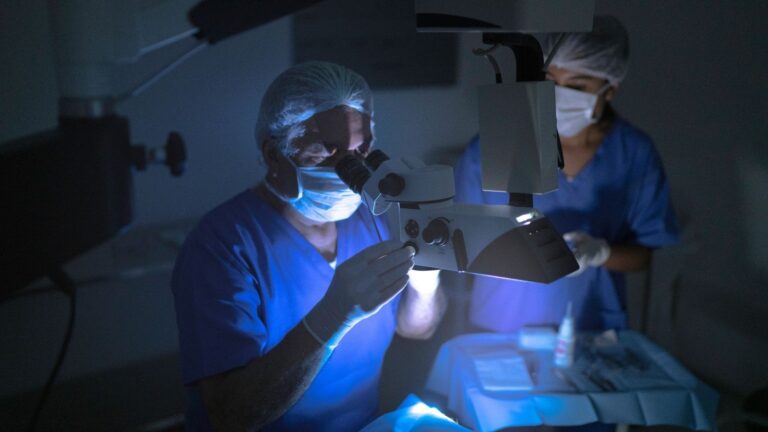
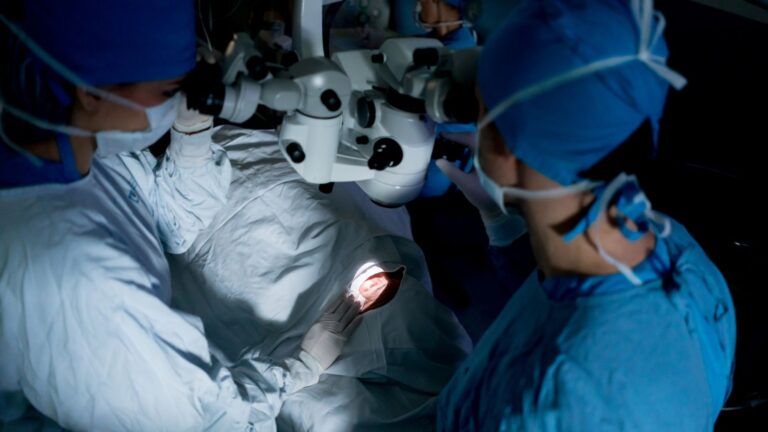
Surgical techniques are now highly advanced, and cataract operations are generally performed quickly and with high success rates. In a procedure known as phacoemulsification, the cataract-affected lens is broken into fragments using ultrasound waves and removed from the eye by suction. A foldable artificial lens is then implanted. Because the procedure is performed through a very small incision, the patient can return to daily life within a short time.
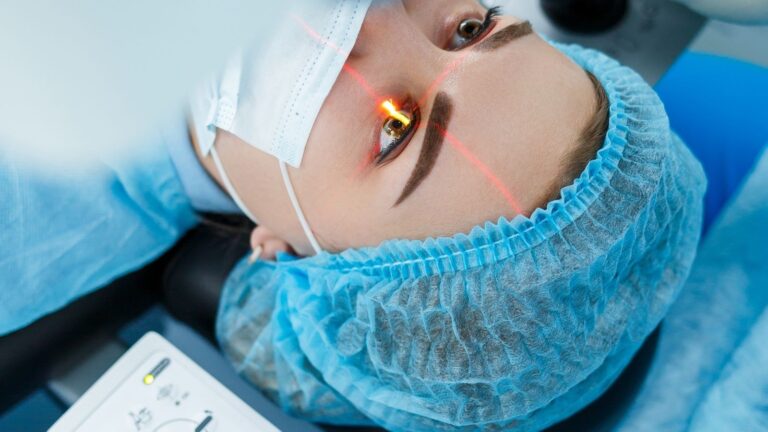
Nevertheless, the success and long-term results of cataract surgery are closely associated with postoperative care and follow-up examinations. In some patients, the lens capsule may become cloudy over time, resulting in a secondary cataract. In this case, clear vision can be restored with a simple laser procedure. Regular long-term eye examinations are very important for individuals who undergo cataract surgery at a young age, as they help prevent complications that may develop later.