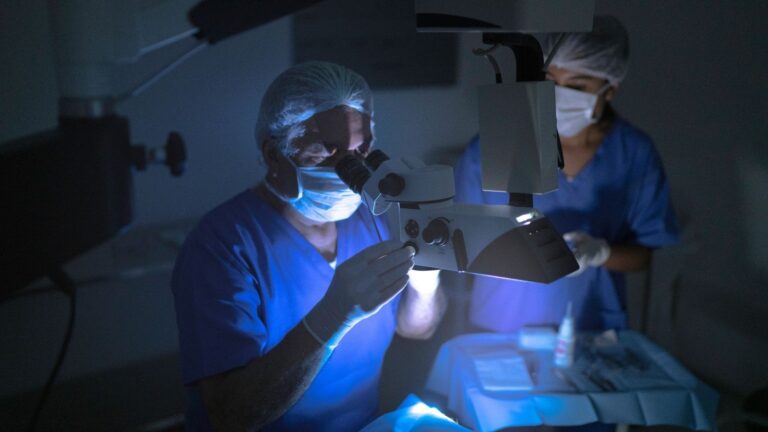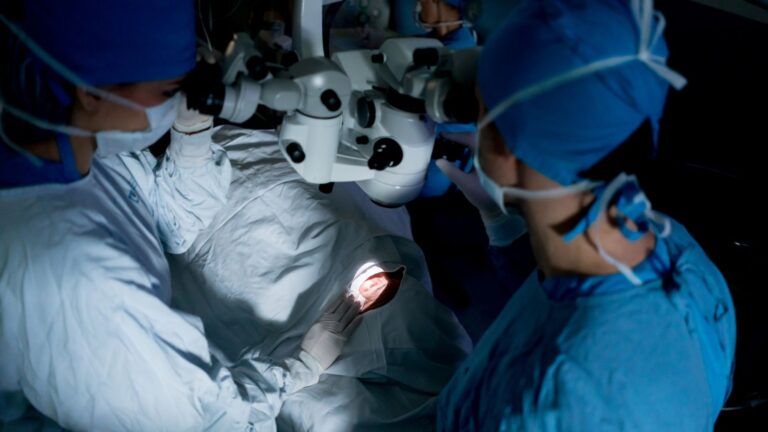

Although cataract surgery is now considered one of the safest surgical procedures, it does carry certain risks. Infection, bleeding, increased intraocular pressure, and corneal edema are among the possible complications. These risks occur at low rates but require follow-up.
Complications such as posterior capsule rupture, displacement of the lens implanted in the eye, or retinal detachment may occur rarely. These risks are further reduced when the surgery is performed by experienced surgeons. The patient's preoperative assessment is important.
Mild redness, a stinging sensation, or blurred vision may temporarily develop after cataract surgery. However, persistent symptoms require urgent evaluation. Regular check-ups allow possible complications to be detected early.
To minimize risks, hygiene rules must be followed, postoperative eye drops must be used regularly, and follow-up appointments must be attended. This helps improve the success and safety of the surgery.
Cataract surgery is generally considered safe and has a very high success rate. However, even possibilities described as "low" in medicine can be a source of stress for patients. The most common problems after surgery include:
- Temporary Blurred Vision and Dry Eye: During the first days or weeks after surgery, symptoms such as blurred vision, burning, and stinging may occur due to the eye's natural healing process. This reflects the eye's efforts to recover and adapt to the new lens. It is generally brought under control within a few weeks with artificial tears or other medications recommended by the doctor.
- Corneal Edema: The fluid balance in the front structures of the eye may be disrupted during or after surgery. This disruption may result in mild swelling of the cornea, the transparent front layer of the eye. Statistically, this condition may occur in approximately 15% of patients and is usually temporary. Think of it like a dry sponge swelling when placed in water. Eye tissues may also retain fluid due to the effects of surgery. The condition usually returns to normal within a few days or weeks with appropriate medication and rest.
- Macular Edema (Cystoid Macular Edema/CME): During the removal of the lens and implantation of the artificial lens, movements of the fluid inside the eye and microscopic vascular leakage may cause swelling in the macula, the area responsible for our clearest vision. This condition, which occurs in approximately 6% of patients, may cause blurred vision or visual distortions. Eye drops prescribed by the doctor to reduce edema, and sometimes additional treatments, can usually resolve this problem.
- Retinal Detachment: This is rare but is one of the most concerning complications. Changes in the gel-like vitreous that fills the eye and microscopic tears occurring during surgery may cause the retinal tissue to separate from the back wall of the eye. Although rates as low as one in a thousand are cited, careful follow-up and rapid intervention are required because it may cause permanent vision loss if left untreated.
- Wound Leak: Think of it like a cut made with a knife. Surgical incisions may not always heal perfectly. In some cases, such as approximately 7%, fluid may leak from the surgical incision site. This may require a new suture, but it usually does not cause a serious problem when detected and treated early.
Infection and bleeding are among the body's most significant potential reactions to any surgical procedure. However, these complications are uncommon in cataract surgery.
In terms of severity, infection may be the most feared complication because severe inflammation inside the eye requires rapid and aggressive treatment. Antibiotic injections into the eye or antibiotic eye drops are generally administered during surgery, minimizing this risk as much as possible. Nevertheless, a doctor should be consulted immediately if symptoms such as sudden eye pain, redness, or sudden vision loss occur.
The risk of bleeding is particularly elevated in patients who use blood thinners or have a low platelet count. In such cases, the doctor may request that these medications be temporarily discontinued or that blood values be regulated before surgery. With careful surgical techniques, the risk of bleeding is very low. Bleeding inside the eye may occur rarely. This can usually be managed in a controlled manner, and the likelihood of permanent damage is low.
Although vision loss may appear to directly contradict the purpose of cataract surgery, certain serious complications can cause it. While the goal of surgery is to provide clearer vision, a few rare conditions may lead to permanent or long-term vision problems:
- Endophthalmitis: A severe infection inside the eye can cause irreversible damage if not treated quickly. The rate of this complication is expressed in very low figures, such as one in 10,000 or one in 100,000. However, when it occurs, the risk of vision loss is high.
- Retinal Detachment: As mentioned above, it may result in permanent vision loss if left untreated. Regular check-ups and attention to symptoms such as sudden flashes of light or a curtain-like shadow are important for early diagnosis.
- Posterior Capsule Opacification: This does not actually cause permanent loss. Although it is referred to as a "secondary cataract," it can be treated easily with a laser. Vision then becomes clear again.
- Vascular Occlusions, Especially in Patients With Hypertension: Although very rare, these may occur due to the effects of medications used during anesthesia or sudden changes in blood flow inside the eye. However, these are extremely uncommon complications.
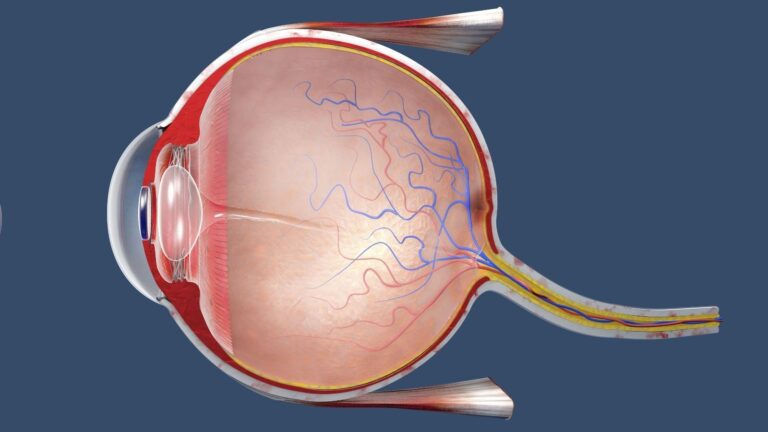
The retina is a sensitive tissue that forms the innermost layer of the eye, detects light, and transmits it to the brain. Detachment means that this layer separates from the underlying tissue. Two main factors play a role in procedures in which the lens is replaced:
- Changes in the Vitreous: The gel-like vitreous that fills the eye may shift when the lens is removed during surgery. Think of it like gently squeezing a water balloon. The fluid inside can sometimes create traction on the retinal surface.
- Surgical Complications: Conditions such as rupture of the lens capsule or excessive forward movement of the vitreous can place stress on the retina. Retinal tissue may sometimes be weaker, particularly in younger patients, people with high myopia, or men, increasing the risk of detachment.
To prevent such situations, the surgeon uses an extremely careful technique during the operation and controls every detail, from the angles of the sutures to the instruments used. Nevertheless, every operation always carries some degree of risk.
Blurred vision after cataract surgery is an almost expected part of the eye's natural healing process. Factors such as the healing of wounds and the adjustment of sutures can affect vision. Just as a new pair of shoes may initially cause minor discomfort, the eye undergoes a similar period of adaptation to the new lens.
- Blurred Vision in the Early Period: Edema and inflammation may disrupt the balance of the fluids inside the eye and create a slight haze in vision. This effect usually diminishes with medication and rest.
- Posterior Capsule Opacification (PCO): Weeks, months, or years after surgery, the posterior capsule may become cloudy, creating the sensation that the cataract has "returned." However, this condition can be corrected with a brief laser procedure.
- Correction of Refractive Errors: Even with the new lens, mild refractive errors such as astigmatism or myopia may remain after surgery. Glasses or contact lenses may therefore still be required.
The primary purpose of the surgery is to remove the clouded natural lens and replace it with an artificial lens. However, this artificial lens also carries a risk of shifting out of position or becoming "dislocated."
- Early Displacement: If a problem occurs while securing the lens during surgery, it may not remain in the correct position. The surgeon usually notices this immediately and intervenes.
- Late Displacement: Particularly after a long period, such as 10 years, the supporting tissues of the lens, known as the zonules, may weaken over time and cause the lens to shift. Structural problems in the eye, trauma, or genetic predispositions increase this risk.
Lens displacement may be considered when a person experiences symptoms such as double vision, known as diplopia, seeing the edge of the lens, or shadows in their vision. In this case, the doctor can reassess the eye and, if necessary, reposition the lens with an additional surgical procedure.
Every eye has a different "story," and cataract surgery is only one part of that story. Existing eye diseases can affect the course and outcomes of surgery.
- Glaucoma: High intraocular pressure can potentially damage the optic nerve. Cataract surgery may sometimes improve pressure control in patients with glaucoma, but postoperative pressure fluctuations may also occur.
- Uveitis: A tendency toward inflammation in the inner layers of the eye may prolong postoperative healing and require more extensive treatment with eye drops.
- Diabetic Retinopathy or Age-Related Macular Degeneration: Even if the cataract is removed, retinal problems may prevent full vision from being achieved. Surgery removes the "cloudiness," but vision may still not reach the desired level if an underlying retinal disease is present.
- Pseudoexfoliation Syndrome (PXS) or Zonular Weakness: When the ligaments holding the lens are loose, removing and implanting the lens becomes more difficult. This makes cataract surgery somewhat more risky.
For patients with these conditions, the surgeon determines the appropriate technique through a detailed examination and aims to minimize the risks. A personalized approach for every patient is the key to successful surgery.
The first days and weeks after cataract surgery are generally known as the "healing period." However, certain risks may also occur over the long term.
- Posterior Capsule Opacification (PCO): This is the most common long-term complication. It occurs when the thin membrane inside the eye thickens and can be corrected with a laser procedure that takes only a few minutes.
- Retinal Problems: In patients with high myopia, existing retinal degeneration, or a history of trauma, the risk of retinal detachment does not fall completely to zero, even years after surgery. Regular eye examinations are therefore recommended.
- Age-Related Macular Degeneration (AMD): Cataract surgery does not directly cause AMD, but retinal problems may become more common with advancing age. Annual check-ups after surgery are therefore highly important for early diagnosis.
- Intraocular Lens (IOL) Dislocation: As previously mentioned, the lens may become displaced years later. Eye trauma, deterioration of the zonular structure, or severe inflammation inside the eye may increase this risk.
Any unusual symptoms that may develop in the eye over the long term, such as blurred vision, flashes of light, or black spots, should be monitored closely. Early intervention almost always produces better outcomes.
Postoperative swelling, known as edema, and redness caused by inflammation may be considered part of the eye's healing process. Just as swelling may develop around an injured knee, some edema may occur as the tissues of the eye heal.
- Corneal Swelling (Edema): Corneal cells are highly active in maintaining the transparency of the eye. Following surgical trauma, these cells may temporarily function less effectively, causing the cornea to become temporarily cloudy.
- Inflammation of the Iris and Surrounding Tissues: Increased protein and cells in the intraocular fluid may cause redness, light sensitivity, and mild pain. Steroid and nonsteroidal eye drops help reduce these effects.
- Prolonged Inflammation: Although very rare, postoperative inflammation that cannot be brought under control, such as uveitis, may cause long-term problems. Regular medical examinations and consistent use of the prescribed medications minimize this risk.