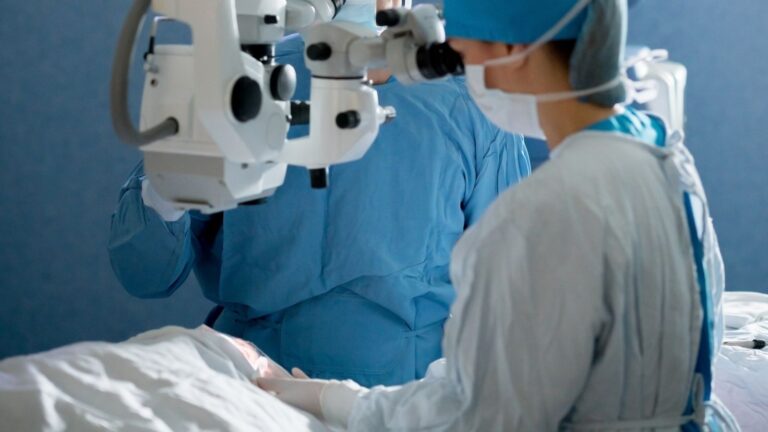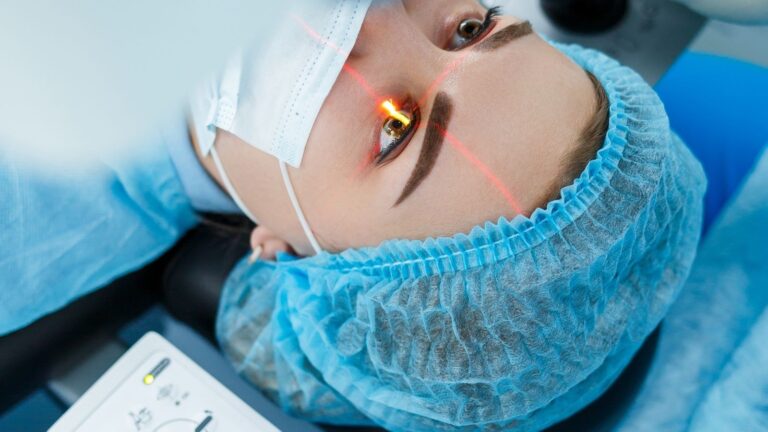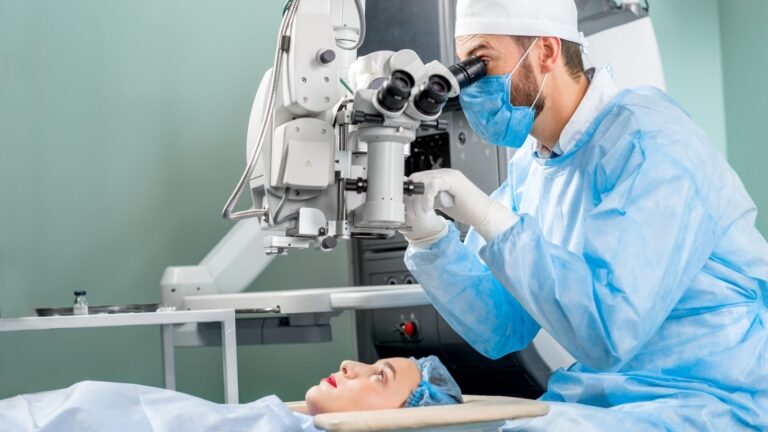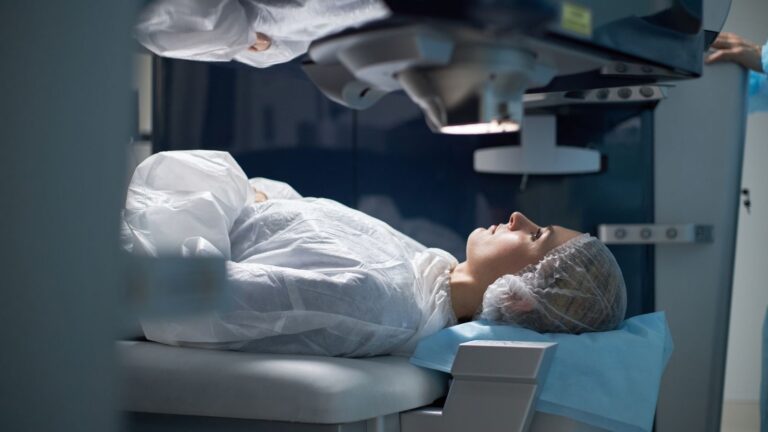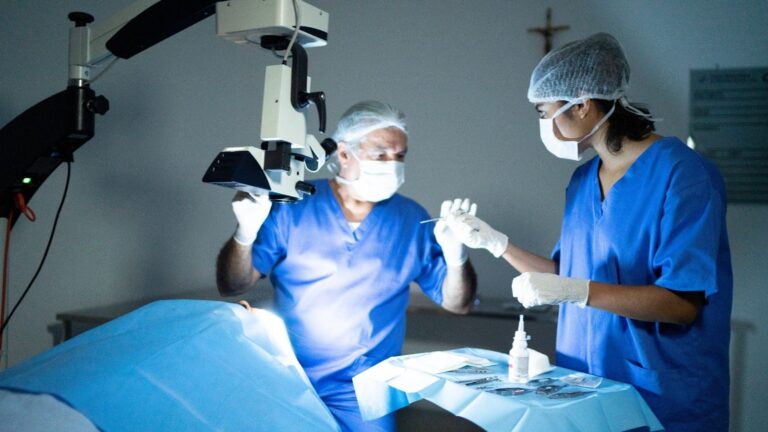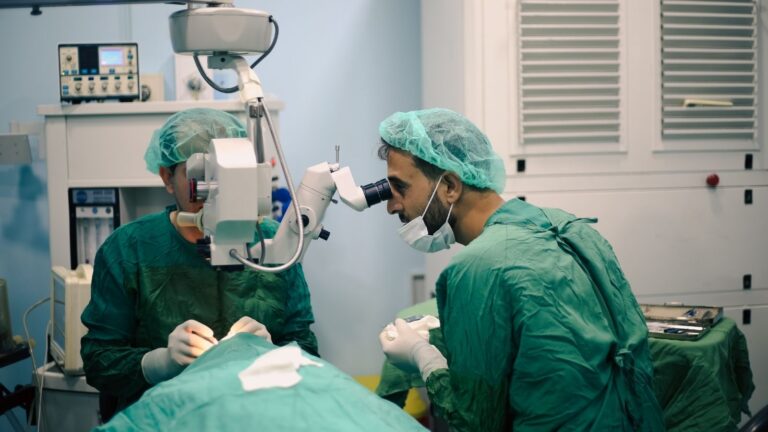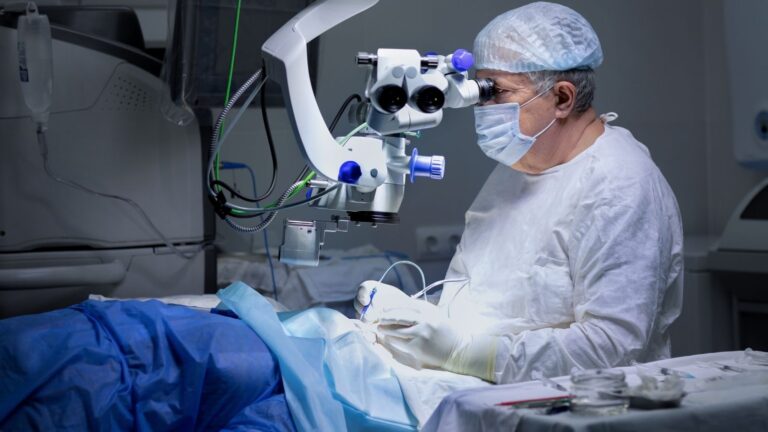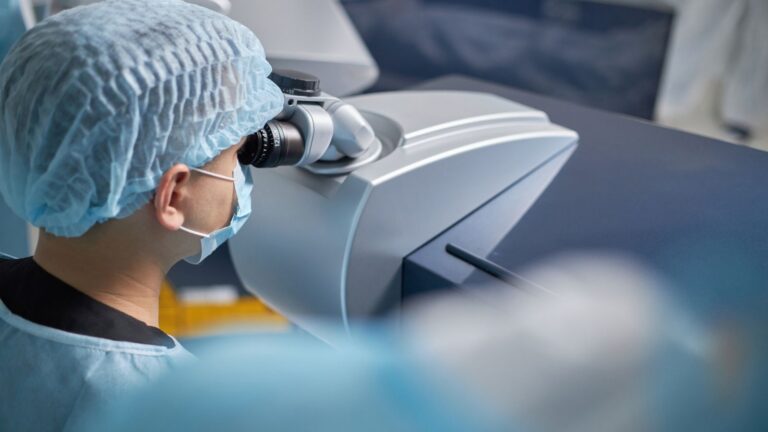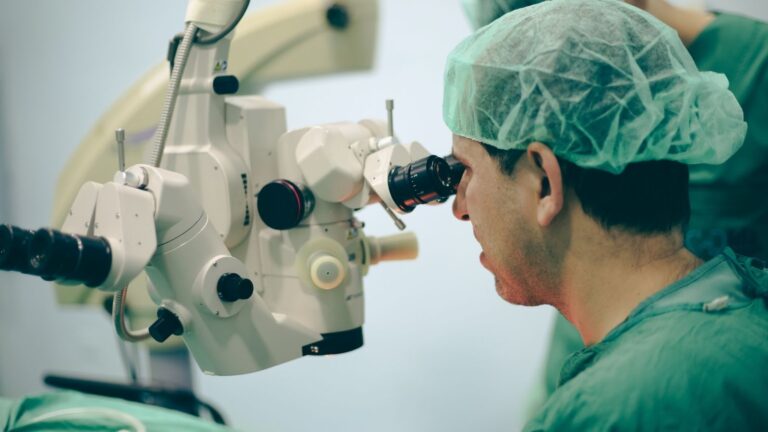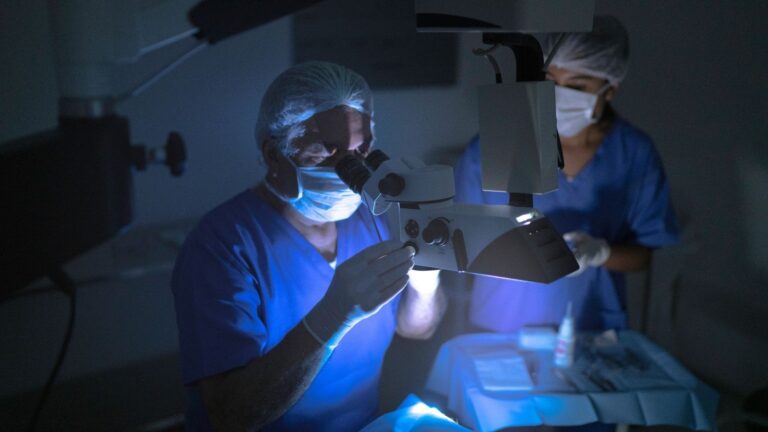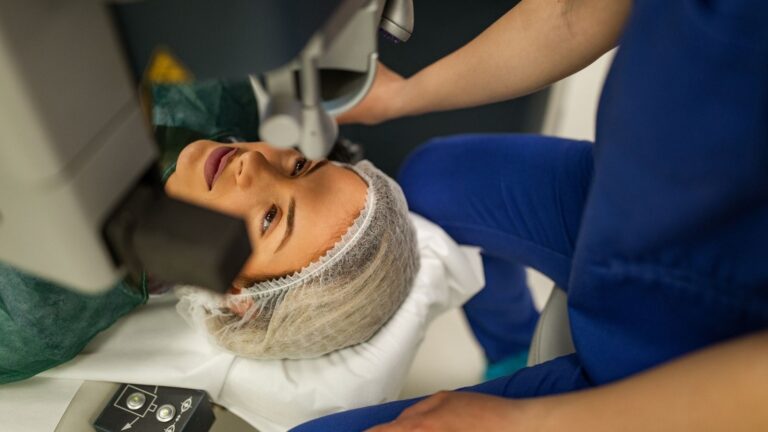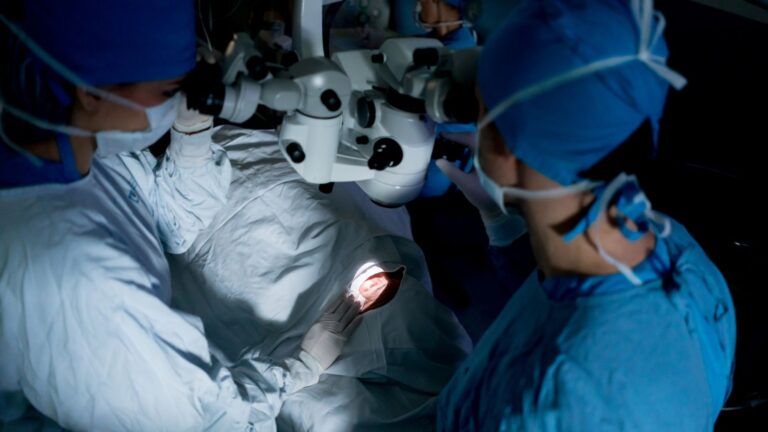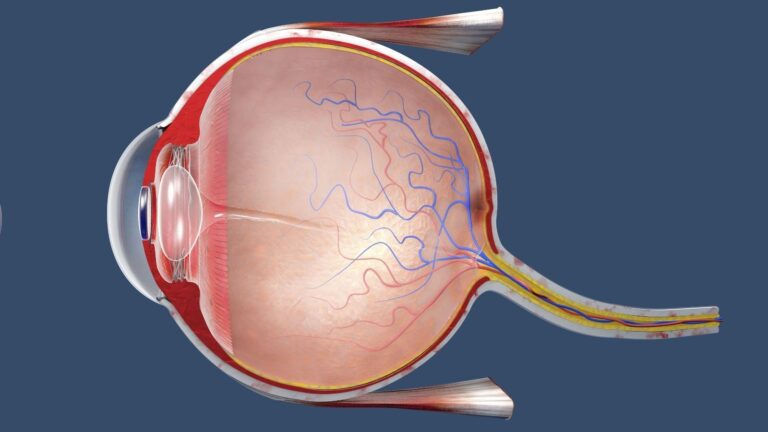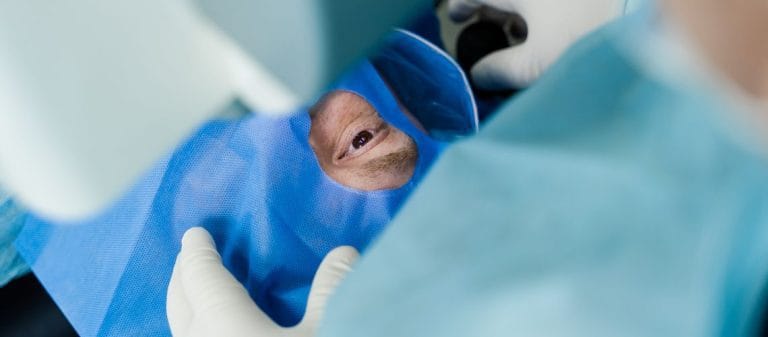
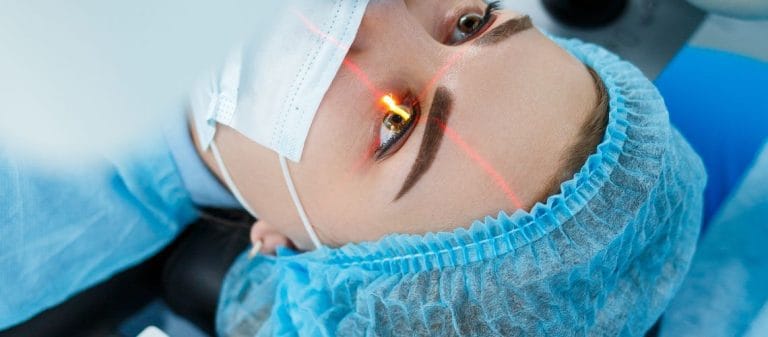
No-Touch Laser is a refractive surgical procedure performed without physical contact with the cornea. LASIK involves creating a flap on the cornea. The main differences between the two procedures are their application methods and recovery processes.
In the No-Touch Laser method, the excimer laser is applied directly to the cornea. Because no mechanical procedure is performed, the risk of infection and complications is reduced. It may offer a safe option, particularly for patients with thin corneas.
In LASIK, a flap is created on the cornea and the laser correction is performed beneath this layer. Recovery is rapid, and the patient begins to see clearly within a short period. However, flap-related complications and dry eye symptoms may occur.
The appropriate procedure is selected according to the patient's eye structure, corneal thickness, and lifestyle. Evaluation by a specialist supports more successful long-term results.
When it comes to eye surgery, each procedure can be compared to a different journey. During a bus journey, would you prefer to reach your destination with a single stop or take more breaks but arrive more quickly? In this comparison, the TransPRK technique resembles a single-stop route. It involves a one-step laser treatment known as surface ablation, beginning at the uppermost layer of the cornea, the epithelium, and extending to the underlying tissue.
- Laser Removal of the Epithelium
In conventional PRK, the epithelium, the outermost layer of the cornea, is mechanically scraped away or loosened with alcohol. In TransPRK, however, the epithelial removal stage is also performed entirely by laser. No blade, scraper, or similar mechanical instrument is used. This is where the term "No Touch" originates. Laser removal of the epithelium aims to minimize damage and preserve the integrity of the ocular surface.
- Stromal Reshaping
After the epithelium has been removed, the same excimer laser reaches the stromal layer of the cornea and performs tissue ablation at the micron level. This ablation is based on previously planned topographic maps designed to correct myopia, hyperopia, or astigmatism. A smooth surface helps improve subsequent visual quality. The process is as delicate as creating fine lacework.
- Protective Lens and Healing
After the epithelium has been removed, a thin protective contact lens is temporarily placed over the eye to protect the exposed area. This lens shields the ocular surface until the epithelial tissue regenerates. This period generally lasts three to four days. The epithelium begins to regenerate during this time, and complete closure usually occurs within one week.
The fundamental characteristic of No-Touch Laser is that the procedure is performed without a blade or similar instrument making contact with the eye. Digital precision is also important in terms of the surgeon's intervention. The aim is to minimize contact and reduce external influences during the operation as much as possible.
LASIK is one of the best-known and most established methods for reshaping the cornea. Some compare the procedure to renovating an apartment on the upper floors of a multistory building. In LASIK, a thin flap is first created on the upper portion of the cornea. This flap opens like the door to an apartment, providing access to the underlying stromal layer.
- Creating the Flap
The most characteristic feature of LASIK is the creation of a thin flap on the cornea. This flap may be prepared using a blade-like device called a microkeratome or with a femtosecond laser. The flap is usually approximately 100-160 microns thick, and creating it without compromising the structural integrity of the cornea is very important.
- Stromal Ablation
The flap is lifted, and the underlying stromal tissue is reshaped with an excimer laser. Unwanted refractive errors are corrected at this stage. Myopia, hyperopia, or astigmatism is treated using planned ablation patterns. The surgeon must make highly precise calculations during this process. Otherwise, deviations in visual quality may occur.
- Repositioning the Flap
After the laser treatment has been completed, the corneal flap is returned to its original position. No sutures or adhesive are required. Through the physiological healing process, the cornea secures the flap firmly in place within a short period. Burning and watering may occur during the first few hours after the procedure, but this discomfort is generally short-lived.
LASIK is usually described as offering rapid recovery and a comfortable experience. Many patients may achieve satisfactory vision by the following day. However, the presence of a flap may leave the eye susceptible to external trauma and certain complications over the long term.
Selecting a refractive surgical procedure can be compared to choosing between speed and safety when buying a car. Some vehicles offer high speed but may compromise safety, while others are slower but have a more robust body. Several critical differences between TransPRK, also known as No-Touch Laser, and LASIK stand out:
- Flap Creation
No-Touch Laser: No flap is created, so contact with mechanical instruments is minimized.
LASIK: A flap is created on the cornea and is an integral part of the procedure.
- Recovery Time
No-Touch Laser: Regeneration of the epithelial tissue and healing of the surface take several days. Pain and stinging may occur during the first few days.
LASIK: Patients generally achieve nearly clear vision within one or two days. Pain levels are lower.
- Corneal Biomechanics
No-Touch Laser: The integrity of the corneal structure is affected less. Because ablation is performed from the surface, stromal thickness is preserved.
LASIK: Creating a flap requires a thin incision in the cornea, which may affect the long-term biomechanical strength of the cornea to some extent.
- Ease of Application
No-Touch Laser: Ablating the epithelial and stromal layers with the laser in a single session may simplify the surgical process. However, comfort during recovery varies from person to person.
LASIK: Opening and closing the flap may be considered additional steps. However, many physicians and patients are familiar with the procedure because of its rapid recovery.
These differences can be compared to the balance between a car's speed and the quality of its braking system. One option offers minimal contact and a robust corneal structure, while the other offers rapid healing and greater comfort during the early period.
The recovery process directly affects how quickly patients can return to everyday life. Being able to return to work or social activities the following day is critical for some people, while others focus on the long-term strength of the cornea.
Recovery After No-Touch Laser
- Epithelial Closure: Regeneration of the epithelial layer after surface ablation takes several days. Symptoms such as pain, stinging, light sensitivity, and watering may occur during this period.
- Visual Improvement: Satisfactory vision may be achieved by the end of the first week, but complete stabilization may take 3-4 weeks or longer. Some patients may be able to drive after several days, although clear, sharp, and stable vision may take more time.
Recovery After LASIK
- Rapid Improvement in Vision: Many patients achieve considerably clear vision within 24 hours after surgery. Returning to work is generally possible within one or two days.
- Flap Sensitivity: Because the flap is repositioned after surgery, trauma may cause it to move or wrinkle. Patients are therefore advised not to rub their eyes or apply pressure to them during the first few days.
The differences in recovery can be compared to the difference between a long-distance run and a short sprint. One lasts longer and requires endurance. The other starts quickly but requires closer attention to certain rules.
"Which Procedure Is Preferable for a Thin Cornea?"
Corneal thickness is considered a vital parameter in refractive surgery. A thin cornea may challenge the safety limits during flap creation in LASIK. If the supporting columns of a building are weak, making major alterations to the top floor can be very risky.
- Advantage of No-Touch Laser: Because surface ablation does not require a flap, it preserves more tissue in people with thin corneas. The biomechanical structure is maintained, making corneal thinness less likely to create a risk.
- Disadvantage of LASIK: Creating a flap in a thin cornea may contribute to problems such as ectasia, where the cornea bulges outward, during the healing process. The decision is therefore made after detailed measurements of corneal thickness. LASIK may need to be avoided if the cornea is very thin.
Some sources recommend PRK, TransPRK, or other surface ablation procedures for people with thin corneas. This approach is considered important for both safety and preservation of long-term corneal strength.
People who participate in activities with a risk of eye trauma, such as football, basketball, or combat sports, may have long-term concerns about the LASIK flap. Sudden impacts may also occur in high-risk professions such as policing, military service, or firefighting.
- Preference for No-Touch Laser: Because no flap is created, the corneal structure remains more resistant to external impacts. This makes surface ablation more attractive for people involved in these activities.
- Preference for LASIK: Although it offers rapid recovery, the flap creates a risk of displacement after severe trauma, even years later. Although the risk is very low, it should not be overlooked in contact sports or occupations with a high probability of impact.
This is similar to choosing a full-face motorcycle helmet instead of a standard helmet. One may be more comfortable, but the other provides greater protection against impact.
Every surgical procedure may encounter different obstacles over a long journey. Even when the wind changes direction, the sails of a boat may need to be readjusted. Laser eye surgery may likewise cause certain long-term complications or side effects.
- Dry Eye Syndrome
After LASIK: The flap incision may damage corneal nerve fibers and temporarily reduce tear secretion. Patients may experience dry eye symptoms or stinging.
After No-Touch Laser: Because disruption of the nerve fibers is more limited with surface ablation, dry eye may occur less frequently. However, this complication cannot be excluded completely.
- Corneal Haze
No-Touch Laser and PRK: Haze may occur more frequently because of surface ablation. This is a mild opacity that develops while the cornea is healing and is not permanent in most cases.
LASIK: The likelihood of haze developing beneath the flap is generally low, although different corneal reactions may occur.
- Flap-Related Problems (LASIK Only)
Although uncommon, incomplete flap adhesion, wrinkling, or displacement after eye trauma has been reported. Some patients may experience trauma-related flap dislocation even several years later.
Ectasia (Weakening and Bulging of the Corneal Structure)
LASIK: The risk increases when corneal thickness is insufficient or when an undiagnosed condition such as keratoconus is present.
No-Touch Laser: The risk of ectasia is lower because the amount of tissue removed from the corneal surface is smaller relative to the total corneal thickness. However, the risk is not completely absent.
- Visual Side Effects
Optical side effects such as glare, flashes of light, and impaired night vision may occur with either procedure. Pupil diameter and topographic analyses are evaluated during surgical planning to reduce this risk.
The cost of refractive surgery may vary according to the technology used, clinical infrastructure, the physician's experience, and geographical location.
- LASIK: Different techniques, such as the use of a microkeratome or femtosecond laser, may affect the cost. Because a femtosecond laser generally requires more advanced technology, it may increase the price.
- No-Touch Laser (TransPRK): Because this procedure does not include flap creation, some clinics may offer more affordable packages. However, the technology of the excimer laser and the costs of preoperative and postoperative follow-up must also be considered.
When equipment costs, possible additional tests such as topography and wavefront analysis, and medication expenses during recovery are considered, the final prices of both procedures may fall within similar ranges. Cost should therefore be evaluated beyond the question of which procedure is less expensive. The more relevant question is which procedure is better suited to the patient's eye structure.
Referring to a single refractive surgical procedure as the "best" or "perfect" option is like expecting one frame to fit every picture. Some pictures look better in small frames, while others require larger ones. Similarly, the choice between No-Touch Laser (TransPRK) and LASIK is closely related to the anatomical characteristics of the eye, the patient's occupation, lifestyle, and visual expectations.
- Eye Structure and Thickness: No-Touch Laser may be more reliable for patients with thin or borderline corneal thickness.
- Desire for Rapid Recovery: LASIK generally appears more attractive to people who want to return to daily life quickly.
- High-Risk Occupations or Sports: No-Touch Laser is frequently recommended for occupations and sports with a high risk of trauma because it eliminates flap-related risks.
- Long-Term Comfort: LASIK offers rapid visual improvement and relatively little pain. No-Touch Laser stands out for preserving corneal biomechanics.
- Concern About Dry Eye: Because flap creation may affect nerve fibers, dry eye may occur more frequently after LASIK. The risk may be relatively lower with No-Touch Laser.
The most appropriate approach is to make the decision together with the physician after a detailed eye examination, topographic analyses, corneal thickness measurements, and other evaluations. When the advantages and disadvantages of each procedure are weighed, the current condition of the eye will indicate which option is more appropriate.
Both procedures are considered safe and effective in the scientific literature. Statistics indicate high success rates when they are performed for the correct indications. Nevertheless, as in every field of medicine, there is no such thing as zero risk. With a planned preliminary evaluation, adherence to the physician's recommendations, and careful postoperative care, patient satisfaction after No-Touch Laser or LASIK surgery can be high.
As laser technology continues to advance, new versions of the procedures discussed today may become available in the future. Until then, making the most appropriate choice based on existing information and protecting long-term eye health are possible through both medical guidance and informed patient decisions.