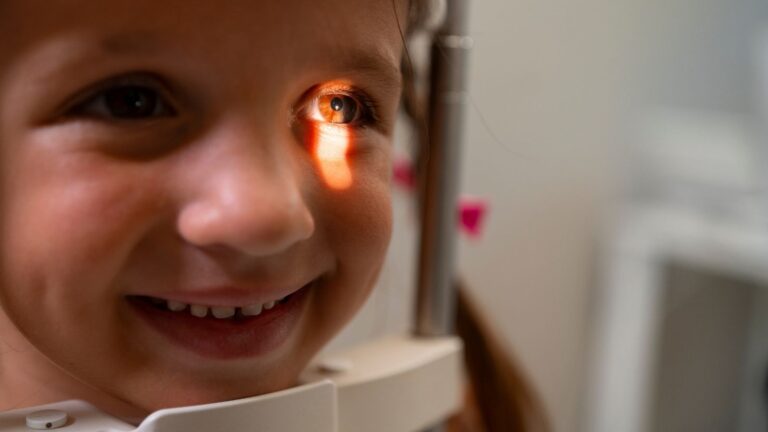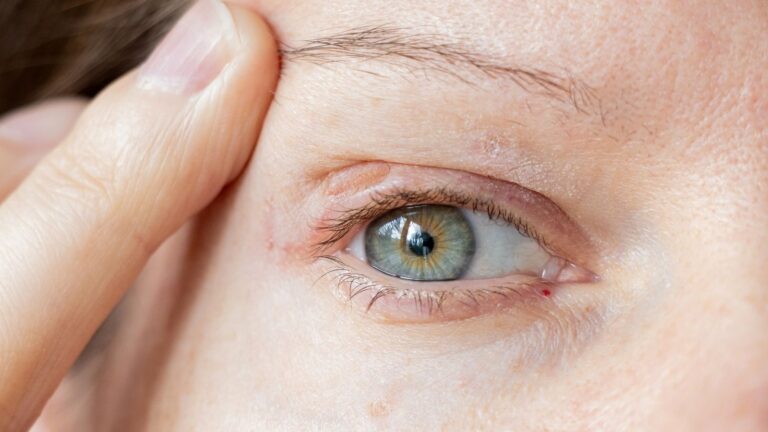

Light sensitivity after cataract surgery is a common complaint during the recovery process. Glare and dazzle may persist for several weeks as the eye adapts after surgery.
Symptoms of sensitivity are particularly noticeable as discomfort when exposed to sunlight, headlights, and bright screens. This condition is generally temporary and decreases over time.
Risk factors include dry eye, retinal sensitivity, and individual differences in postoperative healing. A personalized treatment plan is important during this period.
A doctor should be consulted if light sensitivity is severe or does not resolve. Sunglasses, eye drop treatment, and regular follow-up examinations can significantly relieve the patient's symptoms.
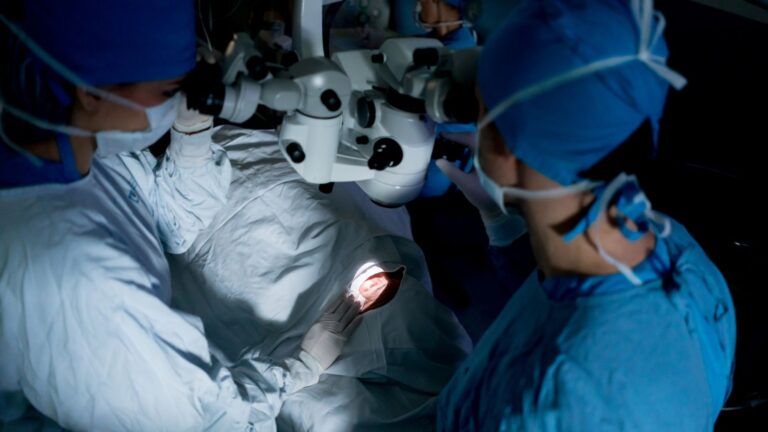
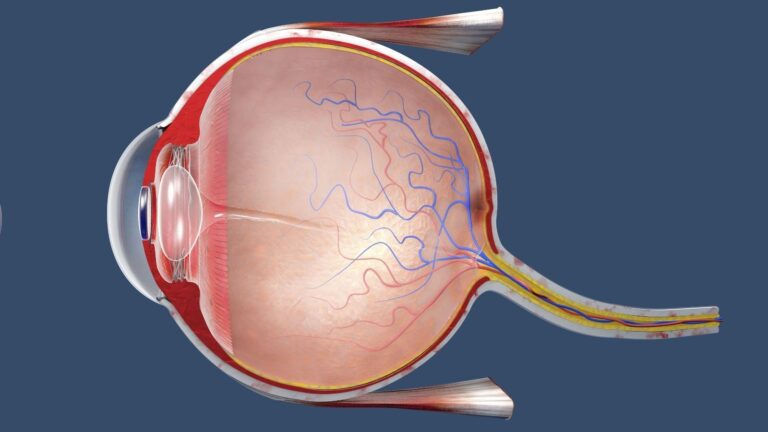
A cataract is a condition in which the natural lens of the eye loses its transparency, preventing light from reaching the retina properly. During surgery, this cloudy natural lens is removed and replaced with an artificial intraocular lens, IOL. Because this new lens transmits light more clearly and intensely than the cataractous lens, the eye may suddenly encounter a "brighter" world after surgery.
The eye's natural healing process immediately after surgery may also increase light sensitivity. Small incisions are made during surgery, causing mild trauma to the eye tissues, particularly the cornea. The resulting edema or sterile inflammation makes the eye more sensitive. A simple analogy is the bruising and swelling that occur after a minor impact to the arm, leaving the area sensitive for some time. The eye goes through a similar process, and this temporary sensitivity becomes more noticeable when exposed to bright light.
The pupil's inability to adapt quickly enough to light after surgery may also trigger the condition known as photophobia, or light sensitivity. Removal of the natural lens initially changes the eye's ability to filter light, and the pupil may sometimes remain more dilated. This allows more light to reach the retina and causes discomfort.
Light sensitivity is generally at its highest during the first few days after surgery. Many patients notice that the discomfort gradually decreases after the first week. However, every eye heals at its own rate. In some patients, the sensitivity lasts only a few days, while in others it may persist for several weeks. Sensitivity may take longer to resolve completely, particularly in patients with corneal edema or additional eye conditions.
During a recovery period of approximately eight weeks, the eye adapts to the new lens, while the edema and inflammation caused by surgery decrease. Light sensitivity also subsides in parallel with this process. If severe light sensitivity is still present two months after surgery, another underlying cause should be investigated. Increased intraocular pressure, glaucoma, dry eye, or newly developing inflammation may make the eye's interaction with light more difficult.
After surgery, many people need to squint or wear sunglasses, particularly in bright sunlight or under white fluorescent lighting. This is largely considered normal. Before surgery, the cataractous lens blocked some light like a dark curtain. With renewed vision, the eye is exposed to an amount of clear light that it may not have encountered before.
Short-term, mild to moderate light sensitivity is an expected and common condition after surgery. It may sometimes cause discomfort even indoors. For example, you may suddenly feel the need to squint when moving from a dim room to a bright room in your home. This response is natural and forms part of the eye's adaptation to the new lens. However, if the sensitivity is severe or progressively worsening, it is advisable to consult your ophthalmologist without delay.
- Wear Sunglasses or a Hat: Wearing a wide-brimmed hat and UV-protective sunglasses outdoors reduces the intensity of sunlight and helps the eye feel more comfortable.
- Adjust the Lighting: At home or in the workplace, softer and adjustable lighting systems may be preferred instead of lamps that produce direct, bright light.
- Pay Attention to Digital Screen Settings: Using blue-light filters or night modes on computers, phones, and tablets may reduce eye strain and sensitivity.
- Make Gradual Transitions: Moving suddenly from a dim environment to a very bright one may place excessive strain on the eyes. Whenever possible, allow your eyes a few seconds to adapt.
- Rest Your Eyes: When reading or using screens for extended periods, taking regular breaks and closing the eyes for a few seconds may help minimize sensitivity.
- Anti-inflammatory Eye Drops: Corticosteroid or nonsteroidal anti-inflammatory, NSAID, eye drops are generally prescribed after surgery. By reducing the edema and inflammation that occur during healing, these drops also relieve light sensitivity.
- Artificial Tears: If the patient also has dry eye, artificial tears help keep the cornea moist. This reduces irregularities in the way light enters the eye and may relieve sensitivity to some extent.
- Low-Level Light Therapy, LLLT: Some newer light-based treatments have been shown to improve tear film stability. Although they are not yet widely used, some centers offer these treatments.
- Blue-Light-Filtering Lenses: Blue-light-filtering lenses implanted during surgery or worn afterward may help the eye feel more comfortable by reducing intense blue light, particularly from digital screens.
It should be remembered that each treatment may not have the same effect on every patient. The choice of treatment may vary according to the patient's current eye condition, general medical history, and the doctor's observations.
Blue light has a different wavelength from other types of light and has a more intense effect on the retina. Digital device screens, LED lights, and fluorescent lighting are important sources of this type of light. A cataractous eye may already block some blue light because of the cloudy lens. When a clear, transparent artificial lens is implanted after surgery, this filtering decreases and more blue light reaches the retina. Some patients express satisfaction by saying that "colors look more vivid," while others may complain that "screen light bothers my eyes more."
Excessive exposure to blue light may do more than cause discomfort. It is also thought that it may have negative long-term effects on retinal cells. It may therefore be helpful to increase digital device use gradually after surgery, reduce screen brightness, or wear blue-light-filtering glasses. Some artificial lenses used during surgery may also have a built-in blue-light-filtering feature.
Keeping the ocular surface continuously moist allows light to be refracted properly and helps the eye remain comfortable. Some patients may experience burning or stinging in their eyes after surgery. This may result from surface irregularities caused by the operation or a temporary decrease in tear production.
Artificial tears moisturize the cornea and help light enter the eye evenly. Consider a car windshield covered with raindrops. Without windshield wipers or water-repellent products, incoming light is refracted differently by each droplet and vision becomes distorted. Dryness in the eye produces a similar effect. Artificial tears help smooth this "irregular" surface, which may relieve light sensitivity to some extent. However, artificial tears alone may not be sufficient if the main cause of light sensitivity is inflammation, elevated intraocular pressure, or another factor.
Lighting arrangements at home may directly affect recovery after surgery. Bright light shining directly into the eyes may increase sensitivity, while indirect or softer lighting makes the eyes more comfortable. Replacing harsh overhead lights with options such as table lamps or floor lamps that diffuse the light may improve visual comfort.
Using several light sources in the room also creates a system known as "layered lighting." Because light is distributed from several points rather than a single source, it causes less fatigue and allows the eye to adapt more naturally. Softening incoming daylight with curtains or blinds and reducing contrast with lighting behind a television or monitor are also practical solutions.
Mild to moderate light sensitivity is generally expected, particularly during the first few weeks, and usually does not indicate a serious problem. However, it is important to consult an ophthalmologist if any of the following situations occur:
- Severe Pain: Unbearable eye pain or a persistent throbbing sensation.
- Sudden Deterioration in Vision: Sudden loss of visual clarity, hazy vision, or dark areas occurring together with light sensitivity.
- Redness and Discharge: More redness or watering than expected, or yellow-green discharge. These symptoms may indicate a risk of infection.
- Prolonged Symptoms: Light sensitivity does not decrease after several weeks, becomes more severe, or excessively restricts daily life.
These symptoms may sometimes indicate increased intraocular pressure, glaucoma, excessive inflammation at the surgical site, or another eye condition. Early diagnosis and treatment always improve outcomes.