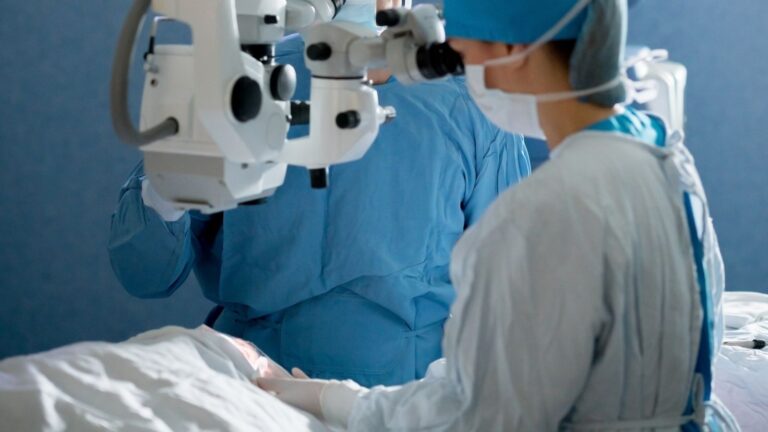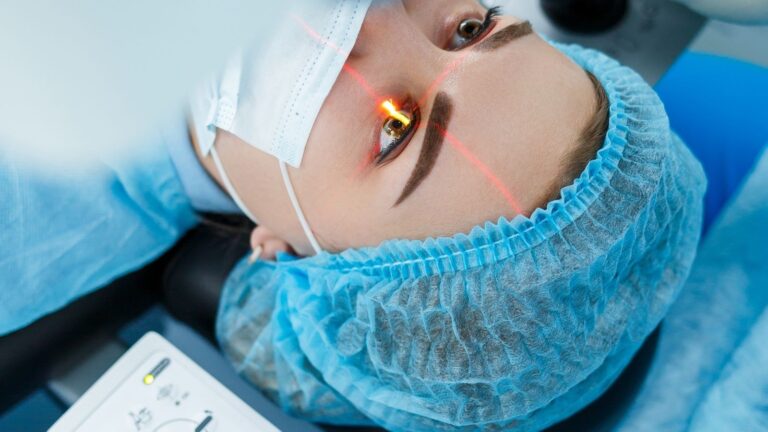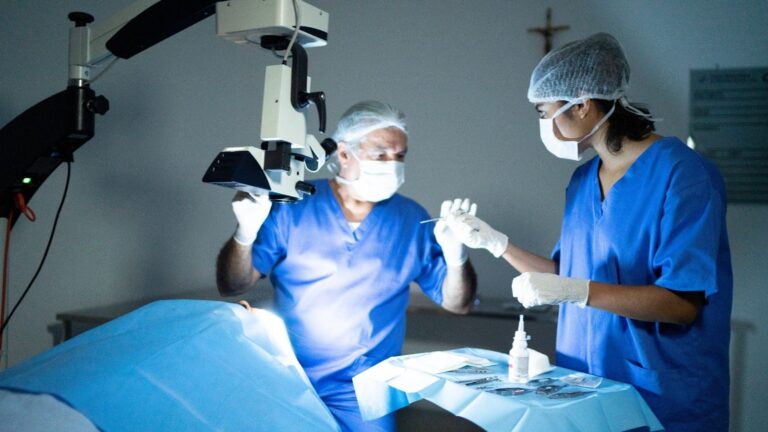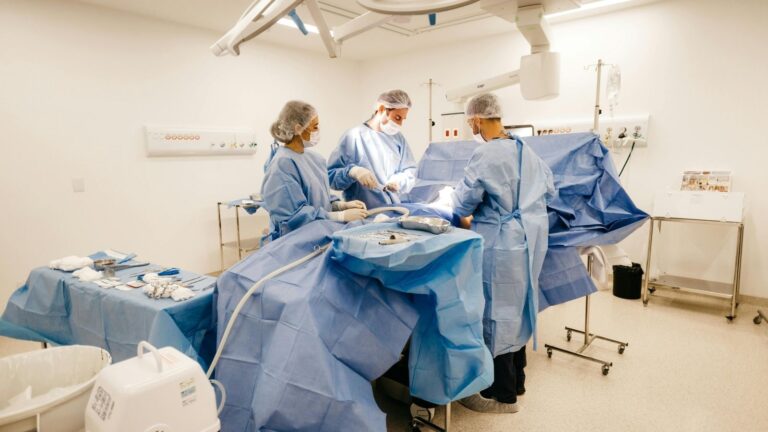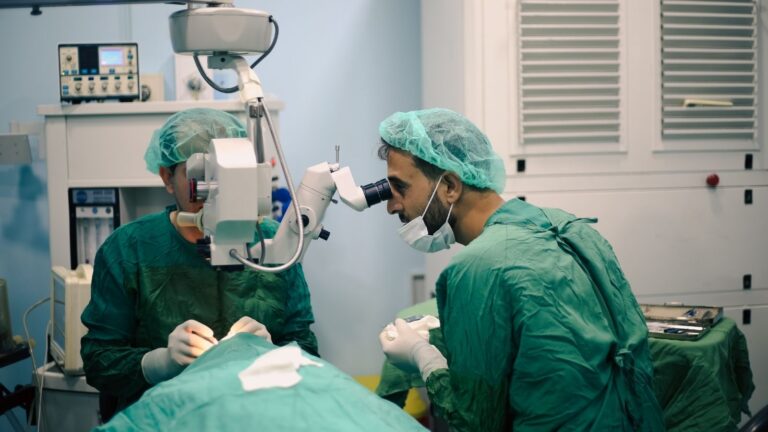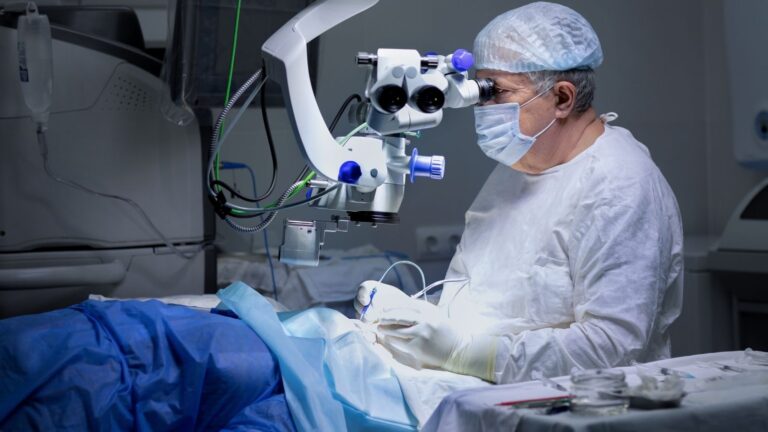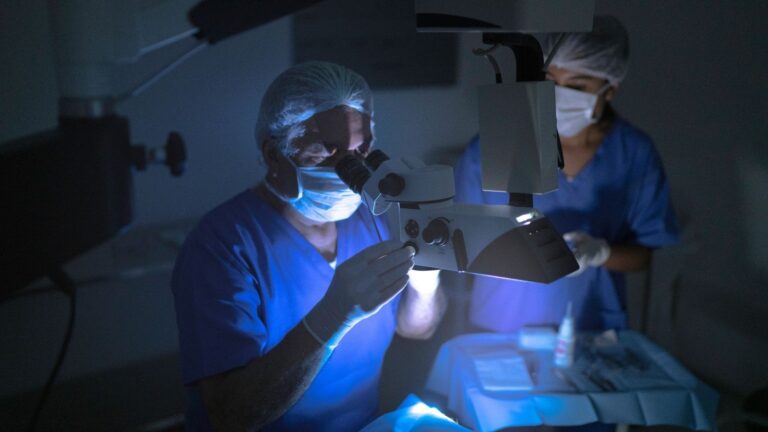
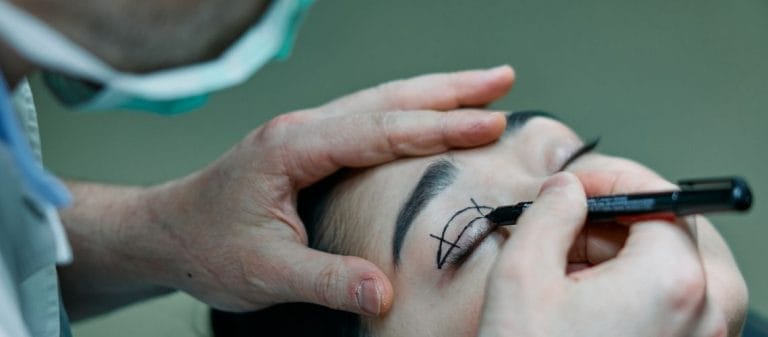
A detailed examination should be performed before eyelid surgery, and the patient's general health should be evaluated. Discontinuing blood-thinning medications and stopping smoking increase the likelihood of successful surgery.
Swelling and bruising are considered normal during the postoperative period. Applying cold compresses and keeping the head elevated during the first few days accelerate healing and reduce swelling.
Maintaining eye hygiene and regularly using the prescribed drops and ointments help prevent infection. It is important to avoid rubbing the eyes and strenuous activities.
Although recovery varies from person to person, cosmetic results become noticeable within a few weeks. Regular medical examinations help achieve the best results in terms of both health and appearance.
Preoperative preparation is carried out to ensure the safety of the procedure and minimize possible postoperative complications. This process can be compared to an architect conducting a ground survey before constructing a building. Establishing a solid foundation allows every stage of surgery to progress smoothly.
- Detailed Medical Assessment:
A comprehensive review of the patient's medical history is important. Eye-related conditions such as dry eye syndrome or high eye pressure may affect surgical planning.
Chronic conditions such as diabetes or hypertension are closely related to anesthesia risks and the recovery process.
- Analysis of the Eye Structure and Surgical Planning:
Different techniques are used for the upper and lower eyelids. In some cases, treating only the upper eyelid is sufficient, while correction of the lower eyelid may also be necessary in others.
- Preoperative Antiseptic Preparation:
Before surgery, the eye and surrounding area are cleaned with antiseptic solutions. Although practices may vary between clinics, cleaning with solutions such as chlorhexidine is known to reduce the risk of infection significantly.
- Assessment of Medications:
Anticoagulants or medications that affect platelet function, such as aspirin and clopidogrel, may increase the risk of bleeding during surgery. The surgical team consults with the relevant physician to determine which medications should be discontinued and when.
Herbal supplements such as ginkgo biloba and ginseng may also prolong bleeding. Patients must inform the surgical team about all supplements and non-prescription medications they use regularly.
- Stopping Smoking:
Smoking reduces blood flow to the tissues because nicotine constricts the blood vessels. This may slow postoperative healing and increase the risk of infection.
Stopping smoking at least 4 to 6 weeks before surgery may support smoother healing of the tissues in the surgical area.
- Patient Information and Consent:
As with all surgical procedures, the risks, expectations, and possible complications of the operation should be explained to the patient in detail.
Providing information about the risk of dry eye, temporary postoperative blurred vision, or stinging in the eyes increases patient satisfaction.
- Preoperative Photography:
Photographs taken from standardized angles before surgery allow comparison during surgical planning and postoperative assessment.
- Planning the Postoperative Period:
A relative or another close person may need to support the patient during the first few days after surgery.
It is recommended to obtain necessary supplies, such as cold compresses and antibiotic eye drops, in advance.
Bleeding control is extremely important in eyelid surgery. Certain medications and supplements may therefore need to be discontinued or changed before surgery.
- Anticoagulants (Blood Thinners):
Medications such as warfarin, heparin, or low-molecular-weight heparin reduce the blood's ability to clot and increase the likelihood of bleeding during surgery.
- Antiplatelet Medications:
Medications such as aspirin and clopidogrel affect the function of platelets. Discontinuing them 5 to 7 days before surgery is generally recommended.
- Nonsteroidal Anti-Inflammatory Drugs (NSAIDs):
Medications such as ibuprofen and naproxen may also increase the risk of bleeding. They are therefore generally discontinued before surgery.
- Herbal Supplements and Vitamins:
Certain supplements, including vitamin E, garlic tablets, ginkgo biloba, and ginseng, may affect clotting mechanisms. It is appropriate to stop taking these supplements at least 1 week before surgery.
Smoking adversely affects postoperative wound healing. Just as a tree with weak roots has difficulty withstanding a storm, tissues that do not receive adequate nourishment because of smoking may struggle to heal.
- Vasoconstriction:
Nicotine causes blood vessels to contract, reducing blood flow. This makes it more difficult for oxygen and nutrients to reach the surgical area.
- Reduced Tissue Resistance:
The toxic substances in cigarettes adversely affect the activity of cells responsible for tissue repair. This also increases the risk of infection.
- Risk of Infection and Complications:
Complications such as infection and opening of the sutures occur more frequently in smokers. This prolongs recovery and may adversely affect cosmetic results.
Avoiding smoking for at least several weeks after surgery is recommended. Newly sutured tissues are particularly delicate during this period. Protecting them from nicotine and other harmful chemicals accelerates healing.
Obtaining certain essential supplies in advance helps postoperative care progress smoothly.
- Cold Compresses and Ice Packs:
The first 48 hours are extremely important for reducing swelling and bruising. Cold compresses applied carefully and intermittently help reduce swelling.
- Sterile Gauze and Cotton Swabs:
These may be used to keep the surgical area clean and dry. They minimize the risk of infection while cleaning discharge or applying care products.
- Antibiotic Ointment or Drops:
These are frequently prescribed to prevent eye infections. The application instructions must be followed precisely.
- Pain Relievers:
Prescribed pain relievers or simple over-the-counter medications containing paracetamol may be used for mild postoperative pain or discomfort. NSAIDs are generally not recommended during the early period.
- Sunglasses or Protective Glasses:
These protect sensitive tissues from sunlight, wind, and dust. They also provide a more comfortable recovery for people experiencing light sensitivity.
- Extra Pillows:
Keeping the head elevated while lying down may help reduce swelling. Some patients find sleeping in a semi-upright position more comfortable after surgery.
- Light and Easily Consumed Foods:
Hard foods or those requiring intensive chewing may increase discomfort during the first few days after surgery. Soups, purées, and soft foods may therefore be preferred.
Swelling and bruising are very common after eyelid surgery. These findings are a natural part of recovery and can be considered a protective response similar to that of tissue exposed to an impact. The following methods may help these symptoms resolve more quickly:
- Cold Application (Cryotherapy):
Applying cold compresses at regular intervals during the first 48 hours partially limits blood flow to the tissues and reduces swelling and bruising. Wrapping the ice pack in a thin cloth is recommended to avoid direct contact.
- Keeping the Head Elevated:
Keeping the head slightly above heart level while sleeping or resting helps manage blood and lymphatic circulation.
- Effective Nutrition and Hydration:
Adequate water intake and a balanced diet containing protein, vitamins, and minerals accelerate tissue healing. Some patients believe that foods containing bromelain, such as pineapple, may reduce swelling. However, every dietary supplement should be discussed with the medical team.
- Avoiding Strenuous Physical Activity:
During the first week, strenuous exercise, bending over, sudden head movements, and activities requiring force may increase swelling and place pressure on the sutured area.
- Lymphatic Drainage Massage:
A gentle lymphatic drainage massage performed at the appropriate time and with the correct technique may help the swelling resolve more quickly. However, this massage must be performed by a specialist physiotherapist or an appropriate healthcare professional.
The time required to return to normal life after eyelid surgery is related to the patient's general health, age, skin structure, and the extent of surgery. Some people may return to gentle walking or desk work within 3 to 7 days, while avoiding work that requires heavy lifting for at least 2 weeks is recommended.
- The First Week:
Mild sensitivity, redness, and swelling are considered normal. Resting and protecting the eye area whenever possible are important during this period.
- The Following Week and Beyond:
Sutures are generally removed 5 to 7 days after surgery. Because tissue integration continues, activities that strain the eyes, such as prolonged computer use or intensive reading, should be limited during this period.
- Sports and Exercise:
Positions that invert the body, such as certain yoga poses, and strenuous cardio exercise may increase blood pressure and consequently pressure around the eyes. Avoiding these activities for the period recommended by the surgical team reduces the risk of swelling and bruising.
Intensive sun exposure after eyelid surgery may cause undesirable effects on the skin. Newly healing tissues become delicate, like a thin porcelain plate, and are more vulnerable to the harmful effects of UV rays.
- Delayed Healing:
Sunlight may alter healing reactions in the skin. Exposure of the surgical incision to high levels of ultraviolet radiation may increase redness and inflammation.
- Hyperpigmentation:
When melanocytes in the healing wound are stimulated by UV radiation, they may produce excessive melanin. This may cause dark discoloration along the incision line.
- Increased Risk of Infection:
Prolonged sun exposure is known to temporarily suppress immune cells in the skin. This may reduce defense against bacterial or viral infections.
If going outside is necessary, wearing a wide-brimmed hat and UV-protective sunglasses is recommended. Sunscreen should be used only after the surgical area has healed completely and the surgical team has given approval.
One of the most common questions among people undergoing eyelid surgery is when they can begin wearing makeup again. Makeup products can be considered "sponges" that may harbor foreign microorganisms. Applying makeup before the wound has fully closed or without medical approval increases the risk of infection and irritation.
- General Recommendation:
Waiting at least 2 weeks is appropriate in most cases. By this time, the sutures have generally been removed, the wound crusts have fallen away, and superficial skin healing has largely been completed.
- Using New, Hygienic Products:
Old brushes and products may contain bacteria. New, preferably disposable or sterilizable applicators should therefore be used.
- Choosing Products That Reduce Irritation:
Products containing glitter or intensive chemicals may cause stronger reactions in sensitive skin. Hypoallergenic and fragrance-free products may therefore be used initially.
Monitoring the postoperative recovery process and intervening early when necessary are vital. The following symptoms are considered abnormal and require contacting the surgical team or an appropriate healthcare provider:
- Excessive Bleeding or Leakage:
Mild leakage may be expected, but heavy and persistent bleeding may indicate an uncontrolled problem involving blood vessels in the sutured area.
- Severe or Increasing Pain:
Mild discomfort during the first few days is normal. However, if the pain becomes more severe or cannot be controlled with pain relievers, complications such as infection or hematoma may need to be evaluated.
- Redness, Excessive Swelling, or Purulent Discharge:
These signs of infection require prompt treatment. Otherwise, the risk of the infection spreading increases.
- Reduced Vision or Double Vision:
Some patients may experience temporary blurred vision after surgery. However, sudden vision loss or double vision may indicate a serious complication.
- Fever and General Weakness:
Increased body temperature and pronounced weakness may indicate that the body is fighting an infection.
- Opening of the Wound Edges (Dehiscence):
If the suture line opens, urgent professional assistance may be required for wound care.
Regular postoperative examinations allow the surgeon and patient to monitor recovery together. Just as a carpenter periodically checks the durability of completed work, the progress of healing after eyelid surgery should also be monitored.
- Early Follow-Up Examinations:
Sutures are generally removed within the first week, and wound healing is assessed. Complaints such as dryness, stinging, or excessive sensitivity can be identified during these examinations.
- Intermediate Follow-Up Examinations (2 to 4 Weeks):
The reduction in swelling and bruising and the position of the eyelid anatomy are evaluated. If additional procedures or treatments are required, they can be planned during this period.
- Long-Term Follow-Up Examinations (3 to 6 Months and Beyond):
The final result is evaluated at this stage. Scars along the surgical line, overall skin quality, and the functional performance of the eyelid are reviewed.
Follow-up examinations increase both surgical success and patient satisfaction. They provide an opportunity for early diagnosis and intervention if an unexpected condition develops.
The results of eyelid surgery may be maintained for many years. However, aging is an unavoidable natural process, and the general structure of the face continues to change over time. This is inevitable, much like the changing seasons.
- Age-Related Changes: Skin elasticity decreases over the years, which may cause mild laxity.
- Lifestyle Factors: Sleep patterns, dietary habits, sun exposure, and smoking directly affect how long the surgical results last.
- A Second Procedure May Be Required: Some patients may wish to preserve the shape of their eyelids with minor procedures later in life. This does not mean that the surgery was unsuccessful. It is part of the tissues' natural aging process.