
Temporary blurred vision after cataract surgery is common. This complaint is considered normal during the first few weeks because of the eye's healing process and swelling. Visual clarity usually improves within a short time.
Posterior capsule opacification may cause blurred vision months or years after surgery. In this situation, vision can be restored with a laser capsulotomy. The procedure is quick and painless.
Changes in intraocular pressure, infection or retinal problems following surgery may also cause blurred vision. Early diagnosis and treatment in these situations are critically important for protecting visual health.
The cause of blurred vision may differ from one patient to another. Regular follow-up examinations should therefore be performed, and a doctor should be consulted without delay if unexpected symptoms occur. Early intervention reduces the risk of permanent vision loss.
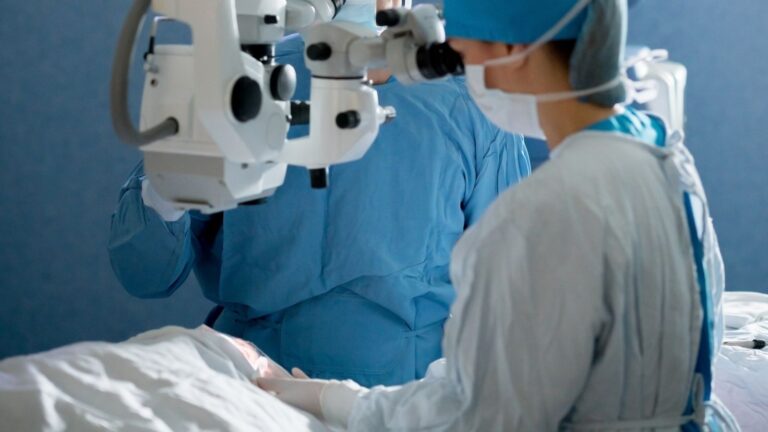
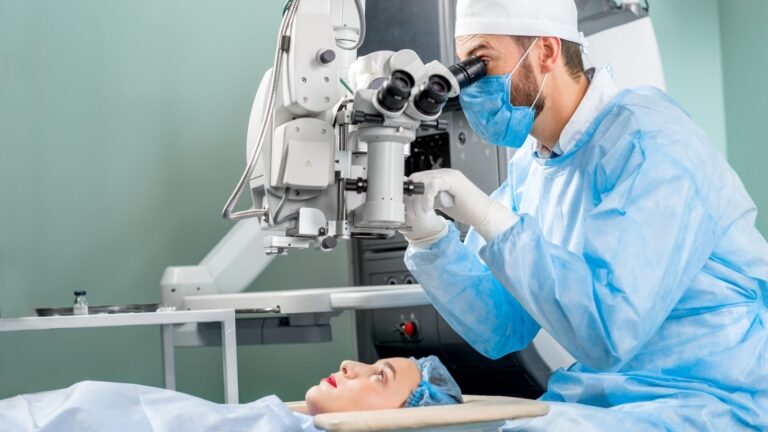
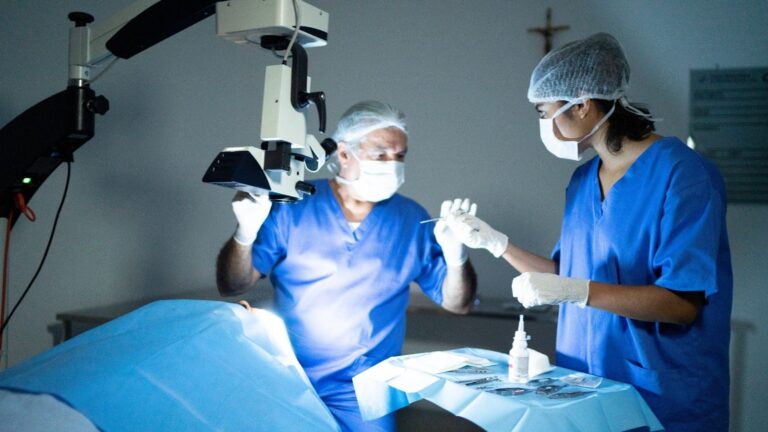
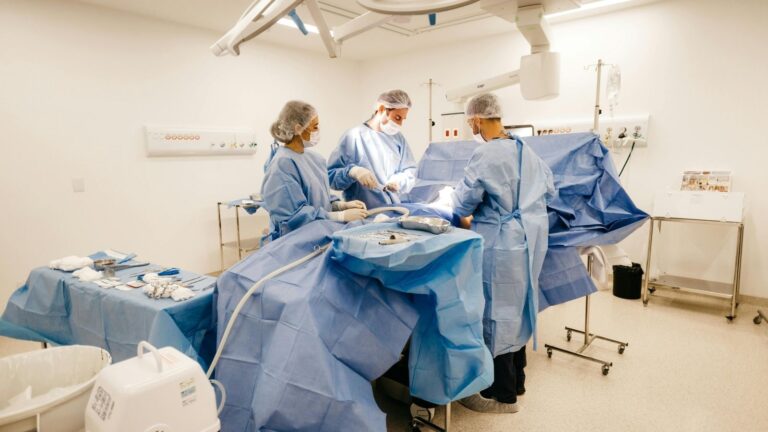
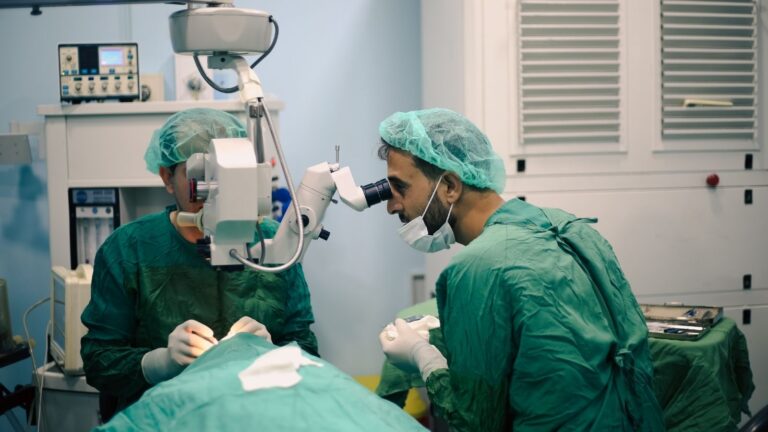
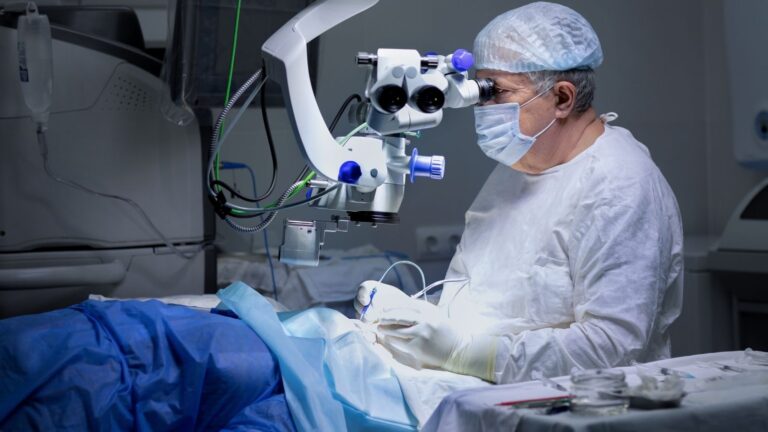
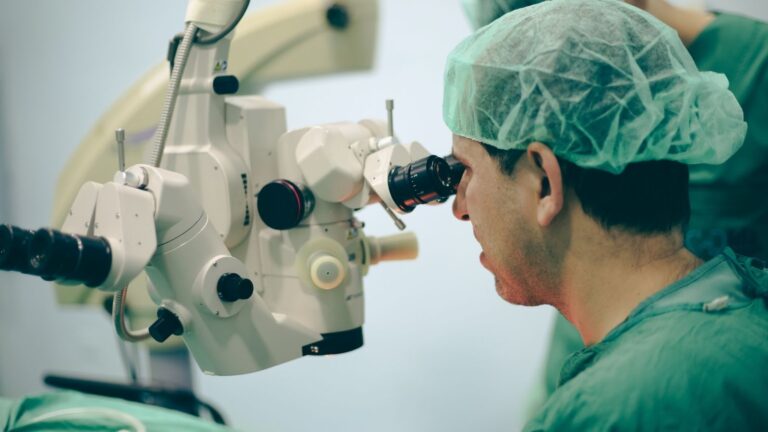
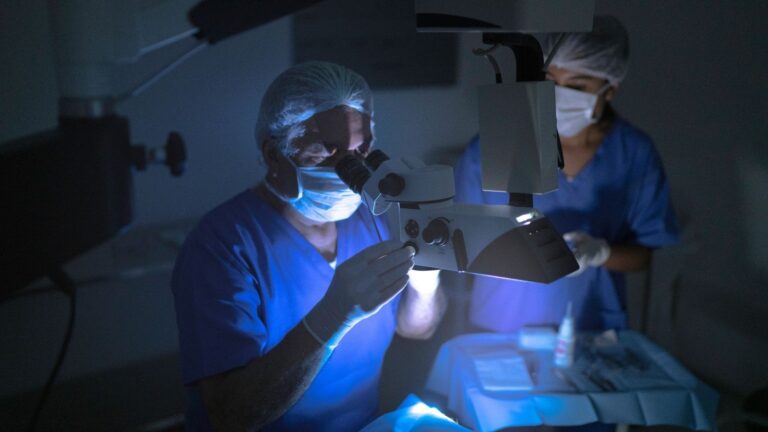
Cataract surgery is a highly delicate procedure performed using microsurgical techniques. The natural lens inside the eye is removed and replaced with an artificial intraocular lens. During this operation, the tissues of the eye experience a certain amount of trauma. Just as a small cut on your hand may cause mild swelling and sensitivity, swelling and an inflammatory reaction may also develop in the eye.
A veil of fog during the first few hours: Blurred or hazy vision immediately after surgery frequently occurs because the tissues around the implanted lens are still adapting and healing. The drops, medications and viscoelastic substances used during surgery may also temporarily make vision hazy at first.
The body's defense mechanism: Because the eye is exposed to external factors during surgery, the body initiates several protective responses. These defense mechanisms may increase blood vessel activity and cause fluid accumulation. These are entirely expected processes and usually begin to improve within a few days.
A temporary process that should not cause alarm: Many people wonder whether blurred vision during the first 24-48 hours after surgery is concerning. In most cases, it is normal and vision gradually becomes clearer. Regular medical examinations during the first day or week after surgery are used to closely monitor whether everything is progressing as expected.
After the first postoperative day has passed, some people may wonder, "My eye should be completely better by now, so why is my vision still blurred?" The body's rate of healing varies from person to person, and these differences may be more pronounced in a sensitive organ such as the eye. The most common causes of blurred vision during the period following the first few days include:
- Corneal edema: The cornea, the transparent outermost layer of the eye, is exposed to fluids and surgical instruments during the operation. Just as the skin may become mildly swollen, fluid retention can also increase in the cornea. This prevents light from passing through clearly and causes blurred vision.
- Eye drop residue: Protective or anti-inflammatory drops used after surgery may sometimes form a film on the ocular surface. This may cause temporary hazy vision. Artificial tears or cleaning methods recommended by the doctor may help relieve the eyes.
- Inflammation: Just as any wound in the body undergoes a process involving redness, sensitivity and swelling while healing, similar responses occur in the eye. Even at a microscopic level, cataract surgery leaves a wound inside the eye. Inflammation continues until these tissues heal and may occasionally cause blurred vision.
Temporary dry eye: Keeping the eyelids open for an extended period during surgery may disrupt the balance of the tear film. Dryness may cause stinging, burning and difficulty seeing clearly. These complaints may also cause temporary blurred vision.
Although most people regain clear vision after the first few days, blurred vision may persist for weeks in some situations. There may be several reasons for this:
- Prolonged healing: The tissues in some eyes take longer to recover. The process may be extended, particularly in people who had additional conditions such as glaucoma or diabetes before surgery.
- Onset of posterior capsule opacification, also known as secondary cataract: Although rare, cells may begin to accumulate again on the capsule at the back of the eye several weeks or months after surgery. Even at this early stage, the condition may cause mild blurred vision.
- Additional corneal or retinal problems: Pre-existing conditions such as corneal dystrophy may delay healing. A problem affecting the retinal layer may also make recovery more difficult.
- Dryness and inflammation not fully resolving: If postoperative drops are not used correctly or the body reacts differently to these medications, swelling and inflammation in the eye may last longer than expected. This can cause blurred vision that appears to be permanent.
It is important not to miss regular follow-up examinations and to clearly report symptoms to the doctor during this period. Early intervention can prevent more serious long-term problems.
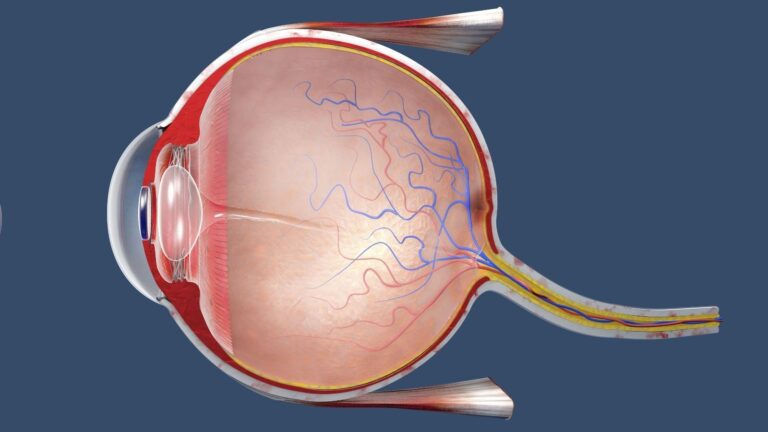
The eye is often said to function like a camera. In this comparison, the retina is the film onto which light falls. The most central part of the retina, which is responsible for detailed vision, is called the macula. Cystoid macular edema (CME) is an accumulation of fluid in this exact area.
- Inflammation at the center: The inflammation that develops in the eye following surgery makes the ocular blood vessels more permeable. This means that more fluid can leak from the blood vessels into the surrounding tissue. This can cause fluid to accumulate in the macula and impair vision.
- Irvine-Gass syndrome: Also known as pseudophakic cystoid macular edema, this is the most typical form of macular edema that develops after cataract surgery. It generally begins to appear several weeks after surgery.
- Symptoms: CME generally causes complaints such as blurred central vision and wavy or distorted images. When reading a book, for example, letters or words may not be clearly distinguishable and straight lines may appear curved.
- Treatment and follow-up: This condition is usually controlled with topical anti-inflammatory eye drops or oral anti-inflammatory medications. Injections into the eye may sometimes also be required. Methods such as optical coherence tomography (OCT) are used to measure the amount of fluid in the macula during follow-up.
During cataract surgery, the front part of the capsule surrounding the eye's natural lens is opened, the cloudy lens inside is removed and an artificial lens is implanted. However, the back part of the capsule is generally left in place to preserve the integrity of the eye. Over time, particularly after several months or years, cells accumulate on this posterior capsule and cause a condition known as secondary cataract.
- Is it actually a second cataract?: Although this condition is called a secondary cataract, the cataract does not actually return. The capsule loses its transparency. This prevents light from reaching the retina and causes blurred vision.
- Frequency of PCO (Posterior Capsule Opacification): According to studies, a substantial proportion of patients who undergo cataract surgery are at risk of developing PCO during the first two years after the operation. It may occur earlier in some patients and later in others.
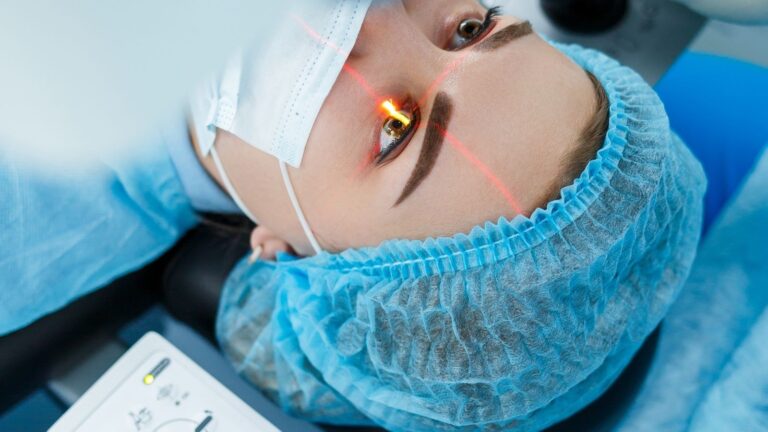
- How is it treated?: Fortunately, treatment is quite simple. During a YAG laser capsulotomy, the opaque area is opened with a procedure lasting only a few minutes, allowing vision to become clear again. The procedure is completely painless and often produces a significant improvement in vision on the same day.
Once the cause of blurred vision has been identified, treatment is generally planned as follows:
- Posterior capsule opacification (PCO): A YAG laser capsulotomy is performed. The opaque area is opened with the laser to restore clear vision. It is a simple, quick and painless procedure.
- Inflammation and edema: Corticosteroid or nonsteroidal anti-inflammatory drug (NSAID) eye drops are the most commonly used treatments. The objective is to reduce swelling and inflammation in the eye. Oral medications or injections into the eye may also be required in some cases.
- Dry eye treatment: Artificial tears, gels and, when necessary, more advanced treatments are used to relieve blurred vision caused by dryness of the ocular surface. Keeping the eyes moist is particularly important during the postoperative period.
- Retinal problems: If there is fluid accumulation or vascular leakage in the retina, such as cystoid macular edema, intraocular injections with anti-VEGF medication or corticosteroids or laser treatment may be used.
- Infection: For infections caused by bacteria or viruses, corticosteroid eye drops may be given in addition to antibiotic or antiviral treatment. If an infection is not brought under control quickly, it may cause permanent vision loss.
Yes, swelling or edema in retinal tissue is one of the important causes of blurred vision after cataract surgery. Edema in the macular area particularly affects central vision. The medical term for this condition is generally cystoid macular edema.
- The delicate layer of the eye: The retina is a thin layer consisting of numerous nerve cells and blood vessels. Any inflammation that occurs during or after surgery can cause this tissue to retain fluid and become thicker.
- Individual susceptibility: The likelihood of developing macular edema is higher in people with diabetes or a previous retinal disease. These groups are therefore monitored more closely.
- Symptoms and diagnosis: Complaints such as faded colors, difficulty seeing clearly and blurred text while reading are frequently observed. OCT, or Optical Coherence Tomography, is used for diagnosis. This device obtains cross-sectional images of the retina and clearly displays fluid accumulation.
- Treatment: Treatment is generally provided with medication. In addition to eye drops, injections into the eye, such as corticosteroids or anti-VEGF medications, may be used to control the edema. Most patients regain clear vision.
After the cloudy lens has been removed through cataract surgery, patients may experience very clear vision for a period. Over time, however, cell growth may continue on the posterior capsule. This condition is called secondary cataract or, in medical terminology, posterior capsule opacification (PCO).
- Cause of the blurred vision: As the posterior capsule becomes opaque, vision gradually becomes hazy, much like looking through a dirty window. This may cause difficulty with activities such as reading, watching television or driving at night.
- Why is it common?: This is actually a natural consequence of the operation. Cells remaining on the surface of the lens capsule inside the eye multiply over time. This process may progress more quickly, particularly in younger people with more active cells.
- The solution: The center of the capsule is opened with a simple YAG laser procedure. This allows light to pass freely to the retina and vision improves immediately. The patient can return to daily activities within several hours after the procedure.