
After cataract surgery, patients commonly experience mild redness, stinging, and watering. These symptoms are temporary and form part of the normal healing process. Vision usually begins to improve noticeably within a few days.
Some patients may experience reflections, glare, or blurred vision for several weeks. These effects are related to the eye's adaptation after surgery. Regular use of prescribed eye drops and follow-up examinations generally help reduce the complaints.
In rare cases, complications such as infection, increased intraocular pressure, or retinal problems may develop. These symptoms require urgent medical evaluation. Early intervention can prevent serious consequences.
Following hygiene instructions, avoiding rubbing the eye, and using the prescribed medications regularly are important for reducing postoperative complaints. Following the physician's recommendations supports faster healing.
Following cataract surgery, patients may occasionally notice different or unexpected changes in their eyes. The eye is one of the most sensitive organs in the human body, and its postoperative response is part of the body's natural defense and healing mechanisms.
- Difficulty Focusing and Blurred Vision: An inability to see clearly or mild blurred vision during the early period may be considered a natural response of the eye tissues to the operation. Because the cornea and surrounding structures are affected by the surgery, temporary swelling or sensitivity may develop.
- Light-Related Problems (Glare, Halos, and Reflections): Optical changes caused by the newly implanted intraocular lens may result in glare under bright lights or rings around lights at night.
- Dry Eyes and Burning: Instruments used during surgery may cause minor irritation to the delicate corneal surface, disrupting the tear film. Complaints such as stinging, burning, or a foreign-body sensation are frequently reported.
Mild pain, blurred vision, watering, or general discomfort in the eye may also be considered normal during the first few days after surgery. The body sends its repair team, including inflammatory cells and growth factors, to the surgical area to restore the tissues. Symptoms may develop during this process.
A cataract is the clouding of the eye's natural lens. During surgery, this lens is removed and replaced with an artificial intraocular lens. However, perfect clarity should not always be expected immediately after surgery, as if by magic.
- Natural Healing Process: The body creates a small "construction site" in the surgical area. Swelling, mild edema, and minor irritation caused by the surgical incisions are normal. These changes may cause temporary blurred vision.
- Corneal Edema: The cornea is the transparent layer at the front of the eye. It may retain fluid because of the devices or fluids used during surgery. This is similar to looking through a fogged window. The haze gradually clears over time and vision becomes sharper.
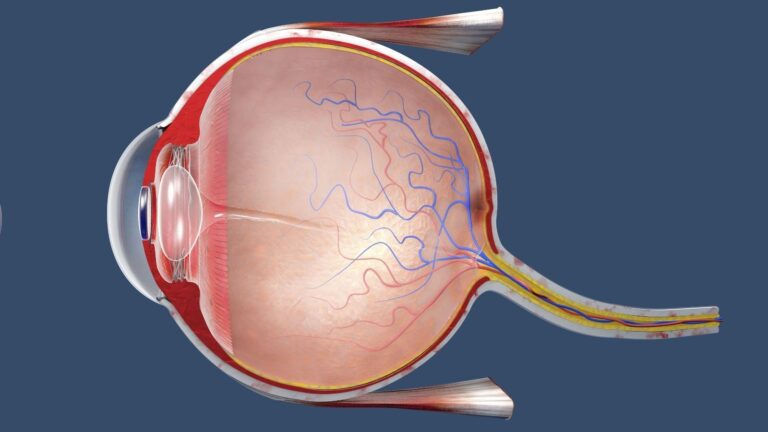
- Retinal Conditions, Particularly Macular Edema: Fluid may also accumulate in the retina at the back of the eye. This is called cystoid macular edema. When located in the center of the retina, it causes blurred vision in the central visual field. Fortunately, the edema can often subside with medication or monitoring.
- Lens Adaptation Process: Imagine replacing the lens of a camera. At first, it can be difficult to adjust the settings correctly. Over time, the camera, in this case the brain, adapts to the new lens and begins to produce sharper images. A similar adaptation process applies to an intraocular lens.
Our eyes function through fine adjustments, like the violins in an orchestra. Tears are a very important instrument in this orchestra. After surgery, the coordination between the cornea, eyelids, and tear film may be temporarily disrupted.
- Disruption of the Tear Film: The eyelid is held open during surgery. The instruments used, fluids applied to irrigate the cornea, and eye drops may disturb the tear film. The result may be stinging, burning, and dryness.
- Meibomian Glands and Dry Eye: The meibomian glands in the eyelids produce the oily layer of the tear film. Surgical stress or pre-existing conditions such as blepharitis may negatively affect the function of these glands. This causes tears to evaporate more quickly.
- Age and Other Risk Factors: Aging and conditions such as rheumatic diseases and diabetes may increase the risk of dry eye. Cataract surgery may act as a contributing factor.
Light sensitivity, medically known as photophobia, is one of the complaints frequently reported after surgery. Implantation of a new lens and the mild inflammatory process caused by surgery may make the eye more sensitive to light.
- Surgical Trauma: Incisions made at the front of the eye cause tissue sensitivity. Particularly under bright sunlight or intense LED lighting, this sensitivity may cause squinting and an uncomfortable burning sensation.
- Dysphotopsia and Glare: After surgery, light may be refracted at different angles around the edges of the lens. This may create an effect similar to excessive light entering the pupil. The result is a feeling that the eyes cannot tolerate bright light.
- Effects of Dry Eye: Tears help light refract correctly and keep the ocular surface moist. Patients with dry eyes may become more sensitive to light.
This sensitivity generally begins to decrease as healing progresses. Sunglasses or wide-brimmed hats can significantly reduce discomfort.
Seeing rings around oncoming headlights while driving in the dark or noticing glare around streetlights can cause concern. These effects are known as halos or glare.
- Characteristics of the Artificial Lens: Multifocal and trifocal lenses are specifically designed to distribute light between different focal points. One consequence may be occasional halos and glare at night.
- Brain Adaptation: As the brain learns that a new lens is present and becomes accustomed to processing the images it produces, it organizes visual signals more effectively. Pronounced halos experienced during the first few months generally become less noticeable over time.
- Correct Lens Position: If these complaints are very severe and do not decrease over time, the position of the lens, refractive errors, or another potential problem should be examined. Relief may sometimes be achieved through a minor adjustment or an additional glasses prescription.
Although complaints after cataract surgery are usually related to visual quality, patients may occasionally experience other symptoms.
- Stinging and Foreign-Body Sensation: Immediately after surgery or during the first few days, blinking may produce a sensation similar to having a small grain of sand in the eye. This results from surface irritation caused by the surgical incisions.
- Eyelid Swelling (Edema) or Mild Drooping (Ptosis): Just as a ball thrown into the air may tremble slightly as it falls back to the ground, the eyelids may swell mildly after surgery. Mild eyelid drooping may occur, particularly if an injection was administered or the eyelid was held open for a prolonged period.
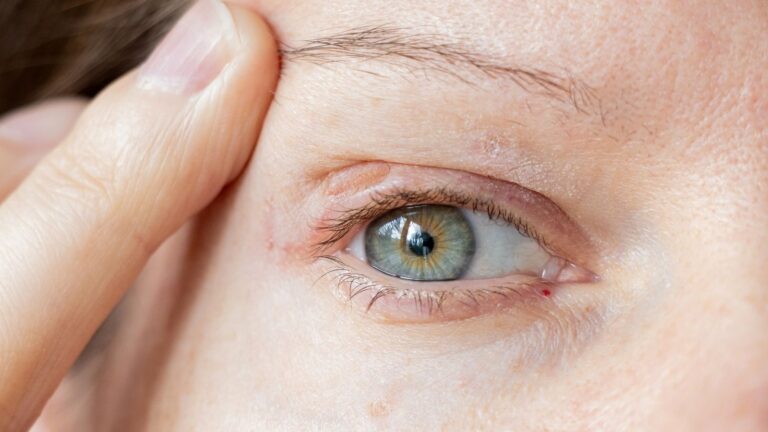
- Bloodshot Appearance and Redness: Small blood vessels may bleed during surgery, producing red patches on the white of the eye. Although this may look alarming, it usually resolves spontaneously within several weeks.
- Pain and Sensitivity Around the Eye: Mild pain or a feeling of pressure is generally expected. However, if the pain becomes more severe and causes enough discomfort to prevent the eye from closing, it must be evaluated.
Swelling may occur in both the cornea and eyelid tissues. The cornea is a thin and delicate membrane that may retain fluid because of the fluids, ultrasound waves, or mechanical interaction involved in surgery.
- Corneal Edema: This condition generally lasts from a few days to one week. Like a glass surface fogging after being removed from a refrigerator, the cornea may temporarily lose its transparency. The edema subsides with eye drop treatment or simply over time, and vision begins to clear.
- Eyelid Swelling: Swelling around the eye after surgery results from the healing components delivered to the area by the body. It may generally continue for several days or a few weeks. Ice compresses or specific recommendations may help reduce the swelling.
Swelling may persist in certain situations, such as when the number of corneal endothelial cells is low. These cases may require closer monitoring and additional treatment.
Cataract surgery is generally described as painless, but this does not mean there will be no discomfort at all. Mild pain and stinging may be felt on the day of surgery or during the first few days afterward.
- Mild and Normal Pain: This is generally experienced as a mild ache and may be described as feeling as though a tight bandage is pressing on the head. Simple painkillers or a cold compress may provide relief.
- Severe Pain and Redness: If the pain progressively increases and is accompanied by bloodshot eyes, blurred vision, or discharge, these symptoms may indicate a more serious condition. Prompt evaluation is important in such cases.
Although cataract surgery is performed under sterile conditions, the risk of infection cannot be eliminated completely. An intraocular infection known as endophthalmitis can seriously threaten vision if it is not treated promptly.
- Main Symptoms: Severe pain, sudden deterioration in visual quality, intense redness, swelling around the eye, and sometimes yellow-green discharge from the eye.
- Early Diagnosis and Treatment: Symptoms of infection generally develop during the first few days but may also occur later. If identified early, the condition may be treated with intravitreal injections, antibiotic eye drops, or surgical procedures such as vitrectomy when necessary.
Fortunately, this risk is very low today because of advanced surgical techniques and preventive antibiotic treatments. Nevertheless, it is extremely important for patients to seek evaluation without delay if postoperative symptoms differ from what is expected, particularly when pain is present.
Although uncommon, the artificial intraocular lens may shift from its intended position or become dislocated. This may be noticed as double vision, blurred vision, or a sudden reduction in visual acuity.
- Mild Displacement: Sometimes the lens has moved only slightly and causes no significant complaint. It may be monitored through regular examinations and may not require intervention, particularly if visual quality is not significantly affected.
- Severe Dislocation: If the lens has shifted far enough to extend beyond the pupil or clearly impairs vision, a second operation may be needed to reposition and secure it or replace it with a new lens. Like delicate tailoring, this procedure may involve attaching the lens to tissues inside the eye with fine sutures.
- Possible Risks: Repositioning the lens carries risks such as inflammation, retinal tears, or bleeding inside the eye. The surgeon's experience and the timing of the operation are therefore very important.