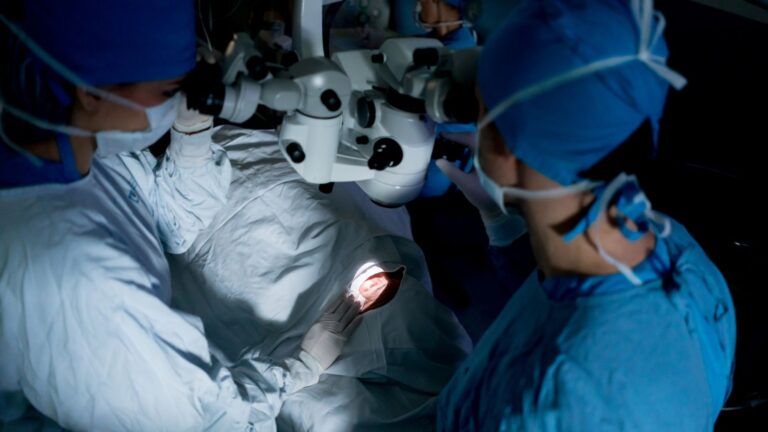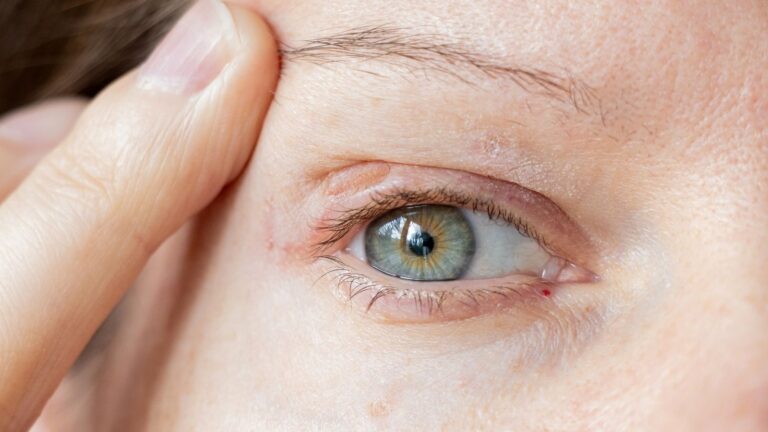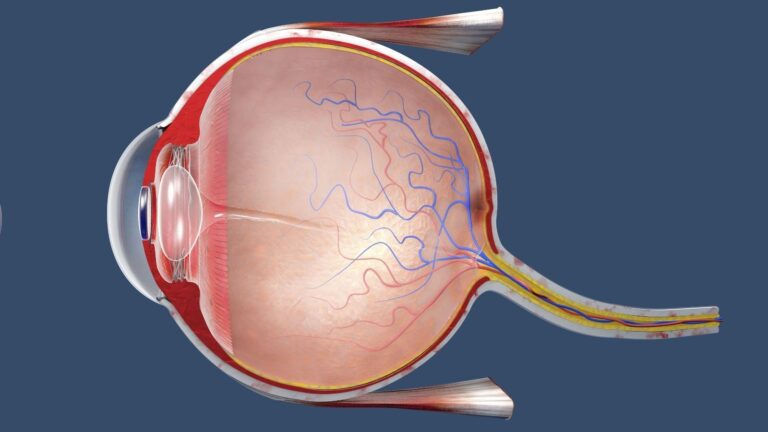

The recovery process after laser eye surgery varies from person to person but is generally rapid. Mild stinging, burning, and blurred vision may occur during the first few days. Regular use of prescribed drops and following the physician's recommendations are necessary for healthy recovery.
Dryness and light sensitivity are common complaints during the first week after surgery. It is important to avoid rubbing the eyes and follow hygiene guidelines during this period. Regular follow-up appointments should not be missed to ensure that recovery progresses properly.
Visual acuity generally improves within a few days, although complete clarity may take several weeks. During this period, patients should limit their computer and phone use and allow their eyes to rest. This accelerates recovery and reduces the risk of complications.
In the long term, visual quality improves noticeably once healing is complete. Medication must be used as prescribed, and eye health must be protected to achieve lasting results. Regular follow-up is a critical factor for long-term success.
The first 24 hours after surgery are the period during which the eye's earliest and most noticeable responses to surgical trauma are observed. Just as a newly planted sapling requires careful attention after being placed in the soil, the eye also needs special care.
- Changes in Visual Clarity
Immediately after surgery, many patients may notice a sudden and significant improvement in their visual quality. However, every recovery process differs from person to person. Mild blurriness or hazy vision during the first few hours is considered entirely normal.
The blurriness occurs because the corneal tissue has been reshaped during surgery and the ocular surface has not yet fully stabilized.
- Discomfort and Mild Pain
Complaints such as burning, stinging, or the sensation of sand in the eye are frequently reported during the first day. This discomfort results from the response of the nerve endings in the cornea to surgical trauma.
Sudden aching or pain is generally associated with microscopic surgical incisions and can often be controlled with prescribed drops or over-the-counter pain relievers.
- Light Sensitivity (Photophobia)
Bright lights may become uncomfortable during the postoperative period. Just as entering a dark room can provide sudden relief to the eyes, exposure to light may produce the opposite sensation.
This sensitivity is considered a natural part of the eye's adaptation to its new shape after surgery. Wearing sunglasses or protective glasses is important during this period.
- Protective Measures
The first 24 hours are the period when the risk of displacement of the corneal flap is highest in procedures involving a flap, such as LASIK. Avoiding rubbing the eyes or applying pressure is crucial.
Antibiotic and anti-inflammatory drops prescribed by the ophthalmologist should be used regularly. Caring for the area around the eyes is an important precaution against infection at the surgical site.
As with every surgical procedure, certain side effects may be expected after laser eye surgery. Just as a construction project requires cleaning and organization afterward, the eye restructures itself and may produce various responses during this process.
- Dry Eye and Stinging
Laser treatment causes changes in the corneal layer of the eye. These changes may temporarily affect tear production or distribution. As a result, symptoms such as dryness, stinging, and burning are common.
Regular use of artificial tears helps relieve this dryness. The effect may be more noticeable in people who already had dry eye before surgery.
- Difficulty Seeing at Night (Halos and Glare)
After surgery, visual effects such as halos, glare, or starbursts may occur around light sources, particularly in dark environments.
This is considered a consequence of healing on the corneal surface and decreases significantly during the later stages of recovery in most cases.
- Eye Redness and Mild Swelling
The small blood vessels on the corneal surface may dilate after surgery. This can appear as redness or bloodshot eyes.
Temporary swelling may also occur, but it generally decreases noticeably within a few days.
- Visual Fluctuations
Visual quality may fluctuate throughout the day during recovery. Vision may be sharper in the morning, while mild blurriness may be experienced in the evening.
These fluctuations decrease as the corneal cells reorganize and the smoothness of the surface stabilizes.
The postoperative period requires a gradual return to daily life. Just as an architect completes the stages of a construction project in sequence, the patient should also resume certain activities in a particular order.
- Daily Routine and Light Tasks
Most patients can return to simple household tasks within the first few days after surgery. Light walking and low-intensity household activities do not significantly increase pressure in the eye.
For people with desk jobs, short periods of computer use generally do not cause problems after 2 to 3 days. However, focusing on a screen may increase dryness, so artificial tears should not be neglected.
- Sports and Exercise
The eye is most sensitive to pressure changes and trauma during the first week. Low-impact exercises such as running or gentle yoga may be attempted after one week.
At least 2 to 4 weeks should pass before activities such as weightlifting, combat sports, or swimming, which may cause a sudden increase in eye pressure or raise the risk of infection.
Swimming pools and the sea may expose the eye to bacteria or chemicals. Water sports should therefore not be resumed without the physician's approval.
- Driving
Driving can be reconsidered once visual clarity has reached the level required by legal driving standards.
People experiencing night vision problems should be particularly careful when driving in the evening because of glare and halos. Until vision becomes clear, short daytime journeys may be preferable.
- Computer and Phone Use
Looking at screens for long periods can adversely affect the tear film and increase dry eye complaints.
Computer use at short intervals with frequent breaks is generally acceptable during the first week. However, after 20 minutes of screen use, looking at a point 20 meters away for 20 seconds, known as the 20-20-20 rule, is an important precaution for eye health.
The discomfort experienced after surgery is a natural part of physical recovery. It can be compared to the mild aching felt while a surgical incision heals.
- Artificial Tears and Moisturizers
Artificial tears are the primary solution for relieving dry eye complaints. In addition to moisturizing the ocular surface, eye drops help protect the cornea.
Preservative-free artificial tears may offer greater comfort, particularly for people with sensitive eyes. The frequency of use should be adjusted according to the physician's recommendation.
- Applying a Cold Compress
A cold compress may provide short-term relief in cases of mild pain, burning, or swelling.
The compress must be hygienic, and pressure should not be applied directly to the ocular surface.
- Humidifying the Environment
Dry and windy conditions may aggravate dry eye. Using a humidifier at home may help reduce dry eye complaints.
- Avoiding Touching the Eyes
After surgery, the eyes pass through a period in which they are sensitive to infection and flap displacement. Touching, rubbing, or applying pressure to the eye may therefore put the recovery process at risk.
Although uncommon, undesirable complications may occur following surgical procedures. This can be compared to unexpected structural problems arising even during a construction project that has otherwise progressed smoothly. Early diagnosis and rapid intervention are important for preventing complications from becoming permanent problems.
- Epithelial Ingrowth
In flap-based procedures such as LASIK, epithelial cells from the corneal surface may grow beneath the flap.
Mild cases generally heal on their own. If the condition progresses and affects vision, the flap may need to be lifted so the epithelial cells can be removed.
- Diffuse Lamellar Keratitis (DLK)
DLK, which is described as a sterile inflammation, frequently develops within a few days after surgery. It may cause symptoms such as blurred vision, pain, and severe light sensitivity.
It can be treated early with steroid drops or by lifting and cleaning beneath the flap. Delayed treatment may result in permanent corneal scarring.
- Corneal Haze
With surface ablation techniques such as PRK, corneal haze may develop during healing.
It is generally mild and disappears over time. In severe cases, however, it may reduce visual quality. Steroid drops and, in some cases, additional treatments may be required.
- Changes in Intraocular Pressure
Corticosteroid drops or the surgery itself may rarely cause temporary increases in intraocular pressure.
Regular eye pressure measurements can identify possible elevations early and allow the necessary precautions to be taken.
- Microbial Infections
After surgery, the eye may become vulnerable to bacterial, viral, or fungal infections.
If symptoms such as redness, yellow-green discharge, or severe pain are noticed, the ophthalmologist should be contacted immediately.
Light sensitivity is one of the most commonly reported complaints after surgery. Because the eye's new corneal shape changes how light is refracted, glare, halos, or starbursts may occur, particularly during night driving or in dim environments.
- Protective Eyewear
UV-blocking sunglasses may be worn to protect the eyes from bright sunlight. This increases comfort when outdoors during the day.
Avoiding screens and headlights that emit intense light at night may also be helpful.
- Contrast-Enhancing Drops and Glasses
Special filtered lenses that increase contrast may sometimes improve the quality of night vision.
If additional drops have been recommended by the physician, even for short-term use, the instructions should be followed precisely.
- Digital Screens and Ambient Lighting
Screens emitting intense white or blue light, particularly during the evening, may cause eye fatigue. Using blue-light filters, such as the night mode on digital devices, may be beneficial.
Choosing softer, warm-toned bulbs for indoor lighting may reduce eye fatigue.
As with almost every surgical procedure, regular follow-up after laser eye surgery is essential. Just as plants in a garden require periodic care, an eye that has undergone surgery should be evaluated at specific intervals.
- Monitoring Recovery
The first postoperative examination is generally performed within 24 to 48 hours. The ocular surface and the flap in LASIK patients are assessed for signs of early complications.
Additional examinations during the following weeks show whether the corneal thickness, visual acuity, and general eye health are within normal limits.
- Adjusting Medical Treatment
The dosage and frequency of postoperative drops may be adjusted according to the healing process. In some patients, steroid or antibiotic drops are gradually reduced under medical supervision.
Medication can be adjusted early in people at risk of high eye pressure or experiencing dry eye complaints.
- Assessing Visual Acuity
Follow-up examinations help identify conditions such as overcorrection or undercorrection. Additional laser treatment, glasses, or contact lenses may be considered when necessary.
Fluctuations in visual quality are monitored to determine whether they are developing into a permanent problem.
- Protecting Long-Term Eye Health
Certain problems have rarely been reported even years after surgery. Regular follow-up helps protect long-term eye health.
Follow-up appointments also provide an opportunity for early diagnosis of other eye diseases, including glaucoma, retinal thinning, and cataracts.
The comfort provided by laser eye surgery can become long-lasting with careful care and attentive follow-up. Just as neglecting routine maintenance can cause major problems in a car over time, a similar principle applies to the eyes.
- Regular Eye Examinations
Follow-up examinations are generally more frequent during the first year after surgery. Annual eye examinations may subsequently be recommended with the physician's approval.
Routine eye examinations assess the long-term success of the surgery and allow possible new eye problems to be diagnosed early.
- Protection from UV Radiation
Exposure to sunlight without UV protection may adversely affect visual quality and eye health over time.
Wearing sunglasses with UV400 protection in daily life makes an important contribution to long-term eye health.
- Healthy Diet and Hydration
Vitamins A, C, and E, along with zinc and omega-3 fatty acids, play important roles in eye health. Foods such as fish, green leafy vegetables, and carrots may be preferred.
Adequate water intake positively affects tear quality and reduces the long-term risk of dry eye.
- Smoking and Alcohol Use
Cigarette smoke may irritate the ocular surface and increase the risk of dryness and infection. Because it adversely affects blood vessels, it may also impair wound healing.
Excessive alcohol consumption can dehydrate the body and trigger dry eye. Avoiding both habits as much as possible supports the long-term success of the surgery.
- Protection from Trauma
Even after the eye has recovered following surgery, it is always important to remain careful about trauma.
Wearing protective glasses at work or during sports is highly important for protecting long-term eye health.
Recovery and visual stabilization times may differ between types of laser eye surgery. A tree takes time to grow, and every tree develops at its own pace.
- LASIK (Laser-Assisted In Situ Keratomileusis)
Although a significant improvement in vision is expected within the first 24 to 48 hours, complete stabilization may take several weeks.
Because flap adaptation, healing of the ocular nerves, and smoothing of the corneal surface take time, visual quality may fluctuate during this period.
- PRK (Photorefractive Keratectomy)
Because the corneal epithelium regenerates after surgery, visual clarity may sometimes remain reduced during the first week.
Visual acuity generally stabilizes noticeably within 1 to 3 months. However, complete stabilization has been reported to take 3 to 6 months in some cases.
- LASEK (Laser-Assisted Sub-Epithelial Keratectomy)
LASEK is a surface treatment similar to PRK, but it differs in that the epithelium is lifted using an alcohol solution.
Noticeable improvement is generally seen within two weeks, although complete clarity may take several weeks.
- SMILE (Small Incision Lenticule Extraction)
Because SMILE is performed through a smaller incision, the risk of flap-related complications is lower.
Improvement in visual quality may be noticeable within a few days. Complete stabilization occurs within several weeks in most patients.
Keeping the eyes healthy after surgery is similar to ensuring that a regularly maintained car operates smoothly for many years. Common-sense precautions and the physician's recommendations should therefore be followed together.
- Routine Intraocular Pressure Measurements
Although unexpected fluctuations in eye pressure are rare after laser surgery, the risk should not be overlooked.
Periodic eye pressure measurements should not be neglected, particularly when there is a family history of conditions such as glaucoma.
- Managing Digital Eye Strain
Modern lifestyles involve prolonged screen use. Resting the eyes at regular intervals reduces the risk of digital eye strain.
Directing the gaze toward a distant point and maintaining a viewing distance of at least 50 to 60 cm from the screen may help relax the eyes.
- Vitamin and Mineral Supplements
Dietary supplements such as lutein and zeaxanthin, which may support eye health, can be used upon a physician's recommendation.
A physician should always be consulted before beginning any dietary supplement.
- Lifestyle Adjustments
Regular sleep is important for the eyes to regenerate and for healthy tear production to continue.
Avoiding or managing stress also contributes indirectly to the body's general well-being. Stress-related hormonal changes may sometimes trigger dry eye.
Follow-up appointments play a critical role in maintaining surgical success and preventing early complications. Just as a vehicle should undergo general maintenance before a long journey, regular appointments help verify the health of the eyes.
- First-Day and First-Week Examinations
The first examination is generally performed 24 to 48 hours after surgery. At this stage, the flap and corneal surface are closely examined.
Examinations during the first week allow infection, inflammation, and other problems to be diagnosed early.
- First-Month and Three-Month Period
At the one-month examination, visual acuity, the degree of dry eye, and the extent of corneal healing are assessed.
The three-month examination is important for determining whether possible fluctuations in visual quality have ended. Advanced assessments such as corneal topography may be used to check stabilization of the ocular surface.
- Six-Month and Annual Examinations
The six-month examination provides a clear picture of the medium-term results of surgery.
Routine annual eye examinations are generally recommended in subsequent years. These appointments should not be neglected because they monitor both the long-term success of laser surgery and overall eye health.
Laser eye surgery is considered one of the most effective solutions offered by modern medicine. However, it should be remembered that the process does not end on the operating table. Just as a seed requires regular watering and fertilization after it is planted, systematic and disciplined care is necessary after laser eye surgery. Paying attention to the following key points can support recovery in the best possible way:
- Following the Physician's Instructions: Using prescribed drops completely and at the correct times, avoiding rubbing the eyes, and maintaining eye hygiene.
- Regular Follow-Up: Attending the frequent appointments required during the early period and the less frequent examinations scheduled later. Monitoring healing of the ocular surface and possible complications.
- Healthy Lifestyle Habits: Maintaining a balanced diet, adequate water intake, regular sleep, and avoiding harmful habits such as smoking.
- Using Protective Equipment: Wearing sunglasses with high UV protection outdoors and taking precautions to protect the eyes in dusty or windy environments.
- Managing Computer and Phone Use: Avoiding prolonged screen use and taking measures to reduce dry eye.
- Acting Quickly When Unusual Symptoms Occur: Contacting the ophthalmologist without delay if there is a sudden decline in visual quality, severe pain, redness, discharge, or another unexpected condition.
A recovery period in which all these points are observed helps the operation achieve its primary objective, which is to improve eye health and provide high-quality vision. The shared goal of patients and specialists is to preserve the results of surgery over the long term and improve quality of life. When clear and healthy vision is regarded as an integral part of overall physical health, the importance of attentive care after laser eye surgery becomes even clearer.