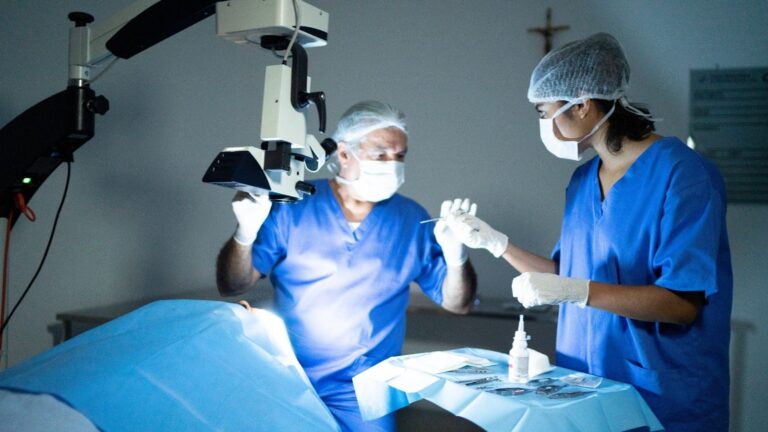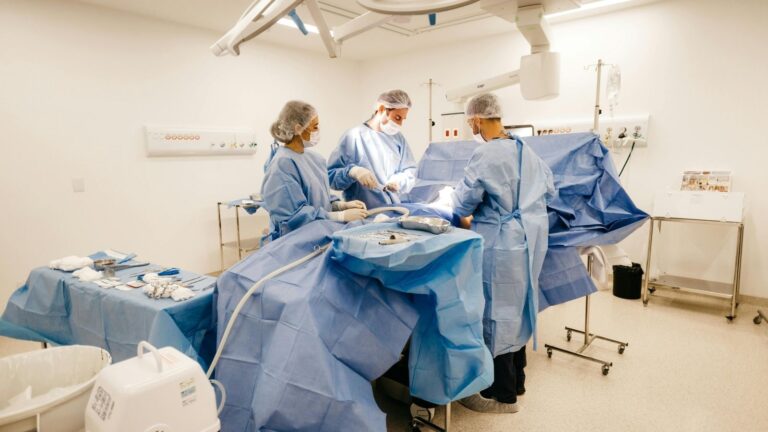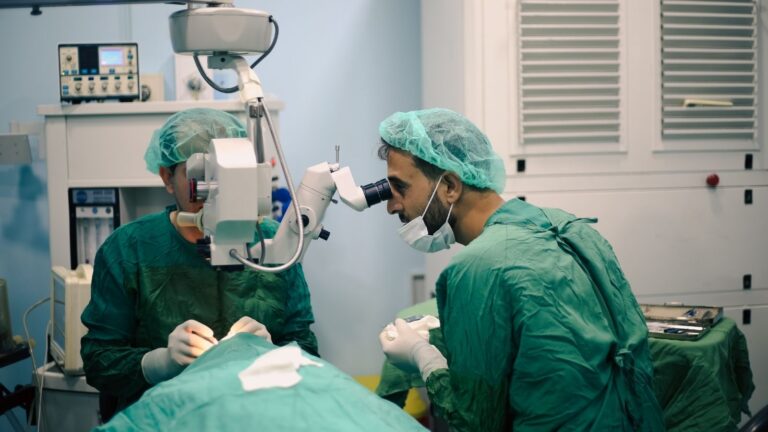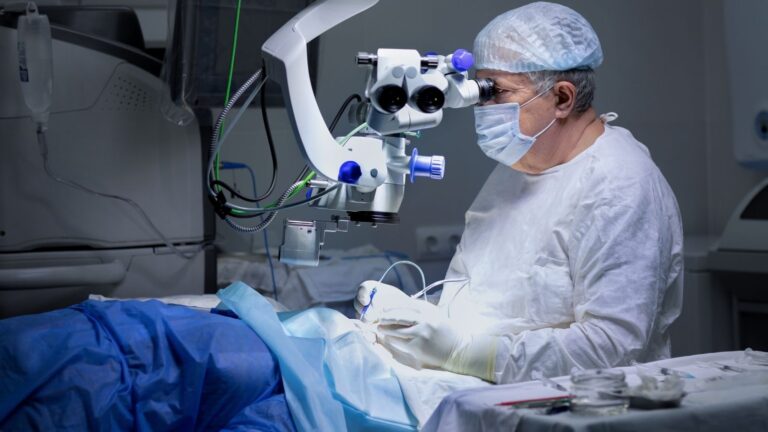

The artificial lens implanted inside the eye during cataract surgery generally corrects distance vision. However, glasses may still be required for near vision. The type of lens used is the most important factor determining the need for glasses after surgery.
Monofocal lenses correct distance vision, while multifocal or trifocal lenses may support both distance and near vision. This can reduce the need for glasses. Lens selection is based on the patient's lifestyle and expectations.
Toric lenses may be preferred for patients with astigmatism. These lenses treat the cataract while also correcting corneal irregularities, reducing dependence on glasses. Selecting the appropriate lens requires individualized planning.
The need for glasses may not disappear completely after surgery. The appropriate lens should therefore be selected under a physician's supervision, and glasses should be prescribed when necessary. The most suitable solution is determined according to the patient's individual needs.
The need for glasses after surgery cannot be attributed to a single cause. Many factors influence it. When different intraocular lens options such as monofocal, multifocal, or toric lenses are used, patients' postoperative vision also varies. Existing eye conditions and daily habits are also important in determining the need for glasses.
- Type of Intraocular Lens:
Monofocal Lenses: These are set to a single focal point. The usual aim is to provide clear distance vision. It is normal to need glasses for near or intermediate distances.
Multifocal Lenses: These lenses are designed to cover different viewing distances. They aim to provide vision for activities such as reading, using a computer, and driving. However, some patients may experience side effects such as halos or glare in high-contrast environments.
Toric Lenses: These are designed to correct astigmatism. Existing corneal curvature or irregularity may be corrected to some extent, potentially reducing the need for glasses.
- Pre-existing Eye Conditions:
Additional conditions such as astigmatism, diabetic retinopathy, and macular degeneration may affect the duration and degree of the need for glasses.
If the eye has a corneal scar or structural abnormalities, for example, glasses may still be necessary.
- Lifestyle and Occupational Needs:
People who frequently read, work at a computer, or perform crafts requiring fine detail may have a more noticeable need for reading glasses.
Excellent distance vision may be essential for drivers or frequent travelers.
- Surgical Technique and Anatomical Characteristics of the Eye:
The rate at which the ocular tissues heal, the accuracy of biometric measurements, and minor deviations that may occur during surgery are subtle factors that determine the need for glasses.
To use an analogy, it would not be realistic to ask, "Which tire is best?" without considering a vehicle's tire diameter, suspension type, and intended use. Selecting an intraocular lens and determining the need for glasses after surgery similarly require an individualized approach.
Selecting the correct intraocular lens for cataract surgery has a major influence on the need for glasses afterward. Each type of lens has different advantages and potential limitations.
- Monofocal Lenses
These are the most commonly preferred and reliable option. They provide high image quality, but because they have only one focal point, glasses may be needed for other distances. If a monofocal lens is set to provide clear distance vision, for example, reading glasses may be needed to read a book or look at a phone.
- Multifocal Lenses
These lenses have multiple focal points and aim to provide satisfactory vision at near, intermediate, and far distances. Like the zoom feature of a camera, they provide focus at different distances. However, side effects such as glare and halos may cause discomfort, particularly when driving at night. They may therefore not be suitable for every patient.
- Toric Lenses
These provide significant relief for people with high astigmatism. They partially correct the asymmetrical curvature of the cornea and may therefore reduce the need for glasses. Positioning the lens on the correct axis requires a precise and meticulous surgical procedure.
- EDOF (Extended Depth of Focus) Lenses
These lenses provide an extended range of focus and offer good distance and intermediate vision. Glasses may still be required for very close work. Glare and halos are reported less frequently than with multifocal lenses.
- Light-Adjustable Intraocular Lenses
This is a new-generation technology that allows the power of the lens to be adjusted using ultraviolet light after surgery. The refractive power of the lens can therefore be optimized according to postoperative examination findings. However, this technology is not yet widely available at every center.
The range of available options has been developed to meet different visual needs. Just as different types of tires are designed for different road surfaces, intraocular lenses can be customized for different conditions. The important point is to identify the most suitable lens for the patient.
Glasses may be needed after surgery, but deciding when to obtain them is just as important. Most specialists agree that the eye should be allowed to heal completely after surgery. A period of 3-6 weeks is generally recommended. However, this period may be shortened to 2 weeks in some cases. Why is this waiting period necessary?
- Resolution of Swelling and Inflammation in the Eye:
Mild swelling may develop in the ocular tissues after surgery. Measuring for glasses before this swelling has resolved may produce inaccurate results.
- Lens Adaptation:
The implanted intraocular lens may require time to settle fully into position. Stabilization of the lens makes visual outcomes more predictable.
- Refractive Changes:
The refractive power of the eye may fluctuate slightly during the first few weeks. Measurements taken within the same week may differ. Glasses obtained too soon may therefore no longer provide the correct correction after a short time.
Fresh bread smells wonderful as soon as it comes out of the oven, but it needs to rest before being sliced. Otherwise, the bread may break apart and the slices may be inconsistent in size and shape. Similarly, waiting a few weeks after eye surgery is important for obtaining an accurate final prescription.
Adaptation to new glasses varies from person to person. Some patients adjust within a few days, while others require a longer adaptation period. Adaptation may take longer when there are significant changes in lens power or when astigmatism is corrected.
- Temporary Headaches and Eye Strain: Mild headaches may occur until the eyes adjust to the new optical correction. This is a temporary response of the eye muscles as they adapt to a new focal point.
- Changes in Depth Perception and Peripheral Vision: When the refractive power of the lenses changes, estimating distances may initially be difficult, particularly when using stairs or driving.
- Difficulties with Night Vision: Some people may experience blurred vision or increased light effects at night while adapting to the new prescription. This complaint generally subsides within a short time.
Using the glasses regularly during the adaptation period encourages the brain and eyes to become accustomed to the new image. Gradually increasing the duration of use may be recommended in some cases. A schedule such as wearing them for 1-2 hours on the first day, 3-4 hours the next day, and eventually throughout the entire day may minimize headaches and eye fatigue.
Some patients may prefer alternatives to glasses after cataract surgery. Certain medical decisions made during or after surgery may partially meet this preference. However, every method has its own advantages and limitations.
- Multifocal or EDOF Lenses:
These lenses aim to provide vision at different distances and may significantly reduce dependence on glasses. Glasses with a low prescription may still be needed for certain close-up tasks, such as prolonged reading or detailed craftsmanship.
- Selection of a Toric Lens:
Toric lenses correct astigmatism and may substantially reduce the need for glasses. However, glasses may still be necessary if astigmatism cannot be corrected completely or if minor postoperative changes occur for other reasons.
- Contact Lens Use:
Some patients prefer to use contact lenses after surgery, particularly for cosmetic reasons or because they do not like wearing glasses. However, using contact lenses requires careful hygiene, attention to eye health, and regular examinations.
- Refractive Surgical Methods:
Additional laser corrections such as LASIK or PRK, or technologies such as light-adjustable intraocular lenses, may be considered later. These methods can be evaluated after the eye's refraction has fully stabilized following surgery.
Every alternative should be selected carefully according to the individual eye structure, visual expectations, and accompanying eye diseases. Just as different shoes are used for different sports, the same option may not be suitable for every eye.
Not wearing glasses recommended by the physician after surgery may lead to certain unwanted effects:
- Eye Fatigue and Headaches: When clear vision cannot be achieved, the brain and eye muscles make additional effort. This may cause prolonged eye fatigue and recurring headaches.
- Increased Risk of Accidents: Blurred or unclear vision may contribute to accidents, particularly while driving or using stairs. Difficulty seeing small objects increases the risk of collisions and falls in daily life.
- Reduced Overall Visual Comfort: Constant effort by the eyes reduces general comfort and makes activities such as reading, watching television, and using a computer less enjoyable and efficient.
The recommendation to avoid glasses is valid only when it forms part of a plan approved by the physician. If the physician has not approved this and the eyes do not provide clear vision, not using glasses may jeopardize both quality of life and safety in the long term.
Some circumstances may require the glasses prescription to be changed over the years following surgery. Cataract surgery does not completely eliminate existing retinal or corneal problems. Other conditions that progress over time may therefore require a change in prescription. Examples include:
- Diabetic Retinopathy: Fluctuations in blood glucose may affect the back of the eye and cause changes in vision.
- Course of Astigmatism: Corneal curvature may change slightly during the postoperative period.
- Presbyopia: Age-related loss of near focusing affects everyone. Even when the implanted lens provides a solution for presbyopia, the need for reading glasses may increase with advancing age.
To use an analogy, cataract surgery removes the fog from the image. However, if the "screen" displaying the image, meaning the retina, or the "frame of the screen," meaning the cornea, has other problems, further adjustments may be required over time.
Several factors should be considered when selecting glasses after surgery to improve comfort and protect eye health:
- Lens Quality and Coatings:
Anti-reflective coatings improve visual comfort when driving at night or viewing under bright lighting.
Lenses with UV protection shield the eyes from harmful sunlight, particularly during outdoor activities.
- Frame Fit and Weight:
Lightweight, flexible frames may be preferred to reduce pressure on the bridge of the nose.
Frames that fit the shape of the face, do not slip, and do not cause discomfort behind the ears provide greater comfort.
- Measurements and Centering:
Alignment between the optical center of the spectacle lens and the pupils is critical.
Incorrect centering reduces visual quality and causes eye fatigue.
- Special Requirements:
Glasses with blue-light filters may be considered for people who spend prolonged periods at a computer.
Scratch-resistant, impact-resistant lenses made from materials such as polycarbonate may be considered for sports or outdoor activities.
A pair of glasses can be compared to a bridge. Just as vehicles are placed at risk when the supporting columns of a bridge are not strong, inappropriate lenses or incorrect adjustments place unnecessary strain on the eyes.
Some patients prefer contact lenses instead of glasses after cataract surgery. Although this is possible, an ophthalmological evaluation is essential.
- Suitability: The ocular surface must have adequate tear quality and volume, and the cornea should not have postoperative scarring or irregularity.
- Waiting Period: The general approach is to wait at least 1-3 months after surgery to allow the eye to heal completely.
- Hygiene and Examinations: The risk of infection increases if contact lenses are not cleaned properly or are worn for prolonged periods. Microbial contamination of a previously operated eye may cause unwanted consequences.
Although contact lenses may appear to be a practical solution, they require regular care and meticulous habits that glasses do not. They may therefore not be suitable for everyone.
The eyes may become more sensitive to light after cataract surgery. Protecting them from ultraviolet radiation is particularly important during healing. Many intraocular lenses implanted during surgery have UV-blocking properties. However, sunglasses are recommended for additional protection.
- UV Protection: Sunglasses that block 100 percent of UV radiation should be selected. Lens color is not directly related to UV protection. The "UV400" marking is important.
- Polarization: Polarized lenses reduce glare and reflections, providing clearer vision. They are particularly useful in highly reflective environments such as the sea or snow.
- Large Frames: Wraparound sunglasses are more effective at blocking light entering from the sides.
Postoperative eyes can be compared to a newly upgraded camera lens. Bright sunlight may still cause discomfort, so filtering the light with sunglasses helps preserve image quality.
Cataract surgery is not the finish line but the beginning of a new process. Regular examinations after surgery are critical for monitoring healing and detecting potential problems early:
- First Examination: This is generally performed the day after surgery. Intraocular pressure, the corneal epithelium, and the surgical incision are examined.
- Weekly or Monthly Examinations: The healing of sutures, position of the lens, and overall health of the retina are evaluated. Mild infection or inflammation can be treated early at this stage.
- Refraction Measurements: The need for glasses is generally clarified and the prescription issued between 3-6 weeks after surgery.
- Long-Term Follow-Up: Some patients may develop clouding of the membrane behind the artificial lens, known as posterior capsule opacification or after-cataract. This can be treated easily with an additional laser procedure called YAG laser capsulotomy.
Neglecting regular examinations may allow minor problems to grow and become chronic. Patients are therefore generally advised to attend examinations according to a specific follow-up schedule.
Modern technology has transformed cataract surgery from merely removing a cloudy lens into an opportunity to improve visual quality and comfort. Multifocal, EDOF, and toric lenses can substantially reduce the need for glasses in many patients. However, completely eliminating dependence on glasses is not always possible because every eye has a different anatomy and every patient has individual expectations.
- Low Astigmatism and Appropriate Centering: Some patients achieve sufficiently good postoperative vision to perform daily activities without reading glasses.
- Age-Related Progression of Presbyopia: Despite the advantages provided by the intraocular lens, low-prescription reading glasses may become necessary as the effects of presbyopia increase with age.
Improving a car's engine and transmission can make the journey more comfortable, but constantly changing road conditions, such as aging and other eye diseases in this comparison, will continue to affect the driving experience. Promising that a patient will never need glasses is therefore not scientifically appropriate.
- Use the Prescribed Eye Drops Regularly: Antibiotic and steroid drops help prevent infection and reduce inflammation.
- Maintain Eye Hygiene: Ensuring that the hands are clean before touching the eye and avoiding dusty or dirty environments supports faster healing.
- Avoid Trauma: The eye is extremely sensitive after surgery. It is important to avoid strenuous physical activities and protect the eye area from impact.
- Protect the Eyes from Sunlight: UV-blocking sunglasses not only improve comfort but also help prevent potential damage.
- Regular and Gradual Use: Wearing new glasses for many hours during the first few days may tire the eyes. Gradually increasing the duration of use makes adaptation easier.
- Understand That Initial Discomfort Is Normal: Mild headaches, a feeling of pressure in the eyes, and difficulty with depth perception generally subside within a few days.
- Communicate with the Physician or Optician: If discomfort persists for a long time, or if severe dizziness or blurred vision occurs, there may be a problem with the prescription or lens centering. Assistance from a physician or optician may be required.
- Reduce Time Spent Without Glasses: Wearing the glasses regularly during the adaptation period helps the brain adjust more quickly to the new visual conditions.