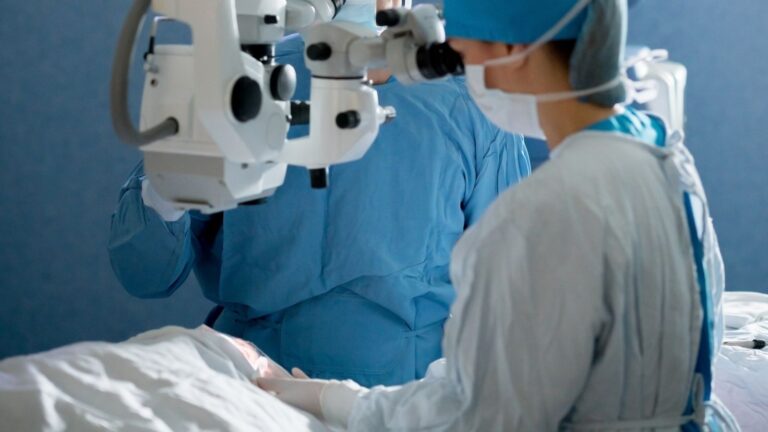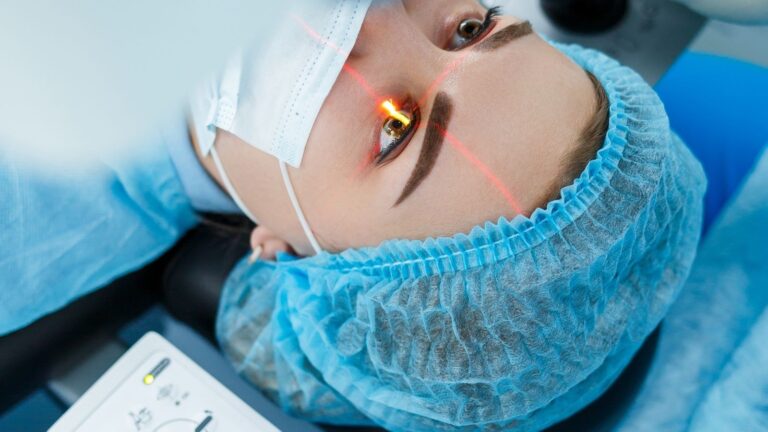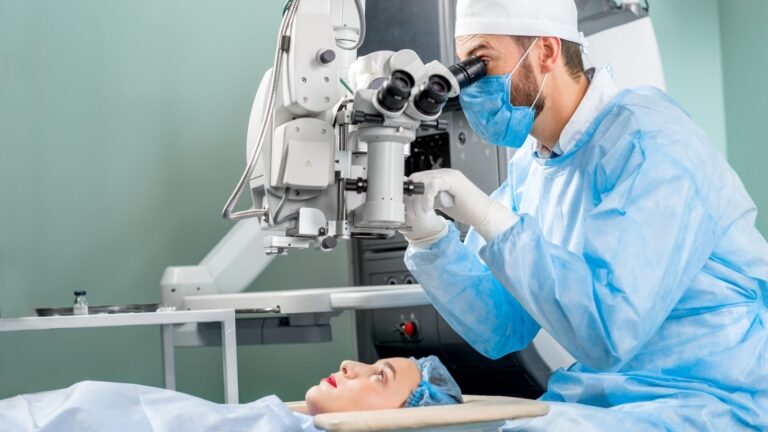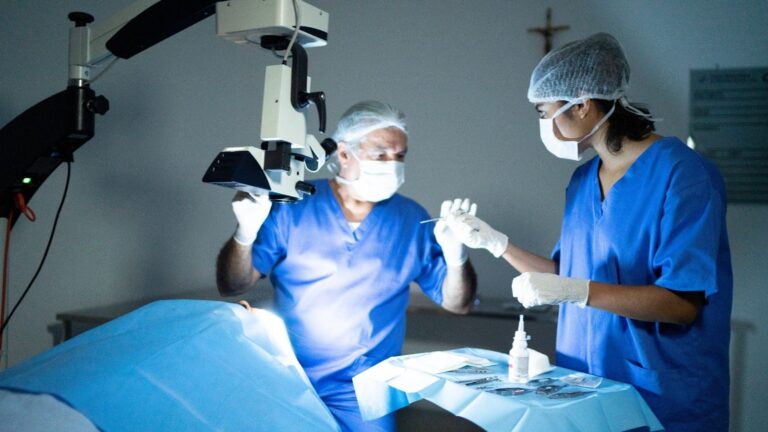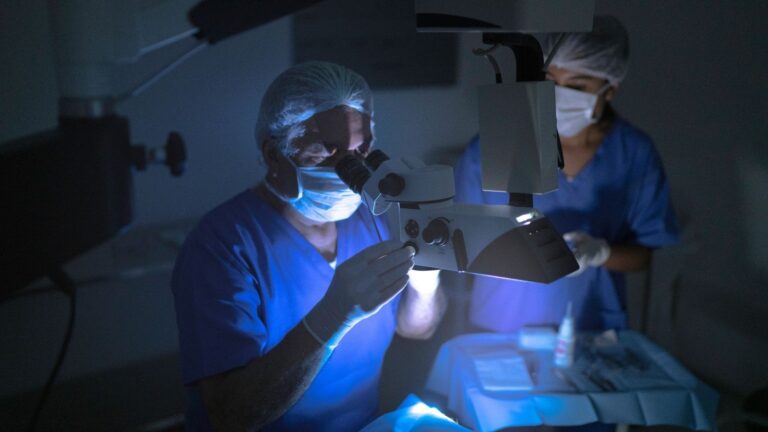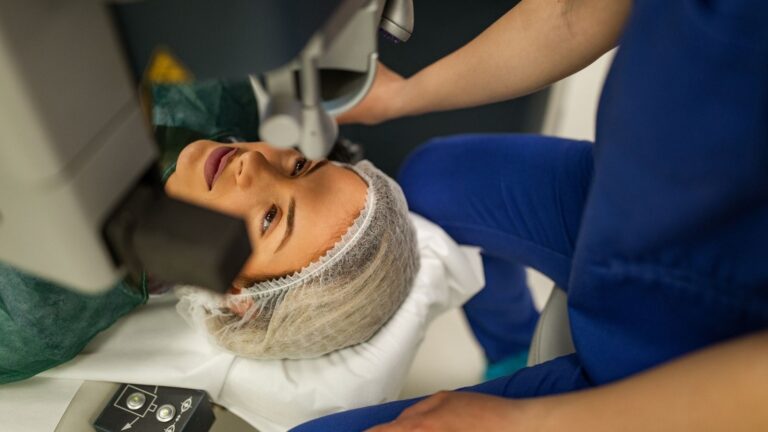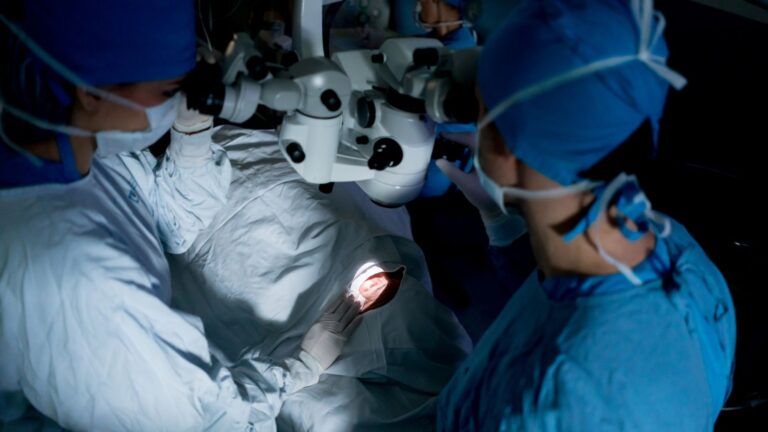

It is generally recommended to wait 3 to 5 days before showering after laser eye surgery or cataract surgery. This period is important for protecting the eye against the risk of infection and ensuring that healing progresses safely.
Water should not enter the eye during the postoperative period. For this reason, during the first few weeks, the head should be tilted backward while showering and direct contact between the eyes and water should be avoided. Irritating substances such as soap and shampoo should also be kept away from the eyes.
In some cases, the recommended waiting period may be extended based on the doctor's advice. Individual recommendations may vary depending on the patient's eye structure, the type of operation, and the healing process. The doctor's instructions should therefore be followed.
Following hygiene rules plays a critical role in preventing postoperative complications. Using prescribed eye drops regularly and protecting the eye support a successful healing process.
The first 24 to 48 hours after laser eye surgery, which may include different methods such as LASIK, SMILE, or PRK, are a particularly critical stage of the healing process. During this period, the eye may be as sensitive as a newly closed incision. Just as we try to prevent excessive water exposure while allowing a cut on the skin to heal, similar care should be taken with the eye. The aim is to minimize the risk of infection by preventing microbes or chemicals carried by water from coming into contact with the eye.
It is generally recommended not to shower at all during the first 24 hours after surgery. During this period, it is important to protect the eye from external factors as much as possible. Showering may usually begin from the second day. However, the most important precaution is preventing water from coming into direct contact with the eye. It may be necessary to keep the eyes tightly closed or tilt the head slightly backward while showering so that water does not flow directly onto the face and eye area. Choosing lukewarm or moderately warm water instead of hot water may also help prevent irritation caused by heat and steam.
After one week, most people can return to a more "normal" shower routine if they have not experienced any eye sensitivity. However, the eye does not heal at the same rate in every individual. Some people feel comfortable within a few days, while others may require a little more time. The healthiest approach is to continue protecting your eye and pay close attention to the signals given by your body, particularly your eye.
Cataract surgery is performed to correct vision loss caused by the natural lens of the eye losing its transparency. During the operation, the cloudy natural lens is replaced with an artificial lens. A small incision remains in the eye after surgery, and this incision requires time to heal. Just as you would try to keep a small wound dressing out of the water, excessive water exposure should be avoided at the healing site in the eye.
In general, washing the body below the neck is considered safe on the day after surgery. However, protecting the eye area remains extremely important. Avoiding washing your face or taking a full shower during the first 24 hours may contribute positively to the healing process. When it comes to washing the head or hair, it may be appropriate to avoid washing your hair in a way that could bring water into direct contact with the eye for approximately one week. If washing your hair is urgent and cannot be postponed, tilting your head backward as much as possible or asking another person to wash your hair using a "salon sink" method can help prevent water from entering the eye.
Extra care should also be taken to prevent shampoo or soap suds from splashing into the eye while showering. The chemicals in these products may irritate an eye that is sensitive during the healing stage. If everything is progressing well at the medical examination, restrictions are generally relaxed after one week to 10 days. After all, keeping the eye away from microbes and irritants is just as important as maintaining personal hygiene during a healthy recovery.
Washing the hair can be one of the most difficult parts of showering because controlling the water is harder, particularly when there is a risk of it splashing into the eye. Washing your hair just one day after laser eye surgery generally does not cause a major problem, provided that adequate protective measures are taken. The main consideration is preventing water and shampoo from coming into contact with the eye.
An ideal solution is to tilt your head backward so that the water runs toward the back of your hair or ask a family member or friend to help wash your hair while your head remains tilted backward, as it would at a hair salon. Clear eye shields sold in pharmacies or stores may also provide a more practical option. Keeping the eyes closed alone may not be sufficient because the skin around the eyes is also sensitive, and water or foam reaching this area can easily enter the eye.
It may still be worth postponing hair washing on the first day. If your eye is particularly sensitive or you have mild redness or a burning sensation, it would be more sensible to wait until the following day. Remember that being overly cautious generally helps protect against harm, and this situation is a good example.
Bathing below the neck after cataract surgery requires careful attention to every detail. Washing below the neck is considered safer because it is farther away from the eye area. However, it is still necessary to ensure that water and steam do not rise or splash into the eye.
On the first day, localized cleaning or wiping the body with a damp cloth may be preferable to taking a full shower. From the second day onward, washing below the neck with water that is not too hot can be planned in a way that minimizes contact between water and the eyes. Short, lukewarm showers are a much safer option than long, steamy baths during this period. Steam may increase moisture and temperature around the eyes, potentially causing irritation or creating an environment suitable for microbial growth. It is therefore advisable to avoid extremely hot water and heavily steamed environments during the first week after cataract surgery.
After surgery, the eye naturally becomes more vulnerable to microbes and irritation. Just as you would try to protect the seams of a newly sewn pair of trousers during the first few days, the surgical incision or tissue in the eye should be protected with similar care. The greatest danger is the risk of bacteria, viruses, or other microorganisms in the water entering the eye.
Even tap water may sometimes contain potentially harmful microscopic organisms. During the period when the eye surface has not yet healed completely or its protective layer has weakened, these microbes may easily enter the eye. This can result in serious infections and, in some cases, permanent vision loss. Because laser surgery may involve creating a thin corneal "flap," contact with water before this area has fully healed may cause the flap to move or become infected. Similarly, after cataract surgery, the incision through which the artificial lens was placed remains at risk.
The risks associated with water entering the eye are not limited to infection. Soap, shampoo, or other chemicals may cause irritation or a burning sensation. This irritation may slow the healing process and may even require additional treatment following a medical examination. This is why keeping the eyes away from water as much as possible during the postoperative period is vitally important.
Showering during the days following laser eye surgery or cataract surgery generally requires a "safe but cautious" approach. The first precaution is to prevent water from coming into direct contact with the eye. Tilting your head backward and directing the showerhead toward your body can be very helpful. If possible, using an adjustable showerhead and reducing the intensity of the water flow may also carry less risk for the eye.
It is also important to be selective when using soap and shampoo, particularly during the first few weeks. Products made with more natural ingredients or for sensitive skin may be preferred over products containing strong chemicals that could irritate the eye upon contact. The water should be kept lukewarm. Very hot water may produce steam and irritate the eye while also causing excessive skin dryness or redness. Avoiding unnecessary risks is the best strategy, particularly during this sensitive period.
The face and eye area should be treated gently when drying off after a shower. Instead of rubbing the eyes or applying pressure with a towel, drying the area with light dabbing motions is healthier. A healing eye is much more susceptible to irritation caused by pressure or friction.
The most critical period after laser eye surgery is the first week of recovery. During this period, the eye is like a fresh scab and is considerably more vulnerable to contact, impact, or microorganisms. Certain restrictions should therefore be observed while showering.
On the day immediately following surgery, localized body cleaning may be preferred to a full shower. Every effort should be made to prevent the eyes from coming into direct contact with water. Activities with a high risk of water reaching the eyes, such as washing the face or long hair, should be postponed for a few days if possible. If postponement is not possible, these tasks may be made safer by obtaining assistance or using special eye shields.
Swimming pools, the sea, Turkish baths, and saunas should be strictly avoided during the first week. Water, heat, and humidity in these environments create a significant risk while the eye remains vulnerable to infection. Intense steam or heat may increase eye redness and irritation. Waiting approximately one month before resuming these activities is generally considered safer. Naturally, the healing rate varies from one person to another. The process should therefore be monitored according to individual symptoms and regular medical examinations.
Laser eye surgery and cataract surgery are both performed on sensitive eye tissues, but the two operations focus on different areas and use different techniques. During laser eye surgery, refractive errors are corrected by treating the upper layers of the cornea. It is therefore important to keep the corneal incision, particularly the flap created during LASIK, away from water and protect it from forceful movements during the first few days. Precautions to prevent water from coming into direct contact with the eye while showering should be followed particularly carefully after laser surgery. Because the first 24 to 48 hours are especially critical, restrictions regarding face washing or taking a full shower may be stricter than those following cataract surgery.
During cataract surgery, an artificial lens is implanted inside the eye. The natural lens is removed and replaced, creating a small incision. Although showering below the neck may appear permissible on the first day after surgery, extreme care must still be taken because water may splash into the eye area. The period between the first 24 hours and one week after cataract surgery is generally when the eye is most vulnerable to external factors. Restrictions may be broader or more limited than those following laser surgery because each cataract case differs according to the patient's general condition, the type of lens, and the size of the incision.