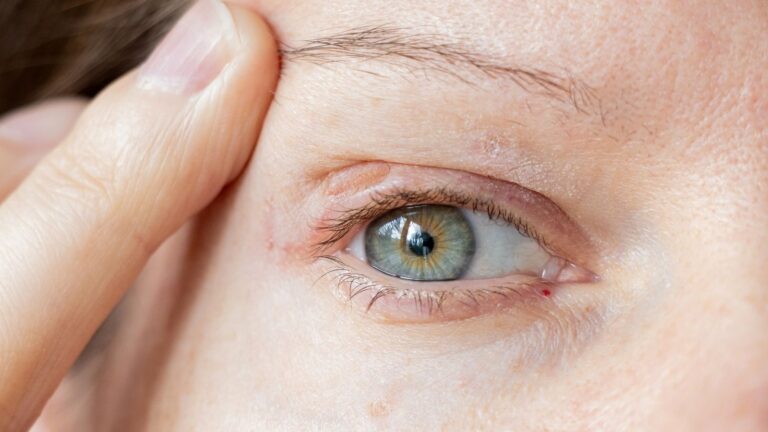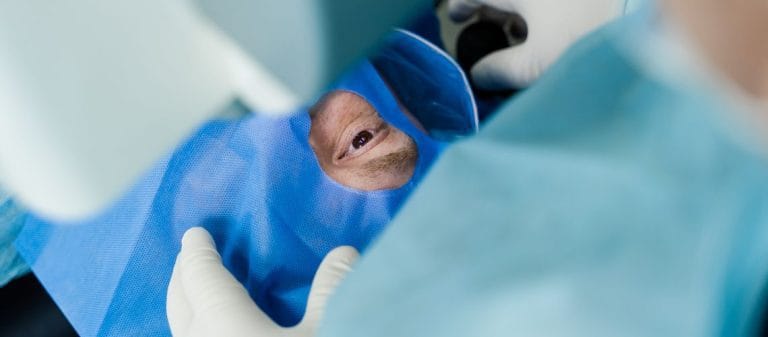

Swelling after blepharoplasty is a normal sign of the healing process caused by surgery. It is usually most noticeable during the first few days, decreases considerably within 1-2 weeks, and gradually disappears completely.
The rate at which swelling subsides can vary from person to person. The duration depends on factors such as age, skin structure, the extent of the surgery, and the individual's healing rate.
During recovery, cold applications, keeping the head elevated, and using medications recommended by the physician can help the swelling subside more quickly. Regular follow-up examinations also support the process.
Prolonged or unilateral swelling should be evaluated for possible complications. In such cases, a physician should be consulted so that potential problems can be identified and treated early.
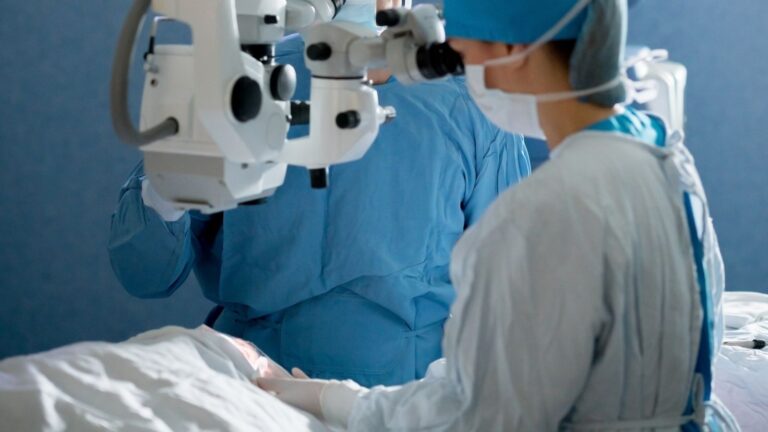
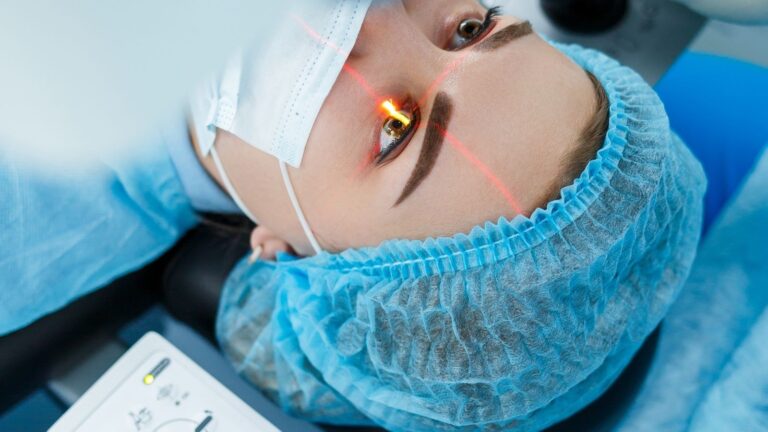
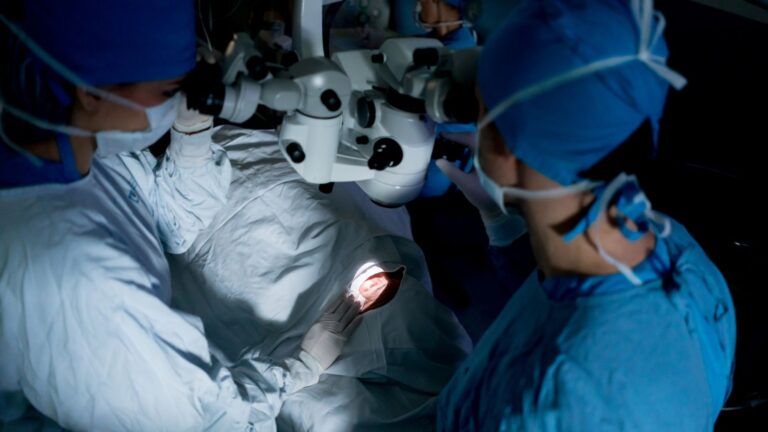
During surgery, various incisions and manipulations are performed in layers such as the skin, muscle, and fatty tissue. In upper eyelid surgery, for example, excess skin and fat pads are usually removed, and the underlying muscle tissue may sometimes be reinforced. In lower eyelid surgery, the tissues are treated through transconjunctival or transcutaneous approaches. Like the skin reacting after a hand has remained in ice for a long time, this procedure results in dilation of the capillaries, slowing of lymphatic flow, and fluid accumulation between the tissues. The tissue collects fluid as a protective response, allowing it to act as a shock absorber. As a result, swelling may develop around the eyelids and sometimes extend down to the cheeks.
The underlying mechanism of swelling can be summarized as follows:
- Inflammation: An increase in immune cells, signaling molecules called cytokines, and other enzymes at the site of injury. Surgery is a form of controlled injury.
- Fluid Accumulation: Plasma fluid leaks into the spaces between tissues because of increased capillary permeability.
- Slowed Lymphatic Drainage: Fluid is retained in the tissues because of temporary blockages or reduced flow in the lymphatic channels.
In many cases, swelling increases during the first three days after surgery. This can be compared to the swelling that develops to protect the knee after an injury. After approximately 72 hours, the body usually begins to reabsorb the accumulated fluid gradually and activates its cellular repair mechanisms.
- First 72 Hours (Days 1-3): Swelling and bruising are most intense during this period. Severe swelling may cause concern in some patients. However, this process is expected as part of the body's natural response.
- First Week (Days 4-7): Swelling begins to decrease noticeably after the second or third day. Discoloration around the eyes may change from purple to yellow-green tones. This indicates that the bruising has entered the healing stage. Returning to work and participating in light social activities are often possible during this period.
- Second Week (Days 8-14): Most of the swelling and bruising has subsided, although it may not have disappeared completely. Mild swelling upon waking may decrease toward the evening. This can occur in any surgically treated tissue.
- Third and Fourth Weeks (Days 15-28): Swelling is much milder during this period. The feeling of firmness or tightness when the area around the eyes is touched gently decreases. The person begins to feel more comfortable socially.
- First Month and Beyond: After the first month, most of the swelling has usually subsided. However, complete recovery may take 2-3 months in patients with thinner skin or additional medical problems.
The question, "How long does it take for incision scars to fade?" may also arise. Although this varies according to skin structure, incision scars usually begin to fade within a few weeks and become significantly less noticeable within 3-6 months. In some cases, the maximum degree of scar fading is reached after one year.
Sometimes swelling may persist longer than expected. Like a car tire with a small puncture that continuously loses air, the eyelid tissues may continue to accumulate fluid internally. Possible underlying causes include:
- Hematoma: When blood accumulates beneath the eyelid, swelling becomes more persistent and may sometimes be accompanied by pain.
- Infection: If an infection caused by microorganisms develops, symptoms such as redness, increased warmth, and discharge may occur. In this case, the swelling may take longer to resolve.
- Smoking: Smoking constricts blood vessels and reduces tissue oxygenation. This decreases the efficiency of the lymphatic system, prolongs healing, and may cause persistent swelling.
- Hypertension or Diabetes: Wound healing is delayed in people with high blood pressure or diabetes. Swelling may subside more slowly in these patients.
As with every surgical procedure, patient-specific factors such as age, sex, skin thickness, and additional medical conditions are considered after blepharoplasty.
A cold compress, one of the methods that can be used after surgery, can be compared to ice treatment used for sports injuries. When someone sprains an ankle or injures a knee, the first action is often to calm the area with ice. Cold compresses on the eyelids work through similar mechanisms:
- Vasoconstriction: Blood vessels constrict when exposed to cold. Blood flow to the area decreases, and the leakage of fluid that contributes to swelling is significantly limited.
- Reduced Metabolic Rate: The energy requirements of cells in the cooled area decrease, partially slowing the inflammatory response.
- Pain Control: Cold produces a numbing effect and relieves pain by slowing nerve signals.
Several basic principles should be kept in mind when applying a cold compress:
- Duration: It is generally preferable to apply it several times a day for no longer than 10-15 minutes at a time.
- Protective Layer: Direct contact with ice should be avoided. A thin cloth or cotton fabric can help protect the skin.
- First 48 Hours: Inflammation is at its peak during this period. The benefits of cold compresses are most noticeable during the first 2-3 days.
Keeping the head above heart level while sleeping or resting helps control swelling after blepharoplasty. The effect of gravity on fluid distribution can be understood by considering the difference between keeping a water-filled balloon at the lowest point and holding it higher. When the head is elevated, accumulated fluid is removed from the tissues relatively more quickly because blood vessels and lymphatic channels can drain more easily.
- Pillow Use: Sleeping with two or three pillows instead of one may help control swelling, particularly during the first few nights.
- Rest Periods: Remaining upright for short periods during the day also supports lymphatic drainage. Spending long hours completely horizontal makes it easier for swelling to accumulate around the eyes.
Lifting heavy objects, performing strenuous exercise, or working in a bent-over position for extended periods increases blood pressure around the eyes. This can be compared to bending or stepping on a hose to increase water pressure. When blood pressure rises, the risk of fluid leaking from the blood vessels increases, potentially worsening swelling. Therefore:
- Strenuous Exercise: Running, weightlifting, and activities that significantly increase the heart rate are generally considered unsuitable during the first 2-3 weeks.
- Saunas and Hot Environments: High temperatures can dilate blood vessels and worsen swelling.
- Screen Use That Strains the Eyes: Prolonged reading, intensive computer use, or focusing on screens can cause dryness and irritation. This may indirectly slow tissue healing.
- MgSO₄ (Magnesium Sulfate) Soak / Compress
Some studies state that magnesium sulfate compresses, also known as Epsom salt compresses, may help reduce swelling in tissues. Like the relief sometimes experienced in wounds or swollen areas after entering seawater, magnesium sulfate baths are explained through a similar principle. These externally applied compresses may have the following effects:
Osmotic Removal of Fluid: They may help draw accumulated fluid out of the tissues.
Muscle-Relaxing Effect: Magnesium ions may relax the muscles and relieve tension in the area.
- Kinesio Taping (KT)
Kinesio tapes, which are used to increase lymphatic circulation, may help swelling subside when applied correctly. Special tapes applied with light tension increase the space between the skin and muscle, facilitating the flow of lymphatic fluid. This can be compared to opening a new lane for slow-moving traffic. Although some scientific studies of Kinesio Taping have methodological limitations, experimental data and patient feedback have been reported positively.
- Massage and Lymphatic Drainage Techniques
Gentle lymphatic drainage massages performed by trained professionals help remove excess fluid from the tissues. This can be compared to gently adjusting a hose under pressure to regulate the flow of water. However, massage techniques must be used carefully, and aggressive movements around the eyes must be avoided.
As with every operation, the surgical approach used plays an important role in the duration and degree of swelling:
- Upper Blepharoplasty: This procedure, characterized by removing skin and excess fat, generally heals more quickly. Swelling usually decreases considerably within 10-14 days. A more comfortable recovery can be expected, particularly if the muscle and connective tissues have not been manipulated excessively.
- Lower Blepharoplasty (Transcutaneous Approach): When the skin and muscle tissue of the lower eyelid are accessed through an external incision, a relatively larger tissue surface is manipulated. Swelling is therefore usually more noticeable, and the recovery period may feel slightly longer.
- Lower Blepharoplasty (Transconjunctival Approach): Excess fat is removed or repositioned through an incision made inside the eyelid. Because there is no external incision, this method is generally considered more advantageous in terms of both scarring and swelling. Swelling is less pronounced, and the recovery period is relatively shorter.
A wound that does not seem to heal or swelling that persists much longer than expected can cause concern. Instead of panicking immediately, however, attention should be paid to the following symptoms:
- Increasing Pain and Warmth: If swelling is accompanied by a noticeable increase in pain and warmth of the skin, an infection may be suspected.
- Redness and Yellow or Green Discharge: These signs of inflammation may indicate an infection that needs to be brought under control.
- Pronounced Unilateral Swelling: If both eyes were operated on, swelling is usually symmetrical to some extent. If one eye is significantly swollen while the other has almost no swelling, the possibility of a complication should be evaluated.
- Systemic Symptoms: High fever, general weakness, and headache may suggest a surgical-site infection or another complication.
If one or more of these symptoms are observed, immediate medical evaluation may be necessary. Problems detected at an early stage can prevent more serious long-term complications.
- Proper Nutrition and Adequate Fluid Intake
Following a diet rich in protein, vitamins, and minerals after surgery directly supports healing. Vitamin C helps accelerate wound healing by contributing to collagen synthesis in the tissues. It may also be beneficial to limit caffeinated beverages and alcohol. Excessive salt consumption should also be avoided because salt increases water retention and may delay the reduction of swelling.
- Sleep and Rest Routine
Getting enough sleep after eyelid surgery gives the body time to carry out its natural healing processes. Particularly during the first few weeks, brief periods of rest around midday help reduce the burden on the tissues around the eyes.
- Medication Use
It is very important to use painkillers, antibiotics, or infection-preventing eye drops prescribed by the physician regularly. Blood-thinning medications may increase swelling and bruising, so medical advice must be obtained regarding their use.
- Eye Hygiene
Hand hygiene is extremely important. Washing the hands before touching the area around the eyes reduces the risk of microbial contamination. Contact lens use should be postponed until approved by the physician. Wearing contact lenses may stretch the eyelids and irritate the tissues.
- Wound Care and Sutures
Crusting in the area after the sutures have been removed is normal. The crusts should not be disturbed or pulled off and should be allowed to fall away naturally. If an adhesive bandage or dressing is required, it should be changed according to the frequency and method recommended by the physician.
Certain steps taken before and after surgery may reduce the duration and severity of postoperative swelling:
- Stopping or Reducing Smoking and Alcohol Consumption: Stopping smoking several weeks before surgery positively affects vascular health. Similarly, reducing alcohol consumption improves the body's healing capacity.
- Managing Blood-Thinning Medications: If blood-thinning medications such as aspirin are being taken, they may need to be discontinued or changed before surgery. This process must be managed under medical supervision.
- Vitamin and Mineral Supplements: Multivitamins and particularly vitamin C supplements may be taken before and after surgery if necessary.
- Rest and Cold Compresses During the First Few Days: Swelling is most intense during the first few days after surgery. During this period, applying cold compresses at regular intervals, resting, and keeping the head elevated are essential.
- Regular Follow-Up Examinations: The condition of the wound should be monitored closely by attending scheduled follow-up appointments. This allows complications detected at an early stage to be treated more easily.
- If swelling, pain, redness, and discharge worsen with each passing day,
- If systemic symptoms such as a fever of 38°C or higher and chills develop,
- If noticeable vision loss or double vision develops without an apparent cause,
- If bruising around the surgical site increases dramatically or symptoms such as a skin rash or severe itching occur,
medical evaluation should be sought without delay. When possible risks associated with surgery, such as infection, hematoma, or separation of the sutures, are brought under control quickly, the risk of long-term complications decreases considerably.
Final Assessment
- Swelling after blepharoplasty is considered a natural part of the procedure. Swelling is most intense during the first three days after surgery and usually begins to decrease noticeably within approximately one week. By the end of the first month, the eyelid has largely returned to its previous shape in most cases. However, just as every person's body is different, the duration and degree of swelling vary from person to person.
Important points that patients should consider during this process include:
- Sleeping with the head elevated,
- Applying cold compresses regularly,
- Following the physician's medication and care instructions precisely,
- Temporarily avoiding activities that can increase swelling, such as exercise and sauna use,
- Avoiding smoking and alcohol as much as possible,
- Paying attention to nutrition, drinking plenty of water, and increasing vitamin intake.
If swelling persists for a long time despite all these measures, or signs of infection or another complication develop, prompt medical assistance should be sought. With appropriate care and careful follow-up, swelling after blepharoplasty can be brought under considerable control. This supports a satisfactory and safe recovery from both aesthetic and functional perspectives.