Contents:
Cataract surgery prices vary depending on the type of lens used, the hospital's equipment, and the surgeon's experience. Therefore, there is no standard fee, and individual needs play a decisive role.
Standard monofocal lenses are more affordable, while trifocal and toric lenses are more expensive. The patient's expectations and visual needs directly affect the price.
Surgery performed in private hospitals may cost more due to the technologies used and additional services provided. Some expenses may be covered by social security.
The most important criterion in determining the price is the quality of vision achieved in the long term. Choosing the right lens and a reliable medical center increases both the success and economic value of the surgery.
What Are the Types of Cataract Surgery and How Do They Affect the Cost?
Cataract surgery techniques are examined under two main categories based on technological developments and differences in surgical practice. Both methods aim to treat cataracts safely, but they differ in terms of the equipment used, recovery time, and cost.
Cataract Surgery Techniques:
- Phacoemulsification
- Femtosecond Laser-Assisted Cataract Surgery (FLACS)
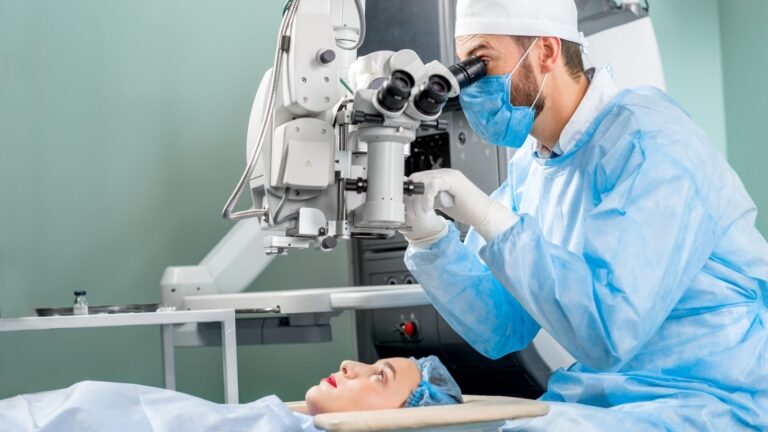
The phacoemulsification technique uses ultrasound energy to break up the lens and remove it through a small incision. It generally offers a rapid recovery and is considered more affordable. The surgeon's expertise increases the success rate of this method because the procedures are performed manually. It provides a safe and effective solution for most standard cataract cases.
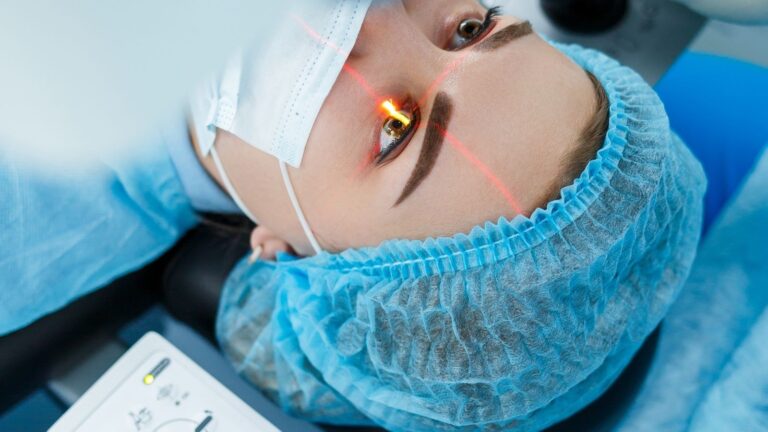
FLACS automates certain stages of the surgery using laser technology. However, the high cost of the laser equipment increases the overall price. Particularly in dense cataracts, it may improve precision and accuracy while reducing the risk of complications.
In addition to the selected surgical technique, prices vary according to the quality of the lens used, the surgeon's experience, and the facilities available at the healthcare institution where the procedure is performed.
How Does the Choice of Intraocular Lens (IOL) Affect Cataract Surgery Prices?
The choice of intraocular lens (IOL) plays a decisive role in the cost of cataract surgery. Standard monofocal lenses are the most affordable option and provide clear vision only at a distance. However, special lens types are available at a higher price for those seeking enhanced visual quality. Premium IOLs with advanced technology provide vision at different distances and reduce the need for glasses. Some of these lens types are listed below:
- Monofocal lenses, single-focus lenses for distance vision only
- Bifocal lenses, two-focus lenses for distance and near vision
- Trifocal lenses, three-focus lenses for distance, intermediate, and near vision
- EDOF lenses, extended depth of focus lenses for distance, intermediate, and limited near vision
- Toric lenses, lenses that can also correct astigmatism
These advanced lens types have been developed to provide better visual quality in addition to standard cataract surgery. However, because they are more expensive, they are generally not covered by insurance.
How Do the Choice of Hospital and Surgeon Affect Cataract Surgery Costs?
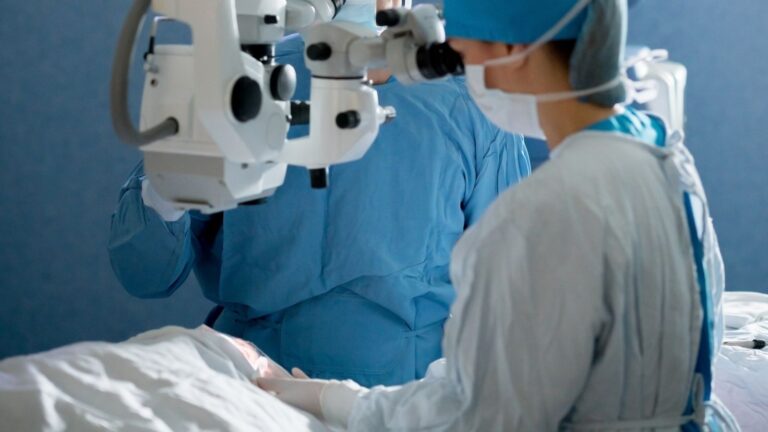
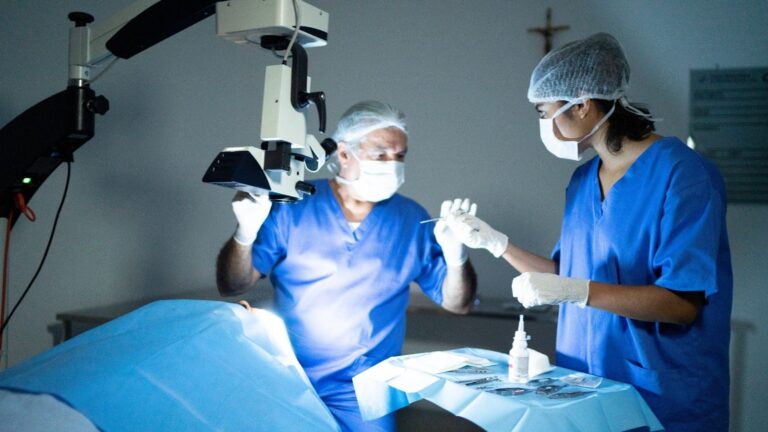
The choice of hospital and surgeon is among the main factors that directly affect cataract surgery costs. The effect of this choice on cost is related to the surgeon's experience, the technical equipment of the facility where the surgery is performed, and the quality of the services provided. Choosing an experienced surgeon generally results in a higher cost because these specialists achieve high success rates with lower complication rates. Experienced surgeons are particularly necessary for procedures involving the implantation of advanced intraocular lenses (IOLs), which increases the cost.
The quality of the hospital or surgical facility also plays a decisive role in pricing. Private eye clinics and surgical centers with advanced technology are equipped with modern devices, such as laser-assisted systems, and ensure patient safety through strict infection control measures. While these features support the patient's recovery, they also increase the cost.
Preoperative and postoperative care is another factor that should be considered in pricing. Comprehensive evaluations, personalized lens selection, and detailed follow-up consultations increase patient satisfaction. Although these specialized services increase costs, they contribute to the long-term success of the operation.
How Does the Patient’s Eye Health Affect the Price of Cataract Surgery?
The patient's current eye health can significantly affect the price of cataract surgery. For example, eye conditions such as glaucoma, diabetes, uveitis, and corneal diseases require additional treatment processes that increase the cost of surgery. In patients with glaucoma, the management of intraocular pressure and, in some cases, procedures combined with glaucoma surgery may increase the cost of the operation. Similarly, in conditions such as diabetes and zonular damage, the pupil may not dilate sufficiently during surgery, which can make the procedure more difficult. For this reason, much more successful results can be achieved in such cases when surgery is performed by experienced hands. Corneal diseases may require corneal transplantation or specialized lens calculations. In addition, if the patient has previously undergone laser refractive surgery, highly detailed formulas must be used to calculate the dioptric power of the lens to be implanted, and the surgeon must have extensive experience.
What Are the Costs of Preoperative and Postoperative Care in Cataract Surgery?
Preoperative and postoperative care costs in cataract surgery are necessary for the successful performance of the operation and to ensure an optimal recovery process. These costs include a series of evaluations and treatments adapted to the patient's eye health. In particular, medications, examinations, and consultation services are intended to prepare the patient for surgery and support recovery afterward.
- Medical evaluation
- Biometric measurements
- Intraocular pressure monitoring
- Systemic health assessments
- Antibiotic eye drops
- Pupil-dilating eye drops
- Postoperative eye shield
- Antibiotic-steroid eye drops
- Follow-up examinations
- Corneal and intraocular lens evaluation
- Treatment of elevated intraocular pressure
Factors such as the management of complications that may occur during cataract surgery and the cost of additional imaging should also be considered. Particularly in individuals with additional conditions such as diabetes, the need to treat long-term problems such as posterior capsule opacification may affect postoperative costs.