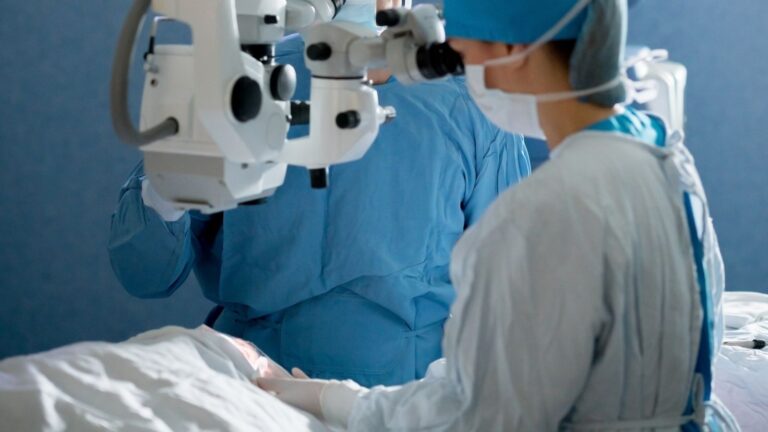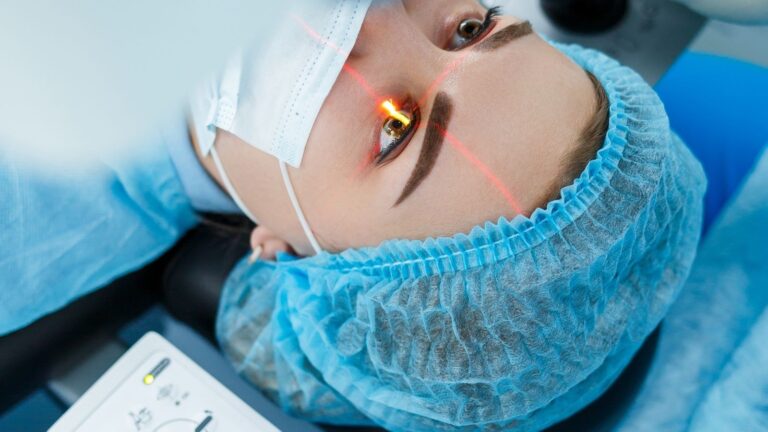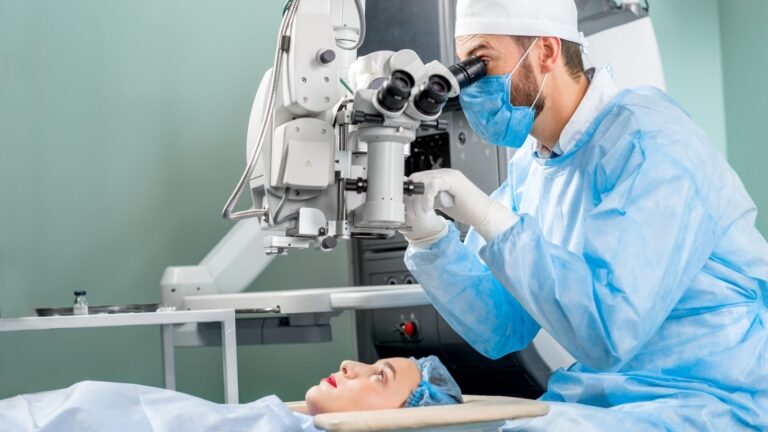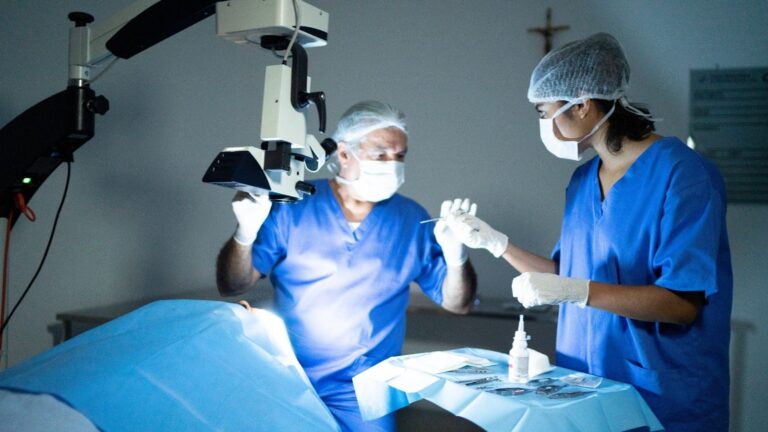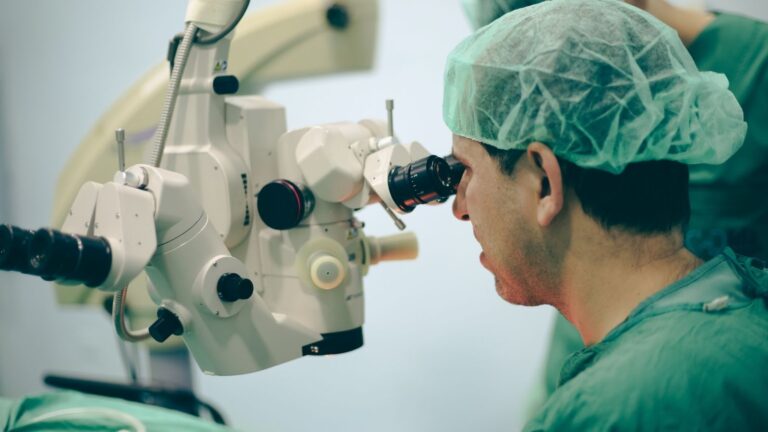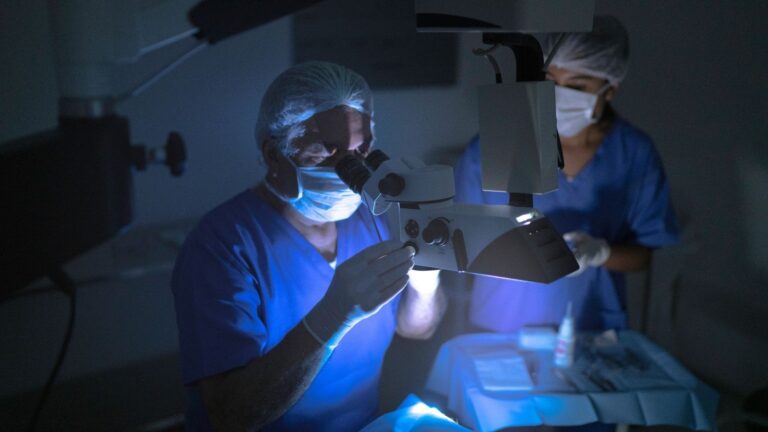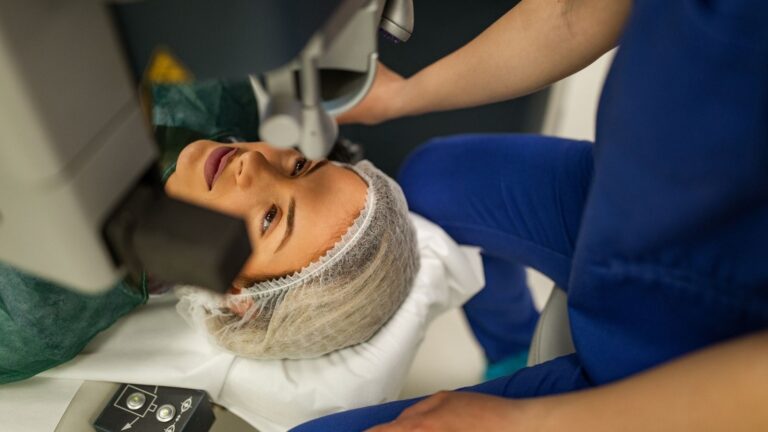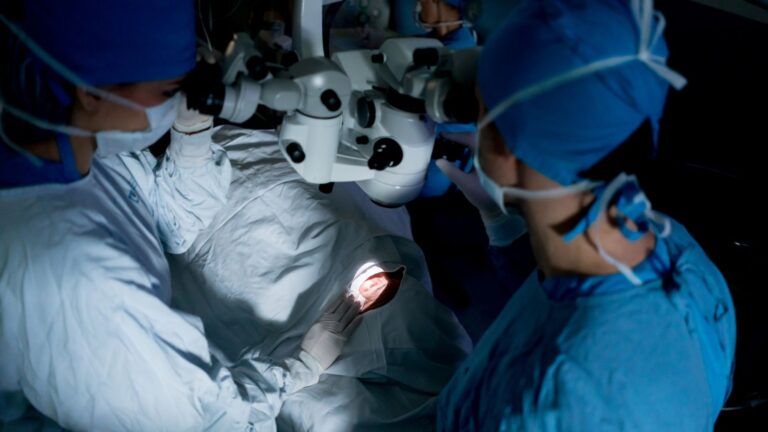

Smart lenses are multifocal artificial lenses implanted in the eye during cataract surgery. While standard lenses are covered by the Social Security Institution, or SGK, in public hospitals, smart lens procedures are generally excluded from coverage. Patients may choose these lenses by paying the additional cost.
Smart lenses reduce dependence on glasses by correcting both distance and near vision. They are particularly preferred by patients who want to improve their quality of life. However, they may not be suitable for every patient and require a detailed examination.
Although smart lens procedures may be performed in public hospitals, the cost is paid entirely by the patient. Patients should therefore be informed about costs and expected results before making a decision.
Lens selection should be personalized according to the patient's eye structure and visual needs. The most appropriate decision should be made following an examination by a specialist.
The Social Security Institution, or SGK, does not cover the cost of smart lens surgery. Smart lenses are generally preferred for cosmetic or refractive purposes, so they are not included in SGK coverage. Instead, SGK covers the cost of certain lenses only under specific circumstances involving medical necessity.
Covered cases include:
- Standard monofocal lenses
- Congenital cataract cases
- Cases in which visual acuity is insufficient because of keratoconus
Smart lenses are distinguished by their multifocal or trifocal features and aim to address both distance and near vision problems simultaneously. However, these lenses are relatively expensive and do not fall within the scope of medical necessity on which SGK coverage focuses. Patients planning to undergo smart lens surgery must cover these expenses themselves, even if the procedure is performed in a public hospital.
SGK policies concerning lenses generally focus on medically necessary treatments and exclude procedures intended to improve comfort or quality of life. Consequently, advanced technology products such as smart lenses cannot be obtained with government support. However, monofocal lenses covered by SGK may be used during standard cataract surgery performed by specialist physicians in public hospitals.
Certain criteria must be met to undergo smart lens surgery in a public hospital. These criteria are based on factors such as the patient's eye health, general health, and postoperative expectations. The following criteria are considered when identifying suitable candidates:
- Age: Being 40 years of age or older
- Vision problem: Having presbyopia or cataracts
- Eye health: Not having additional eye diseases such as glaucoma, macular degeneration, or diabetic retinopathy
- Condition of the cornea and retina: Being structurally suitable for surgery
- Pupil dilation: The pupil must be capable of dilating sufficiently
A detailed eye examination is required to determine suitability for surgery. The patient's general health is also considered. Serious health problems such as uncontrolled diabetes may affect the success of the operation. Patients who want smart lens surgery should have realistic expectations regarding vision and be properly informed about the process.
Smart lens surgery may be planned at a public hospital following a detailed assessment by a specialist physician. However, these procedures are generally not covered by SGK. Factors such as cost and insurance coverage therefore play an important role in the patient's decision. Although private healthcare institutions are preferred more frequently for these procedures, experienced teams can also perform them in public hospitals.
Smart lens surgery is generally performed for a fee in public hospitals. SGK covers only the cost of monofocal lenses used in standard cataract surgery. Smart lenses offer more advanced features and are not included in insurance coverage. Patients must therefore pay the lens cost themselves:
- They provide clear vision at distance, intermediate, and near ranges.
- They are manufactured by various brands.
- Their prices vary according to their features.
- They have a more technologically advanced structure.
Patients considering smart lens surgery in a public hospital should generally contact the hospital directly to obtain details about the total cost. Smart lens prices may vary according to the lens brand and the hospital's pricing policy. These operations may also be offered at more affordable prices in public hospitals than in private hospitals. Nevertheless, the high cost remains a determining factor for many patients.
Waiting times for smart lens surgery in public hospitals vary depending on many factors. Patient volume, the schedules of the specialists who will perform the operation, and the availability of the required materials may affect the waiting period. Waiting times may be longer, particularly in major cities. The process may require more patience and planning in public hospitals:
- Cities with high patient volumes
- Full schedules of specialist physicians
- Procurement times for the required materials
Patients considering smart lens surgery in a public hospital are advised to schedule their appointments early and prepare for possible delays. Additional time may also be required for a detailed preoperative examination and necessary tests. Because the process may take longer than in private hospitals, patients should remain patient and maintain regular communication with hospital officials to obtain information.
Regular checkups after smart lens surgery are very important for protecting eye health and monitoring recovery. Following these operations in public hospitals, postoperative care is planned according to the patient's needs:
- The first checkup is performed within 24 to 48 hours.
- One or two checkups are scheduled during the first week.
- Detailed examinations are performed in the first and third months.
- A checkup is recommended in the sixth month, followed by annual examinations.
During each checkup, the eye is evaluated for signs of infection, correct lens positioning, intraocular pressure, and visual acuity. The patient's adherence to treatment is also monitored. The development of long-term complications such as posterior capsule opacification, or PCO, is assessed. Additional treatments are provided when necessary.
During this period, patients are expected to maintain eye hygiene, use their prescribed eye drops without interruption, and avoid physical strain. They are advised to seek immediate medical attention if symptoms such as sudden vision loss or severe pain develop.