Contents:
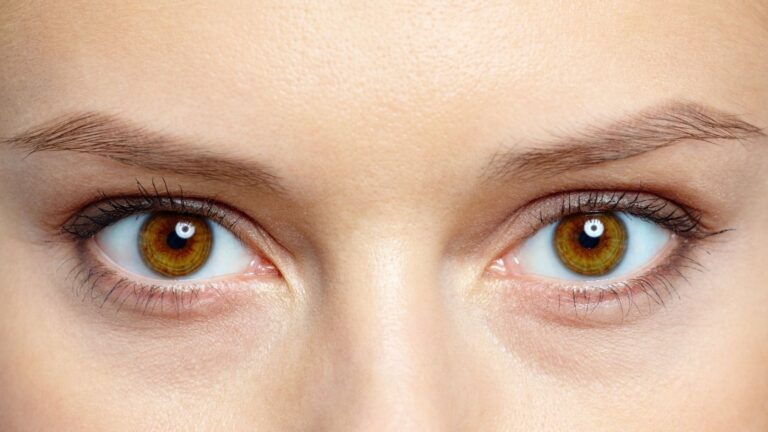
Eye types are anatomical characteristics defined by the structure of the eyelids, the shape of the eye opening and the position of the eyes within the face. Terms such as almond-shaped, round, upturned, deep-set or prominent eyes may be used to describe these characteristics. These classifications alone do not indicate a medical condition or diagnosis. Eye colour and the distance between the eyes are also characteristics that vary between individuals. Myopia, hyperopia and astigmatism are refractive errors assessed independently of eye shape. Each eye structure should be evaluated together with the person's facial anatomy.
How Are Eye Types Classified?
The shape of the upper and lower eyelids is considered when assessing eye type. The relative position of the inner and outer corners of the eye also affects its appearance. The brow bone, eye socket and fatty tissue around the eyes may be included in the assessment. The distance between the eyes and the upper eyelid crease may also vary. However, none of these characteristics alone indicates an ideal or flawed eye structure. Significant anatomical differences may exist even among people within the same classification.
Almond-Shaped Eyes
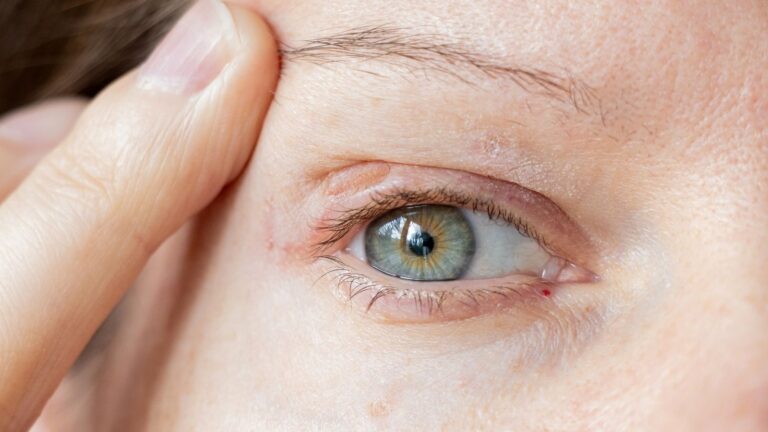
Almond-shaped eyes are a type of eye in which the opening extends horizontally and the inner and outer corners create a balanced appearance. The outer corner may sit slightly higher in some people. However, not every almond-shaped eye has the same corner angle or eyelid structure. This characteristic alone provides no information about visual quality or eye health. Ptosis, dry eye or other eye conditions may also occur in people with almond-shaped eyes. Eye shape should be considered a natural characteristic of the person's facial structure.
Round Eyes
Round eyes are an anatomical characteristic in which the eye opening appears more prominent vertically. In some people with this eye type, a larger area of the ocular surface may be exposed. More of the white of the eye may also be visible around the iris. However, this appearance does not always indicate an eyelid disorder. If more of the ocular surface is exposed, some people may develop dryness or sensitivity to light. When symptoms are present, the position of the eyelids and the tear film are assessed together.
Upturned Eyes
Upturned eyes have an opening that extends horizontally, with the outer corner appearing higher than the inner corner. This characteristic may occur in different populations and facial types. The upper eyelid crease may be less defined in some people. However, the position of the eye corners and the appearance of the upper eyelid crease do not always share the same characteristics. Upturned eyes are not a health problem in themselves. An individual assessment may be required if eyelid changes affect the visual field or if there is significant asymmetry.
The Difference Between Monolid and Hooded Eyes
With monolid eyes, there may be no clearly visible crease in the upper eyelid. This may be a normal anatomical characteristic present from birth. Hooded eyes have an upper eyelid crease, but excess skin or tissue below the eyebrow may partially cover it. Monolid and hooded eyes therefore do not mean the same thing. Neither structure should be considered a medical condition on its own. However, an examination may be required if the eyelid skin narrows the visual field or causes a noticeable feeling of heaviness.
Downturned Eyes
In some people, the outer corner of the eye sits lower than the inner corner. This may be a natural characteristic of the facial structure. Loosening of the eyelid support tissues with age may make the appearance of the outer corner more noticeable. A lower outer corner does not mean that the upper eyelid is drooping. In ptosis, the position of the upper eyelid is assessed separately. If asymmetry develops later or there is narrowing of the visual field, the cause should be investigated.
Prominent Eyes
In some people, the eyeball may naturally appear to sit further forward within the eye socket. However, eyes that become prominent later may be associated with different causes. Thyroid disorders, inflammation around the eyes or other conditions affecting the eye socket should be assessed. Prominence affecting only one eye requires particular attention. Assessment should not be delayed if eye pain, double vision or reduced vision is also present. The need for treatment is determined according to the cause of the forward position of the eye.
Deep-Set Eyes
In deep-set eyes, the eyeball may appear to sit further back in relation to the brow bone. This may create shadows around the eyes and make them appear smaller. In most people, this is a natural characteristic associated with facial structure. The structure of the fatty tissue around the eyes may also affect the appearance. Sudden sinking of the eye or a newly developed difference between the eyes should be assessed separately. Trauma, changes in weight and conditions affecting the eye socket may be associated with this appearance in some patients.
Distance Between the Eyes
The distance between the eyes is one of the individual characteristics of facial anatomy. In some people, the eyes may appear closer together, while in others they may appear further apart. This appearance is usually assessed together with facial proportions. Using the width of one eye as a reference is only an approximate visual assessment. The distance between the eyes alone does not determine visual quality or eye health. A detailed examination may be required if there are congenital differences or significant changes that develop later.
Eyes According to Refractive Errors
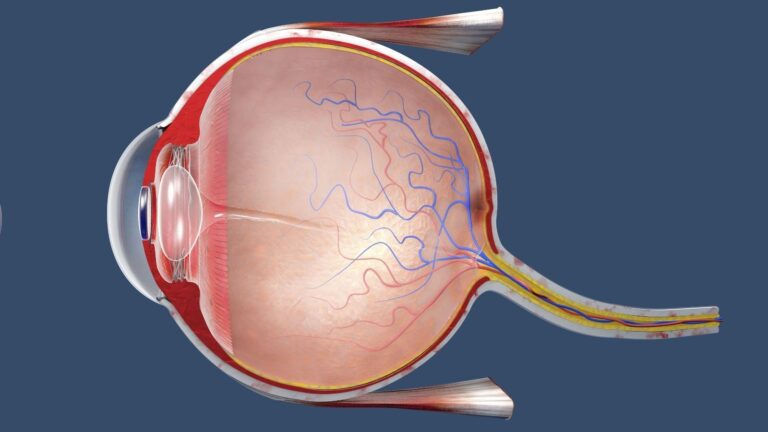
The external appearance of the eye and the way it focuses light are separate areas of assessment. Myopia, hyperopia, astigmatism and presbyopia are associated with refractive or focusing characteristics. Distant objects may appear blurred with myopia, while near objects may be particularly blurred with hyperopia. Astigmatism may cause images to appear shadowed at both near and far distances. Presbyopia is age-related difficulty focusing at near distances. The presence of these conditions is not directly related to whether a person has almond-shaped, round or upturned eyes.
The main refractive errors are:
- Myopia.
- Hyperopia.
- Astigmatism.
- Presbyopia.
Eye Colour and Heterochromia
Eye colour is associated with the amount of melanin in the iris and genetic characteristics. Different colours such as brown, blue, green and hazel are considered part of natural variation. Some people may have eyes of different colours or more than one colour within the same iris. This is known as heterochromia. Congenital heterochromia may not be associated with another health problem in some people. However, changes in eye colour that develop later or differences affecting only one eye may require an examination.
Does Eye Type Change with Age?
The basic anatomical structure of the eye is largely maintained, but the tissues around the eyes may change over time. Loosening of the upper eyelid skin, lowering of the eyebrows or loss of fatty tissue may occur. These changes may make the eyes appear more hooded, sunken or downturned. Some people may develop lower eyelid laxity and dryness of the ocular surface. Not every change in appearance indicates a medical condition. However, an assessment should be performed if the change affects the visual field or eye comfort.
Does Eye Type Affect Eye Health?
Eye type alone does not cause disease. However, some anatomical characteristics may make certain symptoms more likely to develop. Greater exposure of the ocular surface may increase the risk of dryness in some people. Ptosis or significant excess skin may narrow the visual field. The severity of symptoms may differ between people with the same eye structure. Assessment is therefore based not only on external appearance but also on an examination of the ocular surface and eyelid function.
When Is an Eye Examination Needed?
Prominence, asymmetry or eyelid drooping that develops later should be assessed. Narrowing of the visual field, double vision and eye pain are symptoms that should be taken seriously. Changes in eye colour that develop later should also be examined. If there is a sudden decrease in vision or severe pain, the scheduled appointment should not be awaited. Assessments relating to eye structure and visual comfort are made according to individual examination findings. You can contact me using the contact details on my website to arrange an examination appointment.