Contents:
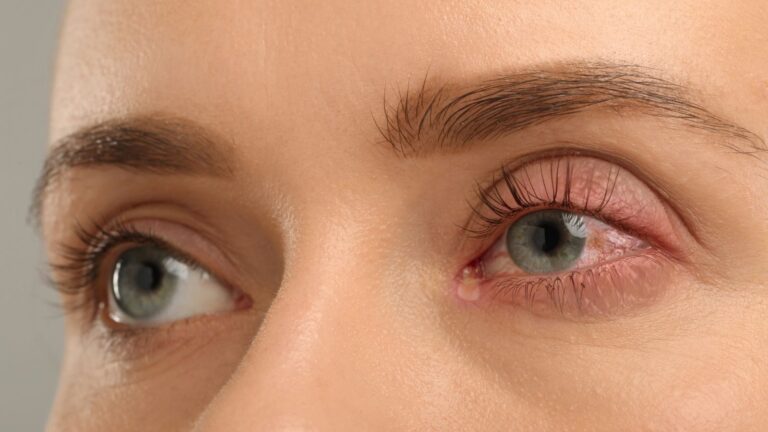
Eyelid margin inflammation is inflammation that develops along the edge of the eyelid and at the base of the eyelashes. Medically known as blepharitis, this condition may be short-lived or develop as a long-term, recurrent problem. Changes in the bacterial balance, dysfunction of the oil glands in the eyelids and certain skin conditions may contribute to its development. Itching, stinging, redness and crusting around the base of the eyelashes are common symptoms. Blepharitis does not always indicate a bacterial infection. Treatment is determined according to the type and cause of the inflammation and its effects on the ocular surface.
What Causes Eyelid Margin Inflammation?
Several factors may contribute to the development of eyelid margin inflammation. Oil, crusts and debris accumulating along the eyelid margin may increase inflammation. Blockage of the meibomian glands or changes in the composition of their secretions may disrupt the lipid layer of the tear film and cause dry eye symptoms. Skin conditions such as seborrhoeic dermatitis and rosacea may accompany blepharitis in some people. An increased concentration of Demodex mites living in the eyelash follicles is also assessed, particularly in recurrent cases.
The main conditions that may be associated with eyelid margin inflammation include:
- Dysfunction of the oil glands in the eyelids.
- Accumulation of bacteria, oil or debris around the base of the eyelashes.
- Seborrhoeic dermatitis, rosacea or eczema.
- Increased Demodex density.
- Inadequate removal of eye make-up.
- Contact sensitivity to cosmetic products or eye drops.
- Irritation and hygiene problems associated with contact lens use.
The presence of one of these factors does not necessarily mean that a person will develop blepharitis. The cause of the symptoms cannot be determined solely by looking at daily habits.
The 3 Main Types of Blepharitis
Blepharitis can be classified as anterior, posterior or mixed blepharitis according to the location of the inflammation on the eyelid. Identifying the type helps with planning eyelid care and medication when required.
Anterior Blepharitis
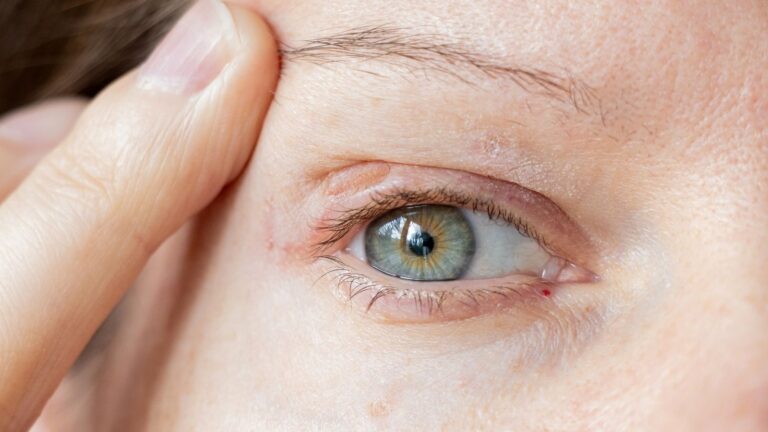
Anterior blepharitis affects the outer edge of the eyelid where the eyelashes grow. Scaling, crusting and redness around the base of the eyelashes may be more noticeable. Bacterial accumulation, seborrhoeic dermatitis and, in some cases, Demodex may be associated with this condition. Forcibly removing the crusts is not appropriate because it may irritate sensitive tissue and cause bleeding.
Posterior Blepharitis
Posterior blepharitis is associated with dysfunction of the meibomian glands in the eyelids. The secretions produced by these glands help limit the rapid evaporation of tears. When the secretions become thicker or the gland openings become blocked, burning, stinging, dry eye and blurred vision that varies throughout the day may occur. Rosacea may accompany posterior blepharitis in some patients.
Mixed Blepharitis
Signs of anterior and posterior blepharitis may occur together in the same person. In this case, both crusting around the base of the eyelashes and blockage of the oil glands may be identified. The treatment plan is created by considering the predominant findings and the condition of the ocular surface.
Symptoms of Eyelid Margin Inflammation
Symptoms of eyelid margin inflammation usually begin with discomfort along the edge of the eyelid. The eyelashes may stick together in the morning, or discharge may accumulate on the eyelids. Changes to the tear film may cause dry eye or reflex tearing due to irritation. The severity of the symptoms and how they change throughout the day may vary according to the type of blepharitis.
Common symptoms include:
- Redness and crusting around the base of the eyelashes.
- Itching, burning or stinging.
- A gritty, foreign body sensation in the eye.
- Discharge and eyelids sticking together in the morning.
- Eyelid tenderness or mild swelling.
- Dry eyes or watering.
- Sensitivity to light.
- Temporary blurred vision that may change with blinking.
Loss of eyelashes or eyelashes turning towards the eye may develop in some long-standing cases involving significant inflammation. However, these symptoms are not specific to blepharitis. Allergies, conjunctivitis, dry eye and other eyelid disorders may cause similar symptoms.
How Does Blepharitis Affect Daily Life?
Blepharitis is generally not a condition that directly threatens vision. However, persistent burning, stinging and blurred vision may reduce comfort in daily life. Discomfort associated with ocular surface dryness may become more noticeable in people who work in front of screens. Contact lens use may become difficult, or the duration of lens wear may need to be temporarily reduced. Eyelid conditions such as styes and chalazia may also recur because of blocked oil glands.
How Is Eyelid Margin Inflammation Diagnosed?
Diagnosis is made by reviewing the symptoms and examining the eyelid margins. A slit-lamp examination allows the bases of the eyelashes, the characteristics of the crusting, the openings of the meibomian glands and the ocular surface to be examined in detail. The tear film may be assessed when necessary. When Demodex is suspected, cylindrical deposits around the eyelash follicles may be investigated, and microscopic examination may be performed in selected cases.
Laboratory tests such as cultures are not required for most patients. Additional examinations may be needed to rule out other eyelid disorders in cases that do not respond to treatment, persist in one eye or occur together with eyelash loss. This distinction is particularly important before using medication for an extended period.
How Is Eyelid Margin Inflammation Treated?
Treatment of eyelid margin inflammation is planned by controlling the underlying cause and establishing an eyelid care routine. A warm compress may help soften crusts and thickened oil secretions along the eyelid margin. Eyelid care using suitable cleansers supports the gentle removal of deposits around the base of the eyelashes. Artificial tear drops may be considered when dry eye is also present.
Methods that may be used for blepharitis can be divided into 4 groups:
- Warm compresses and eyelid hygiene.
- Artificial tear products that support the ocular surface.
- Antibiotic, anti-inflammatory or Demodex-targeted medications prescribed according to the cause.
- Procedures targeting the meibomian glands in selected patients.
Not every patient requires all of these methods. The duration and frequency of treatment vary according to the examination findings.
How Is Eyelid Hygiene Maintained?
A warm compress applied to closed eyelids using a clean cloth may help soften the secretions. The compress should not be hot enough to burn the eye or skin. The bases of the eyelashes may then be gently cleaned using products developed for the eye area or a method recommended by the doctor. Vigorous rubbing, forcibly removing crusts and applying irritating substances directly to the eye are not appropriate.
Baby shampoo and homemade mixtures may irritate the ocular surface in some people. Uncontrolled use of concentrated products such as tea tree oil near the eyes also carries a risk of burning, allergic reactions or chemical damage. The method and frequency of eyelid care should be determined according to skin sensitivity and the type of blepharitis.
When Is Medication Required?
Antibiotic eye drops or ointments may be prescribed for some patients with significant bacterial accumulation or inflammation. Certain oral medications may be considered in persistent cases associated with posterior blepharitis and rosacea. Eye medications containing corticosteroids should only be used in suitable patients and for a limited period. Uncontrolled use of these medications may be associated with increased intraocular pressure, worsening infection and other eye problems.
Treatment targeting the underlying cause may be planned for patients diagnosed with Demodex. Intense pulsed light and heat-based treatments are supportive options for selected patients with meibomian gland dysfunction. These procedures are not required for every patient with blepharitis, and their outcomes may vary between individuals. As studies on the benefits of omega-3 supplements have produced inconsistent results, supplementation should not be presented as a routine or definitive solution.
What Should Be Considered When Using Make-up and Contact Lenses?
It is important to remove eye make-up with suitable products at the end of the day and not share make-up products with others. Temporarily avoiding eye make-up may be considered during periods when symptoms increase. Cosmetic products or eye drops introduced immediately before the onset of symptoms should be reviewed as possible causes of contact sensitivity.
Contact lens users should pay attention to lens hygiene and the recommended wearing period. Continuing to wear lenses may not be appropriate when active redness, pain or discharge is present. If pain, sensitivity to light or reduced vision develops while wearing contact lenses, the lenses should be removed and an eye examination should not be delayed.
Is Blepharitis Contagious and Can It Recur?
Common forms of chronic blepharitis are generally not considered conditions that spread from person to person. Changes in the balance of microorganisms normally present on the eyelids, oil gland dysfunction and skin conditions play a more significant role. However, towels and eye make-up products should not be shared, and hands should be cleaned before touching the eyes as part of general eye health.
Blepharitis may have a long-term and recurrent course in some people. Continuing eyelid care at the recommended frequency, even when symptoms improve, may help control flare-ups. Managing rosacea, seborrhoeic dermatitis and meibomian gland problems may also form part of the follow-up plan. Complete and permanent resolution of symptoms cannot be guaranteed.
What Problems Can Blepharitis Cause?
Uncontrolled blepharitis may disrupt the tear film and increase dry eye symptoms. Blockage of the oil glands may contribute to the development of styes or chalazia. Long-standing significant inflammation may cause eyelash loss, misdirected eyelash growth or changes along the eyelid margin. Although corneal involvement and complications affecting vision are uncommon, they are important for patient safety.
When Is an Eye Examination Needed?
Redness, eyelid swelling and crusting around the base of the eyelashes that continue for days or weeks should be assessed. If symptoms do not improve despite appropriate care at home, the type of blepharitis and accompanying ocular surface problems should be investigated. An examination should not be delayed if persistent inflammation in one eye, recurrent swelling in the same area or eyelash loss occurs.
Severe eye pain, marked sensitivity to light, reduced vision, fever, pain with eye movements or rapidly increasing swelling may indicate a more serious condition than blepharitis. These symptoms require assessment on the same day. The information provided here is intended for general information and does not replace an individual diagnosis and treatment plan based on an examination.