Türkçe
 Deutsch

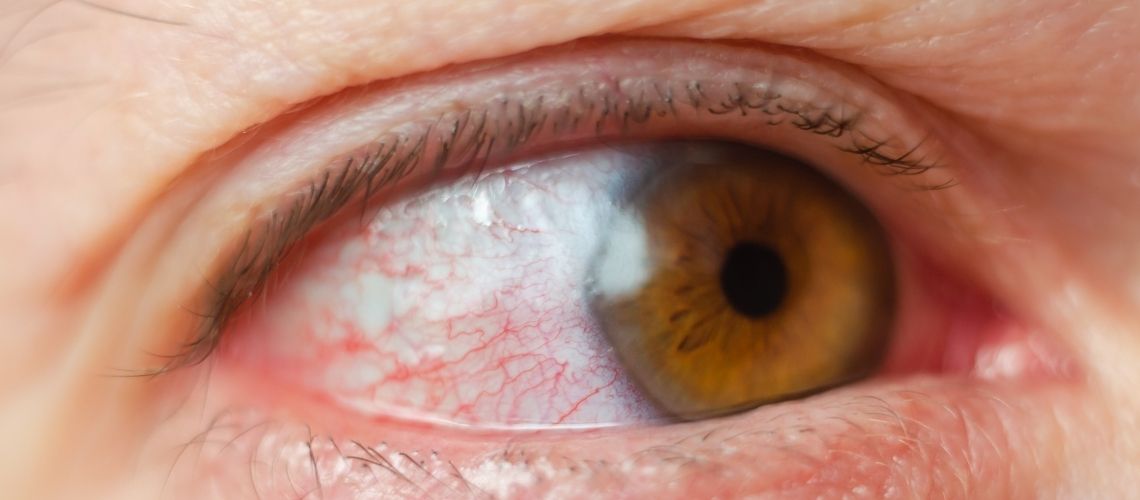
Pinguecula is a benign yellowish, slightly raised tissue on the white part of the eye. It is usually harmless but may cause cosmetic concerns and, rarely, irritation.
Symptoms of pinguecula include eye redness, dryness, foreign body sensation, and occasional itching. Exposure to sunlight and dust can aggravate the symptoms.
The condition is mainly caused by prolonged exposure to ultraviolet light. Wind, dusty environments, and dry climate conditions are also contributing factors.
The need for treatment depends on the symptoms. Artificial tears and protective sunglasses provide relief. In advanced cases, surgical removal may be considered, though recurrence is possible.
| Medical Name | Pinguecula |
| Prevalence | Common; especially in middle-aged and older individuals |
| Risk Factors | UV exposure, dry and dusty environments, aging |
| Symptoms | Yellowish bump on the eye, stinging sensation, dryness, redness |
| Complications | Inflammation (pingueculitis), rarely progression to pterygium |
| Diagnostic Methods | Eye examination, slit-lamp inspection |
| Treatment Options | Artificial tears, anti-inflammatory drops, rarely surgery |
| Surgical Indications | Cosmetic reasons, frequent inflammation, eyelid friction |
| Preventive Measures | Wearing sunglasses, avoiding dry and dusty environments |
What Is Pinguecula?
Pinguecula is a yellowish, slightly raised lesion that appears on the conjunctiva—the white part of the eye—typically on the side closer to the nose. It develops as a result of prolonged exposure to environmental factors such as sunlight, wind, dust, and dry air. It is usually harmless and does not affect vision. However, it may cause symptoms like dryness, stinging, or redness. Treatment is often unnecessary; if symptoms arise, artificial tears or anti-inflammatory drops can be used.
What Is the Structure of Pinguecula in the Eye?
Pinguecula can be thought of as a type of tissue degeneration. It is characterized by damage to the collagen fibers that form the supportive structure of the conjunctiva. This process is known as “elastotic degeneration.” It can be compared to sun-induced skin damage. Ultraviolet (UV) light from the sun gradually damages the connective tissue fibers in the conjunctiva, causing them to lose their normal, flexible, and orderly structure.
As a result of this structural degradation, certain substances accumulate in the area. These deposits include:
- Protein
- Calcium
- Fat-like substances
The accumulation of these materials disrupts the normally smooth texture of the tissue, resulting in a slightly raised and yellowish appearance. So, pinguecula is not just a passive spot—it’s the outcome of the eye tissue’s chronic response to environmental stress.
What Causes Pinguecula?
The development of pinguecula is usually not due to a single cause; rather, it results from the combination of several factors over time. Although the exact mechanism is not fully understood, some key triggers have been clearly identified.
The main triggers are:
- Ultraviolet (UV) Rays: Chronic sun exposure is the most important and widely accepted cause of pinguecula. UV radiation causes damage to the conjunctival layer and initiates tissue degeneration that leads to pinguecula formation.
- Environmental Irritants: Constant exposure to wind, dust, sand, or smoke also plays a major role. These irritants may cause chronic surface irritation and disrupt the protective mechanisms of the eye tissue.
- Aging: Since pinguecula usually develops slowly over many years, its prevalence increases with age. As the body ages, tissue repair mechanisms weaken, making it more susceptible to cumulative environmental damage.
What Are the Risk Factors for Pinguecula?
Certain individuals are more prone to developing pinguecula due to their lifestyle or environment. Knowing the risk factors can guide preventive measures.
Main risk factors include:
- Living in sunny climates
- Being in high-altitude regions
- Spending long hours outdoors (e.g., farming, fishing, surfing)
- Not protecting the eyes from UV rays
- Experiencing chronic dry eyes
- Frequent exposure to windy or dusty environments
- Occupations like welding
- Aging (especially after age 40)
- Chronic irritation caused by contact lenses
These factors generally do not act alone but rather increase the risk synergistically when combined. For example, an older individual working outdoors may be exposed to both UV rays and environmental irritants over a long period and may also develop age-related dry eye. This shows that risk factors can combine to create a synergistic effect.
What Are the Symptoms of Pinguecula?
The most obvious sign of pinguecula is a yellowish spot or bump on the white of the eye. In most people, no symptoms other than the spot are observed, meaning the condition is asymptomatic. Therefore, many people may notice the change in their eye but do not feel discomfort and see no need to consult a doctor.
However, in some cases, pinguecula can cause various discomforts. These symptoms tend to flare up with environmental factors (sun, wind, dry air).
Symptoms that may occur when pinguecula is symptomatic include:
- Feeling of dryness in the eye
- Stinging sensation in the eye
- Foreign body sensation, like a grain of sand in the eye
- Itching in the eye
- Burning in the eye
- Redness in the eye
- Excessive tearing
- Mild swelling
Rarely, especially when the pinguecula becomes larger, it can interfere with the smooth distribution of the tear film on the eye surface, causing temporary blurred vision.
What Is Pingueculitis and How Is It Different from Pinguecula?
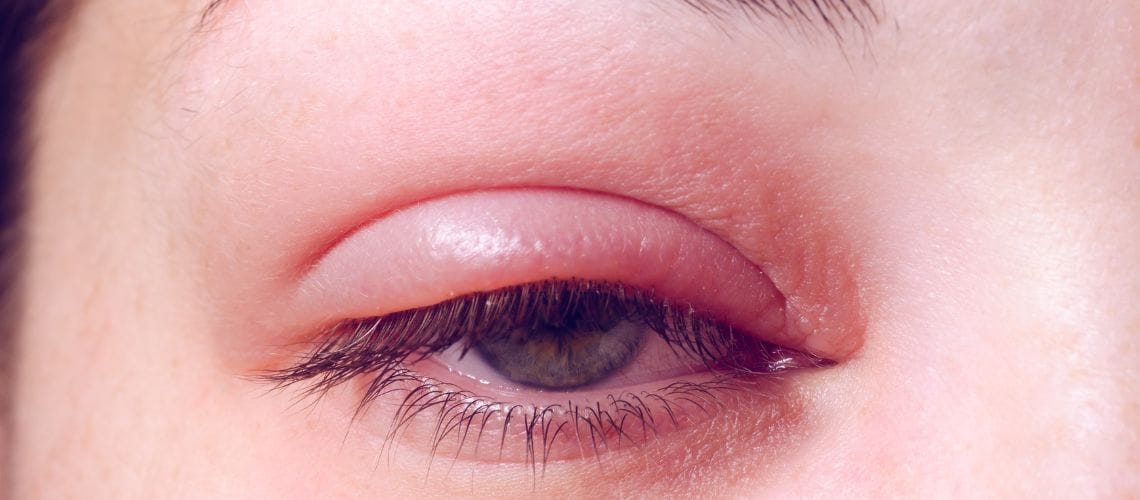
Pingueculitis is simply the inflammation of an existing pinguecula. It is not a different type of pinguecula but rather its inflamed state. While pinguecula is usually a calm lesion, pingueculitis is a more active and uncomfortable condition.
It generally occurs after exposure to triggers such as intense sunlight, wind, dust, or extremely dry air. Inflammation develops as an immune response of the body to these irritants.
Symptoms that occur when pingueculitis develops include:
- Pronounced redness in the eye
- Visible swelling around the pinguecula
- Pain or tenderness in the eye
- Sensitivity to light (photophobia)
- Increased tearing and irritation
How Is Pinguecula Diagnosed?
Pinguecula is diagnosed through a simple and painless eye examination performed by an ophthalmologist. The most important tool in this exam is a special microscope called a slit-lamp (biomicroscope). This device allows detailed inspection of the anterior segment structures of the eye (conjunctiva, cornea, etc.) with magnification and illumination.
During the exam, the doctor evaluates the typical appearance and characteristics of the pinguecula. Attention is paid to whether the lesion is confined to the conjunctiva and whether it extends toward the cornea. This is critical information to differentiate it from other more serious conditions such as pterygium.
In most cases, the characteristic appearance of pinguecula is sufficient for diagnosis, and no additional tests are needed. However, if the lesion has an atypical appearance (e.g., growing rapidly, unusual color or shape), the doctor may request further tests such as a biopsy (removing and examining a small tissue sample) to rule out other possibilities.
Does Pinguecula Always Require Treatment?
The vast majority of pingueculae do not require medical treatment. The main reason is that these lesions are benign, usually harmless, and often do not cause significant symptoms.
However, in some cases, treatment may become necessary or preferred by the patient. Such situations include:
- Persistent discomfort (stinging, dryness, burning)
- Frequent or severe episodes of pingueculitis (inflammation)
- Marked cosmetic concern
- Interference with contact lens use
- Rarely, impact on vision (e.g., causing astigmatism)
The decision to treat is not always “mandatory”; it is shaped by the severity of symptoms, the effect on the patient’s quality of life, and personal expectations. Saying “no treatment is required” does not mean the condition should be ignored entirely. Proper diagnosis, regular monitoring, and preventive measures—especially protection from risk factors—are always important.
What Are the Treatment Options for Pinguecula?
Treatment for pinguecula is typically based on the presence and severity of symptoms and progresses from simpler to more complex options.
Non-Surgical Treatments:
These methods are mainly aimed at relieving symptoms.
- Artificial Tears and Gels: The first and most common choice for mild symptoms like dryness, stinging, and burning. They provide immediate relief by moisturizing and lubricating the eye surface.
- Steroid Eye Drops: When pingueculitis (inflammation) develops, with marked redness, swelling, and pain, short-term steroid drops may be prescribed to quickly suppress the inflammation. These drops must be used under medical supervision.
Surgical Treatment:
Surgery for pinguecula is rarely needed. It is usually considered in the following situations:
- Chronic and severe discomfort unresponsive to other treatments
- Development of astigmatism that impairs vision quality
- Inability to use contact lenses
- Significant cosmetic concerns affecting quality of life
Reviews and experiences from people who have undergone pinguecula surgery are often sought when considering surgery. The procedure is a short operation performed under local anesthesia and takes about 30 minutes. During the surgery, the pinguecula tissue is carefully removed. One of the most important issues after surgery is the risk of recurrence. To minimize this risk, modern techniques such as conjunctival autografting—transplanting a thin piece of healthy conjunctival tissue from another part of the same eye—are used. The healing process is usually quick but requires eye drops for a few weeks.
What Is the Difference Between Pinguecula and Pterygium?
Although both pinguecula and pterygium develop due to similar environmental factors, there are significant differences between them.
Pinguecula:
- Yellowish, slightly raised spot
- Confined to the conjunctiva (white of the eye)
- Does not progress onto the cornea
- Usually does not affect vision
- Rarely requires treatment
Pterygium:
- Fleshy, pink-red, vascular tissue
- Starts from the conjunctiva and progresses onto the cornea
- May lead to astigmatism and significant vision loss as it advances
- Surgical treatment is more often necessary when vision is threatened
How Can Pinguecula Be Prevented?
Since environmental factors play such a significant role in pinguecula development, taking simple precautions can reduce the risk of formation or slow the progression of an existing pinguecula.
The most effective preventive measures are:
- UV-Protected Sunglasses: The most crucial step is to wear sunglasses with 100% UVA and UVB protection (labeled UV400) not only in summer but also in winter.
- Wide-Brimmed Hat: Wearing a hat in addition to sunglasses offers more effective protection against direct sunlight.
- Protective Goggles: Wearing appropriate goggles in windy, dusty, or smoky environments prevents irritation.
- Use of Artificial Tears: If you have dry eyes or spend much time in air-conditioned or dry places, regularly using artificial tears helps keep the eye surface moist.
- Avoiding Smoking: Cigarette smoke is a significant irritant to the eyes.
Frequently Asked Questions
What causes pinguecula to develop on the white part of the eye over time?
Pinguecula commonly develops due to long-term exposure to ultraviolet light, wind, dust, and dry environmental conditions. These factors can cause changes in the conjunctival tissue, leading to a yellowish, slightly raised growth on the eye surface.
How can prolonged sun exposure increase the risk of developing pinguecula?
Ultraviolet radiation may gradually damage the conjunctiva and promote tissue degeneration. People who spend significant time outdoors without adequate eye protection are more likely to develop pinguecula as they age.
What symptoms can occur when a pinguecula becomes irritated or inflamed?
Although many pingueculae cause no symptoms, some become inflamed and lead to redness, dryness, burning, foreign body sensation, or mild discomfort. Symptoms may worsen in windy, dusty, or low-humidity environments.
Can pinguecula affect vision or lead to serious eye complications?
Most pingueculae do not affect vision and remain harmless. However, significant inflammation or growth near the cornea may cause irritation and visual disturbances, making regular eye examinations important for monitoring changes.
How is pinguecula different from a pterygium that grows onto the cornea?
A pinguecula remains confined to the conjunctiva and does not extend onto the cornea. In contrast, a pterygium can grow across the corneal surface and may eventually interfere with vision if left untreated.
Who is most likely to develop pinguecula due to environmental risk factors?
Individuals who work outdoors, live in sunny climates, or are frequently exposed to dust, wind, and dry conditions face a higher risk. Increasing age and cumulative environmental exposure also contribute to development.
What treatment options are available for symptomatic or inflamed pinguecula?
Treatment often includes lubricating eye drops, artificial tears, and measures to reduce environmental irritation. In cases of significant inflammation, an eye specialist may recommend additional therapies to relieve symptoms effectively.
Can wearing sunglasses help prevent pinguecula from developing or worsening?
Yes, sunglasses that block ultraviolet rays can help protect the conjunctiva from sun-related damage. Combined with protective eyewear in dusty environments, they may reduce the risk of progression and future irritation.
When should a person with pinguecula seek evaluation from an eye specialist?
Medical assessment is recommended if the lesion grows rapidly, becomes persistently red, causes pain, affects vision, or changes in appearance. An examination helps confirm the diagnosis and exclude other eye conditions.
Can pinguecula be removed surgically and when is surgery considered necessary?
Surgical removal is rarely required but may be considered for persistent discomfort, cosmetic concerns, recurrent inflammation, or uncertainty about the diagnosis. The decision depends on symptoms and the impact on daily life.