Türkçe
 Deutsch

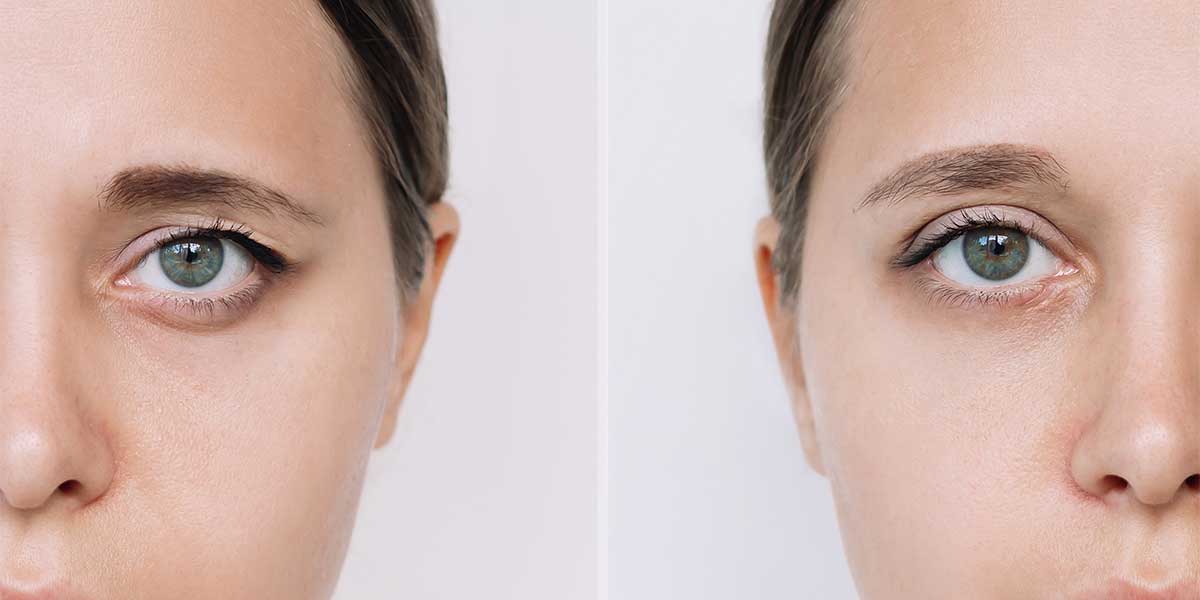
Drooping eyelid occurs due to dysfunction of the muscles that lift the eyelid and can be congenital or acquired. The most common form is aponeurotic ptosis; this condition is associated with the aging process or postoperative changes.
Additionally, factors like muscle weakness, nerve damage, and trauma can lead to ptosis. However, in some cases, mechanical factors such as tumors can also cause this condition. Treatment options range from surgical intervention to addressing nerve or muscle-related issues. Therefore, it is difficult to decide on the correct treatment without determining the underlying cause.
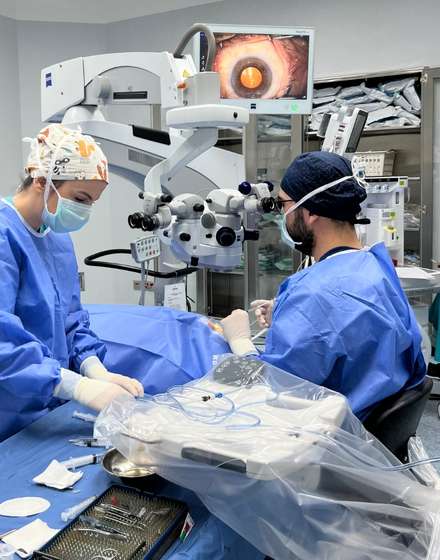
Turkey is one of the best country for Droopy Eyelid Surgery at a afforable price. If you are looking for a place for Droopy Eyelid Surgery abroad with best clinics and doctors, you are definitly on the right spot. Check Dr. Berkay Akmaz's Droopy Eyelid Surgery prices, reviews and packages.
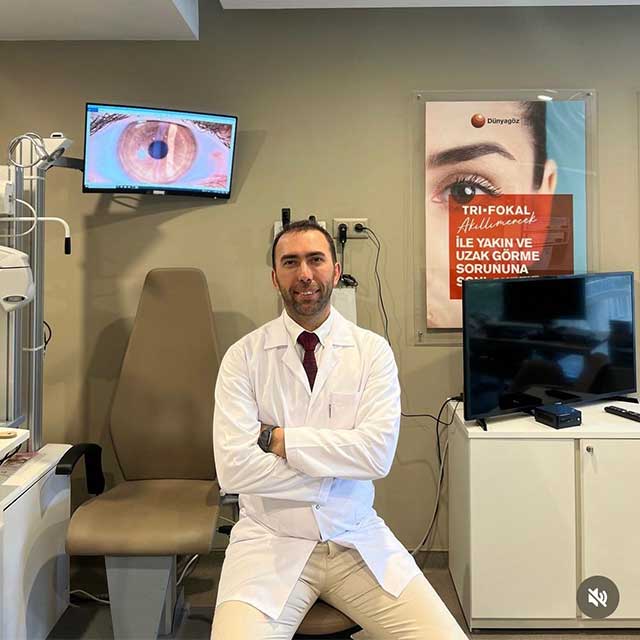
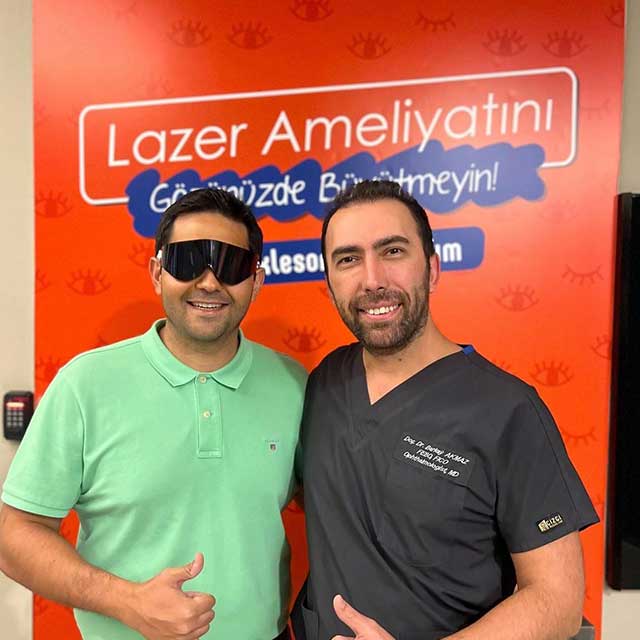
Ophthalmology Specialist – Assoc. Prof. Dr. Berkay Akmaz was born in İzmir in 1985. Due to his father's profession, he spent his primary school years in different cities. He began his education at Gülhane Military Medical Academy in 2003 and graduated with the title of Medical Doctor from Ege University Faculty of Medicine in 2010. In 2010, Assoc. Prof. Dr. Berkay Akmaz ranked 25th in the Medical Specialization Exam (TUS) in Turkey and started his specialization in the Department of Ophthalmology and Surgery at Dr. Lütfi Kırdar Kartal Education and Research Hospital. He completed his specialization training in 2014.






| Definition | Ptosis is a condition where the upper eyelid droops below its normal position. It can occur in one eye (unilateral) or both eyes (bilateral) and may restrict the field of vision. |
| Symptoms | Drooping of the upper eyelid, narrowed visual field, eye fatigue, attempting to see by raising the eyebrows, headaches. In children, amblyopia (lazy eye) may develop. |
| Causes | Congenital: Underdevelopment or damage of the levator muscle at birth. Acquired: Aging (aponeurotic ptosis), muscle or nerve diseases (e.g., myasthenia gravis), trauma, tumors, neurological disorders, prolonged use of contact lenses. |
| Risk Factors | Advanced age, family history of ptosis, eye or eyelid injuries, chronic illnesses (diabetes, stroke), neurological diseases. |
| Diagnostic Methods | Physical eye examination, visual acuity test, evaluation of eyelid and eye movements, pupillary reactions, and when necessary, neurological assessment and imaging methods (MRI, CT). |
| Treatment Options | Surgical Intervention: Strengthening or shortening the levator muscle through ptosis surgery. Medical Treatment: Treating underlying conditions (e.g., medication for myasthenia gravis). |
| Types of Surgery | Levator Resection: Shortening of the levator muscle. Frontal Suspension Surgery: Elevating the eyelid by suspending it to the frontal muscle structures. Müller Muscle Resection: Applied in milder cases. |
| Recovery Process | Post-operation may involve mild pain, swelling, and bruising; typically resolves within a few weeks. Sutures are usually removed within 5-7 days. |
| Risks and Complications | Infection, bleeding, eyelid asymmetry, dry eyes, overcorrection or undercorrection, double vision, corneal damage. |
| Postoperative Care | Use of antibiotic and steroid eye drops, keeping the eye clean and dry, avoiding strenuous physical activities and situations that strain the eyes. |
| Prevention | Congenital and age-related ptosis cannot be prevented; however, avoiding trauma and controlling chronic illnesses can reduce some acquired causes. |
| Social and Functional Impact | Can make daily activities such as reading, writing, and driving difficult by narrowing the visual field; may lead to aesthetic concerns and reduced self-confidence. |
| Affected Age Group | Can occur at any age; congenital ptosis is observed in newborns, while aponeurotic ptosis is more common in middle-aged and older individuals. |
| Success Rate | Surgical treatments have a high success rate; outcomes depend on the patient’s age, muscle function, and underlying cause. |
| Precautions | A comprehensive evaluation before surgery is essential; adhering to all post-operative doctor’s instructions and not missing follow-up appointments is important. |
| Alternative Treatments | Treating underlying neurological or systemic diseases, and in some cases, non-surgical mechanical supports. |
| Complications | If untreated, children may develop amblyopia, astigmatism, and permanent vision impairments; in adults, chronic headaches and neck pain may occur. |
| Technologies Used in Diagnosis and Treatment | Digital measurement of eyelid and eye movements, visual field tests, high-resolution imaging systems. |
| Impact on Quality of Life | Can negatively affect social relationships and overall quality of life by impacting visual function and aesthetic appearance. |
How to Prevent Drooping Eyelid?
Preventing drooping eyelid involves strategies aimed at reducing risks. Avoiding trauma is a fundamental part of these strategies; because rubbing the eyelids can weaken the muscles. Especially after surgery, being gentle with the eyes helps preserve the muscles.
Additionally, regular eye examinations are important for early detection of signs; because early diagnosis allows for the prevention of age-related risks. Some exercises to strengthen the eye muscles are also beneficial. Furthermore, medical management options offer temporary solutions such as botulinum toxin injections. With these methods, the progression of ptosis can be slowed, and the health of the eyelid muscles can be maintained. In any case, it is recommended to determine a treatment process under specialist supervision.
What Is Drooping Eyelid?
Drooping eyelid occurs when the upper eyelid falls below its normal position, and this condition can partially cover the pupil, obstructing vision. Ptosis occurs due to weakness or dysfunction of the levator muscle that lifts the eyelid. Additionally, damage to the nerves controlling this muscle can also lead to drooping eyelid.
It can be congenital or acquired and is triggered by various factors such as aging, trauma, and neurological disorders. This condition can affect one or both eyes and can cause different degrees of problems on vision depending on the severity of its effect. Ptosis can remain as a mild aesthetic issue or adversely affect vision at advanced levels.
What Are the Causes of Drooping Eyelid?
Drooping eyelid (ptosis) is based on various causes that can be congenital or develop later. The mechanisms of development of this condition vary depending on muscle, nerve, and mechanical factors. The causes of drooping eyelid are examined under two main headings: congenital and acquired.
- Congenital Ptosis: This type of ptosis is usually associated with underdevelopment of the levator palpebrae superioris muscle. In the case of muscle underdevelopment, the eyelid cannot be lifted sufficiently, leading to congenital ptosis. Additionally, genetic factors such as Blepharophimosis-ptosis-epicanthus inversus syndrome can cause deformities of the eyelid. Neurological conditions like Duane syndrome and Marcus Gunn phenomenon involve neural connection issues affecting eyelid movements. Such neurological disorders can alter ptosis symptoms during eye or jaw movements.
- Acquired Ptosis: Acquired ptosis that develops later in life occurs as a result of aging or various diseases.
- Aponeurotic Ptosis: It is the most common type of acquired ptosis; the tendon of the levator muscle weakens with aging and struggles to lift the eyelid.
- Myogenic Ptosis: It results from disorders that directly affect the muscles, such as muscular dystrophies or myasthenia gravis. Such diseases disrupt the muscles’ ability to contract, leading to ptosis.
- Neurogenic Ptosis: It occurs due to damage to the oculomotor nerve responsible for lifting the eyelid. Neurological diseases like Horner’s syndrome or third cranial nerve palsy disrupt nerve function, causing ptosis.
- Mechanical Ptosis: Tumors or cysts that add excessive weight to the eyelid can lead to this type of ptosis. The heaviness of the eyelid makes it difficult for the levator muscle to perform its lifting function.
- Traumatic Ptosis: Surgeries or injuries can damage the eyelid muscles or tendons, leading to ptosis.
Other medical conditions that can cause ptosis include systemic disorders such as diabetes, stroke, and brain tumors. These conditions can affect muscle and nerve functions, leading to ptosis.
How Common Is Drooping Eyelid?
The prevalence of drooping eyelid varies in different populations depending on age and geographical factors. In adults, the prevalence of ptosis ranges between 4.7% and 13.4%, and it is more common in elderly individuals.
For example, studies conducted in the UK and Korea show that ptosis is seen in 11.5% of people over the age of 50. Additionally, this rate rises to 20.8% in individuals over 70 years old. In Korea, the prevalence of ptosis in the population over 40 years old was found to be 13.4%; this rate reaches 32.8% in people over 70 years old.
Congenital ptosis is rarer and occurs between 0.79 to 1.99 per 10,000 people. This condition is generally reported to be more common in males. Among the risk factors for ptosis, age stands out as the most important factor. Involutional ptosis developing due to aging is commonly observed especially in elderly individuals. In some societies, it has been noted that the incidence of ptosis is slightly higher in women. Other factors associated with ptosis include:
- Diabetes, hypertension, and cardiovascular diseases: These health issues increase the risk of acquired ptosis.
- Ocular surgeries: There is a high likelihood of developing ptosis after eye surgeries such as cataract operations.
- Contact lens use: The risk of ptosis increases in people who wear hard lenses for a long time due to eyelid strain.
What Is the Formation Process of Drooping Eyelid?
Drooping eyelid occurs when the muscles or nerves that lift the eyelid lose their functions for various reasons. This condition can be congenital or acquired and generally affects the levator palpebrae superioris muscle, which lifts the upper eyelid, and the Müller muscle, which supports the eyelid. Weakening of the muscles or disruption of nerve transmission leads to sagging of the eyelid.
Congenital ptosis is present at birth and usually occurs due to abnormalities in the development of the levator muscle. The replacement of muscle tissue with fibrous or fatty tissue prevents these muscles from functioning effectively and can affect vision in severe cases. The eyelid covers the pupil, restricting the visual field and can cause long-term vision problems such as amblyopia or astigmatism.
Acquired ptosis is more associated with aging, trauma, or various diseases. The main factors leading to this condition are:
- Aponeurotic Ptosis: It occurs as a result of stretching of the tendon of the levator muscle due to age or displacement after trauma.
- Neurogenic Causes: Conditions such as third cranial nerve palsy or Horner’s syndrome cause ptosis due to nerve damage.
- Myogenic Causes: Diseases like myasthenia gravis and muscular dystrophy that cause muscle weakness directly affect the muscles.
- Mechanical Ptosis: Physical causes like tumors or trauma cause the eyelid to become heavier, leading to its drooping.
What Are the Symptoms of Drooping Eyelid?
Drooping eyelid manifests itself with various symptoms at different severity levels and can cause serious discomfort in daily life. The drooping of the upper eyelid can be observed in one eye or both eyes. In this case, in some people, the pupil may be partially covered, while in some cases, the pupil may be completely covered, and vision may be obstructed. Common symptoms are as follows:
- A drooping eyelid can narrow the visual field, making clear vision difficult. The person may have a tendency to tilt their head backward to see clearly.
- The person exerts extra effort while trying to lift the eyelid, which can cause pain around the eyes. Additionally, fatigue can be felt in the eyebrow and forehead area.
- Ptosis can cause facial asymmetry. The affected eye may appear more closed or smaller than the other, and an increase in eyelid wrinkles may be observed.
- People with ptosis try to see by tilting their head backward with the chin up, and this can lead to neck pain in the long term.
- In some cases, due to the involvement of nerves controlling the eyelid, a mismatch in eye movement may develop.
- As a result of the eyelid not closing completely, excessive tearing or dryness may occur in the eye, which negatively affects eye health.
How Is Drooping Eyelid Diagnosed?
The diagnosis of drooping eyelid (ptosis) requires a detailed clinical evaluation process. In the first stage, the doctor examines the patient’s history in detail, evaluating the onset time of ptosis and the development of symptoms. Then, the degree of drooping eyelid is determined through visual and physical examination. In this examination, the position of the upper eyelid and its relationship with the eye are observed, and various measurements are made.
- Palpebral Fissure: The distance between the upper and lower eyelids is measured to assess the severity of ptosis.
- Marginal Reflex Distance-1 (MRD-1): The distance from the edge of the upper eyelid to the corneal light reflex is measured.
- Levator Function: The movement of the upper eyelid up and down is evaluated to test the condition of the eyelid muscles.
The function of the levator muscle is important to observe how much the eyelid can move when the patient looks up. If the measurement is abnormally high, this may indicate aponeurotic ptosis. Levator function tests also help to understand whether myogenic factors are causing ptosis.
Neurological evaluation is performed especially when nerve damage is suspected. For example, oculomotor nerve palsy and Horner’s syndrome can be confirmed with special tests. Pharmacological tests like pupil reactions and the apraclonidine drop test can be used to diagnose Horner’s syndrome. Another neurogenic cause, myasthenia gravis, is evaluated with maneuvers that trigger muscle fatigue and the edrophonium test.
- Differential Diagnosis: Since ptosis can have different origins, a detailed differential diagnosis is required for aponeurotic, myogenic, neurogenic, mechanical, and traumatic causes.
Finally, imaging methods are used in cases where neurological or structural abnormalities are suspected. CT or MRI can be used to rule out serious conditions. If muscle-related suspicions exist, additional tests such as blood tests and electromyography are performed. With this evaluation process, the underlying cause is determined, and appropriate treatment is directed.
How Is Drooping Eyelid Treated?
The treatment of drooping eyelid is primarily determined based on the underlying cause, severity level, and patient preferences. Both surgical and non-surgical methods are among the options. Surgical treatments are more commonly used because they usually offer more permanent solutions. However, in some cases, non-surgical methods can also provide temporary relief.
Surgical Treatment Options:
- Ptosis Surgery: This procedure aims to eliminate visual obstruction or aesthetic problems by lifting the eyelid.
- Levator Muscle Intervention: Effective results can be obtained by strengthening the muscle in cases of aponeurotic ptosis.
- Frontalis Sling: It is preferred to provide support to the eyelid in cases where the muscle is very weak.
- Müller’s Muscle Intervention: A less invasive option used for mild ptosis.
Non-Surgical Treatment Options:
- Ptosis Props: Supports integrated into glasses help hold the eyelid in cases where surgery is not preferred.
- Eye Drops: Can be used to temporarily lift the eyelid in mild cases.
Treatment Options Directed at the Cause:
- Treatment focuses on resolving factors such as nerve damage or myasthenia gravis depending on the underlying condition.
- In cases of physical obstruction like trauma or tumor, removing the obstruction usually solves the problem.
What Are the Complications of Drooping Eyelid?
Drooping eyelid can lead to various complications and can negatively affect the patient’s quality of life. First, ptosis can cause vision problems due to the eyelid covering the visual field. When the eyelid obstructs the visual field, daily activities such as reading or driving can become difficult. Additionally, drooping eyelid can increase eye fatigue for the patient; because they have to use their forehead muscles to keep their eye open continuously. This can lead to long-term pain and fatigue in the forehead muscles.
Drooping eyelid can also create aesthetic problems. The asymmetry of the eyelids causes imbalance in the facial expression and can affect the person’s self-confidence. This can create discomfort in social environments and reduce the person’s self-esteem. Furthermore, drooping eyelid can endanger the patient’s eye health. A low eyelid can cause dry eyes, leading to discomforts such as burning and stinging sensations in the eye.
When Can Drooping Eyelid Treatment Be Performed?
The treatment of drooping eyelid is planned primarily based on the effects of ptosis on daily life and vision. Treatment is necessary to improve the patient’s quality of life in cases that cause serious visual impairment. In these cases, treatment gains urgency, especially when the upper visual field is obstructed. Some patients may have to constantly tilt their heads back or raise their eyebrows to compensate for this visual obstruction.
On the other hand, cosmetic concerns can also influence the treatment decision. If the asymmetry caused by drooping eyelid leads to a noticeable change in facial appearance, the person may seek treatment due to aesthetic concerns. This is an important motivation source especially for individuals experiencing social or psychological distress.
Additionally, some symptoms associated with drooping eyelid may require treatment. Early intervention is important in children with congenital ptosis because it can lead to long-term vision problems such as amblyopia. In adults, this condition can cause discomforts such as headache or fatigue.
When planning treatment, situations like the following are considered:
- Ptosis affecting the visual field and causing functional impairment
- Patients who have significant cosmetic asymmetry and aesthetic concerns
- The necessity of constantly raising eyebrows or changing head position
- The presence of underlying neurological or systemic conditions
When Cannot Drooping Eyelid Treatment Be Performed?
The treatment of drooping eyelid may sometimes not be applicable depending on the patient’s current health status, underlying diseases, and the treatment method. Contraindications should be carefully evaluated according to the patient’s condition before treatment. In some cases, surgical interventions may harm the patient or may not be effective due to existing health problems.
Firstly, surgical intervention may be risky if the patient with drooping eyelid has the following medical conditions:
- Myasthenia Gravis: This autoimmune disease causing muscle weakness poses the risk of the surgery not yielding effective results. Surgery should not be performed until the disease is stabilized.
- Horner’s Syndrome and Third Nerve Palsy: In these neurological problems, treatment of the underlying disease is necessary first. Drooping eyelid surgery should not be performed without managing these diseases.
- Uncontrolled Systemic Diseases: Uncontrolled conditions like diabetes or hypertension can complicate the postoperative healing process. These conditions can impair wound healing and increase the risk of infection.
Some eye health conditions can also prevent surgical treatment:
- Dry Eye or Lagophthalmos: Eyelid surgery can worsen dry eye or the inability of the eyelids to close completely. Therefore, surgical treatment is either postponed or requires modification.
- Active Eye Infections: Infections like blepharitis or stye should be resolved before surgery. In the presence of infection, surgery increases the risk of complications and is therefore not recommended.
Previous eye surgeries can also make surgical ptosis treatment difficult:
- Patients Who Have Recently Undergone Eye Surgery: Ptosis surgery is not recommended until the recovery process is completed after LASIK or cataract surgery. In such patients, surgical intervention should be postponed.
Additionally, the patient’s age and general health are also important for treatment:
- Children with Congenital Ptosis: Early intervention may be necessary if vision is affected. However, if strabismus is present, this condition should be corrected first.
- Elderly Patients: Surgical treatment is contraindicated in elderly patients who have problems with wound healing.
Finally, temporary ptosis may occur after botulinum toxin use, and in these patients, non-surgical approaches should be considered instead of surgical treatment.
What Is the Recovery Process of Drooping Eyelid?
The recovery process after drooping eyelid surgery varies from person to person but is generally based on a structured plan. During the first one to two weeks, patients may experience swelling and bruising around the eyes. During this period, symptoms such as watery eyes, mild pain, and sensitivity to light are common. The following recommendations contribute to recovery:
- Applying cold compresses helps reduce swelling
- Prescribed eye drops alleviate discomfort
- Pain relievers like acetaminophen manage mild pain
At the end of the first week, stitches are removed, but full recovery may take about three months. Most of the swelling decreases in the first few weeks. During this process, the following should be considered:
- Avoiding wearing contact lenses for the first two weeks
- Keeping the head elevated and not rubbing the eyes
- Avoiding strenuous physical activities for three weeks
How to Prevent Drooping Eyelid?
Preventing drooping eyelid involves strategies aimed at reducing risks. Avoiding trauma is a fundamental part of these strategies; because rubbing the eyelids can weaken the muscles. Especially after surgery, being gentle with the eyes helps preserve the muscles. Additionally, regular eye examinations are important for early detection of signs; because early diagnosis allows for the prevention of age-related risks.
Some exercises to strengthen the eye muscles are also beneficial. Furthermore, medical management options offer temporary solutions such as botulinum toxin injections. With these methods, the progression of ptosis can be slowed, and the health of the eyelid muscles can be maintained. In any case, it is recommended to determine a treatment process under specialist supervision.
Latest Posts

Dermatochalasis (Eyelid Sagging)
Anasayfa » Eyelid » Dermatochalasis (Eyelid Sagging)Dermatochalasis (eyelid sagging) is a condition caused by excess [...]
Read MoreMar

Congenital Cataract
Anasayfa » Cataract » Congenital CataractCongenital cataract is an eye disease that occurs when the [...]
Read MoreMar

Causes of Blurred Vision in One Eye
Anasayfa » Eye Health » Causes of Blurred Vision in One EyeThe causes of blurred [...]
Read MoreDec

Comments from Patients with Pseudotumor Cerebri
Anasayfa » Uncategorized » Comments from Patients with Pseudotumor CerebriComments from patients with pseudotumor cerebri [...]
Read MoreDec

Reviews of People Who Have Undergone Corneal Surgery
Anasayfa » Eye Health » Reviews of People Who Have Undergone Corneal SurgeryReviews from people [...]
Read MoreDec
Keratoconus Patient Reviews
Anasayfa » Eye Health » Keratoconus Patient ReviewsKeratoconus patient reviews provide important insights into the [...]
Read MoreDec

How Long Does Cataract Surgery Take?
Anasayfa » Cataract » How Long Does Cataract Surgery Take?The answer to the question of [...]
Read MoreDec
How Do Under-Eye Dark Circles Go Away?
Anasayfa » Uncategorized » How Do Under-Eye Dark Circles Go Away?The question of how under-eye [...]
Read MoreDec
Gallery