Türkçe
 Deutsch

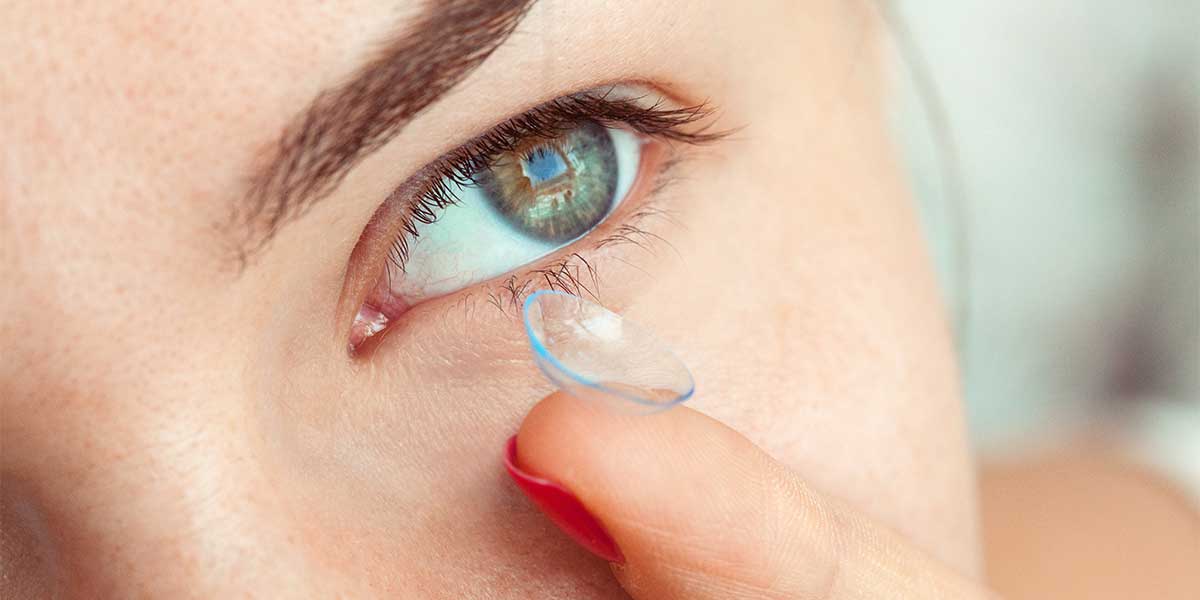
Contact lenses are medical devices produced to correct vision problems such as myopia, hyperopia, and astigmatism. They are usually made from materials like polymer or silicone hydrogel, which provide oxygen permeability important for eye health.
Additionally, these materials offer flexibility to provide comfort. Recent technological developments focus on increasing lens biocompatibility but also aim to reduce end-of-day discomfort. Especially silicone hydrogel lenses reduce common issues like hypoxia thanks to their high oxygen permeability, making them one of the most preferred lens types today.
Turkey is one of the best country for Contact Lenses at a afforable price. If you are looking for a place for Contact Lenses abroad with best clinics and doctors, you are definitly on the right spot. Check Dr. Berkay Akmaz's Contact Lenses prices, reviews and packages.
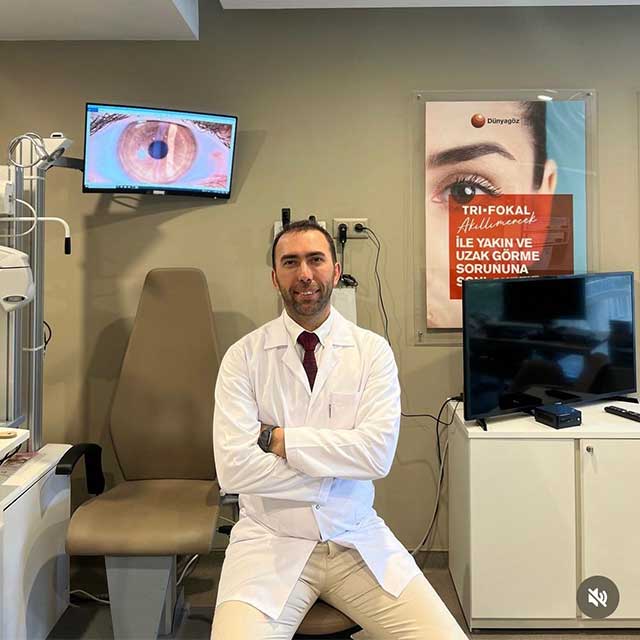
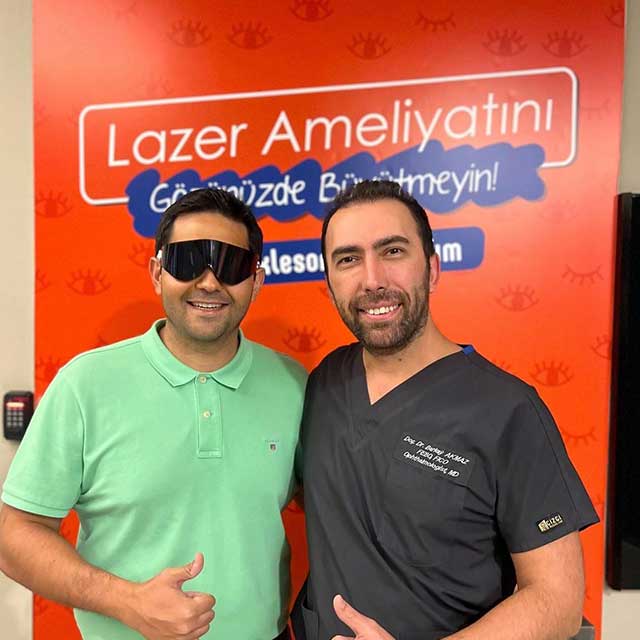
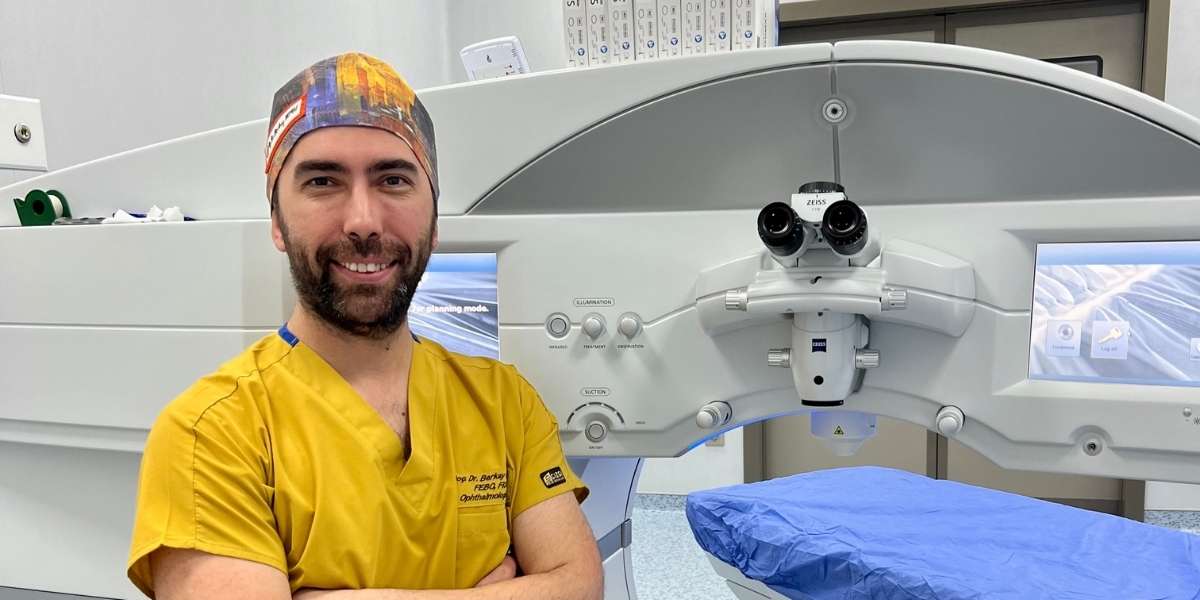
Ophthalmology Specialist – Assoc. Prof. Dr. Berkay Akmaz was born in İzmir in 1985. Due to his father's profession, he spent his primary school years in different cities. He began his education at Gülhane Military Medical Academy in 2003 and graduated with the title of Medical Doctor from Ege University Faculty of Medicine in 2010. In 2010, Assoc. Prof. Dr. Berkay Akmaz ranked 25th in the Medical Specialization Exam (TUS) in Turkey and started his specialization in the Department of Ophthalmology and Surgery at Dr. Lütfi Kırdar Kartal Education and Research Hospital. He completed his specialization training in 2014.






| Definition | Contact lenses are thin, curved lenses placed on the cornea of the eye to correct vision defects or used for cosmetic or therapeutic purposes. |
| Types | Soft Lenses: Made from hydrogel or silicone hydrogel materials. Gas Permeable Rigid Lenses (RGP): Made from hard but highly oxygen-permeable materials. Hybrid Lenses: Consist of a rigid center surrounded by soft lens material. Specialty Lenses: Toric (for astigmatism), multifocal (for presbyopia), colored or prosthetic lenses. |
| Advantages | Alternative for those who do not wish to wear glasses, wider field of vision, comfort during sports and physical activities, aesthetic preference. |
| Disadvantages | Requires maintenance and cleaning, increased risk of infections, can negatively affect eye health if used improperly. |
| Applications | Correction of refractive errors such as myopia, hyperopia, astigmatism, and presbyopia; management of corneal diseases like keratoconus; cosmetic eye color changes; therapeutic protection of the corneal surface. |
| Who is Suitable | Individuals with good eye health who can take care of lens maintenance; suitable for a wide age range from children to adults. |
| Eligibility and Prescription | Suitable lens type and prescription are determined through eye examinations and measurements by an eye doctor; contact lenses should not be obtained without a prescription. |
| Care and Cleaning | Lenses need to be cleaned and disinfected daily, weekly, or monthly using lens solutions; disposable daily lenses do not require maintenance. |
| Risks and Side Effects | Eye infections (e.g., keratitis), corneal abrasions, conjunctivitis, dry eye symptoms, allergic reactions, corneal edema due to hypoxia. |
| Usage Recommendations | Follow the doctor’s and manufacturer’s instructions, do not wear lenses longer than recommended, remove lenses when sleeping (except for overnight lenses), avoid contact with water (swimming, showering). |
| Contraindications | Active eye infections, severe dry eye syndrome, ocular surface diseases, inability to maintain hygiene, certain allergic reactions. |
| Alternative Treatments | Wearing glasses, refractive surgery (LASIK, PRK), intraocular lens implants. |
| Precautions | Change lenses regularly as recommended, clean or replace the lens case regularly, discontinue lens use and consult a doctor if experiencing redness or discomfort. |
| Price and Insurance Coverage | The cost of lenses varies depending on the type and duration of use; some health insurances may partially or fully cover lens costs. |
| Technological Developments | Advanced oxygen-permeable materials, lenses that reduce digital eye strain, UV-protective lenses, research on smart contact lenses (e.g., lenses that measure intraocular pressure). |
| Education and Compliance | It’s important to receive training on the correct insertion and removal of lenses; regular doctor check-ups are necessary for the safety and effectiveness of lens use. |
| Social and Functional Impact | Using lenses can improve quality of life; provides freedom of movement during sports and social activities; can reduce aesthetic concerns. |
| Environmental Factors | Air conditioning, heating systems, or dry air can affect lens use; artificial tear drops can provide support. |
| Contact Lens Use in Children | Can be used especially to slow the progression of myopia; it’s important that the child is of an age and maturity level to take responsibility for lens care. |
| Use During Pregnancy | Hormonal changes in the eyes can affect lens tolerance; use is recommended under doctor’s supervision. |
| Contact Lenses and Makeup | Lenses should be applied before makeup and removed before makeup removal; hypoallergenic and water-based makeup products should be preferred. |
| Emergency Situations | Keep spare lenses on hand in case of loss or tearing; seek immediate medical attention if experiencing sudden eye pain, light sensitivity, or changes in vision. |
What Are Contact Lenses?
Contact lenses are known as thin, curved lenses placed on the surface of the eye and are used to correct vision impairments. Their origins date back to Leonardo da Vinci’s designs in the 16th century, which laid the foundation for modern lenses. The first functional prototypes were developed in the late 1800s, and glass lenses were produced in 1888.
A new era in the development of contact lenses began with the introduction of polymethyl methacrylate (PMMA) lenses in the 1930s. Additionally, the U.S. Food and Drug Administration (FDA) approved soft contact lenses in 1971, marking a significant milestone in this field. Today, contact lenses are produced with advanced materials aiming to provide user comfort.
What Are the Types of Intraocular Contact Lens Treatment?
Intraocular contact lens treatment is an effective alternative for patients with high refractive errors who are not suitable candidates for laser procedures. In this method, the natural lens is preserved, and an artificial lens is implanted into the eye. Depending on the design and purpose, several types of intraocular lenses are available. The main types include:
- Phakic Intraocular Lens (ICL): Placed in front of the natural lens, these high-technology lenses are used to treat severe myopia, hyperopia, and astigmatism.
- Anterior Chamber Phakic Lenses: Implanted in front of the iris; less commonly used.
- Posterior Chamber Phakic Lenses: Placed between the iris and the natural lens; the most commonly preferred type.
- Toric Phakic Lenses: Specially designed for patients with astigmatism to correct refractive errors.
- Multifocal Intraocular Lenses: Provide both near and distance vision; also used to treat age-related presbyopia.
How Do Contact Lenses Work?
Contact lenses function with three main purposes: vision correction, drug delivery, and therapeutic applications. These functions utilize various advantages provided by different structural designs and materials used in contact lenses.
- Vision Correction: Contact lenses are designed to correct refractive errors. By addressing issues like myopia, hyperopia, astigmatism, and presbyopia, they ensure that the light entering the eye is properly focused onto the retina. Sitting on the tear film layer, lenses mimic the corneal surface and provide clear vision by altering the focusing power.
- Drug Delivery: Especially hydrogel-based lenses are developed for use in drug delivery. Made with materials like poly(hydroxyethyl methacrylate) (HEMA), these lenses offer effective treatment by slowly releasing medications into the tear film. Thanks to their hydrophilic structure, they provide prolonged drug release. This optimizes the treatment process by increasing the bioavailability of medications for conditions like glaucoma and dry eye syndrome.
- Therapeutic Applications: Bandage lenses are used to protect the corneal surface. They provide a protective barrier during injuries or postoperative healing processes. Additionally, these lenses enriched with anti-inflammatory or antimicrobial agents are made from silicone hydrogel materials with high oxygen permeability that support corneal health. With these features, contact lenses play an effective role in protecting and improving eye health.
When Are Contact Lenses Used?
Contact lenses are important tools prescribed to meet various medical and functional needs. They are used in refractive error correction for issues like myopia, hyperopia, astigmatism, and presbyopia, offering a wider field of vision that glasses cannot provide. For those experiencing high refractive errors, lenses offer sharper vision than glasses. Additionally, in irregular corneal conditions like keratoconus, rigid gas-permeable and scleral lenses stabilize the cornea and provide clear vision.
In the management of ocular surface disease, therapeutic lenses are used in individuals with severe dry eye disease. These lenses retain moisture, soothing the cornea and accelerating healing. In pediatric applications for infants and children, contact lenses are effective in preventing amblyopia by protecting eye health during the developmental period in cases of aphakia.
Other uses of contact lenses include:
- They are used to change eye color in addition to vision correction. Prosthetic lenses are preferred to provide a natural appearance in eyes with deformed shape.
- They expand areas limited by glasses for individuals with an active lifestyle. Especially for athletes, they offer safe use and ease of movement.
- They serve as a protective layer to reduce pain and support the healing process after surgery or corneal injuries.
Who Is Not Suitable for Contact Lenses?
Contact lenses are not suitable for everyone, as they pose risks to eye health in certain situations. Especially in individuals with ocular surface disorders, contact lenses can exacerbate existing conditions, causing more problems. For example, those with active ocular surface diseases like conjunctivitis, keratitis, or uveitis should avoid using lenses. In individuals with vernal keratoconjunctivitis or giant papillary conjunctivitis, symptoms may increase due to allergen accumulation, making lens use inappropriate.
Contact lenses are also not recommended for individuals with dry eye syndrome because lenses can disrupt the tear film, increasing dryness and discomfort. Especially in people with severe dry eyes, lenses can lead to epithelial breakdown on the ocular surface and increase the risk of infection. In individuals with corneal abnormalities, contact lens use carries greater risks because their corneal healing ability is usually limited.
Situations where contact lens use is contraindicated:
- Ocular surface diseases: Active eye diseases like conjunctivitis, keratitis, scleritis, uveitis
- Dry eye syndrome: Individuals prone to severe dryness
- Corneal abnormalities: Corneal dystrophies, recurrent corneal erosion, active corneal ulcers
- Systemic diseases affecting ocular health: Conditions like poorly controlled diabetes, Sjögren’s syndrome
- Ocular allergies: Seasonal allergic conjunctivitis and chronic ocular allergies
Additionally, those who cannot properly use or care for contact lenses are more susceptible to infection risk. Individuals with physical limitations or unhygienic habits may develop serious ocular infections like microbial keratitis. Also, lenses can be dangerous for people working in environments with occupational risks involving high dust, chemicals, or smoke. Such environmental factors can lead to lens contamination, seriously jeopardizing eye health.
How Are Contact Lenses Applied?
The application of contact lenses requires a careful process aimed at ensuring eye health and user comfort. In this process, several basic steps are followed, and patient-centered evaluations are made at each step. First, an eye health professional examines the patient’s visual needs, lifestyle, and ocular health status. This assessment is done to determine the patient’s suitability for contact lens use and which lens type is most ideal.
- Patient Assessment: The specialist evaluates parameters such as the patient’s corneal curvature and tear film quality. Additionally, the most suitable lens type and material for the patient are determined. Especially for lenses to be used for therapeutic purposes, ocular disease diagnosis and treatment needs are considered.
- Lens Selection and Fitting: Lenses appropriate to the patient’s prescription, eye structure, and usage purpose are selected. Generally, soft lenses made from hydrogel or silicone hydrogel materials are preferred. These lenses are quite popular due to their water retention properties and comfort. On the other hand, rigid gas-permeable (RGP) lenses may be recommended for conditions like high astigmatism. For therapeutic uses, lenses containing special materials capable of drug delivery may be preferred.
- Lens Insertion: Lens application requires attention to hygiene. The patient needs to carefully clean the lens and then place it on the index finger to apply it to the cornea. After the lens is placed, it adheres to the cornea through the tear film and capillary forces. At this stage, the patient should keep their eyes open and comfortably look forward or upward.
After the application, a vision test is performed to ensure that the lens provides comfort and vision correction. By checking the patient’s blinking and eye movements, it is confirmed whether the lens is in the correct position. Finally, the patient is informed about the cleaning and maintenance of the lenses. It is emphasized not to expose the lenses to tap water and to use approved cleaning solutions. Especially for those using therapeutic lenses, regular follow-up visits during the treatment process are recommended.
What Are the Side Effects of Contact Lenses?
The use of contact lenses can lead to various side effects and complications, especially when not used properly and maintained. The most important of these side effects are infections, dry eye syndrome, corneal hypoxia, and allergic reactions. Each can seriously affect visual health and, in some cases, lead to permanent damage.
- Infections: Microbial keratitis is known as one of the most serious infection risks. This condition can be caused by bacteria, fungi, or amoebae and is mostly associated with insufficient hygiene or prolonged lens use. If microbial keratitis is not treated, it can cause permanent vision damage.
- Dry Eye Syndrome: Contact lenses can have negative effects on the balance of the tear film. By reducing the amount of oxygen on the cornea, they can cause discomfort and irritation. Dry eye syndrome is more commonly seen with continuous or long-term lens use.
- Corneal Hypoxia: Contact lenses can restrict oxygen flow by covering the cornea. This manifests with symptoms like corneal edema, redness, and discomfort. Especially lenses with low permeability can lead to hypoxia, causing serious issues like corneal neovascularization.
- Allergic Reactions: Protein buildup and deposits on the lens surface can trigger allergic reactions. Giant papillary conjunctivitis (GPC) is a common condition causing inflammation and discomfort in the eyelids. Contact lens-induced acute red eye (CLARE) is a non-infectious inflammation developing due to overnight lens wear.
- Corneal Abrasions: Contact lenses can scratch the cornea when improperly inserted or if damaged. These abrasions increase the risk of infection and can leave permanent scars if not treated.
Some contact lens users may experience vision problems over time. Certain lens types, in particular, can cause changes in visual quality. Additionally, long-term or overnight lens wear can lead to discomfort and irritation if proper care is not taken, negatively affecting user comfort.
How Successful Are Contact Lenses?
The success rate of contact lenses varies depending on factors such as lens type, material, and frequency of use. In terms of user satisfaction, some lens types perform better than others. For example, toric lenses have a high initial fitting success rate of around 99% in correcting astigmatism. Multifocal lenses like CooperVision’s MyDay Daily Disposable Multifocal exhibit a 98% success rate within two trials.
- Material Innovations: Silicone hydrogel lenses provide more comfort during extended use due to their high oxygen permeability. These materials are developed to reduce the risk of serious complications like hypoxia. Hybrid lenses combine a rigid center with a soft periphery, offering both visual clarity and wearing comfort.
- Complication Rates: Serious eye infections like microbial keratitis vary according to lens usage frequency and type. Daily disposable lenses show a low incidence of 2.2 to 4.1 per 10,000 users annually, while continuous wear lenses are associated with higher complication rates of 13.3 to 20.9 per 10,000 users.
- Overall Satisfaction and Continuity: Contact lens dropout rates vary between 12% and 43%, depending on users’ lens comfort, visual quality, and adherence to care routines. Issues like discomfort and dryness increase dropout rates, and therefore manufacturers are developing materials with high moisture retention properties that reduce bacterial accumulation.
How to Prepare for Contact Lenses?
Before using contact lenses, it is possible to achieve a healthy experience with proper preparation and usage habits. First, a comprehensive eye examination is necessary, as this step helps in selecting lenses suitable for the anatomical structure of the eye. An examination performed by an expert eye doctor detects eye health issues and determines the appropriate lens type. Choosing the right lens is important to ensure compatibility with the eye structure and prevent possible discomfort.
Lens materials offer different features; for example, silicone hydrogel lenses reduce the risk of hypoxia by providing more oxygen permeability. It is also important for contact lens users to pay attention to lens hygiene. Cleaning hands before touching lenses and using only doctor-recommended solutions play a vital role in preventing microorganism buildup.
Knowing how to insert and remove lenses is crucial for eye health because improper use can cause eye injuries. It is generally recommended to keep lenses separate for each eye during insertion and removal. Users can prevent confusion by deciding which lens to start with for the left or right eye. Additionally, environmental conditions can affect lens use. Since swimming pools or dusty environments can damage lens structure, lens use in such environments is not recommended.
Moreover, each lens should be replaced at specified intervals. Adhering to the lens usage schedule is critical for protecting eye health. Removing lenses overnight by following eye doctors’ recommendations is also beneficial for resting the eyes.
Regular eye check-ups are necessary to ensure that contact lenses are suitable for the eye structure. Through these check-ups, the lens prescription can be updated when necessary. Finally, if emergency symptoms are observed, lens use should be immediately discontinued, and an expert should be consulted.
How Should Post-Use Care for Contact Lenses Be?
Proper care steps are of great importance after using contact lenses to protect eye health and prevent discomfort. First, lenses need to be cleaned appropriately, as a hygienic routine plays a fundamental role in preventing eye infections. The care of daily-used lenses should be done by rubbing and rinsing with multipurpose solutions. Additionally, lens cases should be cleaned regularly and replaced at specified intervals.
If inflammation occurs, lens use should be temporarily stopped. In conditions like giant papillary conjunctivitis (GPC), switching to a lens type with lower modulus is recommended. Topical antihistamines or mast cell stabilizers can be used for such conditions. If prolonged eye inflammation exists, treatment with steroid drops under the supervision of a health professional may be necessary.
To counter infection risks, it’s important to remove lenses immediately if symptoms of microbial keratitis, a bacterial infection, are observed. In such cases, antibiotics containing fluoroquinolone or aminoglycoside help control the infection. In severe cases, oral antibiotics may be recommended in addition to topical treatment. It’s essential to remember to avoid lens use until the infection has completely cleared.
It’s advised to avoid extended wear of contact lenses. To prevent issues like corneal hypoxia and microbial keratitis, lenses should be removed at night if possible. Alternatively, daily disposable lenses should be preferred.
Some precautions are also recommended for users experiencing dry eye problems. Using preservative-free artificial tears is a suitable solution to keep the eyes moist. Especially in more severe dry eye cases, lipid-based drops provide extra relief. Silicone hydrogel lenses can be preferred for prolonged moisturization.
How Does Intolerance Develop Against Contact Lenses?
Resistance to contact lenses significantly increases due to microbial biofilm formation and bacterial adhesion. Microbial adhesion begins with free-floating bacteria attaching to the lens surface, a process influenced by the lens’s surface properties. For example, silicone hydrogel lenses may increase bacterial adhesion due to their hydrophobic nature.
After bacteria attach to the surface, they form a biofilm by secreting extracellular polymeric substances (EPS). Biofilms allow bacteria to feed on the tear film while creating microenvironments that protect them from drying out and from antibiotics. These microenvironments enhance bacteria’s potential to survive and develop antibiotic resistance.
Pseudomonas aeruginosa and Staphylococcus epidermidis stand out as the primary culprits in contact lens-related infections. These pathogens are strong biofilm producers and can easily colonize the lens surface. P. aeruginosa has the ability to penetrate deeper tissues by secreting toxins and proteases that damage the cornea.
Reasons why biofilms increase antibiotic resistance include:
- Limited penetration of antibiotics
- Reduced bacterial metabolic rates
- Development of resistance mechanisms through quorum sensing
Various strategies have been researched to reduce these resistance factors. Methods like antimicrobial coatings, lens surface modifications, and antibiotic integration aim to offer solutions against lens infections. However, bacteria developing adaptation to these approaches makes managing contact lens-related infections more complex.
Recent Posts

Dermatochalasis (Eyelid Sagging)
Anasayfa » Eyelid » Dermatochalasis (Eyelid Sagging)Dermatochalasis (eyelid sagging) is a condition caused by excess [...]
Read MoreMar
Congenital Cataract
Anasayfa » Cataract » Congenital CataractCongenital cataract is an eye disease that occurs when the [...]
Read MoreMar

Causes of Blurred Vision in One Eye
Anasayfa » Eye Health » Causes of Blurred Vision in One EyeThe causes of blurred [...]
Read MoreDec

Comments from Patients with Pseudotumor Cerebri
Anasayfa » Uncategorized » Comments from Patients with Pseudotumor CerebriComments from patients with pseudotumor cerebri [...]
Read MoreDec

Reviews of People Who Have Undergone Corneal Surgery
Anasayfa » Eye Health » Reviews of People Who Have Undergone Corneal SurgeryReviews from people [...]
Read MoreDec
Keratoconus Patient Reviews
Anasayfa » Eye Health » Keratoconus Patient ReviewsKeratoconus patient reviews provide important insights into the [...]
Read MoreDec

How Long Does Cataract Surgery Take?
Anasayfa » Cataract » How Long Does Cataract Surgery Take?The answer to the question of [...]
Read MoreDec
How Do Under-Eye Dark Circles Go Away?
Anasayfa » Uncategorized » How Do Under-Eye Dark Circles Go Away?The question of how under-eye [...]
Read MoreDec
Gallery