Türkçe
 Deutsch

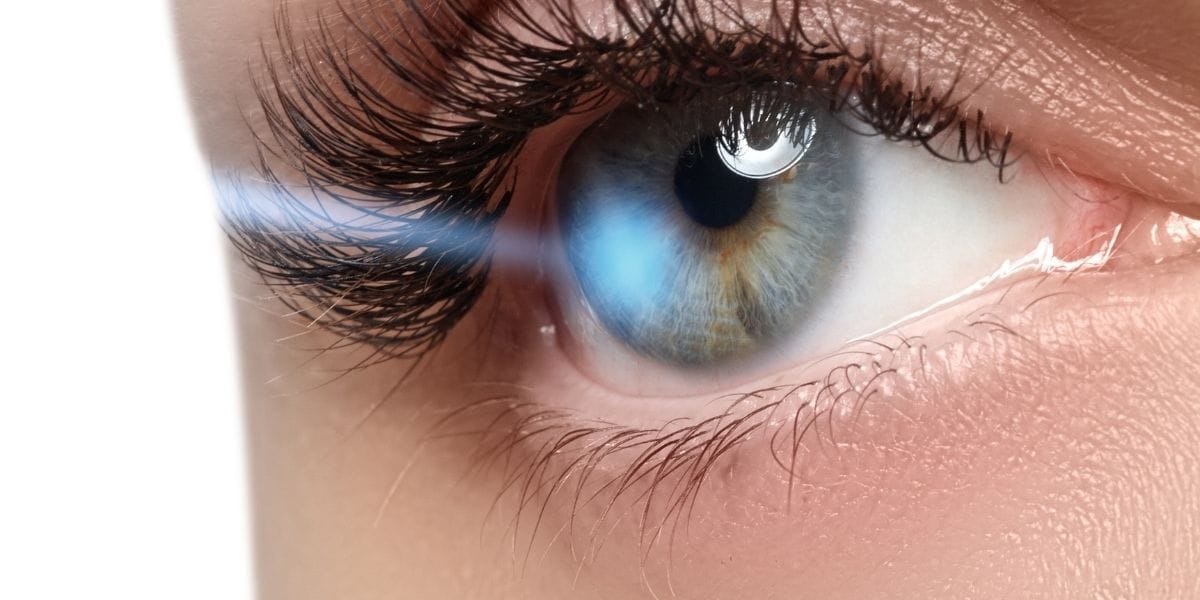
No-Touch Laser (TransPRK) is an innovative laser treatment applied without direct contact with the eye to correct vision problems. Unlike the LASIK method, there is no need to cut a flap in the cornea, making it ideal for patients with thin corneas or certain eye disorders.
However, during the recovery process, discomforts such as stinging and temporary blurred vision may occur. Achieving full clear vision usually takes several weeks to three months. As a result, TransPRK is a preferred method as a safe and effective solution.
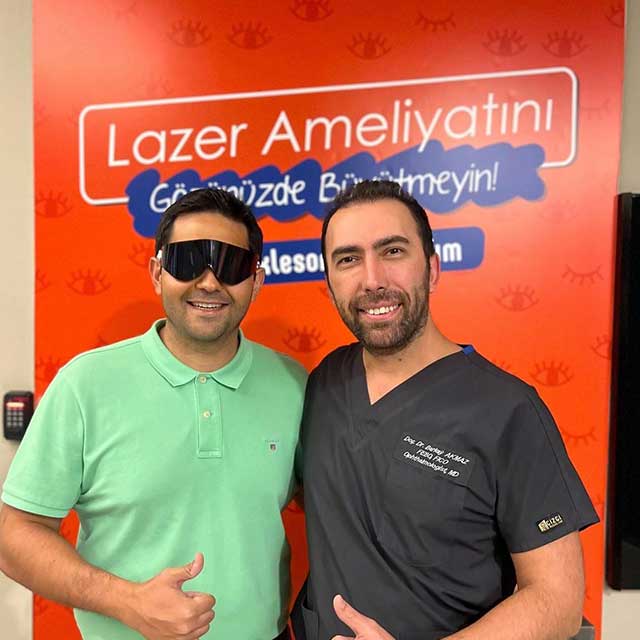
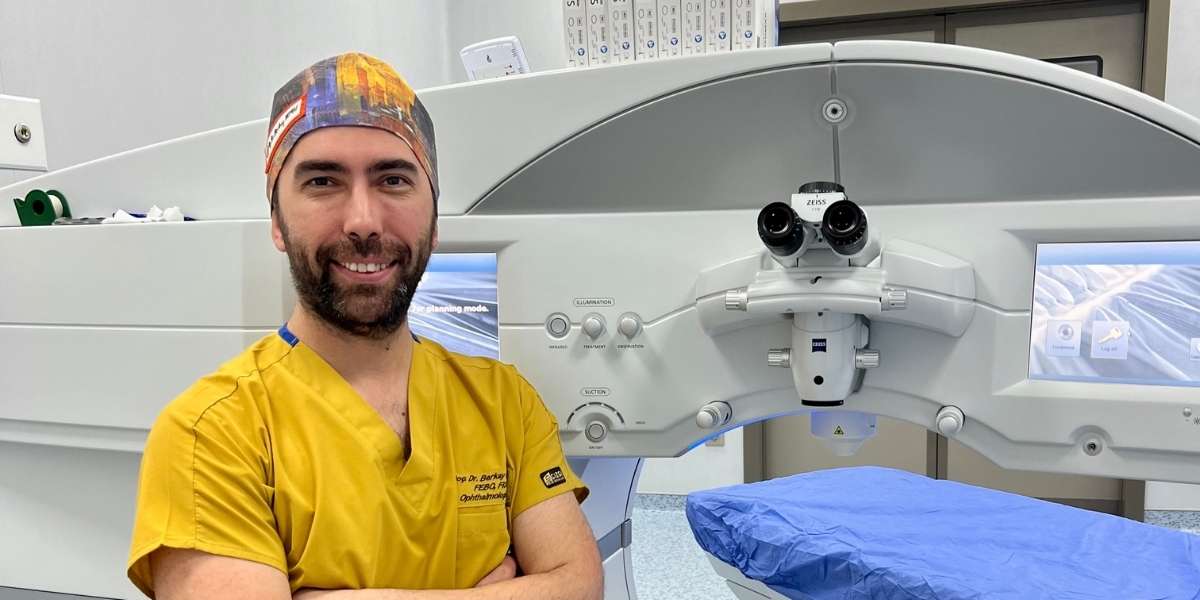
Turkey is one of the best country for No Touch Laser (TransPRK) at a afforable price. If you are looking for a place for No Touch Laser (TransPRK) abroad with best clinics and doctors, you are definitly on the right spot. Check Dr. Berkay Akmaz's No Touch Laser (TransPRK) prices, reviews and packages.
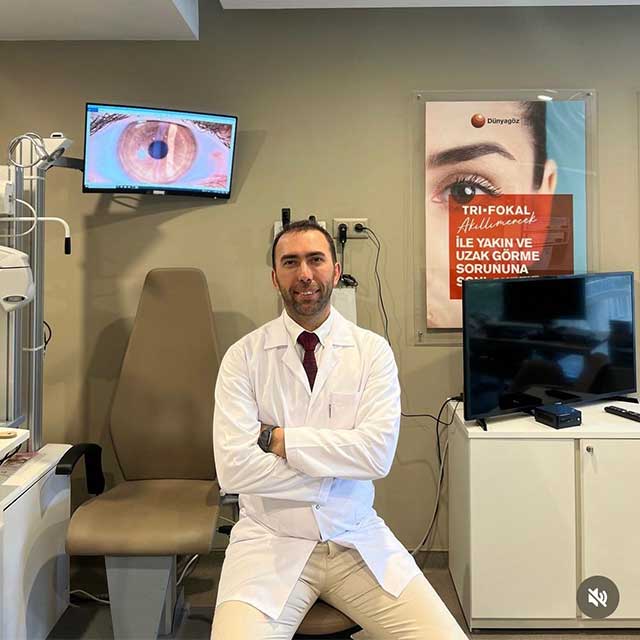
Ophthalmology Specialist – Assoc. Prof. Dr. Berkay Akmaz was born in İzmir in 1985. Due to his father's profession, he spent his primary school years in different cities. He began his education at Gülhane Military Medical Academy in 2003 and graduated with the title of Medical Doctor from Ege University Faculty of Medicine in 2010. In 2010, Assoc. Prof. Dr. Berkay Akmaz ranked 25th in the Medical Specialization Exam (TUS) in Turkey and started his specialization in the Department of Ophthalmology and Surgery at Dr. Lütfi Kırdar Kartal Education and Research Hospital. He completed his specialization training in 2014.






What is No Touch Laser?
No-Touch Laser is an advanced technique used in the field of eye surgery. The popularization of this method in the early 2000s is related to its potential to provide precision and minimal invasiveness in corneal reshaping. In 1999, the FDA approved the use of excimer lasers for the LASIK procedure, supported by extensive testing.
Later, in 2003, the introduction of wavefront technology marked a significant turning point in laser treatments. Because of this technology, patients’ treatments became personalized, and results were further improved. In line with these developments, No-Touch Laser quickly began to be accepted as an important alternative in eye surgery and offers effective results.
| Definition | A laser treatment used to correct refractive errors by reshaping the cornea without touching the surface of the eye. It is an advanced and painless version of PRK. |
| Applications | Myopia, hyperopia, and astigmatism treatment; preferred for patients with insufficient corneal thickness or unsuitable for other laser methods. |
| Mechanism of Action | The excimer laser is applied directly to the outer surface of the cornea without the need to remove or cut the epithelial layer. The cornea is reshaped to ensure proper focusing of light. |
| Advantages | 1. More comfortable healing process as it is applied without contacting the epithelial layer 2. Lower risk of infection since it does not require contact 3. Short application time |
| Disadvantages | 1. Temporary discomfort may occur in the initial days 2. Temporary blurred vision and light sensitivity may develop 3. Vision clarity may take a few weeks to improve |
| Treatment Process | The procedure is performed with local anesthetic eye drops and takes approximately 10-15 minutes. The laser is applied directly to the corneal surface without contacting the eye tissue. |
| Recovery Process | Initial discomfort may last a few days; vision clarity may take 1-2 weeks to improve. Complete healing is achieved within 2-3 months. Use of eye drops and doctor follow-ups are important. |
| Side Effects | Dry eyes, light sensitivity, mild blurred vision; rarely corneal haze or risk of infection. |
| Alternatives | 1. PRK (Photorefractive Keratectomy) 2. LASIK (Laser-Assisted In Situ Keratomileusis) 3. LASEK (Laser Epithelial Keratomileusis) |
| Eligibility Criteria | 18 years and older, with stable eye prescriptions, thin corneas, unsuitable for PRK or LASIK, and patients seeking a treatment that does not require contact. |
| Care and Follow-Up | Post-surgery doctor visits for several weeks, use of protective eye drops, and ensuring the eyes are protected from infections are recommended. |
How Does No Touch Laser Work?
No Touch Laser (NTL) works through a mechanism called photobiomodulation, which is effective at the cellular and molecular level. When laser light penetrates tissues, it is primarily absorbed by mitochondria and photoreceptors. This absorption triggers photophysical and photochemical reactions that increase cellular energy production, accelerating the production of adenosine triphosphate (ATP). Increased energy supports functions such as repair and proliferation of cells, speeding up the healing process.
Biochemically, the absorbed laser energy temporarily opens ion channels in the cell membrane, changing membrane permeability. This change allows calcium and sodium ions to enter the cell and affects the cellular pH level. As the ion balance changes, reactive oxygen species (ROS) are formed, which stimulate the release of growth factors and cytokines, promoting healing.
Additionally, laser energy triggers the release of nitric oxide (NO). When NO is released, it creates a vasodilation effect, increasing blood flow in the treated area and allowing more oxygen to be delivered to tissues. Increased blood flow supports the repair of damaged tissues and speeds up the healing process.
NTL also affects cellular signaling pathways, promoting stem cell differentiation and proliferation. This process particularly supports tissue repair and regeneration in musculoskeletal and neural therapies.
When is No Touch Laser Used?
No Touch Laser is used as an effective treatment method in various fields. It yields successful results in different health issues such as pain management, wound healing, eye diseases, and oncology. The main areas of use of the treatment are as follows:
- Acute and Chronic Pain Management: No Touch Laser is preferred to relieve pain in musculoskeletal disorders. By supporting cell regeneration, it increases blood flow, reduces inflammation markers, and thus provides pain management in issues such as temporomandibular joint disorders, tendinopathies, and arthritis. These effects provide rapid pain reduction after treatment.
- Wound Healing: It is used in dermatology and oncology to accelerate the wound healing process. By increasing collagen production and blood vessel formation, it promotes tissue healing. It also alleviates side effects caused by radiation, such as lymphedema, radiation dermatitis, and oral mucositis. These benefits are highly useful in treating tissue damage caused by radiation in cancer patients.
- Eye Diseases: It plays an important role in ophthalmology in the treatment of conditions such as diabetic retinopathy, age-related macular degeneration, and retinitis pigmentosa. It supports the reduction of edema and reabsorption of exudates, which helps preserve retinal health and visual acuity.
- Oncology Applications: It alleviates tissue damage caused by radiation and manages patients’ symptoms by reducing inflammation. During treatment, cellular responses such as the reduction of inflammatory cytokines and increased cellular repair are regulated.
Who is Not Suitable for No Touch Laser?
No Touch Laser treatment is not suitable for individuals with certain medical conditions and should be carefully evaluated. In particular, people with the following conditions should avoid this treatment:
- Cancer and Tumors: The use of No Touch Laser in areas with active cancer is contraindicated because the laser may promote cell proliferation. This can increase the growth or metastasis of cancerous cells.
- Pregnancy: Pregnant individuals should avoid laser treatments, especially in the abdominal and pelvic areas. The effects of the laser on fetal development have not been adequately researched and may carry potential risks.
- Photosensitivity: People with photosensitivity disorders or those using medications that increase light sensitivity should avoid laser treatment. This treatment may increase sensitivity and cause unwanted reactions on the skin.
- Active Infections: Applying laser to areas with active infections or open wounds is not recommended because this treatment may hinder the natural healing process. It may also increase the risk of spreading the infection.
- Bleeding Disorders: Individuals with a tendency to bleed or experiencing active bleeding should not use this treatment. Laser treatment may exacerbate bleeding and hinder clot formation.
- Epilepsy: People with epilepsy or a history of seizures should avoid treatment because the flashing lights of the laser may trigger seizures.
- Thyroid Gland Area: Laser application in the thyroid region is avoided, especially in individuals with thyroid dysfunction, as it may interfere with hormone levels.
- Children and Bone Growth Areas: In children, this treatment is generally not preferred due to the potential effects of the laser on bone growth plates.
How is No Touch Laser Applied?
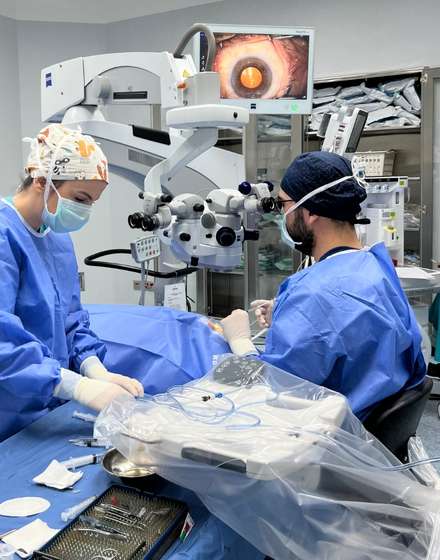
The No Touch Laser procedure is applied using a completely contactless surgical method assisted by laser. The application steps consist of three main stages: preoperative preparation, anesthesia and preparation, and laser application.
- Preoperative Preparation: Before surgery, a topographic map of the eye is created. This process is carried out using high-precision corneal topographers and provides detailed information about the surface structure of the eye. The pupil size is also examined under different light conditions with dynamic pupillometry. These measurements support tailoring the treatment to the eye’s unique characteristics.
- Anesthesia and Preparation: Topical anesthetic drops are applied to numb the eye, and then an eye speculum is placed to keep the eyelids open. These steps are very important for patient comfort. Then, the corneal surface is ensured to be completely dry.
- Laser Application: During the laser application stage, the corneal epithelium is removed in a single step using an excimer laser with the ablation method. There is no physical contact with the eye during this process. Software like SmartPulse or CIPTA customizes the corneal reshaping and guides it with precision. The application time of the laser usually varies between 30-40 seconds per eye. Unlike traditional methods, since no flap is created in the cornea in No Touch Laser, the risk of infection and complications is reduced, and the healing process is faster.
What are the Side Effects of No Touch Laser?
No Touch Laser surgery includes some side effects and complications. Although these side effects are usually mild, they may last longer for some patients. The most common side effects after No Touch Laser are:
- Dry Eyes: After surgery, patients may frequently encounter complaints of dry eyes. This condition can cause redness, burning, and a gritty sensation in the eyes. These symptoms usually last for a few weeks but may persist longer in some patients.
- Visual Disturbances: Many patients experience temporary visual disturbances after the procedure. These include glare, halos, starbursts, and blurred vision. These symptoms generally improve within a few weeks but may rarely be long-lasting.
- Pain and Discomfort: Removal of the epithelial layer may cause mild to moderate pain in the first few days after surgery. This discomfort can usually be alleviated with prescribed medications and lubricating eye drops.
However, rare but serious complications may also be seen in No Touch Laser surgery:
- Infection: Although the risk is reduced with prophylactic antibiotic use, eye infections may still rarely occur. Symptoms of infection include severe pain, discharge, and visual impairment. In this case, immediate medical intervention may be required.
- Corneal Haze: Corneal haze is an important risk factor seen in TransPRK surgery. This condition can lead to a slight hazy appearance in the cornea and may negatively affect visual quality in severe cases. In most cases, it resolves within a few months but may be permanent in some situations.
- Regression: The initial correction may not be permanent, and the eye may return to its preoperative state. This condition is more common, especially in high-degree visual impairments, and may require corrective procedures.
- Undercorrection or Overcorrection: Due to individual healing differences, some patients may experience less or more correction than expected. Significant overcorrections or undercorrections may require additional surgery.
- Scarring and Corneal Ectasia: If the cornea does not heal properly, scarring may occur. Additionally, corneal ectasia, which is thinning of the cornea, is a rare but serious complication and can lead to visual impairment. It may require additional treatment and, in severe cases, corneal transplantation.
How Successful is No Touch Laser?
TransPRK offers high success rates, especially in cases of low and moderate myopia. Various clinical studies have shown that this method effectively increases postoperative uncorrected distance visual acuity (UDVA). One study reports that 98% of eyes treated with TransPRK achieved 20/20 or better visual acuity at the end of 12 months.
Compared to femtosecond LASIK, this rate remains at the 90% level. It has been stated that TransPRK allows the vast majority of patients to achieve ±0.50 diopters of target refraction, and stable results are obtained especially in low and moderate myopia.
TransPRK has also been shown to be effective in cases of high myopia. In a retrospective study performed without using Mitomycin-C, 100% of the treated eyes achieved ±1.00 diopters of target refraction accuracy. Compared to LASIK, TransPRK provides better control over residual myopia in high myopia and keeps the rate of postoperative corneal haze at a minimum level.
- 20/25 visual acuity on the fourth day after surgery: Advanced technologies like SmartPulse smooth the corneal surface in TransPRK.
- Faster healing process: The rate of significant haze and complications after surgery is low (less than 1%).
- Lower biomechanical impact: TransPRK is an ideal option for patients with thinner corneas.
Overall, the safety index of TransPRK is at a similar level to LASIK, and there is no line loss in visual acuity.
How to Prepare for No Touch Laser?
There are some important preparation steps that patients should consider before No Touch Laser surgery. These steps are necessary to ensure the surgery goes successfully and to optimize the healing process. First, a detailed eye examination is performed. During this examination, the doctor will evaluate factors that may affect eye health.
Measuring corneal thickness, examining pupil size, and evaluating visual acuity are important for obtaining accurate results. Additionally, the prescription is expected to have been stable for more than a year. This helps postoperative visual results to be more consistent.
Some lifestyle and medication adjustments may be required in the preoperative period. Since contact lens use can affect the shape of the cornea, patients are advised to stop using lenses one to two weeks before surgery. Additionally, some medications may affect the accuracy of the laser; therefore, the doctor should be informed about the entire medication history. These steps are important to ensure the laser is applied correctly.
It is necessary to avoid certain substances on and before the day of surgery. Products like makeup and lotions that may create residue or particle risk in the eye area should not be used. Such products may negatively affect sterility and endanger the success of the surgery. Patients are advised to stop using eye makeup a few days before surgery.
Since vision may be partially blurred after surgery, patients are advised to have a companion with them. Especially in the first 24 hours, visual discomforts such as light sensitivity may be experienced, and the presence of someone to assist can provide great comfort to patients.
Finally, physical health preparations before surgery are also important. Adequate rest and balanced nutrition before surgery can contribute positively to the healing process. Additionally, avoiding alcohol and smoking before and after surgery accelerates the body’s healing process.
How Should Postoperative Care Be After No Touch Laser?
Post-laser treatment care includes important steps to accelerate the skin’s healing process and prevent unwanted complications. First, since the skin treated with laser becomes sensitive to sunlight, sun protection is critically important. During this period, it is necessary to use a broad-spectrum sunscreen with at least SPF 50 daily. Direct exposure to sunlight should be avoided for at least two weeks to protect from the harmful effects of the sun.
Moisturizing should also be prioritized during the healing process. Keeping the skin moist by using a gentle and fragrance-free moisturizer supports healing. Ingredients like petrolatum, ceramides, and lanolin in the moisturizer speed up the repair of the skin barrier. Alternatively, moisturizers containing aloe vera and beta-glucan have anti-inflammatory effects.
Avoiding irritating products is also necessary for the healthy progression of the healing process. Peeling products like retinoids, AHA, and BHA should not be used. Additionally, products containing alcohol and perfume should be avoided as they can cause extra irritation on sensitive skin.
For skin cleansing, gentle formulas and non-foaming cleansers should be preferred. Scrubbing should be avoided, and the skin should be gently dried with a soft towel. Avoiding hot water and intense water pressure in the first days will support skin healing.
Activities that cause intense heat and sweating are not recommended during the healing period. Avoiding activities like sauna, jacuzzi, and strenuous exercises helps reduce reactions like redness and swelling.
In more intensive laser treatments, wound care requires more attention. Prescribed antibiotic creams may be used to prevent infection. It is important not to force the crusts in peeling areas.
Finally, thermal spring water sprays provide relief on skin treated with laser. By cooling the skin, they reduce inflammation and speed up the healing process.
How Does Resistance Develop Against No Touch Laser?
The development of resistance to No Touch Laser treatment can occur through various cellular and molecular mechanisms. Firstly, cells may adapt to the effects of laser treatment by altering their metabolic pathways. Thus, they can increase their survival rates and reduce the effectiveness of the treatment.
For example, cells adapt to hypoxic conditions by stabilizing hypoxia-inducible factors. These factors lead to the activation of genes that support tumor growth and angiogenesis. This process also increases invasiveness, negatively affecting the success of the treatment.
Modulation of immune evasion mechanisms also contributes to the development of resistance. Cells may weaken immune responses by altering the expression of immune checkpoint molecules. Thus, by avoiding being targeted by the immune system, they reduce the effectiveness of the treatment.
How much does No-Touch Laser cost in Turkey?
No-Touch Laser cost in Turkey is between €1,400 – €1,700.
Recent Posts

Dermatochalasis (Eyelid Sagging)
Anasayfa » Eyelid » Dermatochalasis (Eyelid Sagging)Dermatochalasis (eyelid sagging) is a condition caused by excess [...]
Read MoreMar
Congenital Cataract
Anasayfa » Cataract » Congenital CataractCongenital cataract is an eye disease that occurs when the [...]
Read MoreMar

Causes of Blurred Vision in One Eye
Anasayfa » Eye Health » Causes of Blurred Vision in One EyeThe causes of blurred [...]
Read MoreDec

Comments from Patients with Pseudotumor Cerebri
Anasayfa » Uncategorized » Comments from Patients with Pseudotumor CerebriComments from patients with pseudotumor cerebri [...]
Read MoreDec

Reviews of People Who Have Undergone Corneal Surgery
Anasayfa » Eye Health » Reviews of People Who Have Undergone Corneal SurgeryReviews from people [...]
Read MoreDec
Keratoconus Patient Reviews
Anasayfa » Eye Health » Keratoconus Patient ReviewsKeratoconus patient reviews provide important insights into the [...]
Read MoreDec

How Long Does Cataract Surgery Take?
Anasayfa » Cataract » How Long Does Cataract Surgery Take?The answer to the question of [...]
Read MoreDec
How Do Under-Eye Dark Circles Go Away?
Anasayfa » Uncategorized » How Do Under-Eye Dark Circles Go Away?The question of how under-eye [...]
Read MoreDec
Gallery