Türkçe
 Deutsch

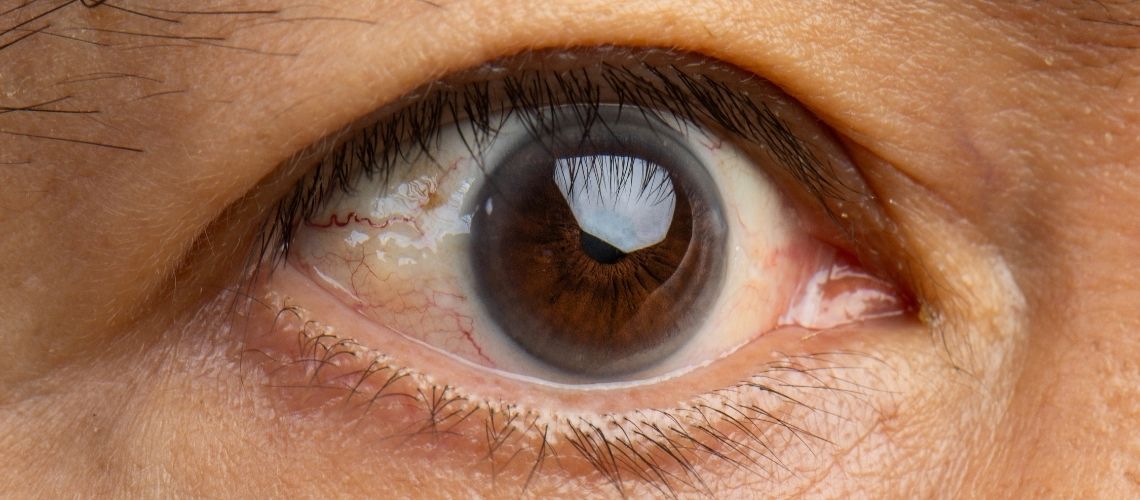
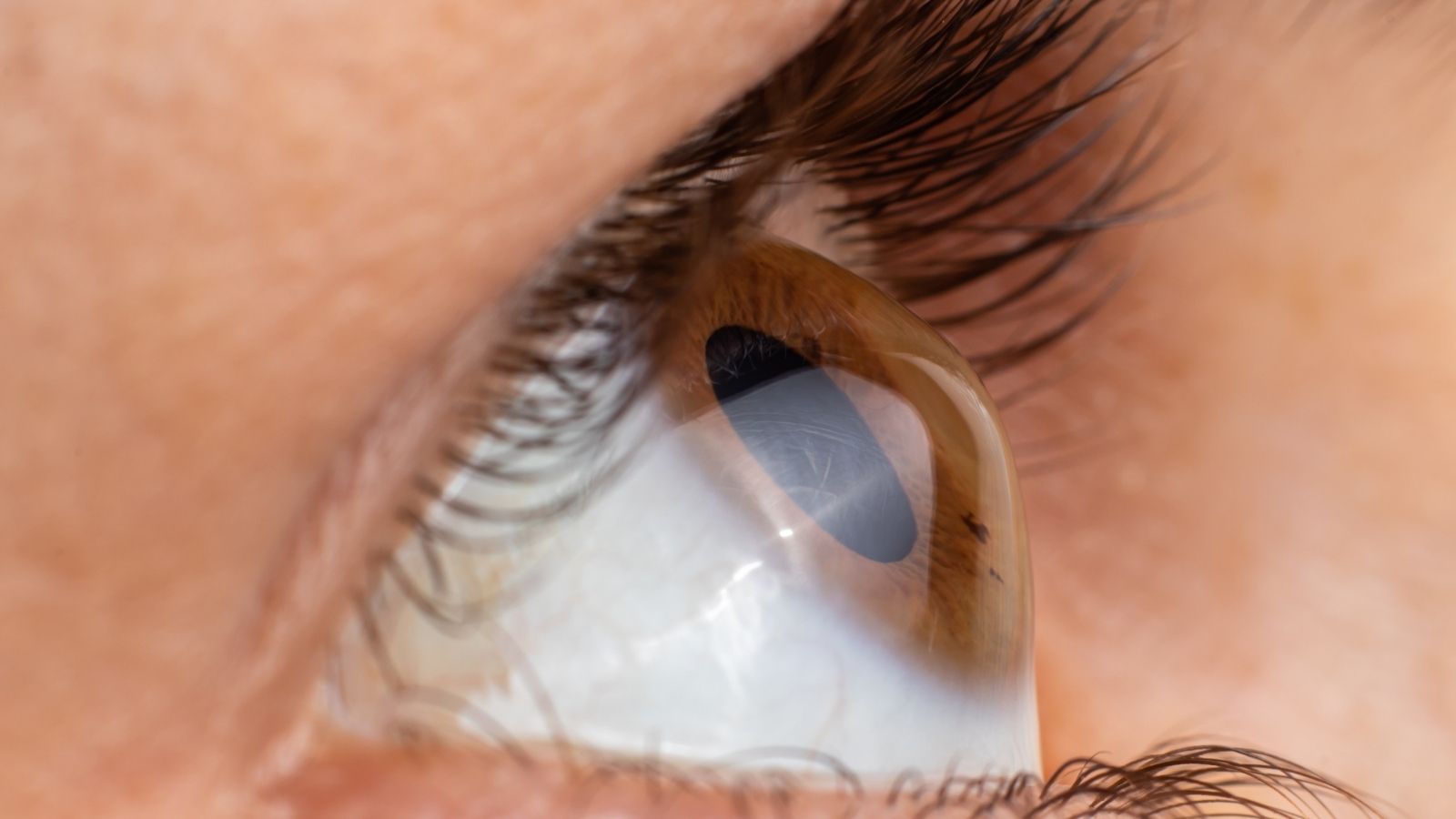
Exophthalmos is a condition characterized by the forward protrusion of the eyeball. The most common cause is thyroid gland disorders, particularly associated with Graves’ disease. Protruding eyes can lead to both cosmetic and functional problems.
In exophthalmos, symptoms such as dry eyes, difficulty closing the eyelids, and double vision may be observed. In severe cases, corneal damage or optic nerve compression can develop. Therefore, early diagnosis is important.
Eye examination, orbital imaging methods, and thyroid function tests are used in the diagnosis of the disease. Treating the underlying thyroid disease is the main approach to improving eye symptoms.
Treatment planning may include medication, radiotherapy, or surgical methods. In severe cases, orbital decompression surgery can reduce pressure on the optic nerve. Regular follow-up is necessary to preserve visual health.
| Medical Term | Exophthalmos (also referred to as Proptosis) |
| Prevalence | Common in individuals with Graves’ disease |
| Risk Factors | Autoimmune thyroid diseases (especially Graves’), orbital tumors, infections |
| Symptoms | Eye protrusion, dry eyes, double vision, eyelid tightness |
| Complications | Optic nerve compression, vision loss, corneal ulcer |
| Diagnostic Methods | Physical examination, ocular ultrasound, CT/MRI, thyroid function tests |
| Treatment Options | Treatment of the underlying disease (e.g., thyroid control), corticosteroids, radiotherapy, surgery |
| Surgical Indications | Vision-threatening conditions, cosmetic correction |
| Preventive Measures | Control of autoimmune diseases, early diagnosis |
What Is Exophthalmos?
Exophthalmos is the forward displacement of the eyeball from its normal position. It is most commonly seen in Graves’ disease, which results from overactivity of the thyroid gland. It manifests with eye prominence, dryness, redness, and sometimes double vision. Swelling of the eye muscles and surrounding tissues pushes the eye outward. Treatment may be medical, surgical, or radiotherapeutic, depending on the underlying cause.
What Causes Exophthalmos?
The orbit, or eye socket, is a bony cavity with fixed volume. When any tissue inside this enclosed space increases in volume, it pushes the eyeball outward due to limited expansion capacity. This simple mechanism explains why various diseases can lead to the same symptom: exophthalmos.
The most common cause in adults is Thyroid Eye Disease. However, many other potential causes must also be considered. The main conditions that can lead to exophthalmos include:
- Thyroid Eye Disease (Graves’ Ophthalmopathy)
- Orbital infections (Orbital cellulitis)
- Benign tumors (Hemangioma, dermoid cyst)
- Malignant tumors (Lymphoma, rhabdomyosarcoma, metastases)
- Non-thyroid inflammatory conditions (Orbital pseudotumor, sarcoidosis)
- Hemorrhages due to eye or head trauma
- Vascular abnormalities (Arteriovenous fistula)
As seen in this list, exophthalmos is not always thyroid-related. Particularly when a sudden protrusion occurs in one eye, it may suggest an infection or tumor that requires urgent intervention. Therefore, a detailed evaluation by a specialist physician is essential to correctly determine the underlying cause.
What Is the Relationship Between Thyroid Eye Disease and Exophthalmos?
In adults, the most common cause of exophthalmos is Thyroid Eye Disease, also known as Graves’ Ophthalmopathy. But how can a thyroid issue affect the eyes so significantly? Think of it as a case of immune system confusion. Normally, the immune system protects us from external pathogens, but in this disease, it mistakenly attacks the body’s own healthy tissues.
In Thyroid Eye Disease, immune cells target the muscles and fat tissue located behind the eyes. This triggers a strong inflammatory reaction. Two main changes occur in these tissues as a result: first, the tissues swell with fluid (edema), and second, the number and size of fat-producing cells increase. Thus, both existing tissues swell, and new tissue formation is triggered.
Since the bony orbit cannot expand, the increase in internal volume pushes the eyeball forward, resulting in exophthalmos. This condition typically occurs in people with overactive thyroid (hyperthyroidism or “toxic goiter” in lay terms) due to Graves’ disease. However, in rare cases, it can also develop in individuals with underactive thyroid (hypothyroidism) or even normal thyroid function. It is important to note that the disease tends to be more severe and resistant to treatment in individuals who smoke.
What Symptoms Should Raise Concern for Exophthalmos?
Although exophthalmos itself is a symptom, it usually occurs along with other complaints. If the eye protrusion develops gradually, it may not be immediately noticed by the individual or others. Often, associated discomforts prompt patients to seek medical attention.
Common symptoms indicative of exophthalmos include:
- Eyes appearing more open or “startled”
- Swelling of the eyelids and around the eyes
- Persistent dryness, burning, or stinging in the eyes
- Pain or pressure sensation that worsens with eye movement
- Double vision
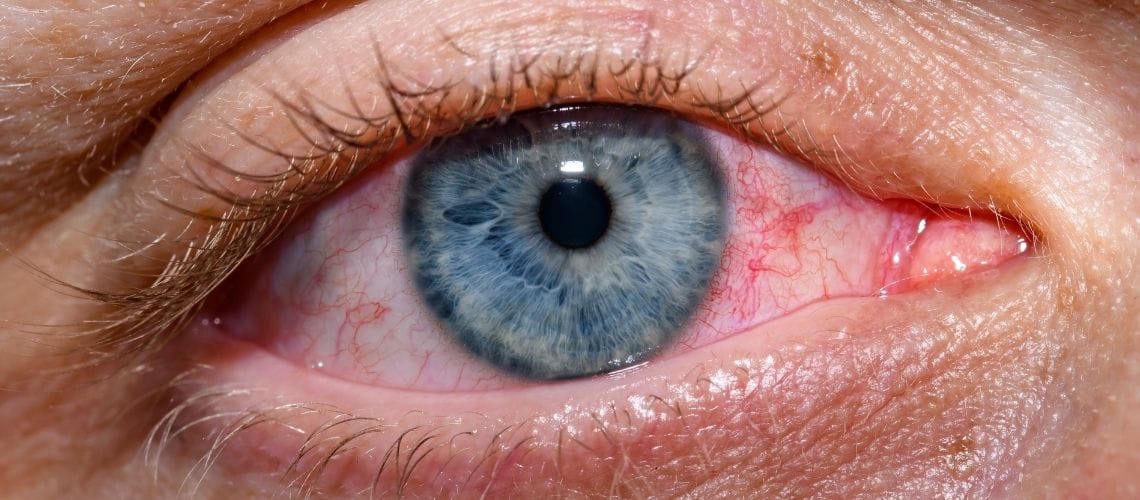
- Redness and bloodshot appearance in the eyes
- Excessive tearing
- Increased light sensitivity (photophobia)
- Blurred vision or decreased visual acuity
The presence of one or more of these symptoms may indicate an underlying issue. Especially sudden-onset eye protrusion, severe pain, and vision loss are considered “red flags” and require urgent medical attention. These symptoms could signal that the optic nerve is at risk or that an aggressive process (such as infection, hemorrhage, or tumor) is occurring.
Which Methods Are Used to Diagnose Exophthalmos?
Reaching a diagnosis in a patient presenting with exophthalmos complaints requires piecing together clues like a detective. The process begins by listening to the patient’s history. Details such as when the symptoms started, how they progressed, and whether there is pain or changes in vision provide the first insights into possible causes.
After the history, a comprehensive eye examination is performed. The main evaluations during this examination include:
- Visual acuity and color vision tests
- Intraocular pressure measurement
- Eye movement check and diplopia examination
- Examination of the anterior and posterior segments of the eye with a biomicroscope
- Special tests to assess the condition of the optic nerve
One of the most important complements to these basic examinations is the exophthalmometer. Using a special ruler called the “Hertel exophthalmometer,” the degree of eye protrusion is measured in millimeters. This objective measurement is critically important for confirming the diagnosis and monitoring disease progression or treatment response.
Additional tests are used to support clinical findings and clarify the underlying cause. Blood tests assess thyroid hormone levels and thyroid antibodies. Radiological methods such as Computed Tomography (CT) or Magnetic Resonance Imaging (MRI) are used to visualize the structures, muscles, nerves, and fat tissues within the orbit in detail. These imaging methods are the gold standard for detecting tumors, infections, or muscle thickening specific to Thyroid Eye Disease.
What Serious Consequences Can Untreated Exophthalmos Lead To?
Seeing exophthalmos as merely a cosmetic issue would be a grave mistake. If left untreated, it can lead to serious complications that may permanently threaten vision. These risks clearly demonstrate why the condition must be taken seriously.
The major dangers posed by untreated exophthalmos include:
- Corneal Damage
- Optic Nerve Compression (Permanent Vision Loss)
- Persistent Double Vision
- Severe Cosmetic and Psychosocial Problems
At the top of these risks is corneal damage. Since the eyes protrude forward, the eyelids may not close even during sleep. The eye surface, constantly exposed to air, dries out, leading to severe pain, infections, and open wounds on the cornea called “ulcers.” If these ulcers leave scars while healing, they can cause permanent visual blurring.
The most feared complication is optic nerve compression. Increased pressure in the orbit compresses the optic nerve, which carries images from the eye to the brain, like a vice. If this pressure continues, the nerve fibers gradually become damaged and start to die. This process begins with impaired color vision and, if untreated, can result in complete irreversible blindness. Therefore, optic nerve compression is a condition that requires urgent surgical intervention.
What Approaches Are Taken in the Treatment of Exophthalmos?
Exophthalmos treatment is not a “one-size-fits-all” recipe. The treatment plan is entirely personalized based on the underlying cause, the severity of the disease, and whether it is active. For example, if the cause is an infection, antibiotic treatment is planned; if it’s a tumor, oncological treatments are considered.
In cases of Thyroid Eye Disease, the most common cause, treatment is determined based on the phase of the disease. Whether the disease is in the active, inflammatory “hot” phase or the “quiet” phase where inflammation has subsided and only permanent changes remain completely alters the treatment approach.
The goal during the active phase is to suppress inflammation and stop disease progression. The main medical treatments used for this purpose include:
- Corticosteroids (Steroids)
- Biologic Agents (Targeted Drugs)
- Orbital Radiotherapy (Radiation Therapy)
Steroids are used to strongly suppress inflammation and are generally administered intravenously. Biologic agents are newer drugs that act more specifically on the immune dysfunction underlying the disease. In the quiet phase, medical treatments have no role. In this phase, the goal is to surgically correct permanent problems (eye protrusion, double vision, eyelid abnormalities). At every stage, supportive treatments like artificial tears to prevent dry eyes are an indispensable part of the therapy.
When and How Is Exophthalmos Surgery Performed?
Surgical treatment in exophthalmos management is generally considered when medical treatments fail or in the presence of certain emergencies. Surgery is planned to protect vision or improve quality of life.
The main situations where surgical intervention is necessary include:
- Optic nerve compression (emergency)
- Threat to corneal integrity
- Severe disease unresponsive to medications
- Persistent eye protrusion in the quiet phase that bothers the patient
- Persistent double vision affecting daily life
- Severe eyelid deformities
Surgical planning for exophthalmos due to Thyroid Eye Disease is typically done using a staged approach. Depending on the patient’s needs, multiple surgeries may be required, and these follow a specific sequence. Usually, orbital decompression surgery is performed first to reduce eye protrusion. If double vision persists, strabismus surgery is done next. Finally, eyelid surgery is performed to improve lid position and aesthetics.
The basic principle of orbital decompression surgery is to increase the volume of the orbit. This is achieved by removing parts of the thin bony walls of the orbit or the excess fat behind the eye. This creates space for the eyeball to retract. The surgery can be performed using different techniques, such as through the nose (endoscopically) or via the eyelid crease, depending on the case.
Is Exophthalmos Different in Children?
Yes, exophthalmos can also occur in childhood, but both the causes and the urgency of intervention differ significantly from adults. Eye protrusion noticed in a child should always be taken very seriously and evaluated by a specialist without delay.
As mentioned earlier, the most common cause in adults is Thyroid Eye Disease. However, this is quite rare in children. The most likely causes of childhood exophthalmos include:
- Orbital Cellulitis
- Rhabdomyosarcoma
- Leukemia and Lymphoma
- Neuroblastoma
- Dermoid Cyst
- Capillary Hemangioma
Frequently Asked Questions
What are the most common causes of exophthalmos and why do the eyes protrude forward?
Exophthalmos occurs when tissues behind the eye become enlarged or inflamed, pushing the eyeball forward. Thyroid eye disease is the most common cause, although tumors, infections, trauma, and vascular abnormalities may also contribute.
How can thyroid eye disease lead to exophthalmos and vision-related complications?
In thyroid eye disease, inflammation and swelling affect the muscles and fatty tissues around the eye. This can cause eye protrusion, discomfort, double vision, and, in severe cases, pressure on the optic nerve that threatens vision.
What symptoms usually accompany exophthalmos besides bulging eyes?
People with exophthalmos may experience eye dryness, redness, excessive tearing, pain, light sensitivity, double vision, or difficulty closing the eyelids completely. Symptoms vary depending on the underlying cause and disease severity.
Can exophthalmos affect only one eye or does it usually involve both eyes?
Exophthalmos can affect one or both eyes. Thyroid-related cases often involve both eyes, while tumors, infections, injuries, or localized inflammatory conditions may cause protrusion that is limited to a single eye.
When should exophthalmos be considered a medical emergency requiring urgent evaluation?
Sudden eye protrusion, severe pain, vision loss, color vision changes, or restricted eye movements may indicate a serious condition. Immediate medical attention is important to identify the cause and prevent permanent complications.
How is the underlying cause of exophthalmos diagnosed by eye specialists?
Diagnosis may include a comprehensive eye examination, thyroid function tests, imaging studies such as CT or MRI scans, and visual assessments. These tests help determine the cause and guide the most appropriate treatment plan.
What treatment options are available for exophthalmos caused by thyroid eye disease?
Treatment may involve controlling thyroid function, lubricating eye drops, corticosteroids, biologic therapies, radiation treatment, or surgery. The choice depends on symptom severity, disease activity, and the presence of vision-threatening complications.
Can surgery permanently improve eye protrusion associated with exophthalmos?
Orbital decompression surgery can reduce eye protrusion by creating additional space within the eye socket. Many patients experience significant improvement, although outcomes vary according to anatomy, disease severity, and overall eye health.
What lifestyle changes may help prevent worsening of exophthalmos symptoms?
Avoiding smoking, managing thyroid disease carefully, protecting the eyes from dryness, and attending regular follow-up appointments may help reduce symptom progression. Smoking is particularly associated with more severe thyroid eye disease outcomes.
What is the long-term prognosis for people living with exophthalmos?
The outlook depends on the underlying cause, treatment timing, and disease severity. Many individuals achieve symptom control with appropriate care, while untreated or advanced cases may lead to persistent visual and cosmetic concerns.