Türkçe
 Deutsch


Combining different methods in the treatment of astigmatism and presbyopia can be effective in improving patients’ visual quality. Especially astigmatism treatment options such as toric lenses and laser surgery are widely preferred. In addition, there are optical solutions for presbyopia such as multifocal glasses and contact lenses. With surgical interventions, presbyopia-correcting intraocular lenses or corneal inlays can be applied. Furthermore, new pharmacological solutions offer a non-invasive alternative by improving near vision with pilocarpine-based eye drops. It is recommended to combine these treatment methods in a way that suits individual needs.
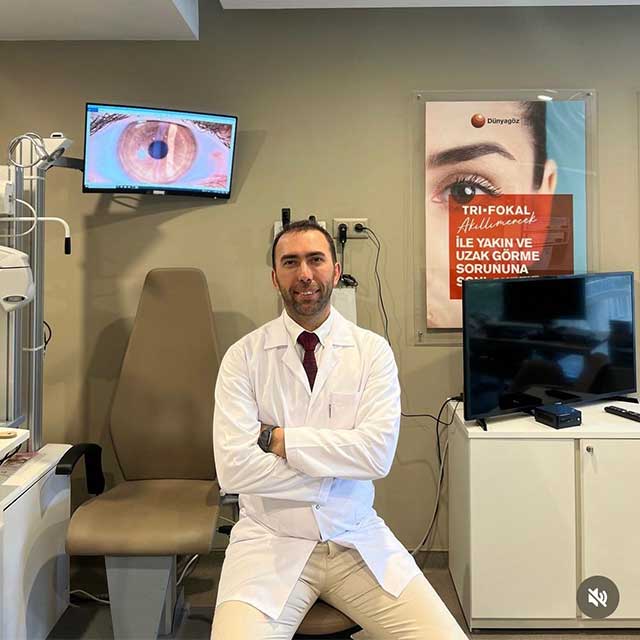
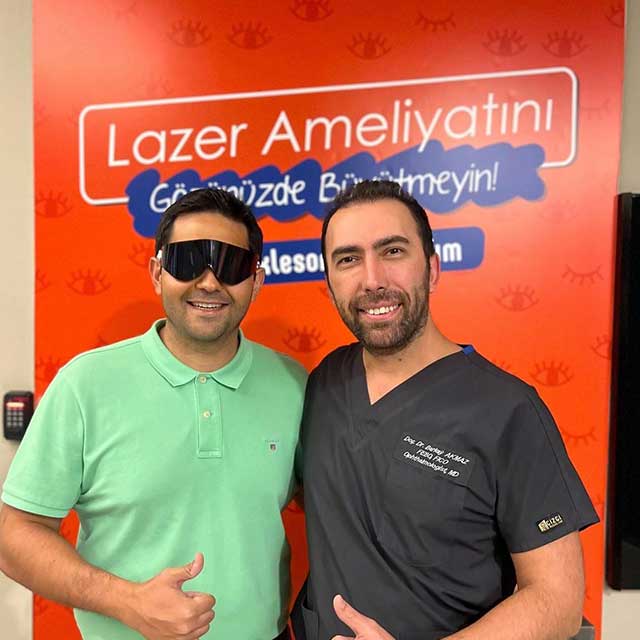
Turkey is one of the best country for Astigmatism and Presbiotia Treatment at a afforable price. If you are looking for a place for Astigmatism and Presbiotia Treatment abroad with best clinics and doctors, you are definitly on the right spot. Check Dr. Berkay Akmaz's Astigmatism and Presbiotia Treatment prices, reviews and packages.
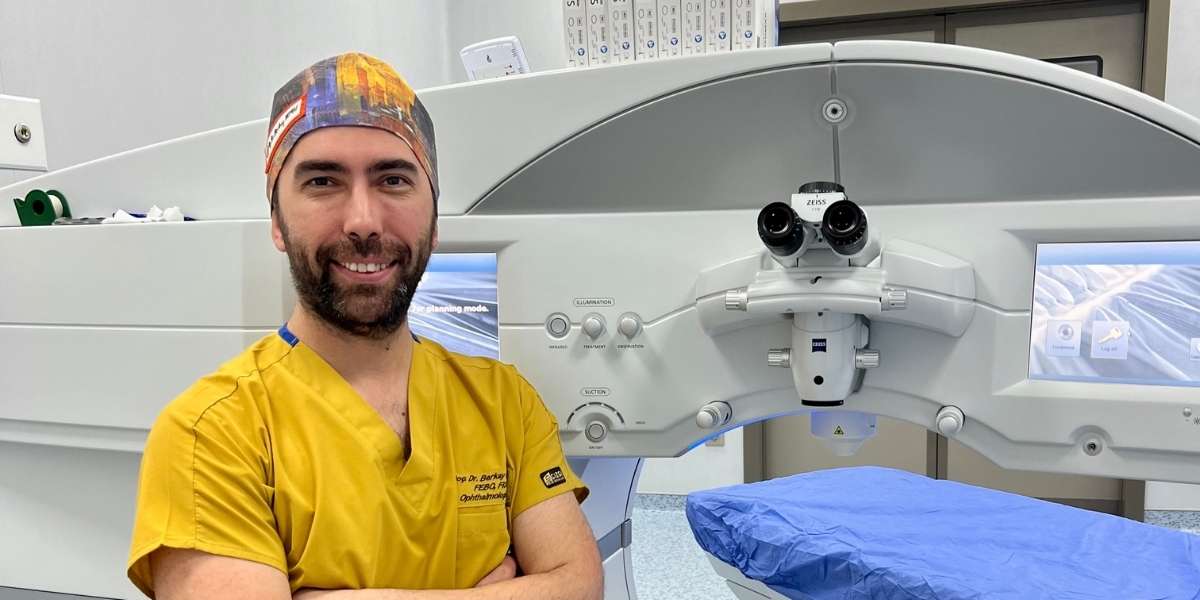
Ophthalmology Specialist – Assoc. Prof. Dr. Berkay Akmaz was born in İzmir in 1985. Due to his father's profession, he spent his primary school years in different cities. He began his education at Gülhane Military Medical Academy in 2003 and graduated with the title of Medical Doctor from Ege University Faculty of Medicine in 2010. In 2010, Assoc. Prof. Dr. Berkay Akmaz ranked 25th in the Medical Specialization Exam (TUS) in Turkey and started his specialization in the Department of Ophthalmology and Surgery at Dr. Lütfi Kırdar Kartal Education and Research Hospital. He completed his specialization training in 2014.






What Is Astigmatism and Presbyopia Treatment?
Astigmatism is caused by irregular curvature of the cornea or lens, leading to blurred vision. On the other hand, presbyopia is the difficulty in focusing on close distances due to age-related changes. Treatment methods for these two conditions have evolved over time and today offer a wide range of options. For example, FDA-approved LASIK surgery has been widely used since 1999 for correcting astigmatism. For presbyopia, in November 2021, the FDA approved eye drops called Vuity, providing a non-invasive solution. These drops improve near vision without affecting distance vision. Additionally, research continues on new pharmacological solutions for treating both visual defects.
What Are the Treatment Options for Astigmatism and Presbyopia?
Astigmatism and presbyopia are different refractive errors; astigmatism causes blurred and distorted vision, while presbyopia leads to difficulty seeing near objects as a natural part of aging. Several treatment methods can address both conditions simultaneously. The main treatment options include:
- Multifocal or Trifocal Toric Intraocular Lenses: Used during cataract surgery to correct both astigmatism and near vision problems.
- EDOF Toric Lenses: Provide extended depth of focus and uninterrupted clarity; effective for both astigmatism and presbyopia.
- Monovision Laser Treatment: One eye is corrected for distance vision and the other for near vision, offering a combined solution.
- PresbyLASIK: A special laser profile is applied to the cornea to improve both near and distance vision.
- Toric Intraocular Contact Lenses: Specially designed lenses that correct both astigmatism and presbyopia.
- Reading Glasses or Multifocal Glasses: Non-surgical, traditional, and commonly used solutions.
How Does Astigmatism and Presbyopia Treatment Work?
Astigmatism and presbyopia treatments aim to improve visual quality by targeting different structural problems of the eye. In astigmatism treatment, the irregular curvature of the cornea is corrected to ensure that light is properly focused on the retina. Various methods are used to achieve this goal. Glasses and contact lenses offer a non-invasive option, compensating for the irregular focusing caused by astigmatism. Refractive surgery reshapes the cornea to eliminate the irregular curvature. Additionally, small incisions made on the cornea through astigmatic keratotomy help the cornea take on a more regular shape.
In presbyopia treatment, the aim is to address the age-related stiffening of the lens and try to solve near vision problems. This treatment occurs through different mechanisms depending on the method used. Pharmacological treatments improve near vision by constricting the pupil, thus increasing depth of field. For example, the “pinhole effect” created by miotic drops enhances near focusing. Additionally, lens-softening agents aim to restore the elasticity of the lens, improving accommodation.
Surgical methods also hold an important place in presbyopia treatment. These treatment approaches are preferred especially for individuals with advanced near vision loss. Corneal inlays are placed inside the cornea to increase depth of field. The PresbyLASIK method creates a multifocal surface on the cornea, supporting both near and distance vision. Refractive lens exchange involves removing the eye’s natural lens and replacing it with a multifocal intraocular lens.
In addition, some combination therapies both improve near vision and prolong the treatment duration. For example, combination drugs like brimochol maintain the pupil-constricting effect for a longer time. Thus, users achieve clear vision for an extended period while keeping side effects to a minimum.
When Is Astigmatism and Presbyopia Treatment Used?
Astigmatism and presbyopia treatment is preferred when a person experiences vision problems that affect daily life. The need for treatment usually arises when astigmatism and presbyopia symptoms become noticeable. Astigmatism is caused by the irregular curvature of the cornea, while presbyopia occurs as a result of the eye’s decreased ability to focus due to aging.
The methods that can be used when astigmatism treatment is needed are:
- Toric intraocular lenses (IOLs): Used especially during cataract surgery to correct astigmatism.
- Corneal incisions: Procedures like Limbal Relaxing Incision (LRI) and Arcuate Keratotomy (AK) are preferred for mild to moderate astigmatism.
- Glasses and contact lenses with cylindrical correction: Help balance irregular curvature for low-degree astigmatism.
The methods that can be used when presbyopia treatment is needed are:
- Glasses and contact lenses: Reading glasses or bifocal/progressive lenses are among the most common non-invasive solutions.
- Surgical treatments: With laser surgery options like PresbyLASIK and extended depth of focus (EDOF) IOLs, both astigmatism and presbyopia are corrected simultaneously.
- Pharmacological treatments: Eye drops improve near vision by increasing depth of focus.
Who Is Not Suitable for Astigmatism and Presbyopia Treatment?
Astigmatism and presbyopia treatment may not be suitable for individuals with certain health conditions. Especially corneal diseases can reduce the effectiveness and safety of these treatment methods. Individuals with thin corneas or conditions like keratoconus are not suitable candidates for excimer laser treatments like LASIK. Additionally, severe dry eye syndrome can negatively affect the success of such surgeries and reduce visual quality.
Furthermore, ocular surface pathologies should be controlled before surgical interventions for astigmatism and presbyopia. Uncontrolled blepharitis or conjunctival inflammation can complicate the postoperative healing process.
On the other hand, procedures that can increase intraocular pressure in patients with glaucoma may jeopardize eye health. Therefore, such interventions are not recommended for individuals with advanced glaucoma. Individuals with diabetic retinopathy should also avoid treatment options that include the use of multifocal intraocular lenses (IOL). Retinal changes due to diabetes can negatively affect visual acuity.
Additionally, multifocal IOL implantations are not suitable for individuals with age-related macular degeneration (AMD). This condition can prevent achieving the desired visual improvement. Also, individuals with fluctuating refractive errors require a stable eye structure for astigmatism and presbyopia treatment. These patients should wait to achieve a stable level of refraction to ensure that treatment results are successful in the long term.
How Is Astigmatism and Presbyopia Treatment Applied?
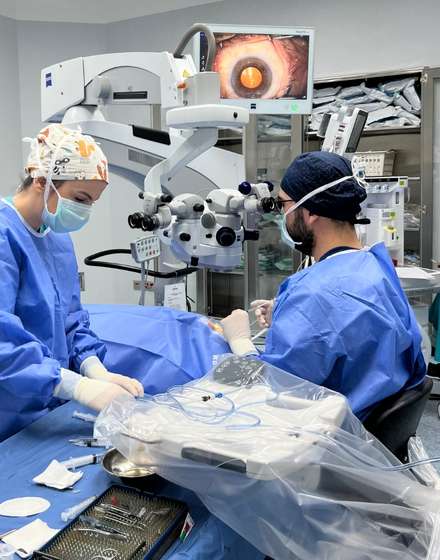
Astigmatism and presbyopia treatments include various options that can be adapted to patients’ visual needs. Firstly, in astigmatism treatment, methods like corneal incisions and toric intraocular lenses (IOLs) stand out. Corneal incisions are applied using techniques such as limbal relaxing incisions or arcuate keratotomy, offering solutions to mild and moderate astigmatism problems by flattening the shape of the cornea. Toric IOLs are preferred for more predictable results and are placed during surgery thanks to their specially designed structures to correct astigmatism ranging from 0.75D to 6D. However, precise alignment is critically important in this method.
In presbyopia treatment, laser vision correction techniques and corneal inlays are widely used. PresbyLASIK applications performed with laser reshape the cornea, improving both distance and near vision. Techniques like Laser Blended Vision (LBV) increase depth of focus and yield successful results. On the other hand, corneal inlays offer a reversible option; inlays like Kamra or Raindrop are placed in the cornea to increase depth of field.
Additionally, multifocal and accommodative IOLs can also be preferred:
- Multifocal IOLs are used in cataract surgery to provide clear vision at different distances.
- Accommodative IOLs replace the eye’s natural lens, providing various focal points along with possible side effects like glare.
What Are the Side Effects of Astigmatism and Presbyopia Treatment?
Astigmatism and presbyopia treatments may come with some side effects and complications. Especially after refractive surgeries like LASIK, common side effects include:
- Dry eyes: A decrease in tear production may occur, leading to discomfort and the need for artificial tears.
- Visual disturbances: Patients may encounter disturbing effects like glare, halos, or starbursts, especially at night.
- Regression: Improvement may decrease over time and may require additional procedures.
- Corneal flap complications: Improper healing or displacement of the flap can lead to serious vision problems.
- Corneal ectasia: Thinning of the cornea can pose a serious risk in patients prone to corneal weakness.
- Infection and inflammation: Postoperative infections are rare but can cause long-term damage.
Side effects can also occur in the methods used for presbyopia treatment. Some side effects of treatment options such as eye drops, lens implants, or corneal inlays are as follows:
- Retinal complications: Retinal detachment or tears may occur, especially in conditions like high myopia.
- Blurred vision, glare, and halos: These side effects may be seen after lens implants, and some patients may report a decrease in near vision.
- Infection, inflammation, and bleeding: Such complications may develop after invasive treatments like lens implants or corneal inlays.
How Successful Is Astigmatism and Presbyopia Treatment?
The success of astigmatism and presbyopia treatments is quite high with modern technology and methods. In astigmatism treatments, toric intraocular lenses (IOLs) and laser vision correction procedures offer effective results. Toric IOLs correct astigmatism during cataract surgery and achieve a high success rate of around 95%.
More than 90% of patients achieve the target refractive error within a range of ±1.00 D after surgery, obtaining significant visual improvement. Laser astigmatism corrections show successful results up to 6 diopters, and after SMILE treatment, 98% have achieved 20/25 or better visual acuity.
Presbyopia treatments also stand out with similarly high success rates. By using multifocal and accommodative IOLs, up to 80% of patients have the chance to achieve freedom from glasses at both near and far distances. PresbyLASIK treatment helps 85-90% of patients maintain their distance vision while providing satisfactory near vision. This treatment balances distance and near vision by expanding depth of focus through the method of creating controlled spherical aberration.
Pharmacological treatments for presbyopia yield promising results. The success rates of these treatments are still experimental, and topical drops like pilocarpine have improved near vision by 60-70%. However, more studies are needed on long-term results.
How to Prepare for Astigmatism and Presbyopia Treatment?
There are some important steps to be considered during the preparation process for astigmatism and presbyopia treatment. First, having a healthy ocular surface is of great importance in the preoperative evaluation. Therefore, if there are issues such as dry eye or corneal surface irregularities, these conditions should be corrected. Otherwise, the precise measurements required during surgery may be affected, and treatment results may be negatively impacted.
Making accurate measurements is a critical step for successful surgical planning before astigmatism and presbyopia treatment. Techniques such as topography and keratometry are used especially to accurately determine the degree of astigmatism. Advanced tools like aberrometry during surgery also enhance the accuracy of these measurements, facilitating the surgeon’s work. Proper planning is necessary for the successful application of toric lenses or laser-assisted methods.
Developing patient-specific plans during the preoperative preparation process is essential. Especially arcuate incisions and toric intraocular lenses provide personalized solutions, offering treatment suitable for the patient’s visual needs. For example, factors such as incision depth and corneal thickness are considered based on age.
How Should Post-Treatment Care Be After Astigmatism and Presbyopia Treatment?
Postoperative care after astigmatism and presbyopia surgery is very important for a successful healing process. Patients should use eye protectors, especially during sleep, to protect their eyes. Since the eyes may be highly sensitive to light, protective sunglasses are also recommended. The use of prescribed medications reduces the risk of infection and accelerates healing. These eye drops usually contain anti-inflammatory antibiotics and steroids, and it’s necessary to follow the prescribed schedule.
Additionally, it’s important to avoid certain activities that may negatively affect the healing process. Strenuous activities, heavy lifting, and movements that put pressure on the eyes, such as swimming, should be avoided during the first few weeks after surgery. Situations like sneezing or vomiting, which can strain the eyes, may pose risks to eye health. Furthermore, contact with water or makeup around the eyes should be avoided. To prevent infection risk, exposure to water from showers, pools, or hot tubs is not recommended.
Regular follow-up visits after treatment play a critical role in evaluating healing and detecting any complications in advance. These visits support the maintenance of eye health and allow for additional adjustments to the treatment if necessary.
How Does Resistance Develop Against Astigmatism and Presbyopia Treatment?
The development of resistance in astigmatism and presbyopia treatment is generally associated with physiological factors and limitations in treatment methods. Resistance in astigmatism treatment can arise due to various factors. Firstly, irregularities in corneal curvature are among the most important factors affecting treatment success.
When corrective devices like glasses and contact lenses cannot correct these irregularities, resistance may be observed, especially in high-degree astigmatism cases. Additionally, the lack of response of corneal irregularities to methods like laser surgery can reduce the effectiveness of astigmatism treatment.
In presbyopia treatment, resistance is mostly associated with lens stiffening. The loss of elasticity of the lens can limit the effectiveness of treatment options. Solutions like reading glasses or multifocal contact lenses may be insufficient, especially in advanced stages of lens stiffening. Although pharmacological solutions aim to increase focusing by constricting the pupil, they may not be effective in every patient due to side effects.
Surgical complications are also a significant resistance factor in presbyopia treatment. Surgical interventions like scleral-based procedures or corneal inlays aim to increase accommodation by altering the eye’s biomechanics. However, these procedures may not yield the expected results in some patients due to various complications.
Finally, regression may occur over time in patients who have undergone surgical interventions for presbyopia, and additional interventions may be required. This situation creates resistance to treatment, especially in terms of long-term results.
Block "cost" not found
Latest Posts

Dermatochalasis (Eyelid Sagging)
Anasayfa » Eyelid » Dermatochalasis (Eyelid Sagging)Dermatochalasis (eyelid sagging) is a condition caused by excess [...]
Read MoreMar
Congenital Cataract
Anasayfa » Cataract » Congenital CataractCongenital cataract is an eye disease that occurs when the [...]
Read MoreMar

Causes of Blurred Vision in One Eye
Anasayfa » Eye Health » Causes of Blurred Vision in One EyeThe causes of blurred [...]
Read MoreDec

Comments from Patients with Pseudotumor Cerebri
Anasayfa » Uncategorized » Comments from Patients with Pseudotumor CerebriComments from patients with pseudotumor cerebri [...]
Read MoreDec

Reviews of People Who Have Undergone Corneal Surgery
Anasayfa » Eye Health » Reviews of People Who Have Undergone Corneal SurgeryReviews from people [...]
Read MoreDec
Keratoconus Patient Reviews
Anasayfa » Eye Health » Keratoconus Patient ReviewsKeratoconus patient reviews provide important insights into the [...]
Read MoreDec

How Long Does Cataract Surgery Take?
Anasayfa » Cataract » How Long Does Cataract Surgery Take?The answer to the question of [...]
Read MoreDec
How Do Under-Eye Dark Circles Go Away?
Anasayfa » Uncategorized » How Do Under-Eye Dark Circles Go Away?The question of how under-eye [...]
Read MoreDec
Gallery