Türkçe
 Deutsch

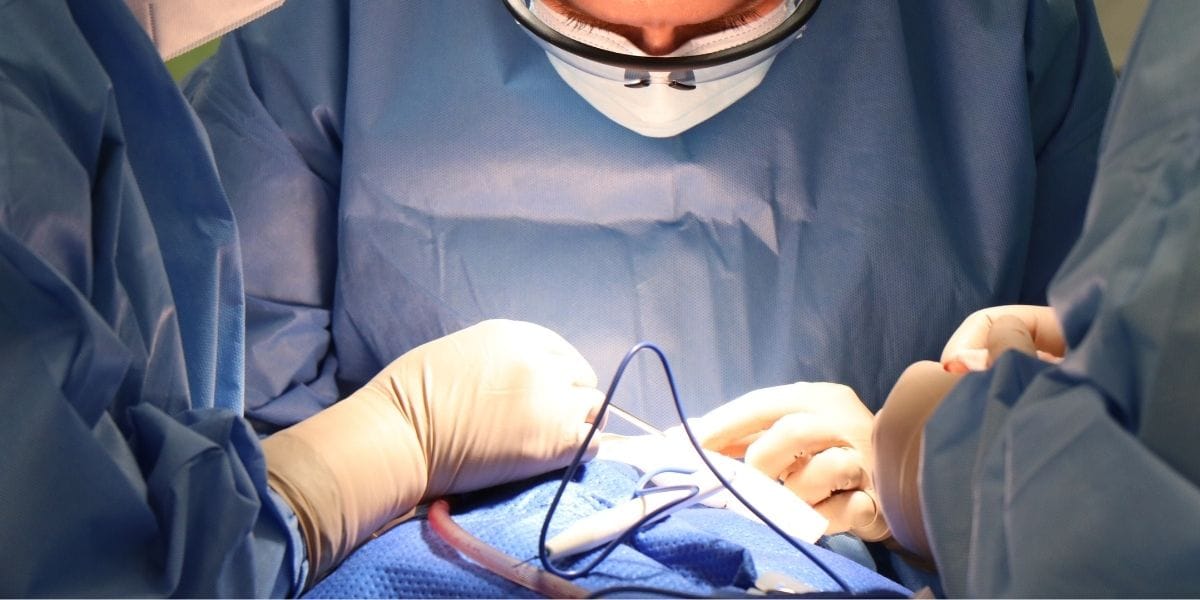
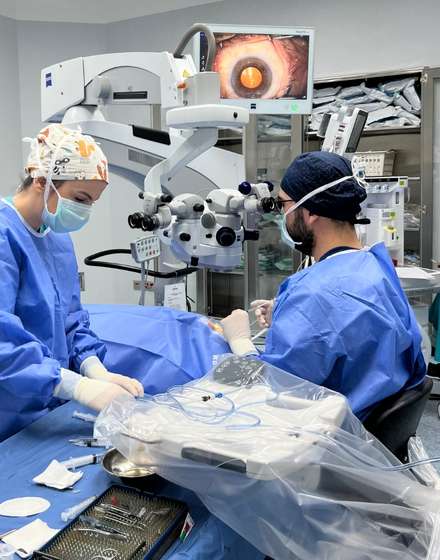
Cataract surgery is the process of removing the cloudy lens in the eye and replacing it with an artificial intraocular lens. In this procedure, phacoemulsification, the most preferred method, uses ultrasound to break up and remove the lens.
The surgery usually takes less than 15 minutes, and patients can generally continue their daily lives with outpatient treatment. Moreover, the recovery process is quick; vision improves within a few days, and the patient feels minimal discomfort. Therefore, cataract surgery is a commonly performed procedure worldwide.
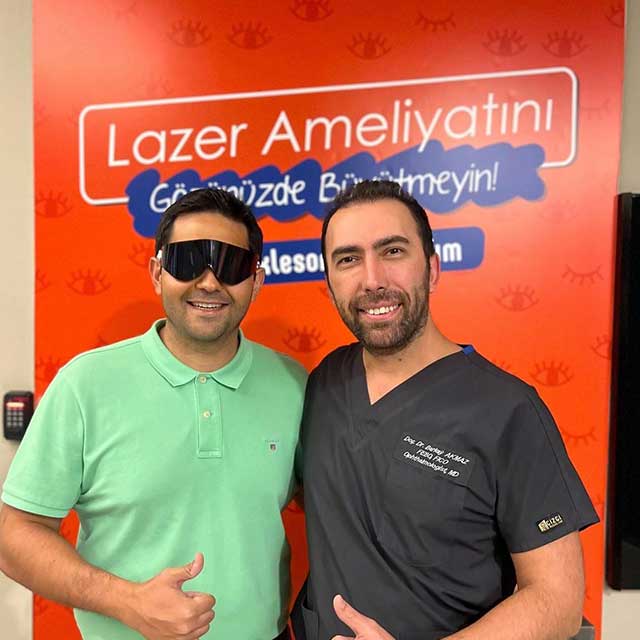
Turkey is one of the best country for Cataract Surgery at a afforable price. If you are looking for a place for Cataract Surgery abroad with best clinics and doctors, you are definitly on the right spot. Check Dr. Berkay Akmaz's Cataract Surgery prices, reviews and packages.
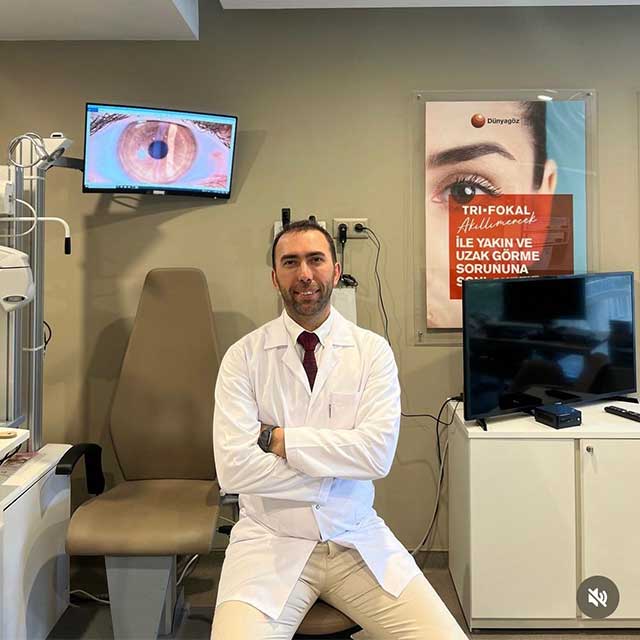
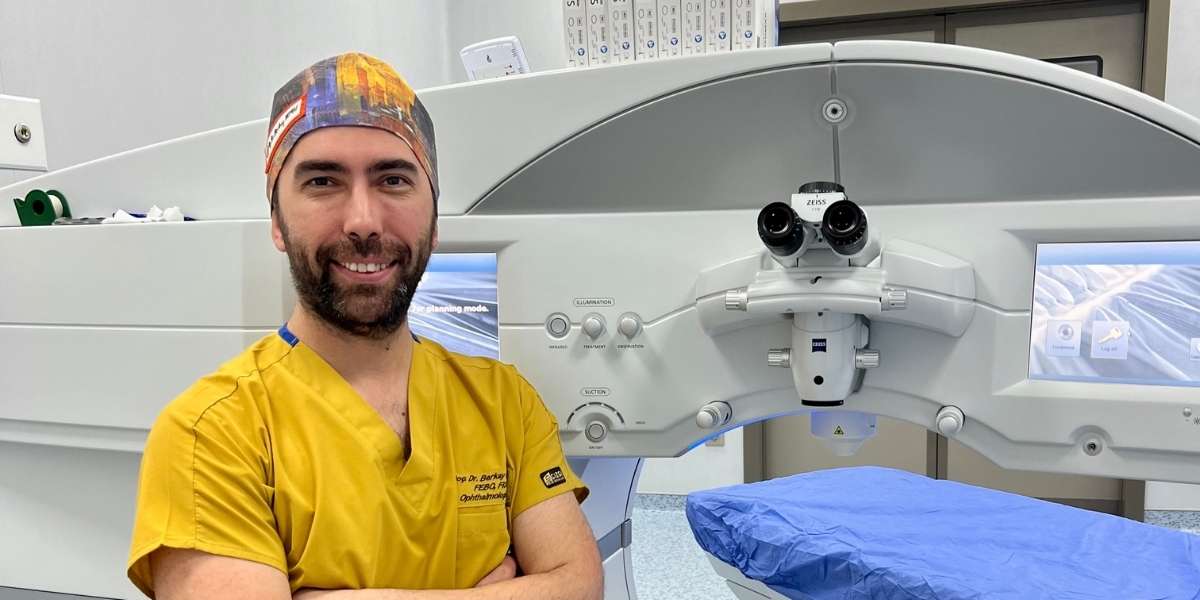
Ophthalmology Specialist – Assoc. Prof. Dr. Berkay Akmaz was born in İzmir in 1985. Due to his father's profession, he spent his primary school years in different cities. He began his education at Gülhane Military Medical Academy in 2003 and graduated with the title of Medical Doctor from Ege University Faculty of Medicine in 2010. In 2010, Assoc. Prof. Dr. Berkay Akmaz ranked 25th in the Medical Specialization Exam (TUS) in Turkey and started his specialization in the Department of Ophthalmology and Surgery at Dr. Lütfi Kırdar Kartal Education and Research Hospital. He completed his specialization training in 2014.






| Definition | Cataract is an eye disease that leads to vision loss due to the clouding of the eye’s lens. Cataract surgery involves removing this cloudy lens and replacing it with an artificial intraocular lens (IOL). |
| Symptoms | Cloudy or hazy vision, colors appearing faded or yellowish, difficulty with night vision, light sensitivity, double vision, and challenges with reading and other daily activities. |
| Causes | Aging (most common cause), eye injuries, long-term steroid use, exposure to radiation, diabetes, genetic factors. |
| Risk Factors | Advanced age, family history of cataracts, smoking, excessive alcohol consumption, exposure to UV rays, obesity, high blood pressure. |
| Diagnostic Methods | Eye examination, visual acuity test, intraocular pressure measurement, biomicroscopic examination, retinal examination with dilated pupils. |
| Surgery Indications | When vision quality deteriorates to a level that affects daily life, professional or social activities become difficult, or the lens needs to remain clear for the treatment of other eye diseases (e.g., glaucoma). |
| Surgical Methods | Phacoemulsification: The lens is broken up with ultrasound waves and absorbed, followed by the placement of an artificial lens. Extracapsular Cataract Surgery: The bulk of the lens is removed in one piece. |
| Type of Anesthesia | Generally local anesthesia (drops or injection) is used; the patient remains awake during the surgery, but the area around the eye is numb. |
| Operation Duration | Typically takes about 15 minutes; performed as an outpatient procedure, and hospitalization is not required. |
| Intraocular Lenses (IOL) | Monofocal Lenses: Single-focus; typically set for clear distance vision. Multifocal Lenses: Provide clear vision at both distance and near ranges. Toric Lenses: Designed to correct astigmatism. |
| Recovery Process | The first few days may involve mild discomfort and blurred vision; complete healing usually takes a few weeks. Adherence to the doctor’s prescribed eye drops and protective measures is essential. |
| Postoperative Care | Regular use of eye drops, avoiding rubbing the eye, not lifting heavy objects, staying away from dusty and dirty environments, and using eye protection while sleeping. |
| Risks and Complications | Infection, bleeding, retinal detachment, increased eye pressure, displacement of the artificial lens, secondary cataract (posterior capsule opacification). |
| Success Rate | Cataract surgery is one of the most common and safest surgical procedures; the success rate is over 95%, and the vast majority of patients experience significant improvement in visual acuity. |
| Alternative Treatments | In the early stages, vision can be corrected with glasses or contact lenses; however, as the cataract progresses, surgery becomes the only definitive treatment. |
| Prevention | Completely preventing cataract formation is not possible; however, wearing UV-protective sunglasses, maintaining a healthy diet, quitting smoking, and controlling diabetes can reduce the risks. |
| Cost and Insurance Coverage | Costs vary depending on the type of lens used and the medical center; generally covered by insurance due to medical necessity. |
| Affected Age Group | Typically occurs in individuals aged 60 and above; however, congenital cataracts or cataracts developing at a young age are also possible. |
| Impact on Quality of Life | Improved visual acuity post-surgery leads to ease in daily activities, increased independence, and a significant enhancement in quality of life. |
| Precautions | Following all pre- and postoperative instructions from the doctor, not missing scheduled check-ups, and immediately consulting a doctor if experiencing sudden eye pain or vision loss. |
| Social and Psychological Support | Seeking support for the emotional effects of vision loss, being informed about the surgical process, and setting realistic expectations are important. |
| Technological Developments | Femto-second laser-assisted cataract surgery, smart lens technologies, and minimally invasive surgical techniques are improving treatment outcomes. |
What Is Cataract Surgery?
Cataract surgery is a surgical intervention dating back to ancient times. In the 5th century BC, primitive techniques called “couching” were used to begin treating cataracts. However, the extracapsular surgical method developed in the 18th century was an important step toward modern applications. Especially the phacoemulsification technique introduced in 1967 greatly improved the effectiveness of the surgery and the recovery process.
Additionally, the approval of intraocular lenses by the FDA in the 1960s was revolutionary in cataract surgery. More recently, the femtosecond laser-assisted surgical method approved in 2010 has made the surgery more precise and safe. Thanks to these developments, cataract surgery has become a common procedure today.

What Are the Types of Cataract Surgery?
Cataract surgery is performed to remove the clouded natural lens of the eye and restore clear vision. With advancing technology, it can be carried out using different techniques and various intraocular lens options. The main types of cataract surgery include:
- Phacoemulsification (Phaco): The cloudy lens is broken into tiny fragments using ultrasound and then removed; the most commonly used technique today.
- Laser-Assisted Cataract Surgery (Femtosecond Laser): Laser is used to create incisions and fragment the lens with high precision; a stitch-free, safe, and comfortable method.
- Extracapsular Cataract Extraction (ECCE): The lens is removed in one piece through a larger incision; used rarely, mainly in advanced mature cataracts.
- Intracapsular Cataract Extraction (ICCE): The lens is removed together with its capsule; a technique that is now very rarely performed.
- Cataract Surgery with Multifocal or Trifocal Lenses: Uses special intraocular lenses that correct refractive errors in addition to removing cataracts.
- Cataract Surgery with Toric Lenses: Performed using toric intraocular lenses designed to correct astigmatism.
How Does Cataract Surgery Work?
Cataract surgery is performed using two main surgical techniques. The first is the phacoemulsification technique, which is the most commonly preferred method in modern surgery. In this method, the eye is numbed with anesthetic drops, and a small incision is made in the cornea. Then, a probe emitting high-frequency ultrasound waves is inserted through the incision. This probe breaks up the cloudy lens into small pieces, which are then suctioned out.
After the natural lens is removed, a folded artificial intraocular lens is inserted through the same incision. This artificial lens unfolds within the capsule, correcting the patient’s vision. Since it is a minimally invasive technique, the incision usually does not require stitches. It also provides quick healing and reduces the risk of postoperative astigmatism.
The second technique is extracapsular cataract extraction (ECCE), used in advanced cataract cases. In ECCE, the surgeon makes a larger corneal incision to remove the cloudy lens in one piece. After the lens is removed through this incision, the posterior capsule is left in place, and an artificial lens is implanted. Due to the larger incision in this method, stitches may be required. Additionally, the recovery time may be longer compared to phacoemulsification.
When Is Cataract Surgery Performed?

The appropriate time for cataract surgery is determined by how the deterioration in the patient’s vision quality affects their daily life. Generally, decreases in visual acuity are one of the primary reasons for surgery. Especially when distance visual acuity drops below 6/12 and important activities like driving and reading become difficult, surgery is considered. However, not only visual acuity but also the impact on the patient’s quality of life is taken into account.
Visual complaints experienced due to cataracts are also considered important indications. If issues like glare, halo vision, and decreased night vision negatively affect the patient’s daily activities, surgery may be necessary. As these symptoms intensify, patients feel more discomfort, especially due to light sensitivity and glare. Therefore, the impact of such complaints on daily life is an important factor determining the timing of surgery.
Additionally, cataract surgery is a procedure that should be performed if it leads to functional impairments in the patient’s basic daily activities. For example, when difficulties are experienced in fundamental tasks like reading, working, and personal care, surgical intervention may be necessary. This is important for maintaining the patient’s independence or preserving their ability to perform daily tasks.
Surgery is necessary when cataract is present in both eyes and there are significant refractive differences between the eyes. Patients experiencing issues with depth perception and stereoscopic vision due to anisometropia particularly require surgery to regain functional vision ability.
Additionally, surgery is recommended when the cataract prevents the treatment of other eye diseases. For example, to treat conditions like diabetic retinopathy or macular degeneration, the cataract may need to be removed. Similarly, if the cataract exacerbates other eye diseases like glaucoma, surgical intervention becomes inevitable to prevent complications.
Finally, cataract surgery should be considered if it will enhance the quality of life. For instance, a person with an active lifestyle may prefer cataract surgery even if the visual impairment is mild.
Who Is Not Suitable for Cataract Surgery?
Although cataract surgery is known as a safe and effective procedure, it is not suitable for some patients. These patients’ conditions are evaluated based on existing health issues, eye-related conditions, medications used, and lifestyle factors. Each of these risk factors can increase the risk of surgical complications or negatively affect the recovery process.
Medical Conditions
- Uncontrolled diabetes increases the risk of infection due to its negative effect on the immune system and makes healing more difficult.
- Serious cardiovascular diseases can place extra strain on the heart during surgery and increase the risk of bleeding.
- Chronic respiratory disorders, especially COPD and asthma, make the use of anesthesia difficult, potentially rendering the surgery unsafe.
- Neurological disorders like Parkinson’s disease can create difficulty in remaining still during surgery.
- Autoimmune diseases can increase inflammation, raising the risk of postoperative complications.
Ocular Conditions
- Advanced glaucoma can increase intraocular pressure, causing optic nerve damage and increasing the risk of complications.
- Macular degeneration can limit postoperative vision improvement and reduce the potential benefit of cataract removal.
- A history of retinal detachment can create risk during surgery and increase the likelihood of recurrence.
- Corneal diseases, such as severe dry eye or irregular corneal shape, can lead to poor visual outcomes after surgery.
Medication Use
- Blood-thinning medications can increase the risk of bleeding during surgery and may need to be discontinued before surgery.
- Long-term steroid use can increase the risk of cataract and make healing more difficult.
- Alpha-blockers used in prostate treatment can prevent pupil dilation during surgery.
Lifestyle Factors
- Smoking increases the risk of cataract formation and can make the recovery process more difficult.
- Excessive alcohol consumption can interact with anesthesia, leading to complications during and after surgery.
- Poor nutrition can harm eye health and negatively affect the recovery process.
How Is Cataract Surgery Applied?
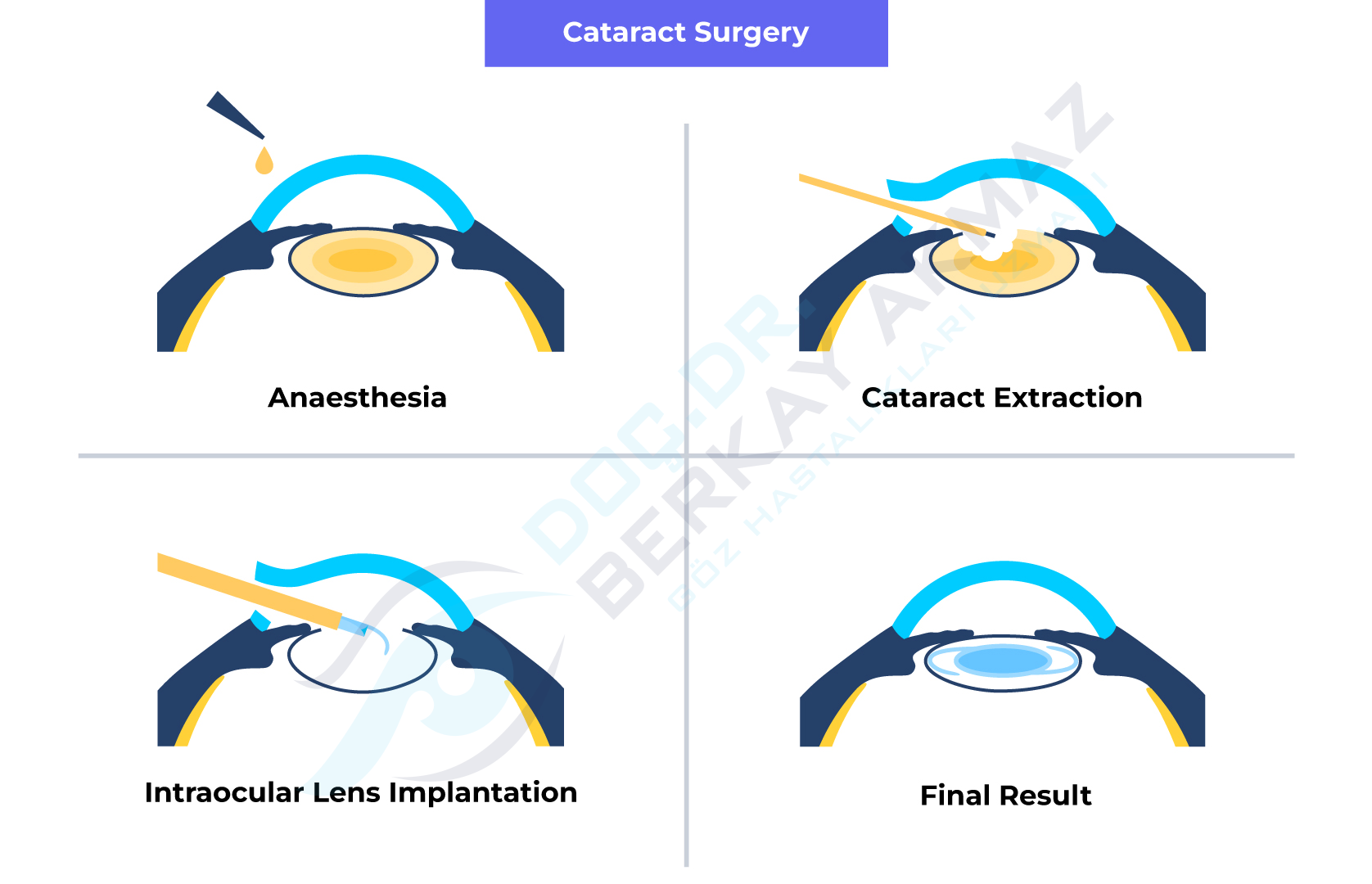
Cataract surgery is performed through a step-by-step process to ensure safety and effectiveness. First, anesthesia is applied before the surgery. The eye’s surface is numbed with topical anesthetic drops to ensure patient comfort. Additionally, in some cases, lidocaine injection into the eye may be used to enhance the effect. Patients who need relaxation may also be given sedative medication intravenously or orally. Antiseptic application cleans the eye and surrounding area, minimizing the risk of infection.
Then, the incision and phacoemulsification process begins:
- Incision: A small incision, usually 2–2.8 mm in size, is made on the cornea. This incision reduces the need for stitches as it can close on its own.
- Capsulorhexis: A circular opening is made in the lens capsule. This opening allows the surgeon to work on the cataractous lens.
- Lens Fragmentation: The cataractous lens is broken up using an ultrasound device. The high-frequency vibrations of the phacoemulsification device break the lens into small pieces. These pieces are safely removed with the help of a hand instrument.
After cleaning the cataract, the stage of placing the intraocular lens arrives. Here, the surgeon works carefully to achieve suitable visual results. The intraocular lens (IOL) placed during surgery is usually foldable. This allows it to pass through the small incision and unfold inside the lens capsule, settling in the correct position. Depending on the patient’s needs, lenses with monofocal, toric, or multifocal features can be preferred. Especially if a toric lens is used, the lens’s position is carefully adjusted for astigmatism correction.
At the end of the surgery, antibiotic prophylaxis is applied against the risk of infection:
- Antibiotic Application: A broad-spectrum antibiotic like cefuroxime may be injected into the eye. Additionally, antibacterial protection is provided with fluoroquinolone eye drops.
- Incision Closure: The incision area usually does not require stitches; it closes on its own thanks to the eye’s natural pressure. The surgeon concludes the procedure by checking the incision for watertightness.
What Are the Side Effects of Cataract Surgery?
After cataract surgery, some side effects and complications may occur in patients with varying frequency and severity. Most patients experience temporary discomfort as part of the normal healing process. Especially mild pain, itching, and a sandy sensation in the eye are common. Additionally, during the adaptation process to the new intraocular lens, light sensitivity and temporary visual fluctuations may be observed. However, some patients may encounter more serious side effects as indicated below:
- Secondary Cataract (Posterior Capsule Opacification): Clouding may occur on the back part of the lens capsule that holds the intraocular lens. This condition is seen in approximately 20–40% of cases and is corrected with YAG laser capsulotomy treatment.
- Retinal Detachment: Retinal detachment, a rare but serious complication, occurs when the retinal tissue separates. It presents with symptoms like light flashes, floaters, and curtain-like shadows in the visual field.
- Increased Intraocular Pressure (IOP): In some patients after surgery, intraocular pressure may increase. This condition can lead to glaucoma and cause headaches and blurred vision. While intraocular pressure usually remains stable, treatment may be necessary in cases of persistent elevation.
- Macular Edema: Cystoid macular edema is swelling of the macula and can occur within a few weeks after surgery. Affecting 1–3% of patients, this condition is treated with anti-inflammatory medications.
- Infections and Inflammation: Endophthalmitis, an eye infection, is rare but can have serious consequences. Symptoms include pain, redness, swelling, and vision loss.
- Toxic Anterior Segment Syndrome (TASS): Emerging within 24 hours after surgery with pain, redness, and blurred vision, this complication is an inflammatory reaction caused by infection.
How Successful Is Cataract Surgery?
Cataract surgery significantly increases patients’ visual acuity and quality of life with high success rates. Thanks to advanced techniques, the success rate varies between 96% and 98%, providing satisfactory results in terms of visual clarity. Most patients achieve a visual acuity of 20/40 or better after surgery, allowing them to perform daily activities without glasses. For example, studies conducted in the United States show that over 90% of patients reach this level within three months.
- Additionally, cataract surgery is considered a safe treatment with a low risk of complications.
- Serious complications like endophthalmitis or retinal detachment after surgery are seen in less than 1% of cases.
- Technological advancements further reduce the risk of complications with precise devices used during surgery.
Technologies used in cataract surgery, such as femtosecond laser and intraoperative aberrometry, also increase surgical precision. Thus, visual impairments are corrected more effectively, and the need for glasses after surgery decreases. Furthermore, premium intraocular lenses provide personalized treatments that correct issues like astigmatism and presbyopia.
On the other hand, results may be slightly lower in patients with general health problems like diabetes or eye disorders like macular degeneration.
How to Prepare for Cataract Surgery?
Preparing for cataract surgery involves several important steps, such as preoperative evaluation, medication management, and preparation on the day of the procedure. First, a preoperative evaluation is conducted. In this evaluation, a detailed examination of the eye is performed, and the patient’s medical history is reviewed. Conditions like dry eye disease, retinal disorders, or astigmatism are examined. Additionally, corneal topography and macular OCT scans are performed to select the correct intraocular lens (IOL). In this way, the most suitable IOL is chosen according to the patient’s visual needs, supporting the postoperative recovery process.
After the preoperative evaluation, medication management becomes important. Patients should provide the surgical team with a list of all medications they are using. This list includes over-the-counter drugs like blood thinners or supplements. Temporary discontinuation of medication may be recommended, especially for patients using blood thinners. An INR test may be required for diabetic patients to monitor blood clotting. Eye drops may also be prescribed to prevent infection before surgery. Additionally, sedative medications may be used to reduce anxiety on the day of surgery.
When the day of surgery arrives, patients are advised to wear comfortable clothing. They are also recommended to avoid products like jewelry, makeup, and perfume. The fasting period may vary depending on the type of anesthesia. For example, there are minimal restrictions during local anesthesia, while general anesthesia requires several hours of fasting. Since driving is not possible after surgery, patients should arrange transportation for their return.
Additionally, diabetic patients are advised to take precautions against low blood sugar. Therefore, it is important for them to have a sugary drink like fruit juice with them on the day of surgery. Finally, patients are advised to come prepared with all necessary medical information to ensure a comfortable process.
How Should Postoperative Care Be After Cataract Surgery?
Postoperative care is important to minimize inflammation and reduce the risk of infection. After cataract surgery, doctors prescribe various medications and provide eye care recommendations to patients. First, the medications that patients need to use are determined.
- Anti-Inflammatory Medications: Steroid or non-steroidal anti-inflammatory drops are prescribed to manage inflammation after surgery. Steroid drops like prednisolone are usually started immediately after surgery and gradually tapered. Additionally, NSAIDs like ketorolac or bromfenac may be used to further control inflammation.
- Antibiotics: Topical antibiotics are typically applied during the first week to minimize the risk of infection. These antibiotics are instilled several times a day and significantly reduce the risk of infection. Additionally, intraoperative antibiotic applications can further reduce infection risks.
Monitoring intraocular pressure during the postoperative period is important to prevent complications. Especially the check performed on the first day after surgery allows the evaluation of intraocular pressure levels. During this process, additional treatments may be applied if abnormal values are observed. For patients who do not respond to drop therapy in intraocular inflammations, subconjunctival or intravitreal injections may be administered. These treatments are particularly effective in accelerating the healing process.
Follow-up visits for visual acuity are conducted on the first day, first week, and first month after surgery. In these controls, adverse signs such as infection or visual disturbances are evaluated, and intervention is made if necessary. When issues like corneal edema are observed, surgery on the second eye may be delayed. Additionally, ocular surface problems, especially dry eye, can be alleviated with artificial tears or punctal plugs.
How Does Resistance to Cataract Surgery Develop?
Resistance to cataract surgery has become an important issue, especially in terms of antimicrobial resistance. The main reason for this is the increasing prevalence of antibiotic-resistant bacteria. Particularly, Staphylococcus species have developed resistance to commonly used antibiotics. This increases the risk of postoperative endophthalmitis, a rare but serious infection that can occur after cataract surgery. Antimicrobial resistance develops due to bacteria’s rapid mutation and adaptation abilities. Additionally, the misuse of antibiotics accelerates this process. As a result, it makes prophylactic antibiotic use more difficult and requires frequent evaluation of bacterial susceptibility to ensure effectiveness.
Some ophthalmologists recommend limiting prophylactic antibiotic use and instead prefer intracameral antibiotic injections like cefuroxime. However, the effectiveness of cefuroxime may also decrease over time because some Gram-positive and Gram-negative bacteria can develop resistance to this drug. Additionally, the use of alternative antibiotics is being considered. However, the use of drugs like carbapenems and aminoglycosides is limited due to their systemic toxicities and contributions to resistance development. Rational use of antibiotics is important to prevent resistance development. Also, regular monitoring of bacterial susceptibility is necessary. In this way, appropriate antibiotic selection and effective prophylaxis can be ensured.
Moreover, patient-related factors can also affect resistance development. For example, the presence of bacterial flora and biofilm on the ocular surface plays an important role. The presence of biofilms helps bacteria protect themselves against antibiotics. Therefore, treatments that prevent biofilm formation are gaining importance. Underlying health conditions can also affect immune response, facilitating resistance formation. Understanding these dynamics enhances the effectiveness of both preoperative and postoperative care strategies.
How much does Cataract Surgery cost in Turkey?
Cataract Surgery cost in Turkey is between €3,000 – €5,000.
Recent Posts

Dermatochalasis (Eyelid Sagging)
Anasayfa » Eyelid » Dermatochalasis (Eyelid Sagging)Dermatochalasis (eyelid sagging) is a condition caused by excess [...]
Read MoreMar
Congenital Cataract
Anasayfa » Cataract » Congenital CataractCongenital cataract is an eye disease that occurs when the [...]
Read MoreMar

Causes of Blurred Vision in One Eye
Anasayfa » Eye Health » Causes of Blurred Vision in One EyeThe causes of blurred [...]
Read MoreDec

Comments from Patients with Pseudotumor Cerebri
Anasayfa » Uncategorized » Comments from Patients with Pseudotumor CerebriComments from patients with pseudotumor cerebri [...]
Read MoreDec

Reviews of People Who Have Undergone Corneal Surgery
Anasayfa » Eye Health » Reviews of People Who Have Undergone Corneal SurgeryReviews from people [...]
Read MoreDec
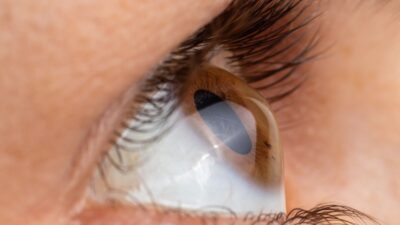
Keratoconus Patient Reviews
Anasayfa » Eye Health » Keratoconus Patient ReviewsKeratoconus patient reviews provide important insights into the [...]
Read MoreDec

How Long Does Cataract Surgery Take?
Anasayfa » Cataract » How Long Does Cataract Surgery Take?The answer to the question of [...]
Read MoreDec

How Do Under-Eye Dark Circles Go Away?
Anasayfa » Uncategorized » How Do Under-Eye Dark Circles Go Away?The question of how under-eye [...]
Read MoreDec
Gallery