Türkçe

The causes of blurred vision in one eye are conditions that need to be carefully evaluated in terms of eye health. This condition may develop suddenly or gradually and is most often caused by problems related to the internal structures of the eye. A comprehensive eye examination is essential for an accurate diagnosis.
Cataract is one of the common causes of blurred vision in one eye. It occurs as a result of the loss of transparency of the eye’s lens and usually develops with age. Light scattering, difficulty seeing at night, and blurriness are among the main symptoms.
Retinal problems, especially conditions such as macular degeneration or retinal detachment, can cause unilateral blurred vision. These diseases often present with sudden vision loss, flashes of light, or a sensation of a black curtain and require urgent intervention.
Dry eye and refractive errors can also cause temporary blurriness in one eye. Prolonged screen use, insufficient blinking, and changes in eyeglass prescriptions can trigger this condition. Symptoms may be reduced with artificial tears and appropriate eyeglass use.
What Does Blurred Vision in One Eye Mean?
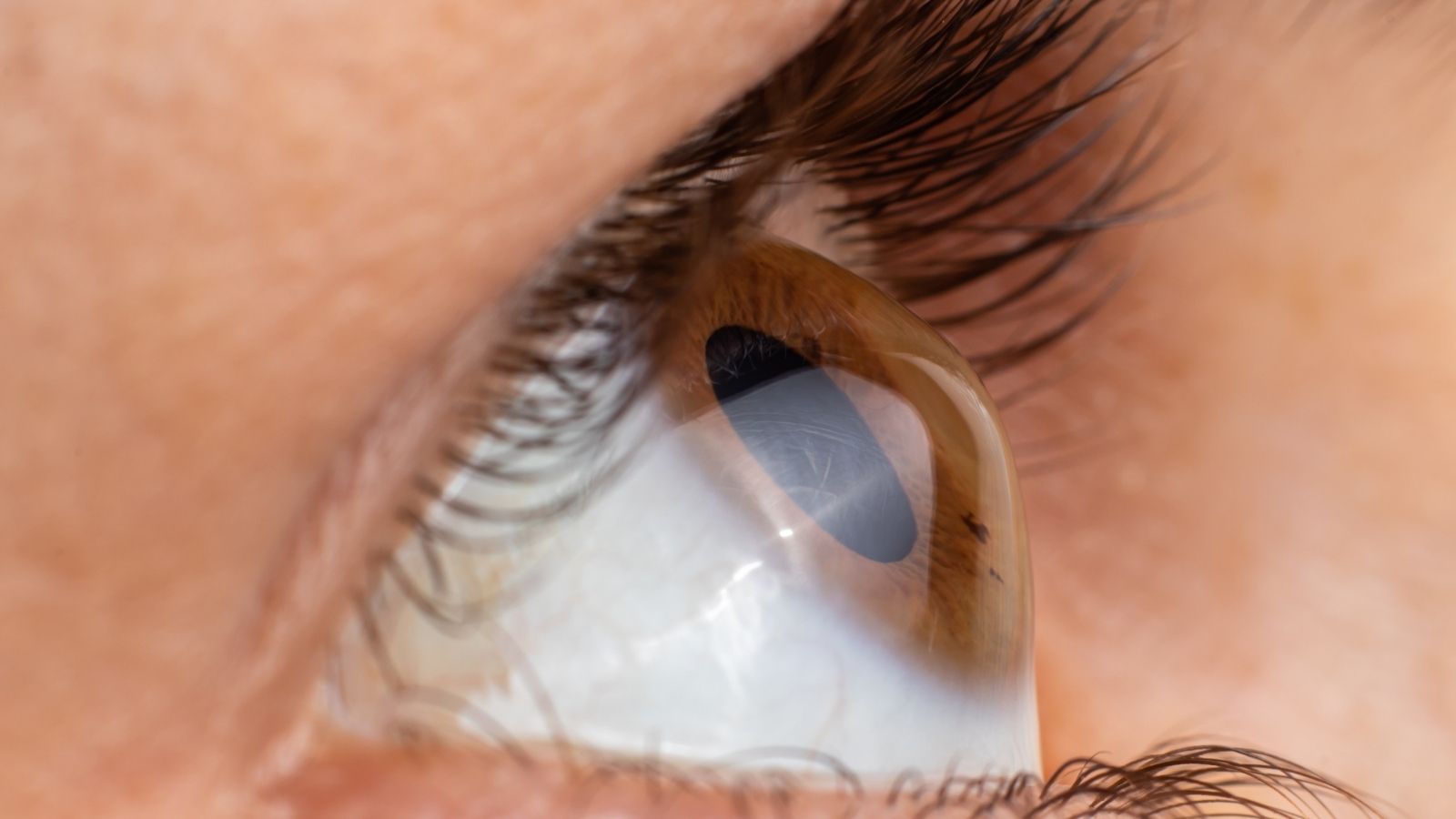
Blurred vision is described as a loss of image clarity, with vision appearing foggy or out of focus. When it occurs in one eye, the problem is often related to the eye itself or the nerve pathways leading from that eye. When a person covers one eye, they may see clearly with the other eye, but have difficulty distinguishing details when looking with the affected eye. This condition may be temporary or may be the first sign of a permanent problem.
Causes Related to the Ocular Surface
One of the most common causes of blurred vision in one eye is problems affecting the ocular surface. Dry eye can become more pronounced, especially during prolonged screen use or contact lens wear. Dryness leads to irregularity of the tear film, reducing image clarity.
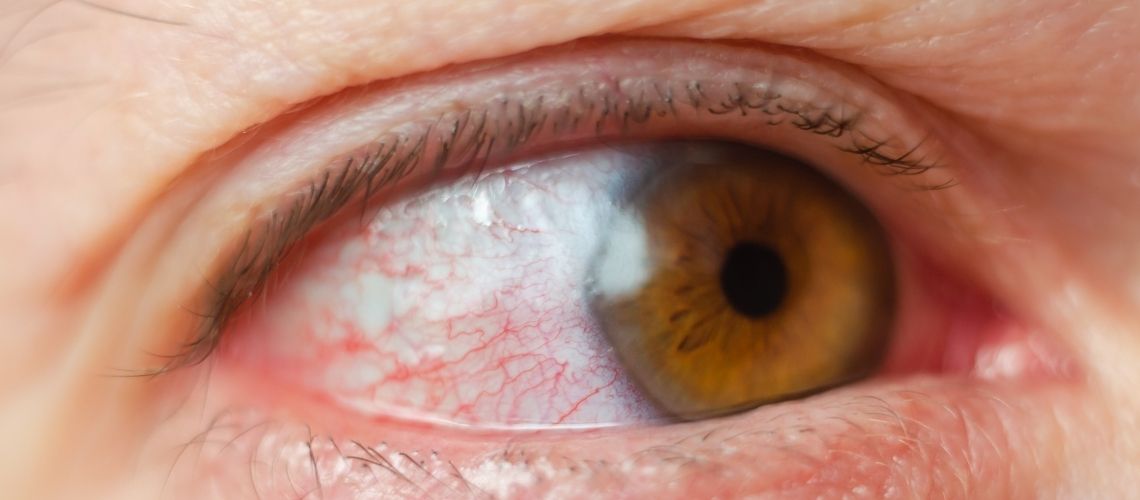
Scratches, infections, or inflammatory conditions on the cornea can also cause blurred vision. In such cases, additional complaints such as stinging, burning, light sensitivity, or redness usually accompany the condition. The patient may report impaired vision along with discomfort in one eye.
Refractive Errors and the Need for Glasses
Sometimes blurred vision in one eye is due to a simpler cause. Refractive errors such as myopia, hyperopia, or astigmatism may be present at different degrees in each eye. In this case, a person may see more clearly with one eye while noticing blurriness with the other.
This situation may occur especially in individuals who have not previously undergone an eye examination or whose current glasses are no longer sufficient. The blurriness is usually painless and may continue unnoticed for a long time.
Cataract Development
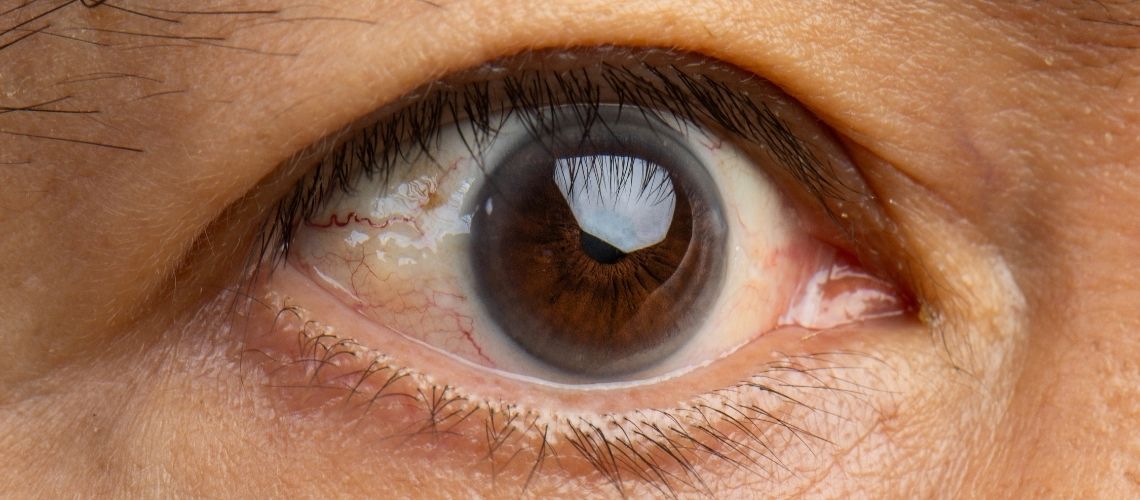
Cataract occurs when the eye’s lens loses its transparency. Although it often affects both eyes, it may be more pronounced in one eye in the early stages. The patient may describe images as cloudy, colors as faded, or seeing halos around lights.
As cataracts progress, blurred vision increases and begins to make daily activities more difficult. Since this process usually progresses slowly, a person may notice the decrease in vision in one eye relatively late.
Retina-Related Problems
Sudden or significant blurred vision in one eye may also be seen in retinal conditions. The retina is a sensitive layer located at the back of the eye that perceives visual signals. Problems in this area are generally considered more serious.
For example, circulatory disturbances in retinal vessels, fluid accumulation, or tears can reduce visual quality in one eye. The patient may describe seeing straight lines as curved, a dark curtain-like sensation in the visual field, or sudden vision loss. Such symptoms require prompt evaluation by a specialist.
Causes Related to the Optic Nerve
The optic nerve, which carries visual signals from the eye to the brain, can also cause blurred vision in one eye. In cases of optic nerve inflammation or compression, unilateral vision loss or blurriness is commonly observed. This may sometimes be accompanied by pain that worsens with eye movements.
In such conditions, faded color perception or loss of contrast may also be noticed. From the patient’s perspective, a situation described as “I can see, but it’s not as clear as before” may occur.
Migraine and Temporary Visual Changes
In some individuals, blurred vision in one eye may be associated with migraine attacks. In this condition, known as visual aura, blurriness, flashes of light, or zigzag lines may temporarily appear. Vision usually returns to normal after a certain period.
Although it is temporary, it is recommended that unilateral visual changes experienced for the first time be evaluated. This is because similar symptoms may also be seen in other health conditions.
Trauma and Blunt Injuries
Blurred vision in one eye may occur after trauma to the eye or head region. Post-traumatic swelling, bleeding, or structural damage can affect vision. This condition may sometimes be noticed immediately, while in other cases it becomes apparent hours later.
The patient may present with a complaint such as, “I can’t see clearly with my eye after the impact.” If there is a history of trauma, blurred vision should be taken seriously.
When Is Specialist Evaluation Necessary?
Although blurred vision in one eye does not always indicate an emergency, certain symptoms require special attention. In cases that begin suddenly, progressively worsen, or are accompanied by pain, flashes of light, or loss of visual field, it is important to consult an ophthalmologist without delay.
In addition, visual changes in one eye should be more closely evaluated in individuals with a history of diabetes, hypertension, or neurological disease. Clinical decisions are always made on an individual basis, and the underlying cause must be accurately identified.
Frequently Asked Questions
What are the most common causes of blurred vision in one eye that develops suddenly?
Sudden blurred vision in one eye may result from retinal problems, eye infections, corneal injuries, migraines, or reduced blood flow to the eye. Because some causes can threaten vision permanently, prompt medical evaluation is often recommended.
Can blurred vision in one eye be a sign of a serious retinal condition?
Yes, retinal detachment, macular degeneration, retinal vein occlusion, and retinal tears can cause blurred vision in a single eye. Early diagnosis and treatment are essential because delayed care may increase the risk of permanent vision loss.
How can eye infections and inflammation cause blurred vision in one eye?
Conditions such as uveitis, keratitis, and severe conjunctival infections may affect corneal clarity and eye structures. Inflammation can distort incoming light, resulting in blurry vision, discomfort, redness, and increased sensitivity to light.
Why does blurred vision in one eye occur after an eye injury or trauma?
Trauma can damage the cornea, lens, retina, or optic nerve, leading to immediate or delayed visual disturbances. Even seemingly minor injuries may have hidden complications that require a comprehensive ophthalmologic examination.
Can cataracts cause blurred vision in one eye before affecting the other eye?
Cataracts often develop at different rates in each eye. As the lens becomes increasingly cloudy, one eye may experience noticeable blurriness, glare, and reduced contrast sensitivity before similar symptoms appear in the second eye.
How do optic nerve disorders contribute to blurred vision in one eye?
Optic neuritis, glaucoma, and other nerve-related conditions can disrupt the transmission of visual information from the eye to the brain. This may lead to blurred vision, color perception changes, and varying degrees of visual field loss.
Can diabetes-related eye complications cause blurred vision in one eye?
Diabetic retinopathy and diabetic macular edema may affect one eye more severely than the other. Leaking blood vessels and retinal swelling can reduce visual clarity, making regular eye examinations important for people with diabetes.
What warning symptoms alongside blurred vision in one eye require urgent medical attention?
Flashes of light, new floaters, severe eye pain, sudden vision loss, facial weakness, or a curtain-like shadow across vision may indicate an emergency. Immediate medical assessment can help prevent serious complications and preserve eyesight.
Can age-related eye diseases lead to persistent blurred vision in one eye?
Several age-related conditions, including macular degeneration and cataracts, may initially affect one eye more than the other. Symptoms often progress gradually and can interfere with reading, driving, and other daily visual activities.
How is the underlying cause of blurred vision in one eye diagnosed and treated?
Diagnosis typically involves a detailed eye examination, imaging tests, and vision assessments. Treatment depends on the cause and may include medications, laser therapy, corrective lenses, injections, or surgery to restore visual function.