Türkçe
 Deutsch


Trifocal intraocular lenses represent a significant innovation in cataract and refractive surgical procedures. These lenses enable patients to achieve clear vision at three focal points.
They also use diffractive optics technology to improve vision at various distances. However, it has been observed that these lenses can cause mild side effects such as glare and halos in some patients. Nevertheless, thanks to trifocal lenses, patients become largely independent from the use of glasses, and their quality of life improves.
Turkey is one of the best country for Trifocal Lens at a afforable price. If you are looking for a place for Trifocal Lens abroad with best clinics and doctors, you are definitly on the right spot. Check Dr. Berkay Akmaz's Trifocal Lens prices, reviews and packages.
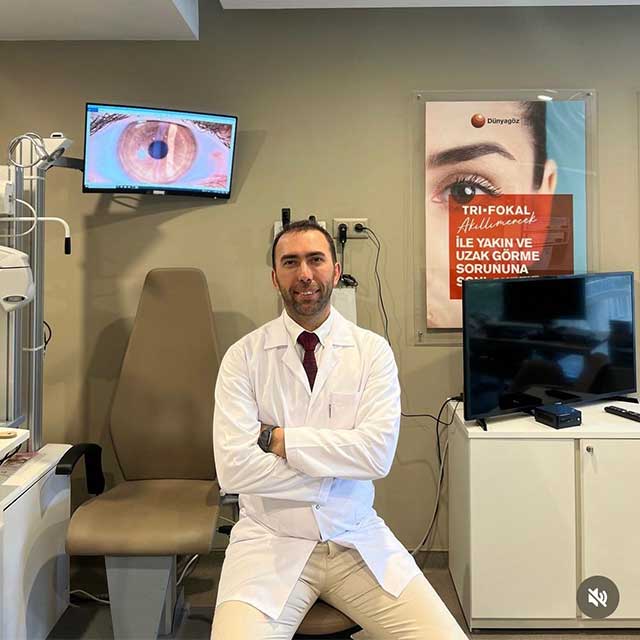
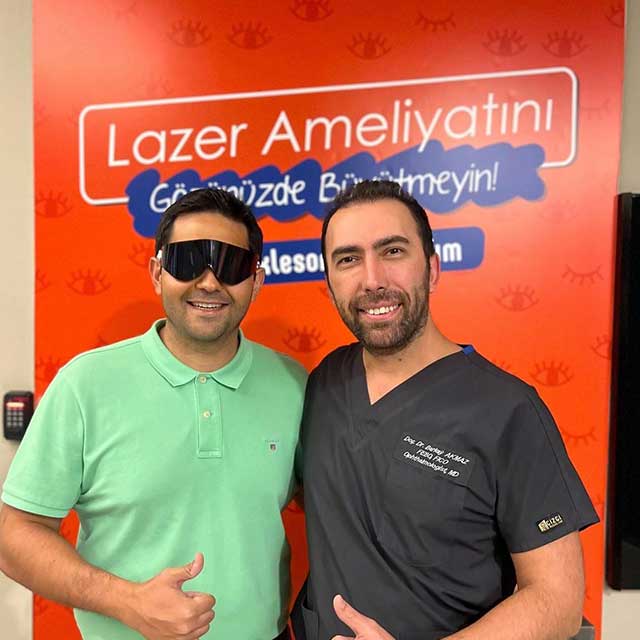
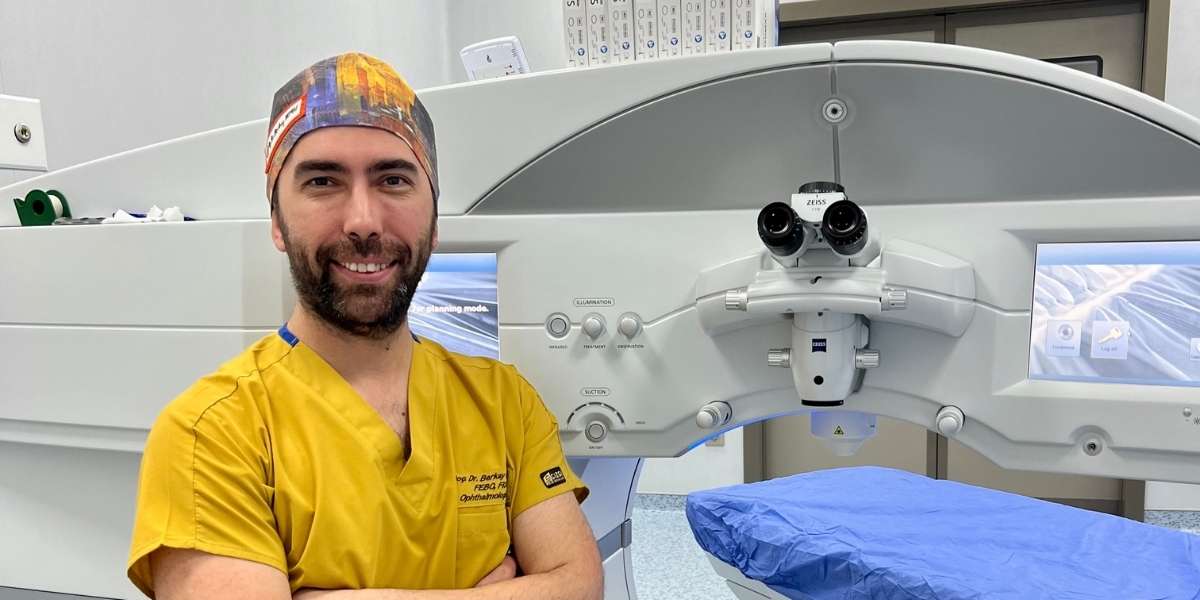
Ophthalmology Specialist – Assoc. Prof. Dr. Berkay Akmaz was born in İzmir in 1985. Due to his father's profession, he spent his primary school years in different cities. He began his education at Gülhane Military Medical Academy in 2003 and graduated with the title of Medical Doctor from Ege University Faculty of Medicine in 2010. In 2010, Assoc. Prof. Dr. Berkay Akmaz ranked 25th in the Medical Specialization Exam (TUS) in Turkey and started his specialization in the Department of Ophthalmology and Surgery at Dr. Lütfi Kırdar Kartal Education and Research Hospital. He completed his specialization training in 2014.






| Definition | Intraocular lenses designed to correct near, intermediate, and far vision; especially suitable for patients with presbyopia and cataracts. |
| Applications | Patients who have undergone cataract surgery and wish to achieve clear vision at all distances without the need for glasses. |
| Mechanism of Action | Special focal points on the lens allow light to be clearly focused at different distances, thereby providing clear vision at all ranges. |
| Advantages | 1. Provides clear vision without glasses at all distances 2. Minimizes the need for glasses 3. Potential to improve quality of life |
| Disadvantages | 1. Can be expensive 2. Some patients may experience glare or halos in low light 3. May require an adaptation period |
| Surgery Process | Performed under local anesthesia; after cataract removal, a trifocal lens is implanted into the eye. The procedure typically takes 15-30 minutes, and the patient is discharged on the same day. |
| Recovery Process | The recovery period may take a few weeks; during this time, the use of eye drops, infection prevention measures, and regular doctor check-ups are important. |
| Side Effects | Mild pain, blurred vision, light sensitivity, halos; rarely infection and serious vision problems. |
| Alternatives | 1. Bifocal lenses 2. Monofocal lenses 3. Use of glasses or contact lenses |
| Eligibility Criteria | Ideal for patients with presbyopia and cataracts who desire clear vision at different distances without glasses, and who are unsuitable for laser treatments or prefer not to use glasses. |
| Care and Follow-Up | Regular doctor check-ups post-surgery, use of prescribed eye drops during the healing process, and avoiding trauma to the eye during recovery are important. |
What is a Trifocal Lens?

A trifocal lens is a type of lens used in cataract surgery that provides patients with clear vision at three different distances. This lens utilizes a special diffractive technology that distributes light most efficiently to three focal points.
The trifocal lens was approved by the FDA in August 2019 and has been used in over 70 countries since then. In clinical studies, users have reported high satisfaction rates. As a result, trifocal lenses have the potential to provide independence from glasses for cataract patients and improve their quality of life.
How Does a Trifocal Lens Work?
Trifocal intraocular lenses (IOLs) contain a special optical structure developed to provide patients with clear vision at different distances. These lenses split light into three separate focal points, thereby optimizing vision for near, intermediate, and far distances. Thanks to the diffractive optical structure, light is bent at specific angles, and each focal point is focused at a different distance.
The typical features of a trifocal IOL are as follows:
- An intermediate focal add of +2.17 to +2.50 diopters
- A near focal add of +3.25 to +3.50 diopters
These features enhance visual comfort for patients during daily activities such as reading and using computers. The surfaces of trifocal IOLs are equipped with concentric rings or steps that diffract light. This structure directs light from each focal area to different distances, supporting balanced visual input for the eye. Additionally, trifocal IOLs come in two main designs: non-apodized and apodized. Non-apodized designs provide a consistent diffraction pattern, while apodized models gradually alter the light distribution.
This can increase visual comfort in low-light conditions by reducing halos and glare. Trifocal IOLs generally minimize color aberrations and provide good contrast sensitivity under different lighting conditions. However, due to diffractive technology, contrast sensitivity may slightly decrease in some patients.
When is a Trifocal Lens Used?
Trifocal intraocular lenses (IOLs) are primarily used for patients undergoing cataract surgery or seeking presbyopia treatment. These lenses enable patients to achieve clear vision at various distances, making them suitable for individuals who desire a life independent of glasses at different focal lengths. They are especially effective for patients who frequently use digital devices or perform tasks that require frequent changes in focus.
The applications of trifocal IOLs can be summarized as follows:
- Desire for Independence from Glasses: Trifocal IOLs provide clear vision at far, intermediate, and near distances, minimizing the need for glasses. These lenses offer sharp vision at all three focal points, making them an ideal option for those who prefer not to wear glasses.
- Wide Range of Vision: By providing sharp vision for near, intermediate, and far distances, they support visual performance across different ranges. They are particularly beneficial for individuals who need to frequently shift focus during tasks.
- Patient Satisfaction: Trifocal IOLs ensure a high level of visual comfort for patients. Most patients can easily perform tasks such as reading, using computers, and driving without the need for glasses in their daily lives.
- Improved Quality of Life: Trifocal IOLs allow patients to move freely in their daily activities, enhancing their quality of life. They reduce the need for additional optical aids and enable patients to be more active in social events.
The advantages of trifocal lenses compared to other lens types are also noteworthy. While monofocal lenses only clarify far distances and bifocals are generally effective for near and far distances, trifocal lenses offer a more comprehensive range of focus, reducing the need for glasses at different distances and providing greater flexibility in daily activities.
Although side effects such as glare, halos, and starbursts, known as photic phenomena, can occur, these disturbances are generally mild. Most patients can tolerate these temporary phenomena and adapt to the lenses over time.
Who is Not Suitable for a Trifocal Lens?
Trifocal intraocular lenses may not be suitable in certain eye diseases and specific anatomical conditions. Various contraindications can affect the efficacy of these lenses and patient satisfaction. For example, patients with surface eye problems may not experience the expected benefits from trifocal lenses. Specifically, the following conditions are contraindications for trifocal lenses:
- Ocular Surface Diseases and Dry Eye: Individuals with moderate to severe dry eye disease may experience reduced performance of trifocal lenses. This condition increases the risk of postoperative complications and particularly makes achieving clear vision at all focal points more difficult.
- Corneal Irregularities: Corneal irregularities such as keratoconus can negatively affect the function of trifocal lenses. Optimal performance of trifocal lenses requires a smooth corneal structure, and irregularities can decrease visual quality. Irregular astigmatism or corneal scars can also lead to similar effects.
- Retinal Pathologies: Individuals with retinal diseases such as diabetic retinopathy or macular degeneration are not suitable candidates for trifocal lenses. When the retina cannot process multi-focal images, patients may experience visual disturbances and reduced contrast sensitivity.
- Previous Refractive Surgery: Previous refractive surgeries such as LASIK or PRK can affect the performance of trifocal lenses. While some patients who have undergone these surgeries may still be suitable candidates, results can be unpredictable and carry the risk of reduced intermediate or near vision.
- High Degree of Myopia: Patients with an axial length of the eye over 27 mm may not gain sufficient benefits from trifocal lenses. Highly myopic eyes can lead to refractive power mismatches that affect trifocal performance and carry the risk of reduced visual acuity.
- Glaucoma: Patients with advanced glaucoma that causes optic nerve damage may not be suitable for trifocal lenses. The optic nerve may lose its ability to process multi-focal images, and contrast sensitivity can decrease.
- Anatomical Challenges: Individuals with small or large pupils may not achieve the expected performance with trifocal lenses. The size of the pupil affects light distribution, making it difficult for trifocal lenses to provide optimal results.
How is a Trifocal Lens Applied?
The application of a trifocal intraocular lens involves a step-by-step process. In the first step, a comprehensive eye examination is conducted to determine whether the patient is suitable for this type of lens. During this examination, the ophthalmologist assesses eye health and checks for conditions that could affect lens implantation, such as glaucoma or macular degeneration. For suitable patients, measurements of the eye are taken to determine the required trifocal lens power for optimal vision.
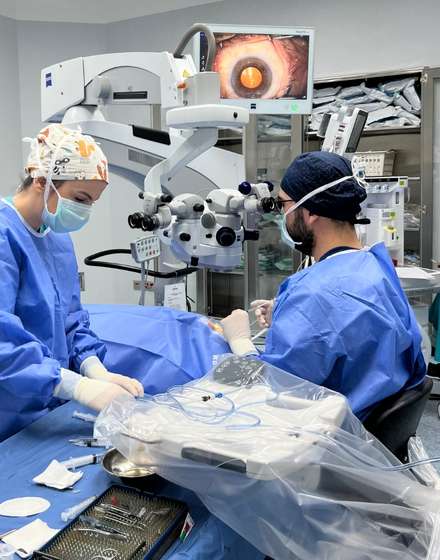
The surgical process typically takes place under mild sedation and topical anesthesia. The surgeon makes a small incision in the cornea, removes the cloudy lens affected by cataracts, and carefully inserts the trifocal lens. The inserted lens unfolds to adapt to the eye and settles into the appropriate position within the eye. Trifocal lenses split light into three different focal points, providing multi-focal vision and enabling patients to see clearly at various distances.
During this process, patients are informed about potential optical side effects. Among the side effects that trifocal lenses can cause are halos and glare, especially noticeable at night. Patients ensure that the healing process is progressing smoothly through regular postoperative follow-up visits. In some cases, doctors may reduce the use of eye drops by applying antibiotic and anti-inflammatory agents directly to the eye after surgery.
Postoperative care should include the following:
- Rest the eyes and avoid strenuous activities during the first week.
- Use the eye drops and medications recommended by the doctor after surgery.
- Attend scheduled follow-up appointments to ensure proper healing.
What are the Side Effects of a Trifocal Lens?
Trifocal intraocular lenses (IOLs) are associated with some side effects and visual disturbances. These effects can impact the patient’s visual quality and satisfaction. One of the most common visual issues that arise due to trifocal lenses is nighttime visual disturbances. Halos, glare, and starbursts are frequently observed, especially in low-light conditions. This can be bothersome when driving at night or in dimly lit areas. According to research, 19% of patients using trifocal lenses report such visual artifacts. While some patients may acclimate to these symptoms over time, for others, they can pose persistent issues.
Another potential side effect of trifocal lenses is reduced contrast sensitivity. Specifically, in mesopic or low-light conditions, these lenses tend to decrease contrast. This can make it difficult to recognize objects, and patients may struggle to achieve clear vision in low-light settings. Compared to monofocal lenses, the impact of trifocal lenses on contrast sensitivity is more noticeable, although this effect is less or similar when compared to bifocal lenses.
Some patients may experience vision problems at intermediate distances. Although trifocal lenses are developed to improve intermediate vision, they can sometimes be insufficient for tasks at arm’s length, such as using a computer screen. Particularly, some patients who have difficulty reading small text may need to use additional glasses for these tasks.
Surgical complications associated with trifocal IOL implantation include risks such as infection, inflammation, corneal edema, and increased intraocular pressure. Additionally, patients who have undergone corneal refractive surgery may have difficulty accurately calculating the power of trifocal lenses, which can lead to postoperative refractive errors.
In terms of patient satisfaction, while trifocal lenses provide independence from glasses, some patients may find persistent visual symptoms bothersome. However, the overall satisfaction rate is high, with most patients enjoying a life without the need for glasses.
How Successful is a Trifocal Lens?
Trifocal intraocular lenses (IOLs) provide highly successful outcomes in terms of patient satisfaction and visual results. One of the main factors contributing to the success of these lenses is their special design, which improves both near and far distance vision. Trifocal IOLs offer superior performance in providing clear vision at all distances, making them an ideal solution for individuals seeking independence from glasses.
Research indicates that the visual acuity provided by trifocal IOLs is quite satisfactory. Specifically:
- Approximately 78.8% of patients achieve an uncorrected distance visual acuity of 0.0 LogMAR or better after surgery.
- Visual acuity for intermediate and near distances is also at satisfactory levels for most patients.
- These lenses minimize the need for glasses for activities such as reading and using digital devices in daily life.
Patient satisfaction rates with trifocal IOLs are also high. This is because these lenses increase independence from glasses, allowing patients to continue their daily lives without the need for glasses at different distances. Meta-analyses indicate that trifocal IOLs offer more visual freedom compared to other lens types, thereby increasing user satisfaction. Specifically:
- Individuals using trifocal lenses report higher satisfaction due to reduced dependence on glasses.
- This feature provides a significant advantage, especially for activities that require near vision, such as reading and using computers.
However, while trifocal IOLs are effective, they can cause some optical side effects. Specifically, phenomena such as halos and glare may occur in low-light conditions. These side effects can diminish over time and are generally not severe enough to require lens replacement. The process of the brain adapting to the new visual conditions can take several months. Another indicator of the success of trifocal lenses is their high reliability and predictability rates. Most patients achieve nearly emmetropic correction within ±0.50 D of the target refraction.
How to Prepare for a Trifocal Lens?
Proper preparation before trifocal intraocular lens (IOL) implantation plays a critical role in achieving successful postoperative outcomes. Firstly, patient selection and detailed evaluations form the foundation of this process. Since candidates for trifocal lenses are generally presbyopic or cataract patients, comprehensive ophthalmological examinations are necessary. During these evaluations, corneal topography, biometric measurements, axial length, and white-to-white (WTW) distance measurements are conducted. These parameters are important for determining whether the patient can achieve the best visual performance with a trifocal lens.
The selection of the IOL should be personalized. Each trifocal lens has unique optical properties and is tailored to different visual needs. The patient’s lifestyle is a determining factor in lens selection. Specifically, different lenses may be recommended for those engaged in activities that require far vision. This way, patients can be independent of glasses after surgery and their satisfaction increases.
Preoperative counseling is of great importance for patient satisfaction. While trifocal lenses may not provide perfect vision at all distances, they can reduce dependence on glasses. Patients may experience effects such as halos in low light or starbursts in bright light. Therefore, setting realistic expectations helps patients prepare for their postoperative experiences.
How Should Postoperative Care Be for a Trifocal Lens?
Postoperative care plays a critical role in the healing process for patients who have undergone trifocal lens implantation. It is important to use an eye shield while sleeping at night to protect the eyes in the first few days. During this period, mild discomfort or sensitivity to light may occur in the eyes. To support eye health, it is necessary to regularly use antibiotic and anti-inflammatory eye drops as recommended by the doctor. Especially during the first week, avoiding strenuous activities, resting the eyes, and reducing screen time can accelerate healing.
During the first two weeks after surgery, patients should avoid certain physical activities:
- Actions that could create pressure on the eyes, such as bending or lifting heavy objects.
- Swimming pools and jacuzzis to prevent the risk of infection.
- Cosmetic procedures like eye makeup and hair coloring.
During this period, wearing sunglasses is also recommended to avoid bright light. Especially in the first weeks, visual phenomena such as halos or light rings may occur in dark night conditions. These situations are commonly seen during the brain’s adaptation process to trifocal lenses and are part of the neuro-adaptation process. Patients should be patient during the brain’s adaptation process, as it can take several months to fully adapt.
It is very important to have regular doctor’s appointments in the weeks following surgery. These check-ups are necessary for assessing the healing process and detecting any possible complications. Artificial tear drops may be used if needed to prevent dryness and increase comfort. Although most patients experience improved vision within the first few weeks, full healing and complete adaptation can take several months. Regular follow-ups should be conducted to maintain long-term eye health.
After approximately two weeks, patients can gradually return to their daily activities. However, they should avoid actions such as heavy lifting and high-impact sports, and adhere to their surgeon’s recommendations. Taking frequent breaks while using screens can also support eye health by preventing eye strain during this period.
How is Resistance to a Trifocal Lens Developed?
Resistance to a trifocal lens develops through a combination of various optical and biological factors. Firstly, the complex optical designs of these lenses can cause visual disturbances in some patients. Specifically, photic phenomena such as glare and halos are frequently observed in trifocal lens users. The lens’s distribution of incoming light to multiple focal points causes this condition, which becomes more pronounced in low-light conditions. Patients may experience increased discomfort when driving at night or in environments with bright light sources.
Additionally, chromatic aberrations can occur in trifocal lenses. Due to the properties of the lens material, color separations and colorful fringes around objects may occur. This optical aberration can reduce image quality and make it difficult for the patient to achieve clear vision. These color aberrations become more pronounced, especially in high-contrast environments.
Moreover, a decrease in contrast sensitivity is a common issue with the use of trifocal lenses. The lens’s distribution of light to three focal points makes it difficult to perceive subtle contrasts between objects and their backgrounds. Visual performance decreases, especially in dim lighting, and patients may struggle when reading in low-light conditions.
Proper refractive and aberration control is also a significant challenge. Optimal performance of trifocal lenses requires precise measurements and accurate placement. Even minor alignment errors can lead to refractive problems. The surgeon’s experience plays a critical role in preventing such complications.
Additionally, in some patients, the neuro-adaptation process may take longer than expected. It can take time for the brain to adapt to the new optical system, and during this process, the patient may experience discomfort. Older patients, in particular, may face more challenges during this adaptation period. Therefore, it is important to inform patients in advance and manage their expectations.
Finally, high-degree aberrations and intraocular light scattering are also part of the resistance mechanisms. Failure to properly center or align the lens can lead to reduced visual acuity and bothersome visual phenomena. This emphasizes the importance of precision in surgical techniques. Regular check-ups can help mitigate these issues for patients.
How much does a Trifocal Lens Implant cost in Turkey?
A Trifocal Lens Implant cost in Turkey is between €3,000 – €3,500.
Recent Posts

Dermatochalasis (Eyelid Sagging)
Anasayfa » Eyelid » Dermatochalasis (Eyelid Sagging)Dermatochalasis (eyelid sagging) is a condition caused by excess [...]
Read MoreMar

Congenital Cataract
Anasayfa » Cataract » Congenital CataractCongenital cataract is an eye disease that occurs when the [...]
Read MoreMar

Causes of Blurred Vision in One Eye
Anasayfa » Eye Health » Causes of Blurred Vision in One EyeThe causes of blurred [...]
Read MoreDec

Comments from Patients with Pseudotumor Cerebri
Anasayfa » Uncategorized » Comments from Patients with Pseudotumor CerebriComments from patients with pseudotumor cerebri [...]
Read MoreDec

Reviews of People Who Have Undergone Corneal Surgery
Anasayfa » Eye Health » Reviews of People Who Have Undergone Corneal SurgeryReviews from people [...]
Read MoreDec
Keratoconus Patient Reviews
Anasayfa » Eye Health » Keratoconus Patient ReviewsKeratoconus patient reviews provide important insights into the [...]
Read MoreDec

How Long Does Cataract Surgery Take?
Anasayfa » Cataract » How Long Does Cataract Surgery Take?The answer to the question of [...]
Read MoreDec

How Do Under-Eye Dark Circles Go Away?
Anasayfa » Uncategorized » How Do Under-Eye Dark Circles Go Away?The question of how under-eye [...]
Read MoreDec
Gallery