Türkçe
 Deutsch

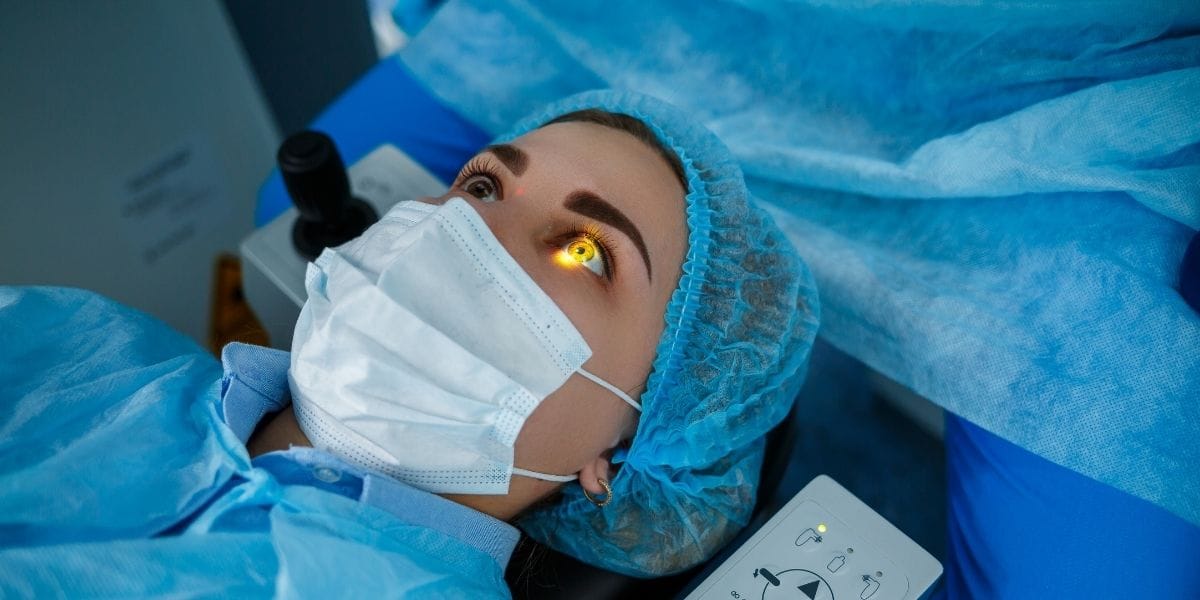
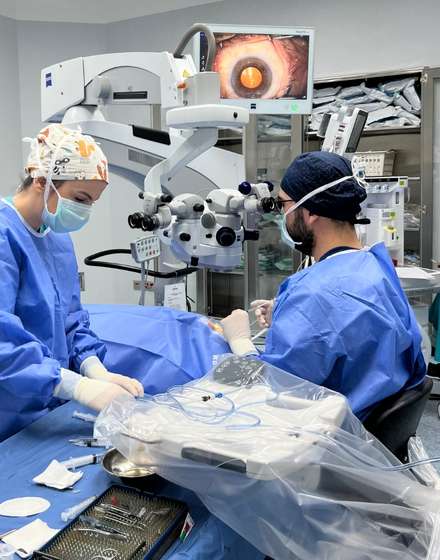
LASIK eye surgery is performed to improve patients’ visual quality by correcting refractive errors. First, a thin flap is created in the cornea using a microkeratome blade or a femtosecond laser.
Then, with the help of an excimer laser, a portion of the corneal tissue is removed and the cornea is reshaped. Thus, the light is properly refracted in the eye, and the flap is repositioned. This procedure, which does not require stitches, usually takes 15 minutes, and visual improvement begins shortly. The healing process continues in the weeks following the surgery, but most patients immediately feel positive results.
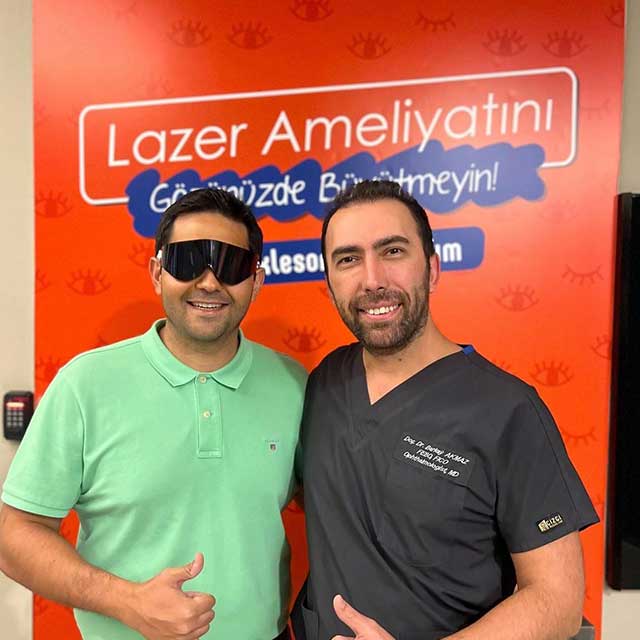
Turkey is one of the best country for LASIK Eye Surgery at a afforable price. If you are looking for a place for LASIK Eye Surgery abroad with best clinics and doctors, you are definitly on the right spot. Check Dr. Berkay Akmaz's LASIK Eye Surgery prices, reviews and packages.
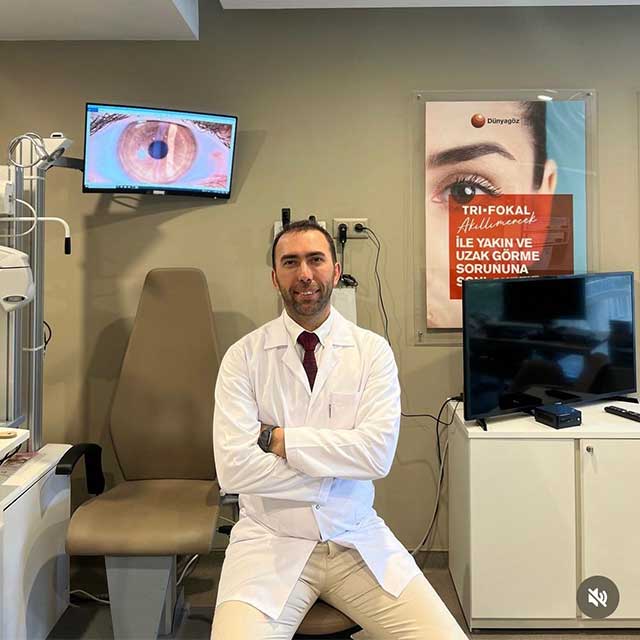
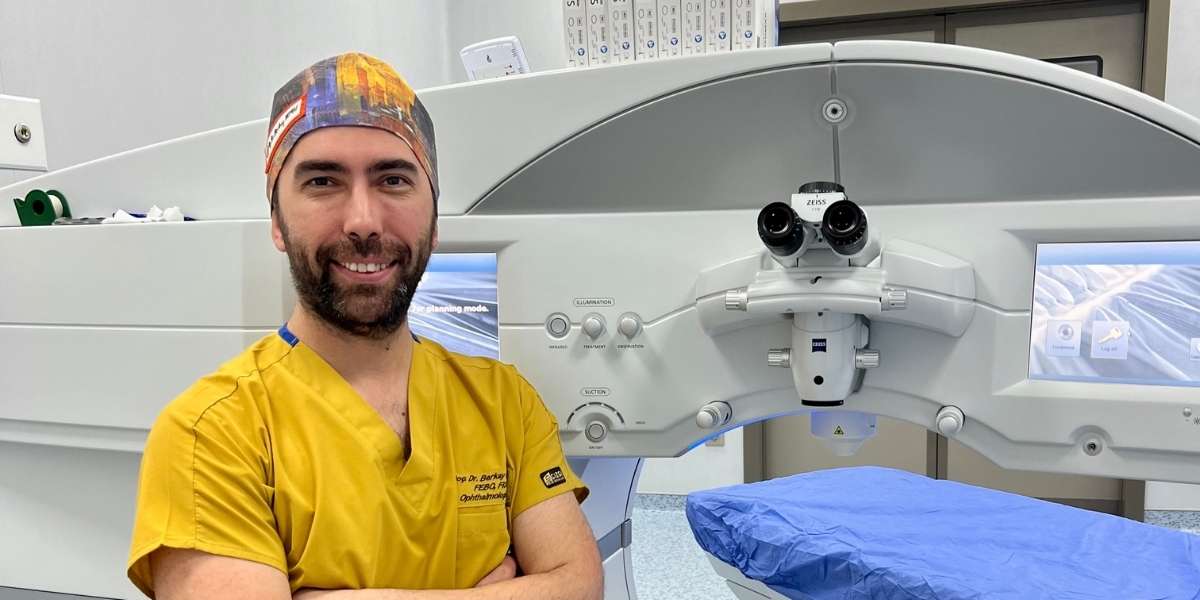
Ophthalmology Specialist – Assoc. Prof. Dr. Berkay Akmaz was born in İzmir in 1985. Due to his father's profession, he spent his primary school years in different cities. He began his education at Gülhane Military Medical Academy in 2003 and graduated with the title of Medical Doctor from Ege University Faculty of Medicine in 2010. In 2010, Assoc. Prof. Dr. Berkay Akmaz ranked 25th in the Medical Specialization Exam (TUS) in Turkey and started his specialization in the Department of Ophthalmology and Surgery at Dr. Lütfi Kırdar Kartal Education and Research Hospital. He completed his specialization training in 2014.






What is LASIK Eye Surgery?
LASIK eye surgery stands out as a method that corrects refractive errors. Developed in the 1980s, this technique aims to change the shape of the cornea with an excimer laser. Thus, it ensures that light is properly focused on the retina and increases the patient’s visual quality. The first patent for the LASIK method was obtained in 1989. Following this development, the first LASIK surgery was successfully performed in 1988.
The FDA approved the excimer laser used in LASIK procedures in 1999, marking a significant milestone in ophthalmic surgery. Thanks to this approval, LASIK has become a procedure that is safely applied worldwide. Today, LASIK is one of the preferred solutions for refractive errors.
| Definition | LASIK (Laser-Assisted in Situ Keratomileusis) is a procedure that reshapes the cornea using a laser to correct refractive errors in the eye (myopia, hyperopia, astigmatism). |
| Purpose | To reduce or eliminate the need for glasses or contact lenses and provide clear vision. |
| Applications | Correction of refractive errors such as myopia (nearsightedness), hyperopia (farsightedness), astigmatism. |
| Operation Duration | Typically takes about 10-15 minutes per eye; the overall procedure is short and painless. |
| Type of Anesthesia | Local anesthetic eye drops are used; general anesthesia is not required. |
| Operation Process | 1. A thin flap is created in the cornea. 2. The cornea is reshaped using an excimer laser. 3. The flap is repositioned and naturally adheres post-surgery. |
| Recovery Process | There is a rapid healing process; patients can usually resume normal activities within a few days. Full visual acuity is typically achieved within a few weeks. |
| Advantages | 1. Quick results 2. Minimal pain 3. High success rate 4. Reduced dependence on glasses or lenses |
| Disadvantages | 1. Rarely, asymmetry or recurrence of drooping may occur 2. Temporary side effects such as swelling and bruising 3. Low risk of complications like infection or bleeding |
| Who is Suitable | Individuals over 18 years old with stable eye prescriptions for at least one year, sufficient corneal thickness, and good overall eye health. |
| Who is Not Suitable | Pregnant and breastfeeding women, individuals with corneal diseases such as keratoconus or corneal dystrophy, severe dry eye syndrome, connective tissue diseases. |
| Alternative Treatments | PRK, SMILE, other laser surgery methods; phakic intraocular lens implants; use of glasses or contact lenses. |
| Preoperative Precautions | Discontinuation of contact lens use (at least 1 week for soft lenses, 2-4 weeks for rigid lenses), no eye makeup, completion of doctor’s recommended examinations. |
| Postoperative Care | Avoid rubbing the eyes, regularly use prescribed antibiotic and steroid eye drops, stay away from dusty and dirty environments, refrain from swimming and strenuous sports for a period. |
| Success Rate | Has a success rate above 95% with proper patient selection and experienced surgeons; the majority of patients achieve 20/20 or better visual acuity. |
| Cost and Insurance Coverage | The cost varies depending on the technology used and the center where the procedure is performed; it is generally not covered by insurance as it is considered cosmetic. |
| Technological Developments | Use of femtosecond lasers, wavefront technology for personalized treatment, topography-guided laser applications provide improved outcomes. |
| Social and Functional Impact | Comfort of living without glasses or lenses, ease during sports and physical activities, aesthetic satisfaction, and increased self-confidence. |
| Long-term Follow-up | Monitoring long-term results through regular eye check-ups; rarely, there may be a regression in prescription requiring touch-up treatments. |
| Complications | Rarely, a decrease in visual acuity, corneal ectasia (thinning and distortion of the cornea), flap complications; hence, proper patient selection and surgical technique are critical. |
| Lifestyle Recommendations | Use sunglasses to protect against UV rays, protect eyes from trauma, monitor eye health with regular eye examinations. |
| Education and Information | Providing patients with detailed information about the preoperative and postoperative processes, setting realistic expectations, and addressing their questions is important. |
How Does LASIK Eye Surgery Work?

LASIK eye surgery consists of several precise steps to reshape the cornea. The procedure starts by creating a thin flap in the upper layer of the cornea. This flap is made using a femtosecond laser or a microkeratome blade, providing access to the corneal stroma. Keeping the flap attached from one edge allows it to be repositioned after the procedure.
After lifting the flap, the corneal stroma is accessed, and at this point, the excimer laser comes into play. This laser emits ultraviolet light at a wavelength of 193 nm and reshapes the tissue by controlled ablation of corneal tissue molecules. The corneal tissue is modified to allow light to focus properly on the retina. This process is adjusted according to each patient’s specific refractive errors:
- Myopia: The cornea is flattened by removing tissue from the central area.
- Hyperopia: The central cornea is made steeper by removing tissue from peripheral areas.
- Astigmatism: The asymmetric shape of the cornea is corrected to provide a smooth surface.
When the excimer laser ablation process is completed, the flap is carefully repositioned over the cornea. This process, which does not require stitches, is easily done thanks to the cornea’s natural adhesive properties. Epithelial cells at the edge of the flap begin to heal rapidly, and the flap stabilizes itself in a short time. This stage ensures the operation is completed healthily.
The wavefront technology used during the surgery provides high precision by mapping the patient’s specific eye defects. The excimer laser is customized for the patient, which increases visual quality. This method prevents high-order aberrations, allowing the patient to experience a clearer vision. Since LASIK preserves the outer layers during flap lifting, it offers a rapid healing process and minimal pain.
What Are the Types of LASIK Eye Surgery?
LASIK eye surgery is a laser procedure that reshapes the cornea to correct refractive errors such as myopia, hyperopia, and astigmatism. With technological advancements, it can be performed using different techniques. The main types of LASIK surgery include:
- Standard LASIK: A thin corneal flap is created using a mechanical blade called a microkeratome, followed by excimer laser treatment.
- Femtosecond LASIK (iLASIK): The flap is created using a femtosecond laser; a bladeless, more precise, and safer method.
- Wavefront LASIK: Laser treatment is guided by a personalized optical map of the eye, providing sharper and higher-quality vision.
- Topography-Guided LASIK: Uses a customized laser profile based on corneal surface mapping; preferred in cases of irregular astigmatism.
- Bladeless LASIK: The entire procedure is performed using lasers; offers a faster and more comfortable recovery.
- Monovision LASIK: One eye is set for distance vision and the other for near vision; commonly used for presbyopia treatment.
When is LASIK Eye Surgery Used?
LASIK eye surgery can be a suitable option for correcting certain refractive errors. This procedure is generally recommended for those with mild to moderate myopia. Especially patients with myopia up to -6 diopters or astigmatism up to 2 diopters are considered good candidates for LASIK. Stabilization of patients’ vision ensures that postoperative results are more permanent and satisfactory. Additionally, individuals who have difficulty using glasses or contact lenses and lead active lifestyles may also prefer this surgery.
It’s important that LASIK candidates meet certain eye health conditions. The cornea must have sufficient thickness to allow safe reshaping after the procedure. Specifically, leaving a corneal thickness of 250 micrometers after the procedure is considered ideal. On the other hand, individuals with eye disorders such as keratoconus, severe dry eye, glaucoma, or active eye infections are not suitable for LASIK. Moreover, people with very large pupils may have increased risks such as night vision problems after surgery.
Who is Not Suitable for LASIK Eye Surgery?
LASIK eye surgery may not be suitable for some individuals because various health conditions, eye diseases, and personal factors can affect the success of this surgery. Systemic diseases, ocular issues, and individual characteristics are among the contraindications of this surgery.
Systemic Conditions:
- Autoimmune Diseases: Diseases such as rheumatoid arthritis and lupus can negatively affect the healing process, leading to irregularities and complications in the cornea.
- Uncontrolled Diabetes: Diabetes can impair wound healing and increase the risk of postoperative infection. Those whose diabetes is not well-controlled are not considered suitable for LASIK.
- Immune Deficiency Disorders: Those using immunosuppressive drugs or with weakened immune systems may experience healing problems and are therefore not considered suitable for LASIK.
- Pregnancy and Breastfeeding: Hormonal changes can lead to temporary vision fluctuations, so pregnant and breastfeeding women are advised to avoid surgery.
Ocular Conditions:
- Keratoconus: LASIK is contraindicated in this disease due to corneal thinning, as the condition may worsen.
- Severe Dry Eye Syndrome: LASIK surgery can exacerbate dry eye symptoms, so those with dry eye problems should be carefully evaluated.
- Large Pupils: Individuals with large pupils may experience glare and night vision problems after surgery.
- Cataracts and Glaucoma: LASIK may not be suitable for patients with cataracts and advanced glaucoma because cataracts affect visual clarity, while glaucoma can increase intraocular pressure.
Patient-Specific Factors:
- Age: In individuals under 18, vision development continues, while age-related issues like presbyopia in those over 40 may affect surgical suitability.
- Unstable Vision: In individuals whose prescription changes frequently, surgical results may not be stable, so candidates with no vision change in the last year are preferred.
- Certain Medications: Drugs like isotretinoin or amiodarone can negatively affect healing and increase the risk of infection.
How is LASIK Eye Surgery Performed?
LASIK eye surgery is a detailed process applied step by step. First, preoperative preparation is made. The patient’s eyes are numbed with anesthetic drops and placed in a reclining chair. An eyelid holder is placed to prevent blinking. Before surgery, patients should stop using contact lenses for a period since they can affect the shape of the cornea. A detailed eye examination is performed, and with corneal mapping, the shape and thickness of the cornea are measured to determine the necessary tissue removal.
In the flap creation stage, the surgeon creates a thin flap in the cornea. In this process, a microkeratome blade or femtosecond laser is used. In the Femto-LASIK method, a high-precision laser is preferred, and a bladeless flap is created. This step provides access to the deeper layers of the cornea.
During the corneal reshaping process, the corneal tissue is reshaped according to the patient’s refractive error using an excimer laser. The ultraviolet light beam removes microscopic amounts of corneal tissue according to the patient’s needs. This process takes only a few seconds and is guided by computer software.
Finally, the flap is carefully repositioned. The natural adhesion process begins quickly and does not require stitches. The flap functions as a bandage that supports protection and healing. It serves as a reminder for the patient to avoid rubbing their eyes during the healing process.
What are the Side Effects of LASIK Eye Surgery?
Various side effects and complications may occur after LASIK eye surgery, and these can be temporary or permanent. Common side effects include dry eyes, visual disturbances, and light sensitivity. More serious complications include undercorrection or overcorrection, flap complications, and corneal ectasia. A detailed examination of these side effects is provided below.
Common Side Effects:
- Dry Eyes: LASIK surgery can reduce tear production, leading to temporary or chronic dry eyes. In this case, artificial tears or additional treatments may be necessary.
- Visual Disturbances: Patients often experience temporary visual disturbances such as glare, halos, starbursts, or double vision. These problems usually improve within a few weeks but may be permanent in some cases.
- Light Sensitivity: Increased sensitivity to light after surgery is common, and this condition usually decreases in a short time. In rare cases, this sensitivity may become permanent.
Possible Complications:
- Undercorrection or Overcorrection: If the laser removes too much or too little tissue, visual quality may not reach the optimum level. In undercorrection, a follow-up surgery may be required, while overcorrection can lead to astigmatism and may be more difficult to correct.
- Flap Complications: The corneal flap created during surgery may develop problems such as displacement, infection, or abnormal growth of epithelial cells underneath. Such complications may require surgical intervention or medication.
- Corneal Ectasia: This rare but serious complication occurs when the cornea weakens and bulges outward. Corneal ectasia can appear months or years after LASIK surgery and may require a corneal transplant in some cases.
How Successful is LASIK Eye Surgery?
LASIK eye surgery stands out with high success rates and patient satisfaction. Recent scientific studies reveal that patient satisfaction rates are between 95.4% and 98%. In terms of visual acuity, the results obtained after surgery are extremely satisfactory.
Most patients achieve at least 20/40 vision level after surgery, while more than 90% reach 20/20 or better visual acuity. These positive results have further improved with innovations in LASIK technology. Especially femtosecond lasers and wavefront-guided techniques are among the main factors that increase success rates.
According to the PROWL study supported by the FDA, visual symptoms such as glare and halos decrease or can be effectively managed after LASIK surgery. Visual symptoms generally tend to decrease within the first year following the surgery. Also, less than 1% of LASIK patients experience a significant loss in Best Corrected Visual Acuity (BCVA).
Recent data emphasize that LASIK is not only effective but also a safe procedure. Developments in equipment and techniques further reduce the risk of complications. Research involving more than 67,000 LASIK procedures supports the low complication rate.
How to Prepare for LASIK Eye Surgery?
Some steps need to be followed when preparing for LASIK eye surgery. First, it’s important to discontinue contact lens use because lenses affect the shape of the cornea. Those using soft lenses should stop two weeks prior, those using toric soft lenses or RGP lenses three weeks prior, and those using hard lenses four weeks prior to surgery. This step ensures the accuracy of preoperative measurements.
Additionally, you should provide your complete medical history to your doctor. It’s important to share information if you have systemic conditions such as diabetes, autoimmune diseases, or eye-related conditions like eye infections. The doctor will perform a comprehensive eye examination to evaluate if you are suitable for LASIK and examine details such as corneal thickness and pupil size.
You should also stop using certain products the day before surgery. Products like eye makeup, cream, lotion, or perfume can increase the risk of infection. It may also be recommended to clean your eyelashes, as this helps create a hygienic environment.
It’s important to arrange your transportation for the day of surgery in advance. Since your vision may be temporarily impaired, someone may need to take you home and accompany you to your first follow-up appointment.
Finally, you should carefully review preoperative instructions. Your surgeon will explain the postoperative care process and outline steps such as using eye drops or wearing an eye shield while sleeping.
How Should Postoperative Care Be After LASIK Eye Surgery?
Proper care after LASIK eye surgery is important for preserving eye health and preventing complications. On the first day after surgery, the patient should rest their eyes as much as possible and use a protective eye shield to prevent accidental contact. Additionally, preventing the eyes from coming into contact with water is crucial to reduce the risk of infection. In the first weeks, using the eye drops prescribed by the surgeon regularly helps prevent infections and control inflammation in the eyes. The details of care that need to be done and paid attention to during the postoperative period are as follows:
- First Day After Surgery (24 Hours): Electronic devices should be avoided to prevent eye strain, and screen time should be limited. Additionally, care should be taken due to possible sensitivity to bright lights and screens. Temporary blurriness or glare in the eyes is a common symptom during this period.
- First 1-2 Weeks After Surgery: It’s important to visit the surgeon for follow-up examinations and monitor the healing process. During this period, using eye drops regularly reduces the risk of infection and helps alleviate dry eye symptoms by preferring artificial tears. Wearing sunglasses with UVA and UVB protection is recommended to protect the eyes from sunlight and external factors.
- After 1 Month of Surgery: Strenuous exercises and water-based activities should be avoided. Activities like swimming, sauna, and jacuzzi should be avoided to prevent the eyes from coming into contact with water and chemicals. Returning to daily activities should be done carefully, continuing with protective equipment for the eyes.
- 3-6 Months After Surgery: Improvements in vision may continue, and occasional visual fluctuations may be observed. If symptoms like dryness persist, the use of artificial tears can be continued. The healing process should be monitored with regular eye examinations, and it should be confirmed that the long-term results of LASIK surgery are stable.
How Does Resistance Develop Against LASIK Eye Surgery?
Mechanisms of resistance developing against LASIK eye surgery can cause changes particularly in corneal biomechanical stability and wound healing responses. These mechanisms can lead to postoperative complications or undesirable outcomes in some patients. Changes in corneal biomechanics can result in decreased biomechanical stability after LASIK, and visual quality deterioration due to changes in the shape of the cornea can be experienced. Patients with pre-existing conditions such as keratoconus or ectasia become more susceptible to these changes. Therefore, when the cornea has a thinner or steeper structure, the risk of corneal bulging after surgery increases.
Another resistance mechanism of LASIK surgery is related to inflammatory and wound healing responses. Cellular activation in the cornea may be triggered after surgery, leading to complications such as stromal haze or scarring in some patients. Abnormal wound healing can cause problems like epithelial ingrowth, where cells grow under the flap. This creates changes on the corneal surface and can lead to visual quality loss for patients.
Additionally, LASIK can lead to disruptions in tear film stability, triggering dry eye syndrome. Damage to corneal nerves can cause a decrease in tear production and impairment in the blinking reflex. Especially patients who already have dry eyes before surgery may be more affected by these changes, and the healing process may take longer.
Flap complications can also occur, although rarely, after LASIK and negatively affect visual quality. Flap dislocations or wrinkles occurring in the flap can lead to vision loss and problems in corneal stability. Also, flap surgeries may reduce corneal resistance to trauma compared to alternative procedures like PRK.
Some patients may see a tendency for the cornea to return to its original shape over time due to biomechanical instability after surgery. Additionally, high-order aberrations such as glare and halo formation in low-light conditions are also among the resistance mechanisms of this surgery.
How much does LASIK Eye Surgery cost in Turkey?
LASIK Eye Surgery cost in Turkey is between €1,750 – €2,000.
Recent Posts

Dermatochalasis (Eyelid Sagging)
Anasayfa » Eyelid » Dermatochalasis (Eyelid Sagging)Dermatochalasis (eyelid sagging) is a condition caused by excess [...]
Read MoreMar
Congenital Cataract
Anasayfa » Cataract » Congenital CataractCongenital cataract is an eye disease that occurs when the [...]
Read MoreMar

Causes of Blurred Vision in One Eye
Anasayfa » Eye Health » Causes of Blurred Vision in One EyeThe causes of blurred [...]
Read MoreDec

Comments from Patients with Pseudotumor Cerebri
Anasayfa » Uncategorized » Comments from Patients with Pseudotumor CerebriComments from patients with pseudotumor cerebri [...]
Read MoreDec

Reviews of People Who Have Undergone Corneal Surgery
Anasayfa » Eye Health » Reviews of People Who Have Undergone Corneal SurgeryReviews from people [...]
Read MoreDec
Keratoconus Patient Reviews
Anasayfa » Eye Health » Keratoconus Patient ReviewsKeratoconus patient reviews provide important insights into the [...]
Read MoreDec

How Long Does Cataract Surgery Take?
Anasayfa » Cataract » How Long Does Cataract Surgery Take?The answer to the question of [...]
Read MoreDec

How Do Under-Eye Dark Circles Go Away?
Anasayfa » Uncategorized » How Do Under-Eye Dark Circles Go Away?The question of how under-eye [...]
Read MoreDec
Gallery